
 EN



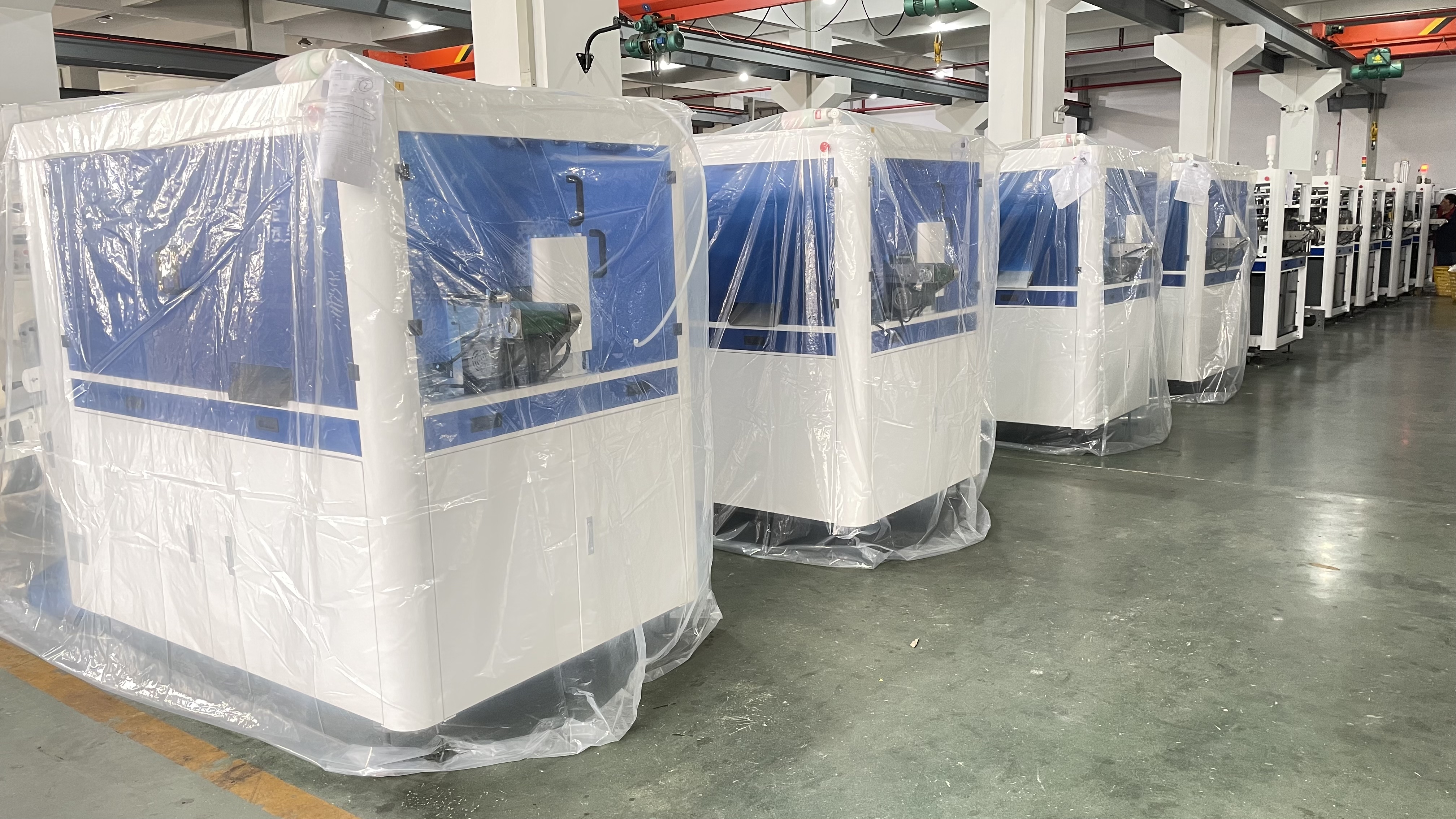
Integrating a paper lid machine into an existing cup manufacturing equipment line requires strategic planning, technical alignment, and operational understanding. Modern cup production facilities depend on seamless coordination between multiple stations, and a paper lid machine serves as a critical junction point that bridges cup formation, quality control, and final packaging stages. When implemented correctly, a paper lid machine enhances throughput, reduces manual labor, and ensures consistent product quality across entire production runs.
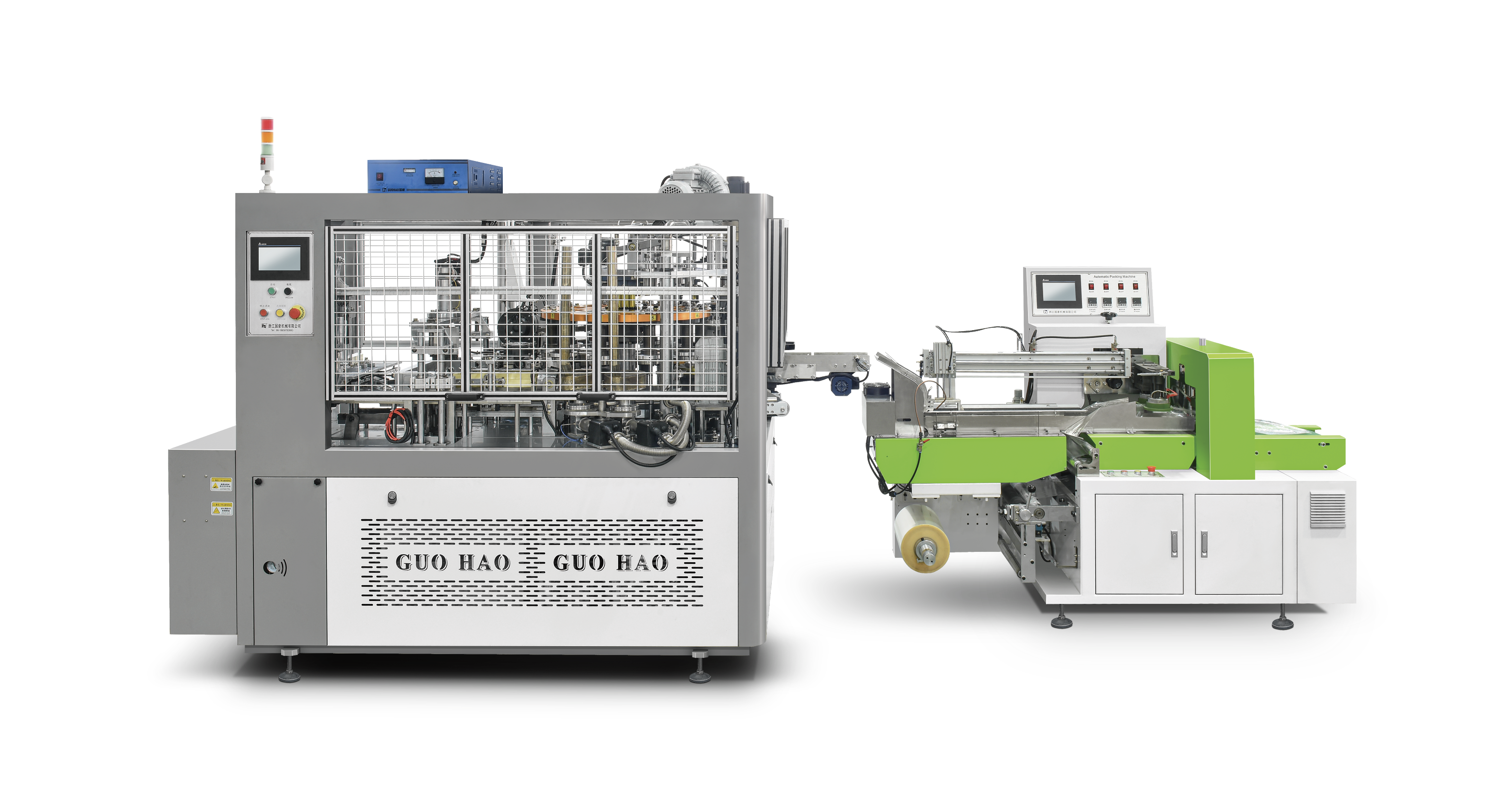
Understanding how a paper lid machine connects with upstream cup molding, downstream stacking, and conveyor systems is essential for maximizing productivity and minimizing downtime. The integration process involves mechanical interface design, electrical synchronization, material flow optimization, and operator training. This comprehensive guide explores the technical and operational aspects of integrating a paper lid machine into your cup manufacturing equipment configuration, including interface points, synchronization requirements, and best practices for reliable operation.
Technical Interface Points Between Paper Lid Machine and Cup Manufacturing Equipment
Mechanical Alignment and Positioning
A paper lid machine must align precisely with incoming cup streams to ensure consistent lid placement. The paper lid machine typically receives cups from upstream molding or thermoforming equipment through transfer mechanisms such as conveyors, pick-and-place arms, or indexing tables. Proper mechanical interface setup requires accurate height calibration, lateral positioning, and timing synchronization. The paper lid machine's receiving station should sit at the same horizontal plane as the cup transfer mechanism to prevent jams, cup tipping, or misalignment that could damage products or create quality defects.
Most modern cup manufacturing facilities use modular equipment frames that allow flexible spacing and height adjustment. When installing a paper lid machine, technicians measure existing cup dimensions, verify container stability during transit, and configure the paper lid machine's input guides to match cup diameters and depths. The paper lid machine's feeding mechanism must accommodate cup orientation variations and maintain consistent cup spacing to prevent overlapping or gaps that disrupt the lid application process.
Conveyor System Coordination
The paper lid machine integrates into the larger conveyor network that moves cups through multiple processing stations. A properly designed paper lid machine operates at synchronized speeds matching upstream cup production and downstream stacking equipment. Variable speed drives on the paper lid machine allow operators to adjust throughput without stopping the entire line, creating buffer capacity between stations and reducing bottlenecks. Transition sections between equipment use guide rails, sensor-triggered transfers, and cushioning elements to protect containers during movement.
Conveyor integration also involves managing cup orientation and spacing as containers move through the paper lid machine. Some cup types require specific entry angles or spacing patterns to ensure reliable lid picking and placement. The paper lid machine's incoming conveyor section must communicate with upstream equipment through sensor feedback loops that maintain consistent cup flow and prevent backups that could trigger system alarms or force emergency shutdowns.
Electrical and Control System Integration
PLC and Sensor Synchronization
Modern cup manufacturing equipment relies on programmable logic controllers (PLCs) to coordinate timing between separate machines. A paper lid machine integrates into this control architecture through a combination of electrical signals, sensor inputs, and communication protocols. Sensors positioned at key points in the paper lid machine detect cup presence, verify successful lid placement, and monitor machine status. These signals feed back to the central PLC, which coordinates the paper lid machine's operations with upstream cup forming and downstream stacking or packaging equipment.
The paper lid machine receives start and stop signals from the PLC based on cup availability and container readiness. Advanced facilities use industrial Ethernet protocols like EtherNet/IP or Profinet to enable real-time communication between the paper lid machine and other line components. This networked approach allows operators to monitor the entire production line from a single interface, troubleshoot equipment issues faster, and capture production data for quality assurance and efficiency analysis.
Safety Interlock Implementation
Safety represents a paramount concern in cup manufacturing environments where high-speed equipment creates pinch points and rotating components. A paper lid machine must integrate with the facility's safety interlock system to prevent operator injury and protect equipment from damage. Motion sensors around the paper lid machine trigger automatic shutdowns when workers approach dangerous zones, and emergency stop buttons positioned throughout the line allow quick power cutoff if hazards develop. The paper lid machine's control system must communicate with other equipment to ensure coordinated halts that prevent cup jams or material backing up.
Interlocks also protect against out-of-specification operation, such as running the paper lid machine without proper lid supply or attempting to process damaged cups. Load cells and pressure sensors integrated into the paper lid machine detect anomalous conditions and trigger alerts or automatic machine stops before defective products reach packaging stages. This protective architecture requires the paper lid machine to exchange status signals with the central control system and respond to commands from safety monitoring devices.
Material Flow and Optimization Strategies
Cup Feed Rate and Lid Supply Management
Optimizing material flow through a paper lid machine depends on balancing cup input rates, lid application speed, and downstream processing capacity. The paper lid machine's throughput capacity should slightly exceed upstream cup production to maintain steady flow without forcing throttling that reduces overall line efficiency. Monitoring cup buffer zones before and after the paper lid machine allows operators to identify flow imbalances that might indicate mechanical problems, sensor failures, or synchronization drift between equipment stages.
A properly integrated paper lid machine maintains consistent lid supply through automated hoppers, magazine systems, or roll-fed mechanisms depending on lid format and production scale. Supply sensors on the paper lid machine alert operators when lid inventory approaches minimum thresholds, triggering timely restocking before production interruptions occur. Some facilities configure dual-magazine paper lid machine designs that allow seamless transition between lid types without stopping the line, enabling quick changeovers for different cup products or seasonal variations.
Transition Buffer Zones
Buffer zones positioned immediately before and after the paper lid machine serve critical functions in stabilizing production flow. These intermediate storage areas accommodate temporary imbalances between upstream cup molding rates and downstream stacking speeds, reducing stress on the paper lid machine and extending component lifespan. A well-designed buffer zone for the paper lid machine typically holds enough cups to bridge brief stoppages or maintenance interventions without cascading line shutdowns.
The paper lid machine benefits from graduated cup acceleration as containers enter and exit its active zone. Cupped spacing adjusts gradually through the paper lid machine's input section, allowing smooth lid gripping without cup distortion or missed placements. Similarly, gentle deceleration as cups exit the paper lid machine prevents tipping and ensures stable transition to downstream conveyors or stacking equipment, maintaining product quality and reducing operator intervention needs.
FAQ
What electrical connections does a paper lid machine require in a cup manufacturing line?
A paper lid machine typically requires a three-phase or single-phase power connection depending on motor size, control signal inputs from the main PLC, sensor communication cables, and emergency stop circuit integration. Most modern paper lid machine installations use 24V DC control signals for safer sensor operation and faster response times. The paper lid machine should connect through a dedicated breaker and soft-start motor controller to prevent voltage spikes that could disrupt other equipment or damage components.
How does a paper lid machine adapt to different cup sizes and formats?
A flexible paper lid machine accommodates multiple cup geometries through adjustable cup guides, changeable gripper plates, and programmable lid placement positions. Operator reference cards or digital setup guides specify the correct adjustments and sensor calibrations for each cup type. The paper lid machine's mechanical components typically require 15 to 45 minutes of setup time during product changeovers, and some facilities maintain pre-configured toolkits for the most common cup sizes to minimize downtime between production runs.
What maintenance schedule keeps a paper lid machine functioning optimally within a cup line?
A paper lid machine requires daily visual inspections for debris, weekly cleaning of cup contact surfaces to prevent buildup, and monthly calibration checks of sensors and mechanical guides. Lubrication intervals depend on specific machine design and operating speed, typically ranging from monthly to quarterly frequency. The paper lid machine should undergo preventive maintenance during scheduled line shutdowns, with replacement of wear parts such as gripper pads, cup guides, and sensor lenses scheduled based on production hours or defect trending data.