
 EN



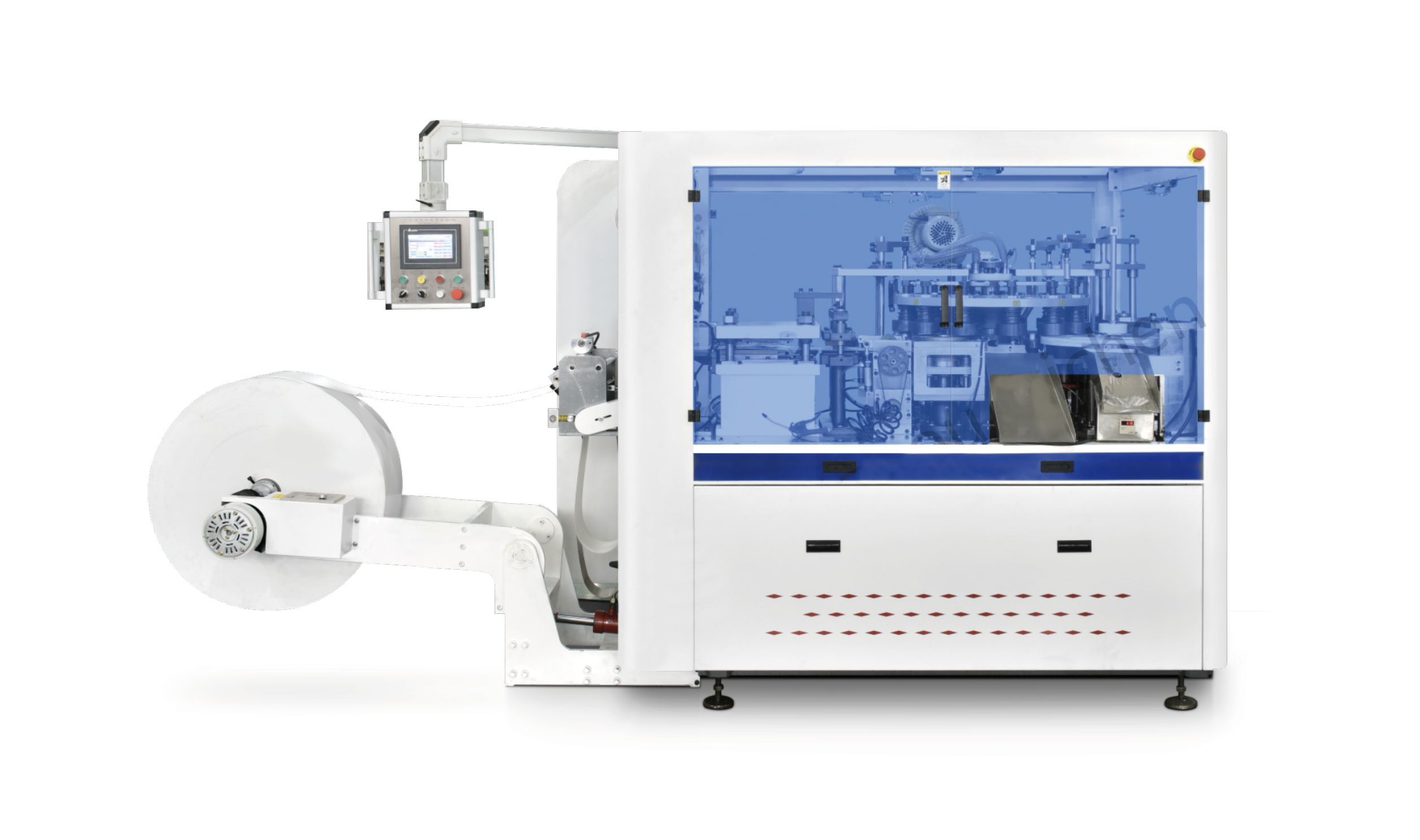
A paper lid machine represents a significant capital investment for any food packaging operation, and protecting that investment requires consistent, proactive maintenance. The long-term stability of your paper lid machine directly impacts production reliability, output quality, and overall operational costs. When maintenance is neglected, equipment performance degrades, downtime increases, and expensive repairs become inevitable. Understanding the essential practices that keep your paper lid machine running smoothly is critical for manufacturers who depend on consistent packaging output.
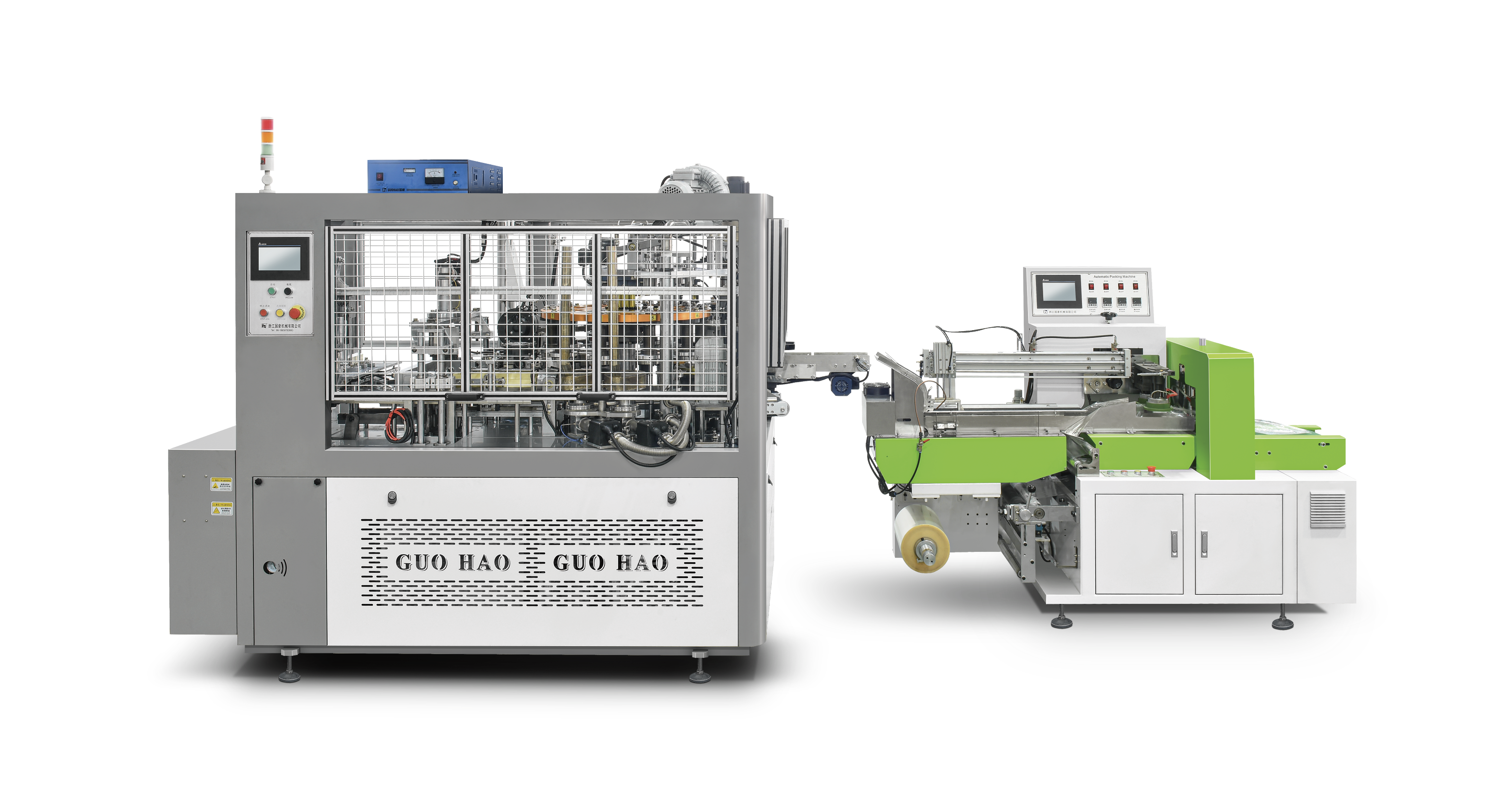
Regular maintenance of your paper lid machine is not optional—it is the foundation of operational excellence. A well-maintained paper lid machine delivers consistent quality, minimizes unexpected breakdowns, and preserves the equipment's value over its complete lifespan. Facilities that implement structured maintenance protocols for their paper lid machine experience fewer production interruptions and maintain better product consistency. This guide explores the maintenance practices that ensure your paper lid machine remains stable, efficient, and reliable.
Daily and Weekly Maintenance Routines
Cleaning and Debris Removal
The paper lid machine accumulates dust, paper particles, and adhesive residue during normal operation. Daily cleaning of your paper lid machine prevents buildup that can interfere with moving components and reduce precision. Begin each shift by inspecting the feed mechanism, pressing surfaces, and output area of your paper lid machine for debris. Use soft brushes and compressed air to remove particles from hard-to-reach areas without damaging sensitive components. Pay special attention to the heating elements and sealing plates, as paper dust can accumulate quickly and affect thermal consistency.
Weekly deep cleaning of your paper lid machine extends component life significantly. Remove any adhesive residue from the paper lid machine's pressing surfaces using appropriate solvents recommended by the manufacturer. Wipe down all external surfaces to maintain visibility of status indicators and prevent contamination from entering moving parts. A clean paper lid machine operates more efficiently and allows operators to spot emerging problems before they cause production disruptions.
Lubrication and Component Movement
Proper lubrication is essential for the mechanical elements of your paper lid machine. Identify all lubrication points on your paper lid machine according to the equipment manual and establish a weekly lubrication schedule. Apply manufacturer-recommended lubricants in precise quantities to bearing points, pivot joints, and drive mechanisms of your paper lid machine. Over-lubrication can attract dust and create sticky residue, while under-lubrication causes friction and accelerates wear. Check that all moving components of your paper lid machine operate smoothly without grinding sounds or resistance.
Monthly Inspection and Preventive Adjustments
Alignment and Calibration Verification
The accuracy of your paper lid machine depends on precise alignment of pressing components and feed mechanisms. Monthly inspections of your paper lid machine should include checking the alignment of the lid feeding guide and verifying that the pressing plates are parallel and properly positioned. Use manufacturer-provided gauges or calipers to measure gaps and ensure components remain calibrated. Misalignment in your paper lid machine can cause uneven sealing, bent lids, and product quality issues. Document all measurements to track whether gradual drift is occurring, which indicates wear that may require professional adjustment.
Temperature consistency is critical for sealed product quality from your paper lid machine. Test the heat settings of your paper lid machine monthly by checking actual temperatures against calibrated thermometers. Thermostatic controls on your paper lid machine may drift over time, reducing sealing effectiveness. If heating elements show uneven temperature distribution across the sealing surface of your paper lid machine, professional service may be necessary.
Seal Quality and Output Testing
Produce test samples monthly from your paper lid machine and evaluate seal strength, consistency, and appearance. Run at least 20 lids through your paper lid machine under standard conditions and inspect for uniform heat marks, proper adhesive distribution, and crimp quality. Weak seals often indicate that pressure settings have drifted on your paper lid machine or that heating elements need replacement. Document test results to establish baseline performance and identify trends that signal declining paper lid machine function.
Quarterly and Annual Maintenance Programs
Component Replacement and Wear Assessment
Every three months, conduct a thorough inspection of wearing components on your paper lid machine. Check heating elements for carbon buildup, corrosion, or visible damage that reduces their efficiency. Examine feed rollers on your paper lid machine for flat spots, cracks, or slipping that indicates they no longer grip materials evenly. Inspect sealing gaskets and heat-transfer surfaces of your paper lid machine for hardening or deterioration. These components have finite lifespans, and replacing them during scheduled maintenance prevents sudden failures during production runs. Maintain an inventory of critical spare parts for your paper lid machine to minimize downtime when replacement becomes necessary.
Drive belts and timing mechanisms are core to reliable paper lid machine performance. Quarterly inspection should include checking belt tension, looking for cracking or glazing on the belt surface, and verifying that the paper lid machine's drive system operates without slipping. Belt slip causes inconsistent feeding and pressing, directly compromising product quality from your paper lid machine. Replace worn belts proactively before they break during production.
Professional Servicing and Full System Assessment
Schedule professional service annually for your paper lid machine to conduct a comprehensive system assessment. Certified technicians can identify internal wear, recalibrate precision components, and replace items that are not accessible during routine maintenance. Annual service of your paper lid machine includes checking electrical connections for corrosion, testing control circuits, and verifying that all safety features remain functional. This professional oversight catches issues that in-house maintenance cannot detect and ensures your paper lid machine continues operating at design specifications.
Detailed service records for your paper lid machine create a history that helps predict component failures and maintenance needs. When service intervals are documented, patterns emerge showing which components wear fastest, when replacement cycles are predictable, and how operating practices affect paper lid machine longevity. Share these records with your service provider so they can tailor recommendations specifically to your equipment's usage pattern.
FAQ
How often should a paper lid machine receive professional maintenance?
A paper lid machine benefits from professional servicing at least once annually, though high-volume operations may require service every six months. Daily and weekly cleaning and inspection by in-house staff keep your paper lid machine running between professional visits. Professional technicians can identify wear and recalibrate components that routine maintenance cannot address, ensuring your paper lid machine maintains design performance and reliability throughout its operational life.
What are the most common failure points on a paper lid machine?
The heating elements, sealing gaskets, and feed rollers are common wear components on a paper lid machine. Drive belts and timing mechanisms also deteriorate with use and require periodic replacement. These components can be monitored during monthly inspections, allowing you to schedule replacement before they fail unexpectedly. Understanding which parts of your paper lid machine wear fastest helps you maintain preventive inventory and avoid production disruptions caused by sudden equipment failures.
Can regular maintenance reduce unexpected downtime on a paper lid machine?
Yes, consistent maintenance dramatically reduces unplanned downtime on a paper lid machine. Proactive replacement of wearing components, regular cleaning, and proper lubrication prevent sudden failures during production shifts. Facilities with structured maintenance programs for their paper lid machine experience significantly fewer emergency repairs and maintain higher overall equipment availability. The time invested in preventive maintenance delivers measurable returns through increased production reliability and reduced repair expenses.