
 EN



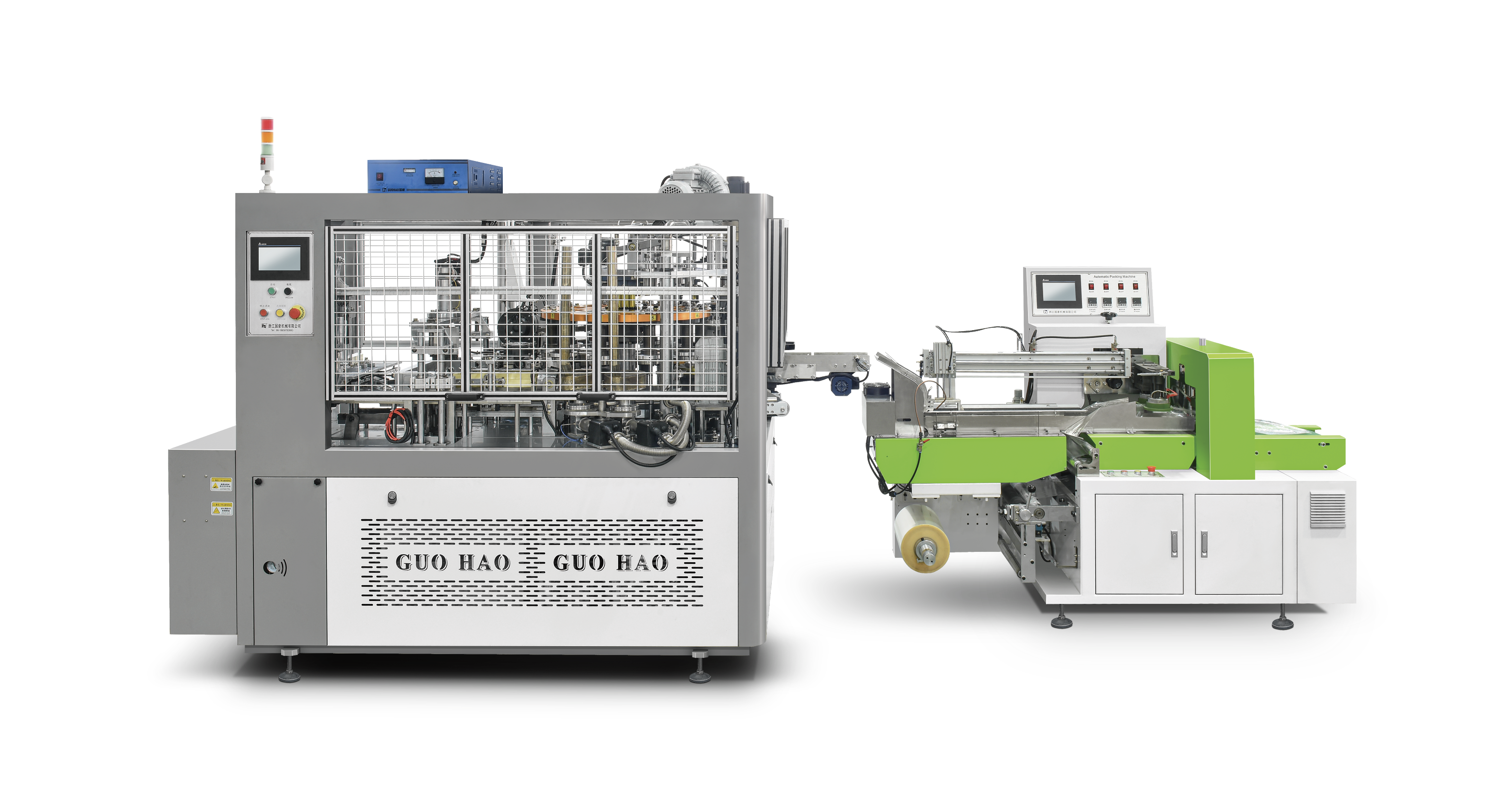
Achieving genuine sustainability in packaging production requires thoughtful equipment selection and operational commitment. A paper lid machine represents a strategic investment for manufacturers serious about aligning their production capabilities with environmental goals. The question is not whether a paper lid machine can contribute to eco-friendly packaging objectives, but rather how to maximize its potential within your specific production environment and sustainability framework.
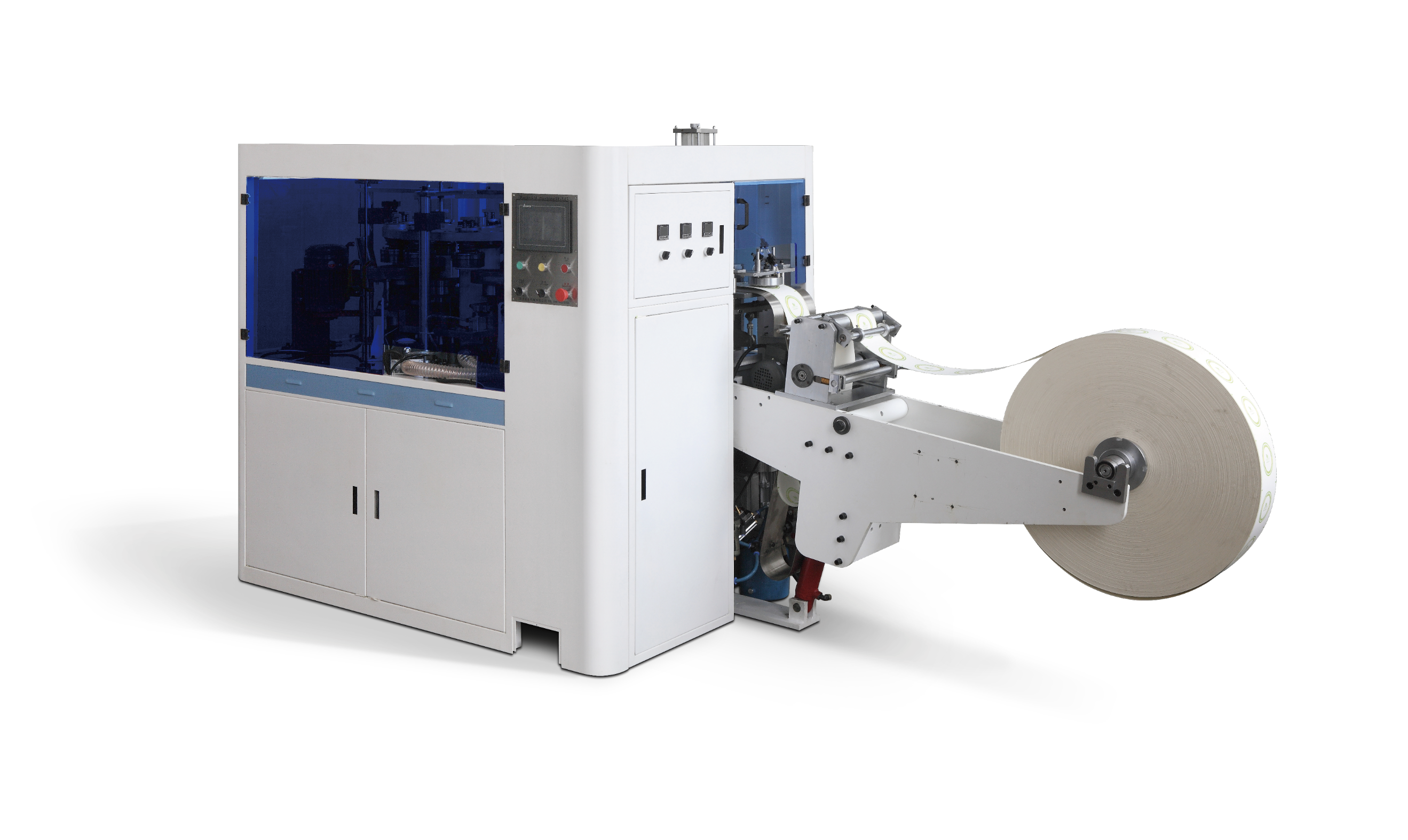
Modern packaging demands balance between production efficiency, material cost, and environmental responsibility. A paper lid machine enables manufacturers to transition away from plastic-based lid solutions and produce paper-based alternatives that meet both market expectations and sustainability commitments. This shift is increasingly critical as regulatory pressures intensify and consumer preferences favor environmentally conscious brands.
Environmental Benefits of Paper Lid Machine Production
Material Composition and Biodegradability
The fundamental environmental advantage of using a paper lid machine lies in its output material. Paper lids produced through a paper lid machine are fundamentally biodegradable and compostable compared to conventional plastic or foam alternatives. When manufactured from responsibly sourced pulp, paper lids break down naturally within industrial composting systems, reducing landfill burden and eliminating persistent environmental contamination. A paper lid machine can process various paper grades, including recycled fiber content, further enhancing the environmental profile of your finished products.
Biodegradability represents only one aspect of the environmental case. A paper lid machine allows manufacturers to eliminate chlorine-based bleaching processes in favor of oxygen-based alternatives, reducing toxic chemical discharge. The paper substrates used in a paper lid machine can incorporate mineral coatings instead of plastic barriers, maintaining functionality while preserving the material's recyclability and compostability.
Carbon Footprint Reduction
Manufacturing emissions constitute a significant portion of packaging lifecycle impact. A paper lid machine typically operates with lower energy consumption compared to injection molding or thermoforming systems required for plastic lid production. The production process itself generates minimal waste when a paper lid machine is properly calibrated, with scrap material recyclable directly into pulp streams rather than requiring separate disposal infrastructure.
Transportation and distribution advantages also favor a paper lid machine deployment. Paper lids occupy less volume in compressed form than equivalent plastic alternatives, reducing shipping weight and fuel consumption. Supply chain efficiency improves when your paper lid machine can produce on-demand, minimizing inventory requirements and reducing storage-related emissions.
Production Efficiency and Quality Alignment
Operational Performance of Paper Lid Machines
Sustainability goals lose credibility if production efficiency suffers. Modern paper lid machine technology delivers output speeds, consistency, and quality metrics that compete directly with established plastic-based systems. An advanced paper lid machine can achieve production rates between 40 to 80 units per minute depending on lid diameter and paper weight specifications, making the transition technically viable for high-volume operations.
A paper lid machine requires operator training and process optimization, but the learning curve remains manageable for experienced packaging teams. Material consistency, humidity control, and pressure calibration represent the primary variables affecting quality when operating a paper lid machine. Once these parameters stabilize, defect rates remain comparable to or better than conventional lid production methods.
Customization and Market Responsiveness
Market differentiation increasingly depends on packaging innovation. A paper lid machine offers flexibility to introduce branded designs, embossing patterns, and material variations that plastic alternatives cannot match cost-effectively. Your customers perceive paper lids as a premium, environmentally responsible choice, creating marketing advantages that justify the investment in paper lid machine technology.
The ability to adjust a paper lid machine settings for different lid heights, diameters, and paper weights enables your operation to serve diverse customer segments. Quick changeovers between specifications reduce production bottlenecks and allow your business to respond to market opportunities without maintaining excessive inventory.
Economic and Strategic Alignment With Sustainability
Cost Structure and Long-Term Value
Initial capital investment for a paper lid machine represents a significant consideration, yet the analysis must incorporate total cost of ownership rather than upfront price alone. Paper materials typically cost less per unit than molded plastic or foam alternatives, improving per-unit margin as production volumes increase. A paper lid machine investment becomes economically justified when your operation targets minimum annual production volumes of 500,000 to 1,000,000 units.
Regulatory compliance costs favor paper lid machine adoption. Plastic packaging faces increasing restrictions, taxes, and disposal fees in major markets. Proactive transition to a paper lid machine protects your business against future regulatory disruption and positions your company ahead of competitors facing forced equipment replacement. Suppliers and major retail partners increasingly require documented packaging sustainability efforts that a paper lid machine directly supports.
Supply Chain Resilience
Diversifying away from plastic dependency strengthens your supply chain resilience. Paper fiber remains abundant and geographically distributed compared to petroleum-based plastic feedstocks. A paper lid machine reduces exposure to volatile plastic resin pricing and petrochemical supply disruptions. This structural advantage becomes increasingly valuable as global trade patterns shift and alternative sourcing becomes critical for business continuity.
FAQ
Can a paper lid machine handle high-speed production requirements?
Yes, a modern paper lid machine achieves production speeds of 40 to 80 units per minute, meeting the throughput demands of most food service and beverage packaging operations. Speed capability depends on lid diameter, paper thickness, and your quality standards. Manufacturers should validate specific production requirements before finalizing equipment selection, as a paper lid machine configuration can be optimized for speed or precision depending on your primary operational need.
What maintenance and training does a paper lid machine require?
A paper lid machine requires regular maintenance including pressure mechanism inspection, heating element calibration, and feed system cleaning. Training typically spans two to four weeks for operators to achieve proficiency. Paper lid machine support teams should establish preventive maintenance schedules and maintain inventory of wear components. Documentation and manufacturer support resources significantly influence your operational success with a paper lid machine investment.
How does a paper lid machine compare to current plastic production capabilities?
A paper lid machine produces comparable quality and consistency to plastic systems while offering superior environmental attributes. Material costs often favor paper in high-volume scenarios. However, a paper lid machine may require slightly longer setup time and demands different expertise than plastic-based equipment. Your transition strategy should include pilot production phases to validate that a paper lid machine meets your specific quality and cost benchmarks before committing to full-scale deployment.