
 EN



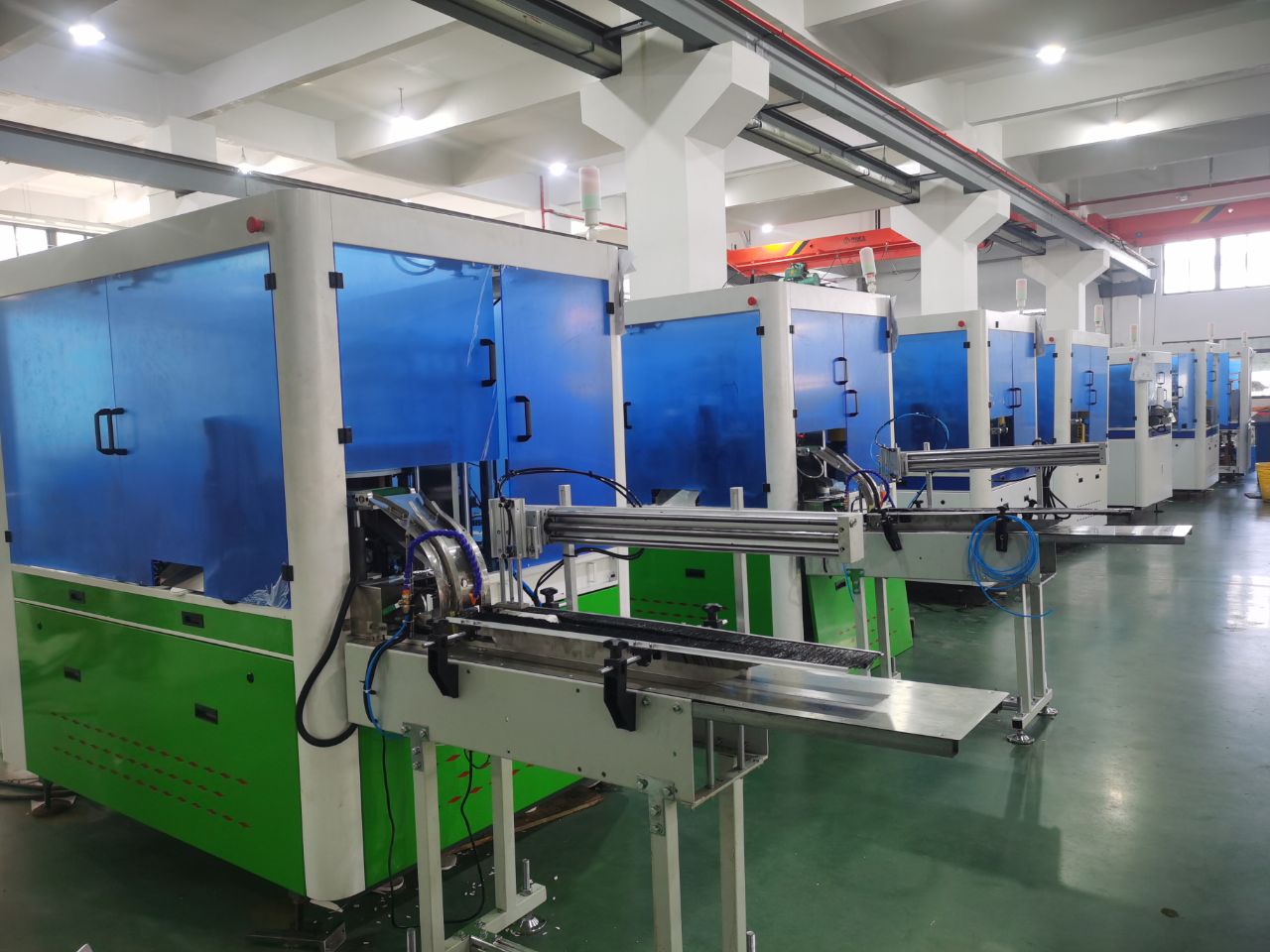
Manufacturing operations face constant pressure to optimize production efficiency while minimizing waste and environmental impact. A paper lid machine represents a significant technological advancement in containerized product manufacturing, directly addressing the challenge of material waste across production lines. By automating the creation of paper lids, this equipment enables manufacturers to control material consumption precisely, reduce scrap rates, and improve overall operational profitability. Understanding how a paper lid machine reduces material waste requires examining both the mechanical efficiency of the equipment and the broader impact on manufacturing workflows.
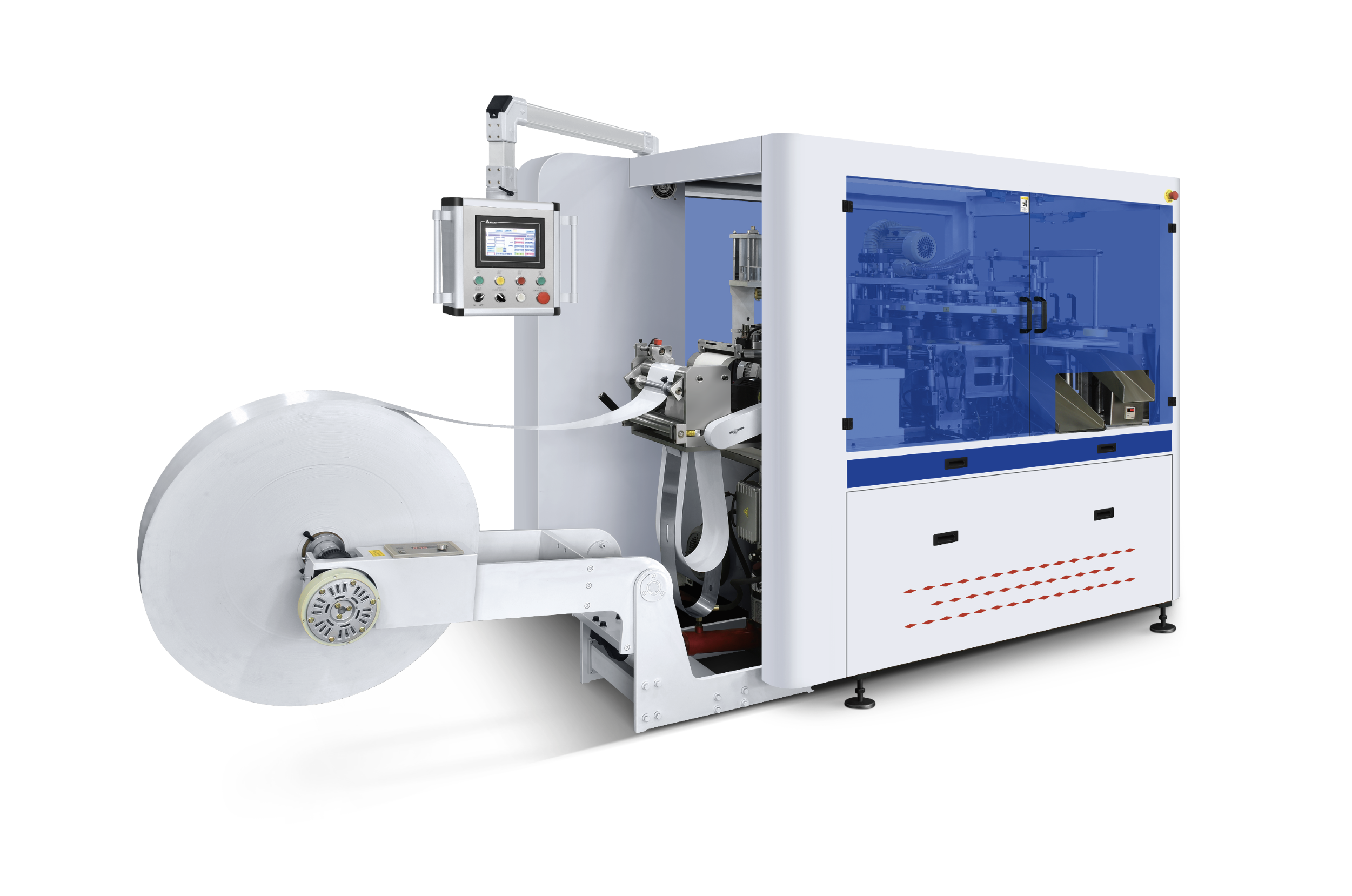
The integration of a paper lid machine into manufacturing operations fundamentally transforms how companies produce container lids. Rather than relying on manual processes or purchasing pre-made components with inherent variability, a paper lid machine delivers precision, consistency, and dramatic reductions in wasted material. Modern facilities using a paper lid machine report significant improvements in their material utilization rates, directly impacting both sustainability goals and cost structures across their operations.
How a Paper Lid Machine Controls Material Input and Output
Precision Material Feeding and Measurement
The primary mechanism through which a paper lid machine reduces material waste begins with its advanced material feeding system. A paper lid machine automatically measures and dispenses the exact amount of raw material needed for each lid production cycle, eliminating the guesswork and excess material handling common in manual operations. Operators set specifications for material thickness, diameter, and quality parameters, and the equipment consistently delivers these specifications across every cycle. This precision eliminates the purchasing of excess inventory that often ends up discarded when demand changes or specifications evolve.
When manufacturers deploy a paper lid machine, they transition from batch-based, surplus-oriented purchasing models to just-in-time material consumption aligned with actual production demand. The machine's integrated quality control systems reject substandard material during the feeding process before waste accumulation occurs. By preventing defective raw material from entering the production workflow, a paper lid machine avoids the cascading waste created when flawed input material ruins finished products. This upstream waste prevention represents one of the most significant cost savings mechanisms associated with deploying a paper lid machine in modern facilities.
Minimizing Production Scrap Through Automated Processing
A paper lid machine dramatically reduces scrap generation during the actual production process through automated, repeatable forming, cutting, and pressing operations. Manual lid production inevitably generates waste through operator error, inconsistent pressure application, and misalignment during cutting phases. A paper lid machine eliminates these human factors by executing each production step with identical parameters, angles, and force applications across thousands of consecutive cycles. The reduction in edge trimming waste, malformed lids, and material tear-outs directly translates to decreased scrap accumulation.
The automated cutting mechanisms within a paper lid machine are optimized to minimize edge waste and maximize usable material from each feed section. Advanced blade positioning and pressure calibration ensure clean cuts with minimal material loss on each piece produced. When a paper lid machine operates at peak efficiency, manufacturers report scrap rates declining by thirty to fifty percent compared to manual or semi-automated processes. This improvement in first-pass yield eliminates the need to produce excess lids to compensate for expected defect rates.
Cycle Time Efficiency and Production Planning Accuracy
Reducing Overproduction Through Accurate Scheduling
A paper lid machine enables manufacturers to produce exact quantities needed for scheduled orders, preventing overproduction waste driven by inaccurate production forecasting. Manual or inconsistent production methods often require manufacturers to produce surplus lids as safety stock, accounting for expected waste during handling and storage. A paper lid machine's consistent output rates allow planners to calculate precise production schedules without inflating quantities to compensate for anticipated losses. This accuracy eliminates the disposal of unsold, obsolete, or excess-produced lids that represents significant material waste in many facilities.
By producing exact quantities aligned with real-time order data, a paper lid machine reduces inventory carrying costs alongside material waste reduction. Manufacturing facilities using a paper lid machine maintain lower warehousing volumes and experience fewer instances of expired or damaged inventory requiring disposal. This inventory optimization creates a cascading waste reduction effect that extends beyond the production line itself into supply chain and storage operations.
Streamlined Quality Control and Material Sortation
A paper lid machine integrates advanced quality sensing systems that automatically detect and segregate defective products before they advance through subsequent processing stages. Rather than discovering defects during packaging or distribution phases, where the full material content has been invested, a paper lid machine catches problems at the earliest stage possible. This early detection prevents the investment of additional labor and materials into fundamentally flawed products. The machine's automated rejection mechanisms also prevent defective lids from contaminating batches destined for high-profile customers, protecting brand reputation while reducing waste.
Manufacturers operating a paper lid machine benefit from consistent material quality throughout production runs because the equipment prevents out-of-specification material from advancing into finished goods inventory. This consistency eliminates quality-driven waste associated with customer returns, production line stoppages caused by incompatible components, and the necessity to rework failed assemblies.
Environmental Impact and Sustainability Benefits
Reduced Landfill Waste and Material Recovery
The aggregate waste reduction achieved through deploying a paper lid machine creates meaningful environmental benefits that extend far beyond individual manufacturing operations. A paper lid machine reduces the total volume of paper and cardstock entering landfills by optimizing material utilization across thousands of production cycles. When manufacturers eliminate ten to twenty percent of waste through a paper lid machine deployment, the cumulative environmental impact across a single facility spans hundreds of tons of material diverted from waste streams annually. This waste reduction strengthens sustainability credentials and supports corporate environmental responsibility commitments.
A paper lid machine also enables manufacturers to implement material recovery programs more effectively because the consistent quality of scrap generated by automated processes facilitates easier sorting and material reclamation. Unlike mixed-quality manual production waste, scrap from a paper lid machine often qualifies for recycling programs that generate revenue or cost credits. Some manufacturers have successfully implemented closed-loop recycling systems where a paper lid machine scrap feeds directly into material recovery operations, eliminating disposal costs entirely while recovering material value.
Carbon Footprint Reduction and Resource Conservation
The resource conservation achieved through a paper lid machine extends beyond waste reduction to encompass broader environmental footprinting considerations. Reduced material consumption means lower volumes of raw material requiring extraction, processing, and transportation. A paper lid machine decreases the energy intensity of production operations by eliminating inefficient manual processes and reducing the frequency of material handling and rework cycles. These operational efficiencies generate secondary carbon footprint reductions that compound the direct benefits of reduced material waste.
Manufacturers implementing a paper lid machine often discover unexpected sustainability benefits including reduced water usage in material processing, lower energy consumption during production cycles, and decreased transportation requirements for material procurement. When aggregated across a facility's annual operations, a paper lid machine generates measurable improvements in environmental performance metrics that strengthen sustainability reporting and stakeholder communication around corporate responsibility initiatives.
FAQ
What percentage of material waste reduction can manufacturers expect from implementing a paper lid machine?
Manufacturers typically achieve material waste reductions ranging from twenty to fifty percent after deploying a paper lid machine, depending on previous production methods and operational maturity. Facilities transitioning from fully manual processes to automated production with a paper lid machine often experience reductions at the higher end of this range because the gap between manual and automated efficiency is greatest. Facilities with existing semi-automated systems may realize more modest but still significant improvements from upgrading to modern paper lid machine technology. The specific waste reduction percentage depends on factors including production volume, raw material quality, operator experience with manual systems, and the particular model of paper lid machine implemented.
How does a paper lid machine improve material utilization compared to manual production methods?
A paper lid machine improves material utilization through multiple mechanisms: precise material measurement eliminates over-purchasing, automated cutting optimizes yield from each material sheet, integrated quality control prevents flawed products from consuming additional resources, and consistent output enables accurate production planning without safety stock overages. Manual production methods introduce variability at every stage, forcing manufacturers to compensate with excess material procurement to ensure adequate supplies. A paper lid machine standardizes processes and reduces variability, creating a compound effect where each efficiency gain contributes to overall waste reduction. The equipment's data collection capabilities also provide visibility into material utilization rates, enabling continuous improvement initiatives that drive further efficiency gains over time.
Are there maintenance considerations that could affect the waste reduction benefits of a paper lid machine?
Proper maintenance of a paper lid machine is essential for sustaining waste reduction benefits because equipment degradation directly impacts production consistency and scrap rates. Regular maintenance schedules preserve the precision of cutting mechanisms, feeding systems, and quality control sensors that drive waste reduction. Facilities that implement preventive maintenance programs typically maintain waste reduction benefits consistently, while those with reactive maintenance approaches may experience degradation in performance over time. Manufacturers should invest in operator training and maintenance protocols specific to their paper lid machine model to ensure the equipment continues delivering waste reduction benefits throughout its operational lifespan. Access to reliable parts availability and technical support enables quick resolution of issues that could otherwise compromise production quality and waste performance.
Table of Contents
- How a Paper Lid Machine Controls Material Input and Output
- Cycle Time Efficiency and Production Planning Accuracy
- Environmental Impact and Sustainability Benefits
-
FAQ
- What percentage of material waste reduction can manufacturers expect from implementing a paper lid machine?
- How does a paper lid machine improve material utilization compared to manual production methods?
- Are there maintenance considerations that could affect the waste reduction benefits of a paper lid machine?