Cost of Paper Cup Making Machine: Complete Investment Guide & ROI Analysis 2024

Get a Free Quote

Our representative will contact you soon.
Email
Name
Company Name
Message
0/1000

cost of paper cup making machine

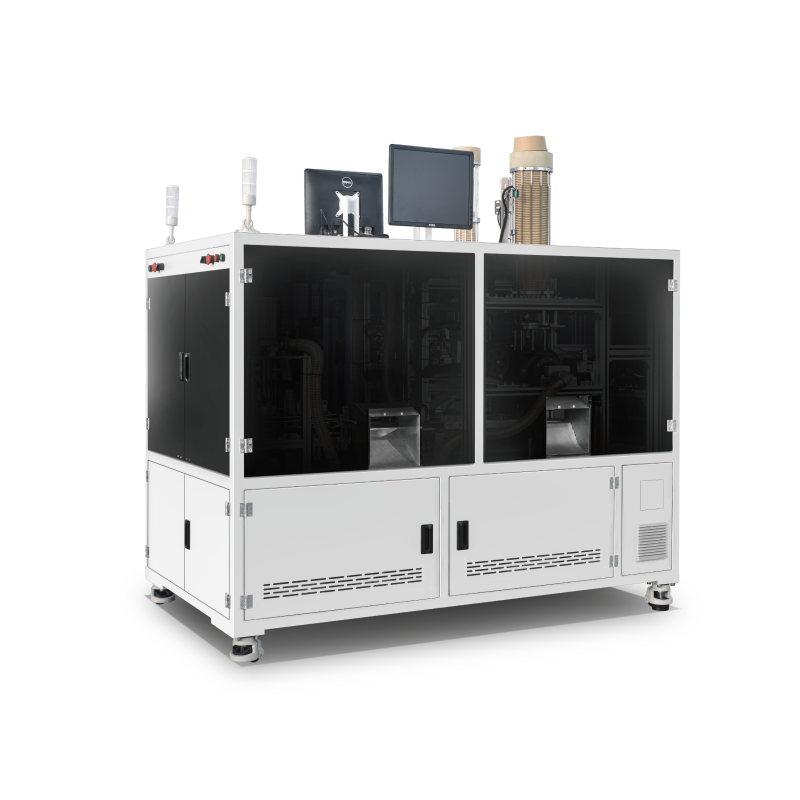
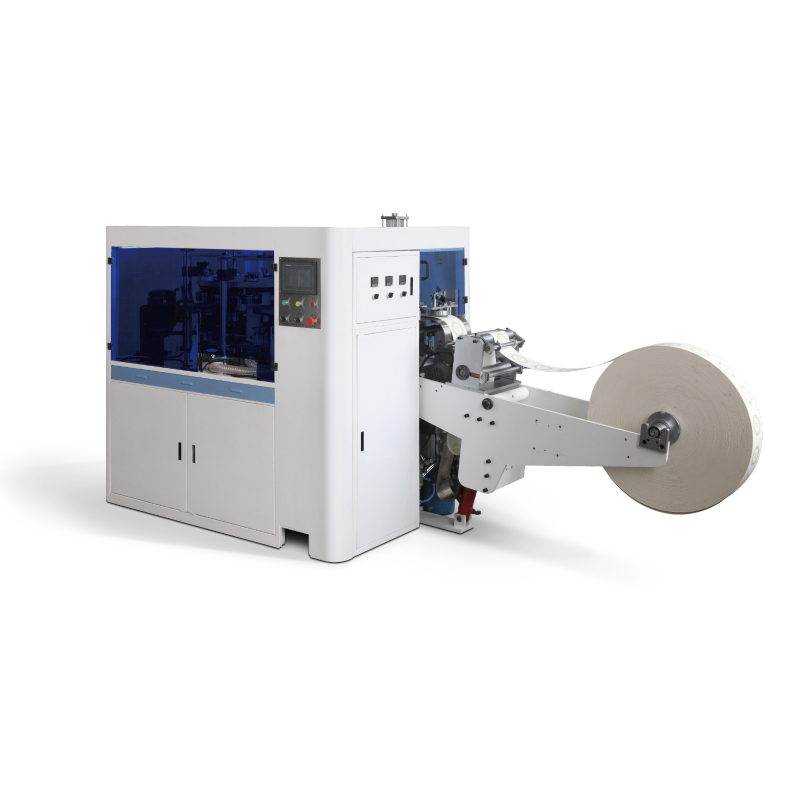
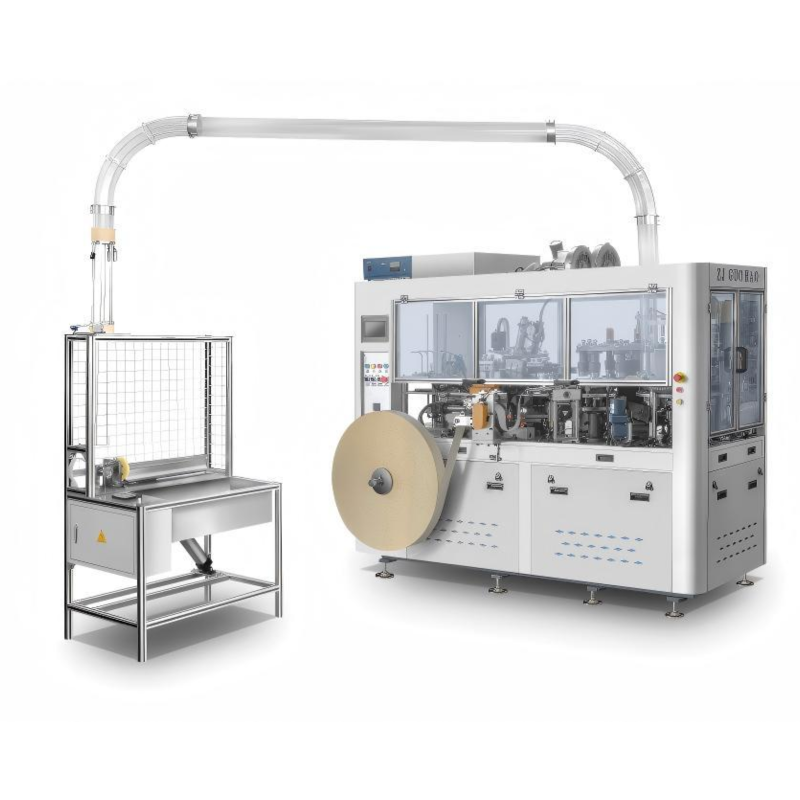
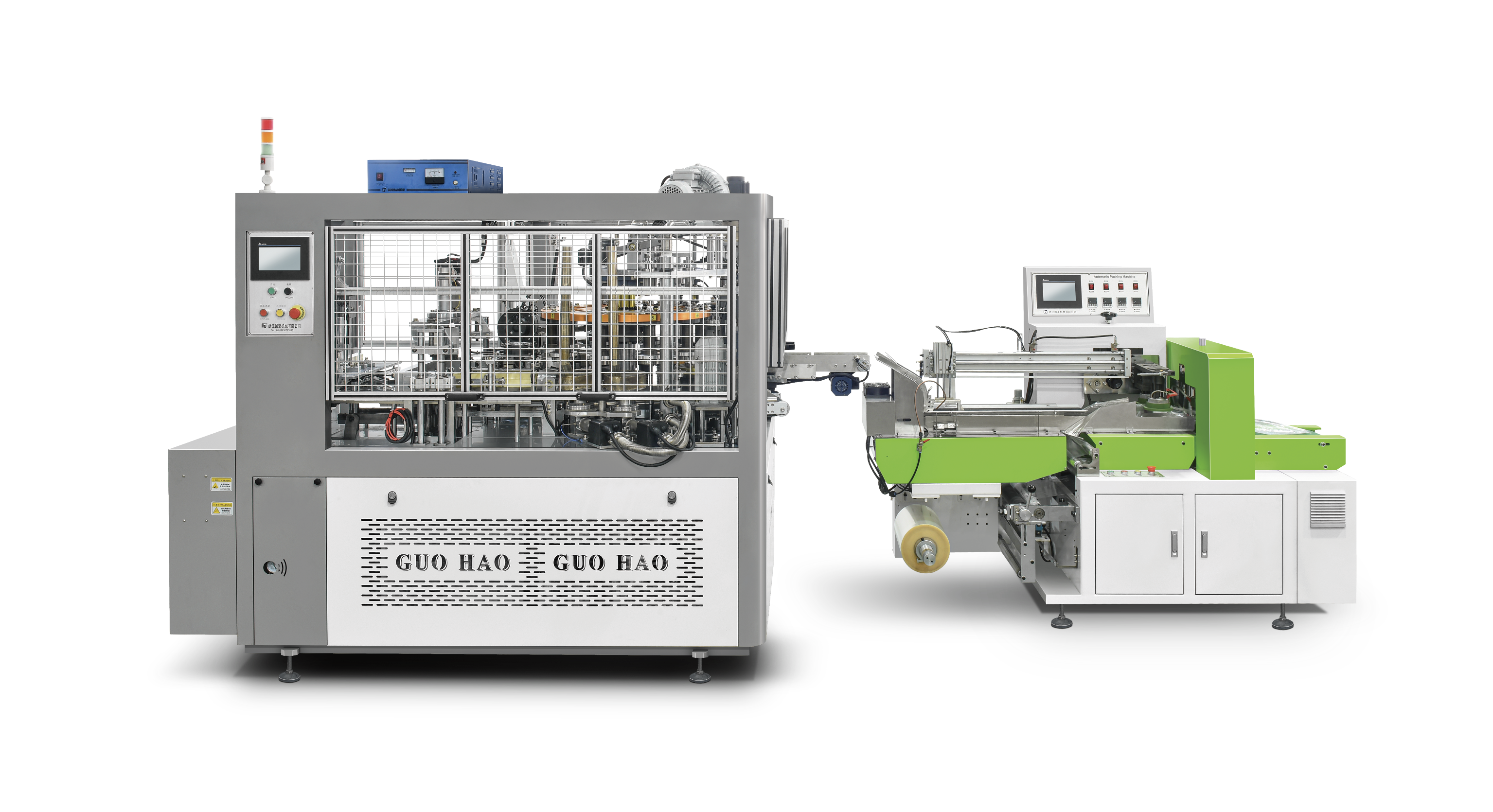
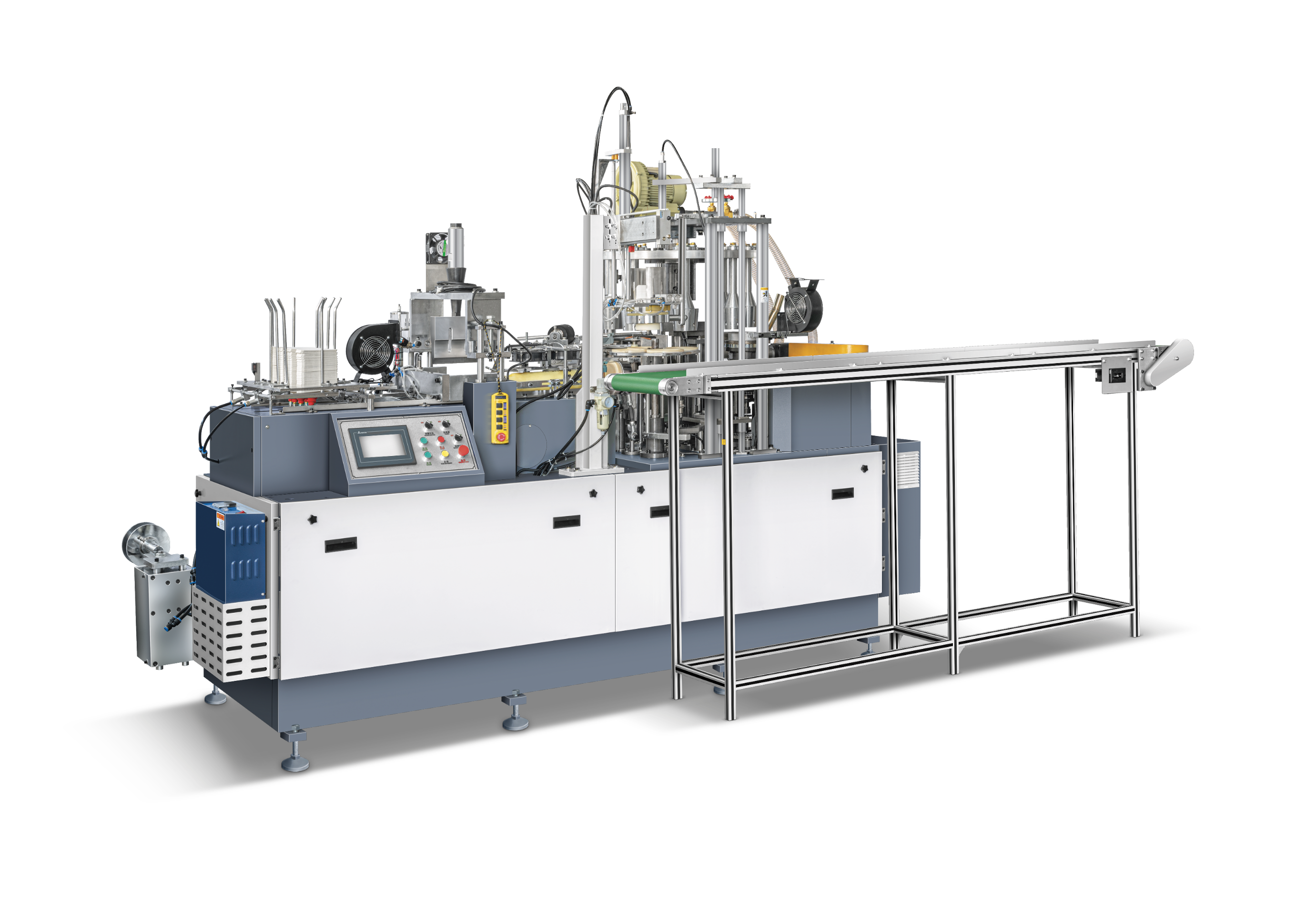
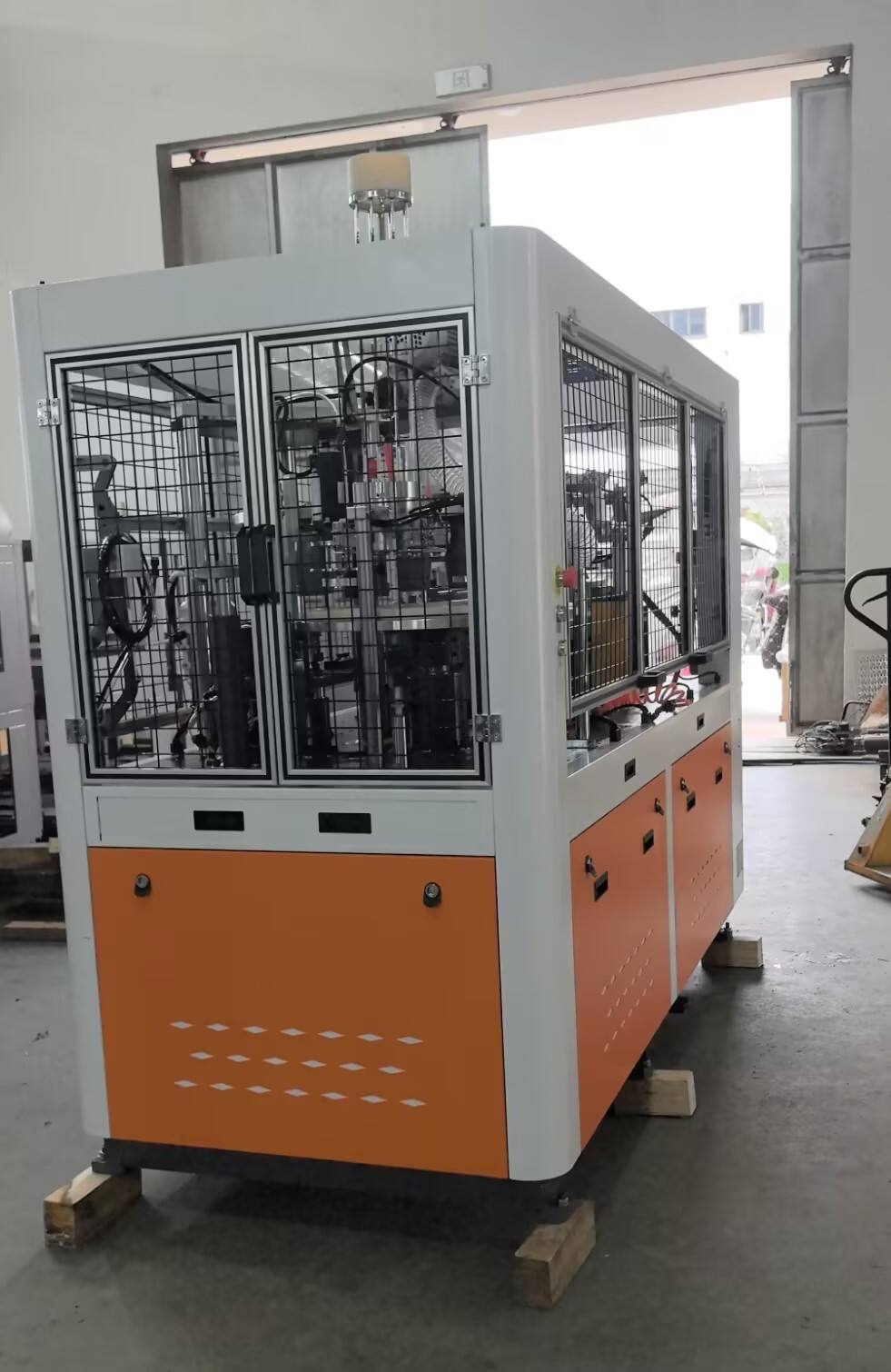
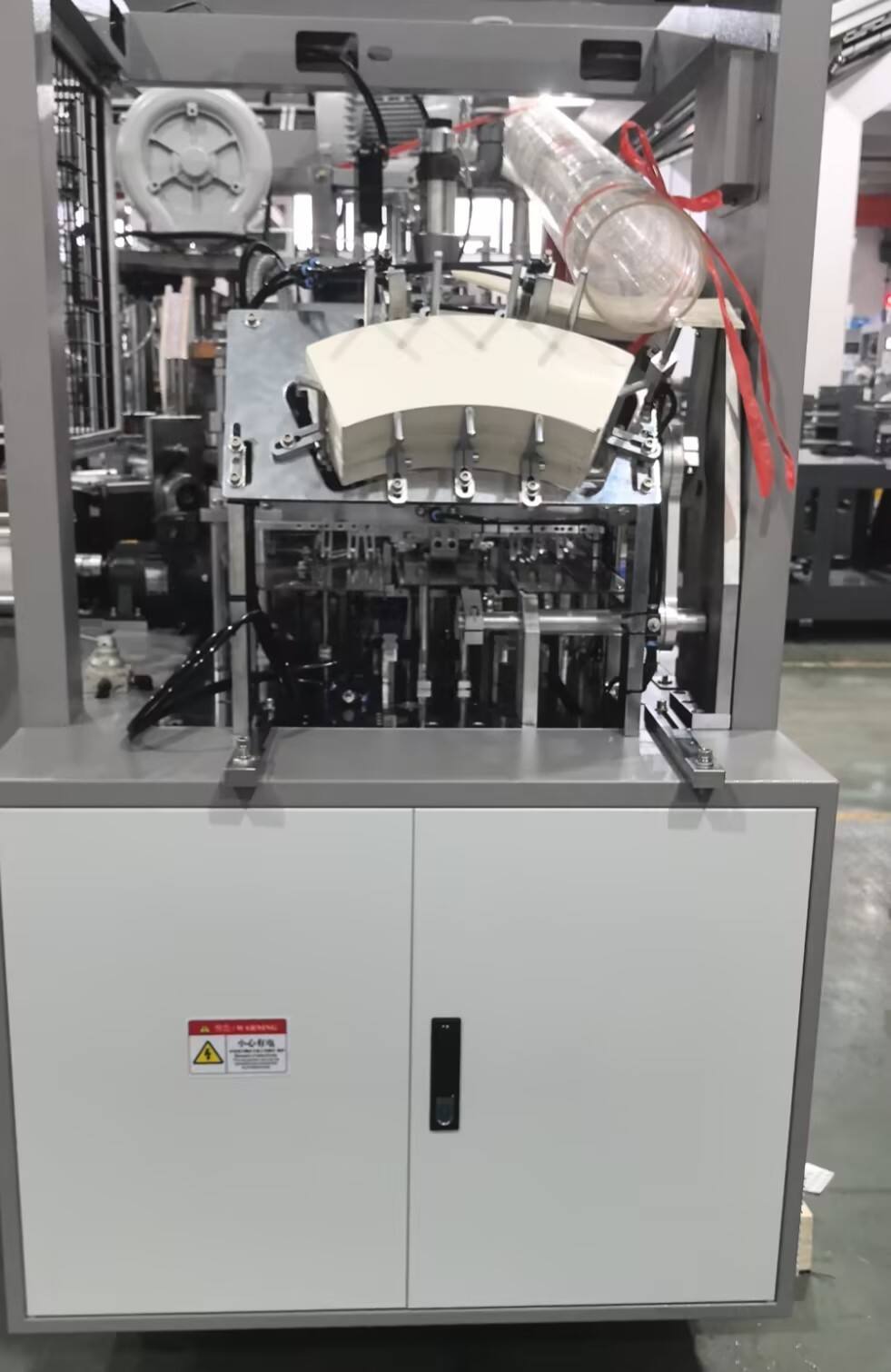
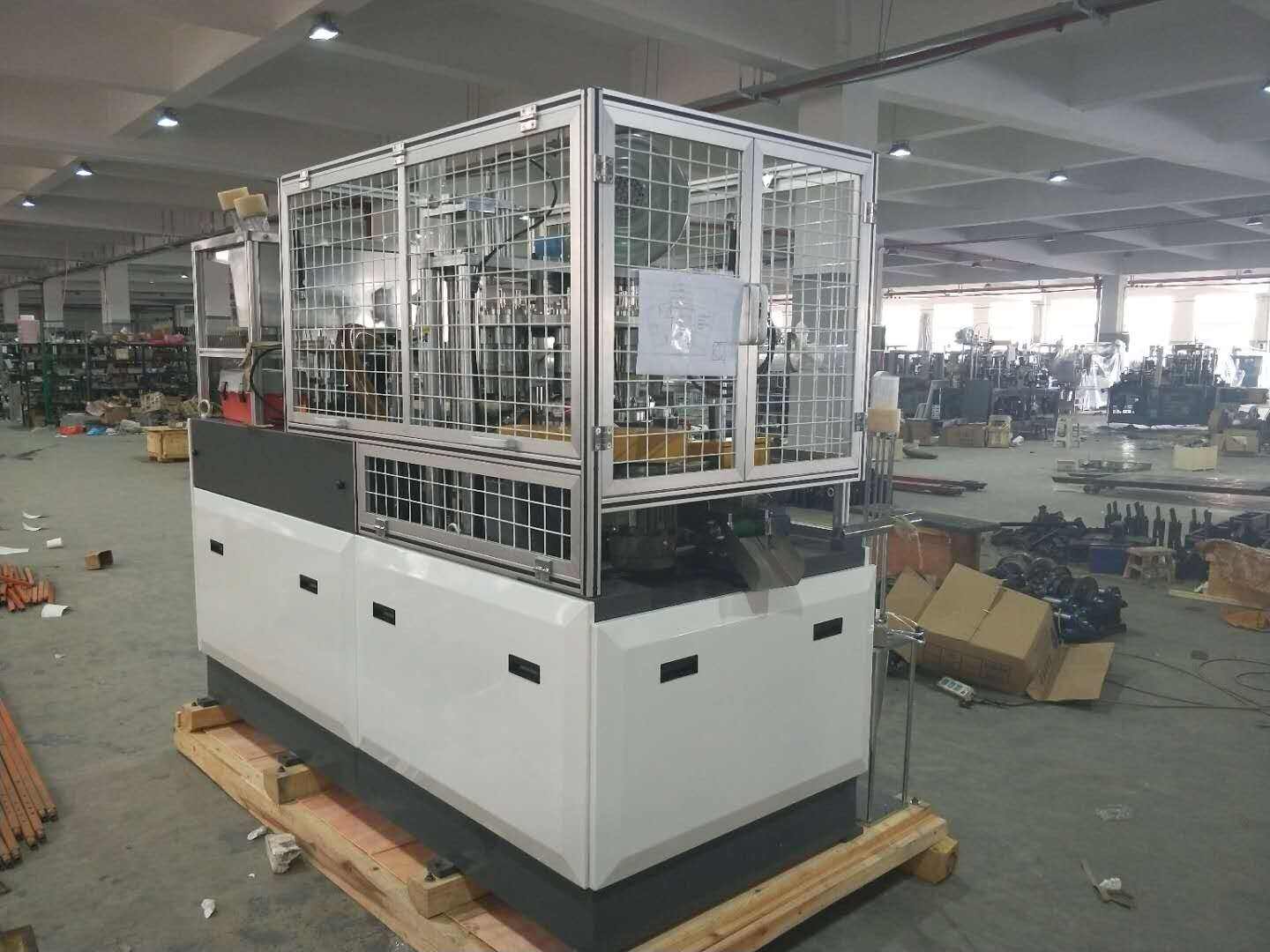
The cost of paper cup making machine represents a crucial investment consideration for businesses entering the disposable packaging industry. Modern paper cup manufacturing equipment ranges from $15,000 for basic semi-automatic models to $150,000 for fully automated industrial systems. These machines transform raw paper materials into finished cups through sophisticated mechanical processes that include paper feeding, heating, forming, sealing, and bottom attachment. The primary function involves converting paper rolls into three-dimensional containers suitable for hot and cold beverages. Technological features include precision temperature control systems, automatic paper feeding mechanisms, ultrasonic sealing technology, and computerized control panels that ensure consistent product quality. Advanced models incorporate servo motors for enhanced accuracy, touch-screen interfaces for user-friendly operation, and quality monitoring systems that detect defects during production. The cost of paper cup making machine varies significantly based on production capacity, ranging from 50-80 cups per minute for entry-level equipment to 200-300 cups per minute for high-speed industrial units. Applications span across multiple sectors including food service establishments, coffee shops, restaurants, catering companies, and large-scale beverage manufacturers. These machines accommodate various cup sizes from small espresso cups to large beverage containers, making them versatile solutions for diverse market demands. Material compatibility extends beyond standard paper to include PE-coated papers, biodegradable materials, and specialized food-grade substrates. The manufacturing process involves precise temperature regulation, typically operating between 160-200 degrees Celsius for optimal sealing performance. Modern systems feature energy-efficient designs that reduce operational costs while maintaining high productivity levels. Investment in paper cup making equipment requires careful consideration of production requirements, available floor space, power consumption, and maintenance needs to ensure optimal return on investment.


Popular Products

Investing in paper cup making machines delivers substantial financial returns through reduced per-unit production costs compared to purchasing ready-made cups. Businesses can achieve cost savings of 40-60% by manufacturing cups in-house rather than relying on external suppliers. The cost of paper cup making machine becomes economically viable when production volumes exceed 10,000 cups monthly, creating immediate profit improvements. Manufacturing flexibility allows companies to produce custom designs, logos, and sizes without minimum order constraints typically imposed by external suppliers. This customization capability enhances brand recognition and marketing effectiveness while eliminating design limitations. Quality control becomes an internal process, ensuring consistent cup standards that meet specific business requirements and customer expectations. Production scheduling flexibility eliminates supply chain dependencies and reduces inventory storage costs since cups can be manufactured on-demand. The machines operate with minimal labor requirements, typically needing one operator for every 100-200 cups per minute production capacity, significantly reducing ongoing personnel expenses. Raw material procurement directly from paper manufacturers creates additional cost advantages through bulk purchasing power and eliminates middleman markups. Environmental benefits include reduced packaging waste from supplier deliveries and the ability to use eco-friendly materials that align with sustainability goals. The cost of paper cup making machine includes comprehensive training programs and technical support, ensuring smooth operation and minimizing downtime risks. Maintenance requirements are straightforward, with routine cleaning and lubrication procedures that can be performed by trained staff members. Spare parts availability and technical documentation support long-term operational reliability. Energy efficiency features in modern machines reduce electricity consumption while maintaining optimal production speeds. The technology enables rapid product changeovers between different cup sizes and specifications, maximizing equipment utilization across diverse product lines. Market responsiveness improves dramatically since businesses can quickly adapt to seasonal demands, special promotions, or changing customer preferences without external supplier constraints. Long-term profitability increases as equipment depreciation spreads across millions of produced units, creating substantial competitive advantages in pricing strategies.

Latest News

What factors should factories consider before investing in a paper cup machine?

24

Apr

What factors should factories consider before investing in a paper cup machine?

Investing in a paper cup machine represents a significant capital commitment for any factory or manufacturing facility. This decision involves evaluating multiple operational, financial, and technical considerations that directly impact production ef...
View More
Can a paper cup machine support different sizes without complex adjustments?

28

Apr

Can a paper cup machine support different sizes without complex adjustments?

Modern manufacturing demands flexibility and efficiency, particularly in high-volume production environments where product variation is essential to meet diverse market needs. For businesses investing in disposable cup production, one critical questi...
View More
Why is automation critical when selecting a paper cup machine for industrial use?

10

Apr

Why is automation critical when selecting a paper cup machine for industrial use?

In modern industrial manufacturing environments, production efficiency and consistency directly determine competitive positioning and profitability. When evaluating equipment for high-volume disposable paper cup production, automation emerges as the ...
View More
Is a paper cup machine energy efficient for continuous manufacturing operations?

01

May

Is a paper cup machine energy efficient for continuous manufacturing operations?

Energy efficiency has become a critical consideration for manufacturers operating continuous production lines, particularly in the disposable packaging industry. As environmental regulations tighten and electricity costs continue to rise, businesses ...
View More

Get a Free Quote

Our representative will contact you soon.
Email
Name
Company Name
Message
0/1000

cost of paper cup making machine

Advanced Automated Production Technology

Advanced Automated Production Technology

The cost of paper cup making machine reflects sophisticated automation technology that revolutionizes manufacturing efficiency and product consistency. Modern equipment incorporates state-of-the-art servo motor systems that ensure precise paper feeding, cutting, and positioning throughout the production cycle. These machines utilize advanced PLC programming that coordinates multiple operational phases simultaneously, creating seamless workflow from raw material input to finished product output. Temperature control systems maintain optimal heating conditions within 2-degree accuracy, ensuring perfect sealing integrity for every cup produced. Ultrasonic welding technology eliminates the need for adhesives or chemical bonding agents, creating food-safe joints that meet international health standards. The automated paper roll feeding mechanism reduces manual intervention while maintaining consistent material tension throughout production runs. Quality monitoring sensors detect dimensional variations, sealing defects, and material inconsistencies in real-time, automatically rejecting substandard products before they enter the packaging phase. Touch-screen control interfaces provide intuitive operation with preset programs for different cup specifications, allowing operators to switch between products with minimal setup time. The cost of paper cup making machine includes comprehensive safety systems with emergency stops, protective guards, and automated shutdown protocols that protect both operators and equipment. Production data logging capabilities track manufacturing metrics including cycle times, reject rates, and energy consumption, enabling continuous process optimization. Remote monitoring options allow supervisors to track production status from mobile devices, ensuring operational visibility even during off-hours. Preventive maintenance scheduling integrated into machine software alerts operators when service intervals approach, minimizing unexpected downtime. The automation technology reduces human error factors while maintaining consistent production quality regardless of operator experience levels. These technological advances justify the initial cost of paper cup making machine investment through improved productivity, reduced waste, and enhanced product quality that meets demanding market standards.
Exceptional Return on Investment Performance

Exceptional Return on Investment Performance

The cost of paper cup making machine delivers remarkable financial returns through multiple revenue streams and cost reduction opportunities that transform business profitability. Initial equipment investment typically recovers within 12-18 months through direct manufacturing cost savings compared to purchasing finished cups from external suppliers. Production costs decrease by approximately 50-70% when manufacturing internally, creating substantial profit margins that compound over time. The ability to produce cups on-demand eliminates inventory carrying costs, reduces storage space requirements, and minimizes product obsolescence risks associated with changing market demands. Custom branding capabilities enable premium pricing strategies that increase per-unit revenue while strengthening brand recognition and customer loyalty. Market flexibility allows businesses to respond quickly to seasonal fluctuations, special events, and promotional campaigns without minimum order restrictions imposed by external suppliers. The cost of paper cup making machine enables vertical integration that captures value previously lost to supplier margins and transportation expenses. Quality consistency improvements reduce customer complaints, returns, and reputation risks that can severely impact business growth. Energy-efficient operation minimizes ongoing utility costs while maintaining high production speeds, creating sustainable operational advantages. Labor optimization reduces personnel requirements since automated systems require minimal supervision, allowing staff reallocation to revenue-generating activities. Raw material purchasing power increases through direct relationships with paper manufacturers, securing better pricing and supply security. The equipment handles multiple cup sizes and specifications using the same platform, maximizing asset utilization across diverse product portfolios. Maintenance costs remain predictable through comprehensive service programs and readily available spare parts, ensuring budget accuracy for operational planning. Export opportunities expand when businesses can offer competitive pricing enabled by internal manufacturing capabilities, opening new revenue channels previously inaccessible due to cost constraints. The long-term durability of quality machines ensures decades of productive service, spreading initial investment costs across millions of manufactured units while maintaining consistent performance standards.
Comprehensive Environmental and Sustainability Benefits

Comprehensive Environmental and Sustainability Benefits

The cost of paper cup making machine investment aligns with growing environmental consciousness while delivering tangible sustainability benefits that enhance corporate responsibility profiles. Modern manufacturing equipment enables the use of biodegradable and compostable materials that reduce environmental impact compared to traditional plastic alternatives. Direct control over material selection allows businesses to prioritize eco-friendly substrates including recycled paper content, plant-based coatings, and certified sustainable forestry products. Waste reduction occurs throughout the production process since automated systems optimize material utilization, minimizing trim waste and rejected products through precise cutting and forming operations. Energy efficiency improvements in contemporary machines reduce carbon footprint while maintaining production capacity, supporting corporate sustainability goals without compromising business performance. Local production eliminates transportation emissions associated with shipping finished cups from distant suppliers, contributing to reduced supply chain environmental impact. The ability to produce exact quantities needed reduces overproduction waste common in bulk purchasing scenarios, ensuring minimal product disposal. Water-based coating systems available in advanced machines eliminate volatile organic compounds, creating healthier workplace environments while reducing air quality impacts. Packaging waste decreases significantly since raw paper materials require less protective packaging compared to finished cup shipments from suppliers. The cost of paper cup making machine supports circular economy principles by enabling local manufacturing that reduces resource transportation and supports regional economic development. Recycling capabilities allow manufacturers to incorporate post-consumer waste materials into production processes, closing material loops while reducing virgin resource consumption. End-of-life equipment components maintain high recyclability through metal and electronic component recovery programs offered by manufacturers. Compliance with international environmental standards becomes achievable through documentation and process control capabilities built into modern manufacturing systems. Employee health benefits result from reduced exposure to transportation pollution and warehouse dust associated with bulk cup storage. Community impact improves through local job creation and reduced heavy truck traffic associated with frequent delivery schedules. Long-term sustainability planning becomes possible through equipment longevity and upgrade pathways that maintain environmental performance standards as regulations evolve.

Get a Free Quote

Our representative will contact you soon.
Email
Name
Company Name
Message
0/1000