
 EN
EN



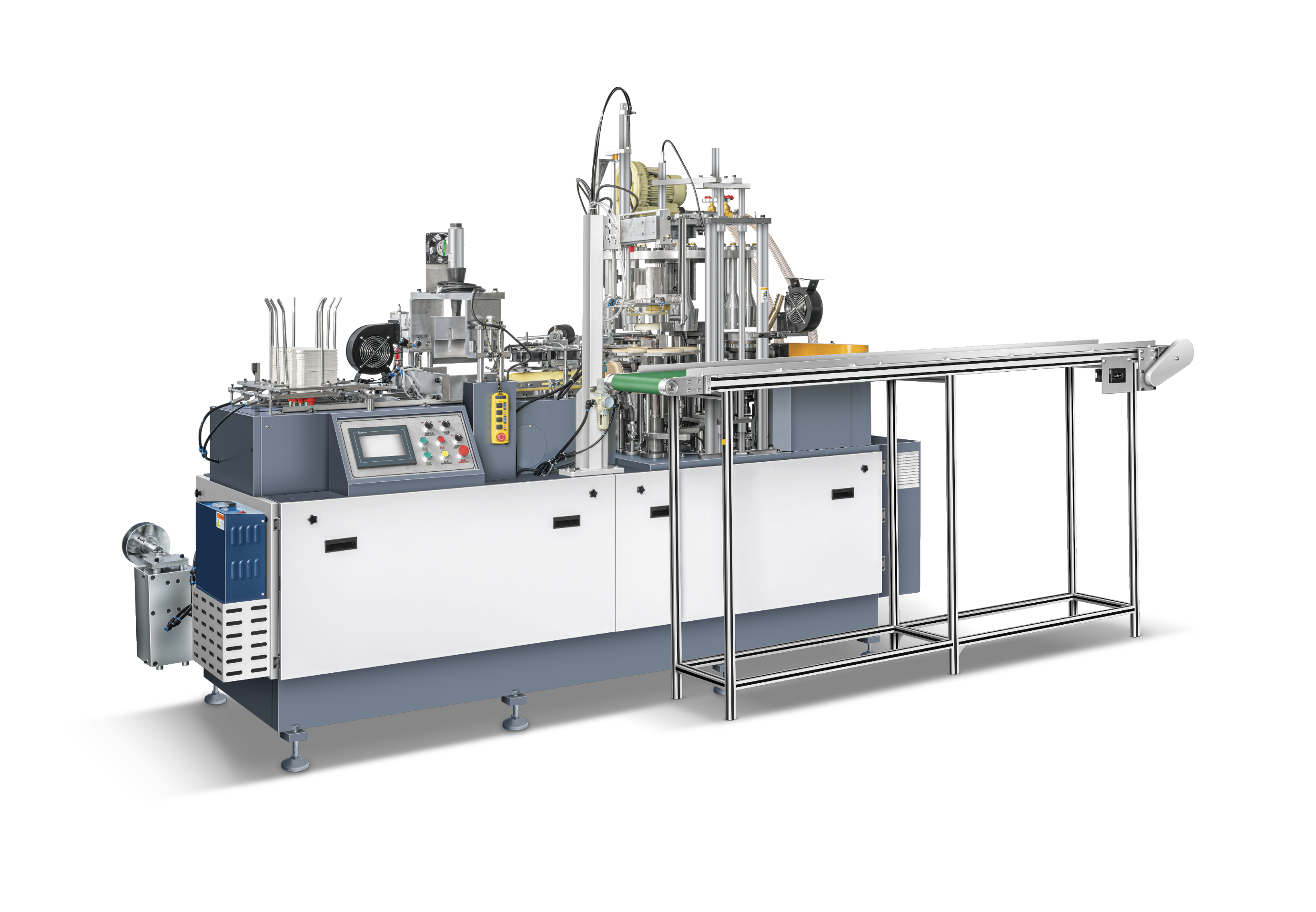
Modern manufacturing demands flexibility and efficiency, particularly in high-volume production environments where product variation is essential to meet diverse market needs. For businesses investing in disposable cup production, one critical question arises: can a paper cup machine support different sizes without requiring complex adjustments? The answer directly impacts production efficiency, operational costs, and the ability to respond quickly to customer demands. Understanding how contemporary paper cup machine technology addresses size variability helps manufacturers make informed capital investment decisions and optimize their production capabilities.
The capability to switch between different cup sizes with minimal downtime represents a significant competitive advantage in the disposable packaging industry. Traditional paper cup machine models often required extensive mechanical reconfiguration, specialized tooling changes, and considerable operator expertise to accommodate different product dimensions. However, advances in automation, servo motor technology, and intelligent control systems have fundamentally transformed this landscape. Today's advanced paper cup machine platforms incorporate modular design principles and digital control interfaces that dramatically simplify the size-change process, reducing what once took hours to a matter of minutes while maintaining consistent production quality across the entire size range.
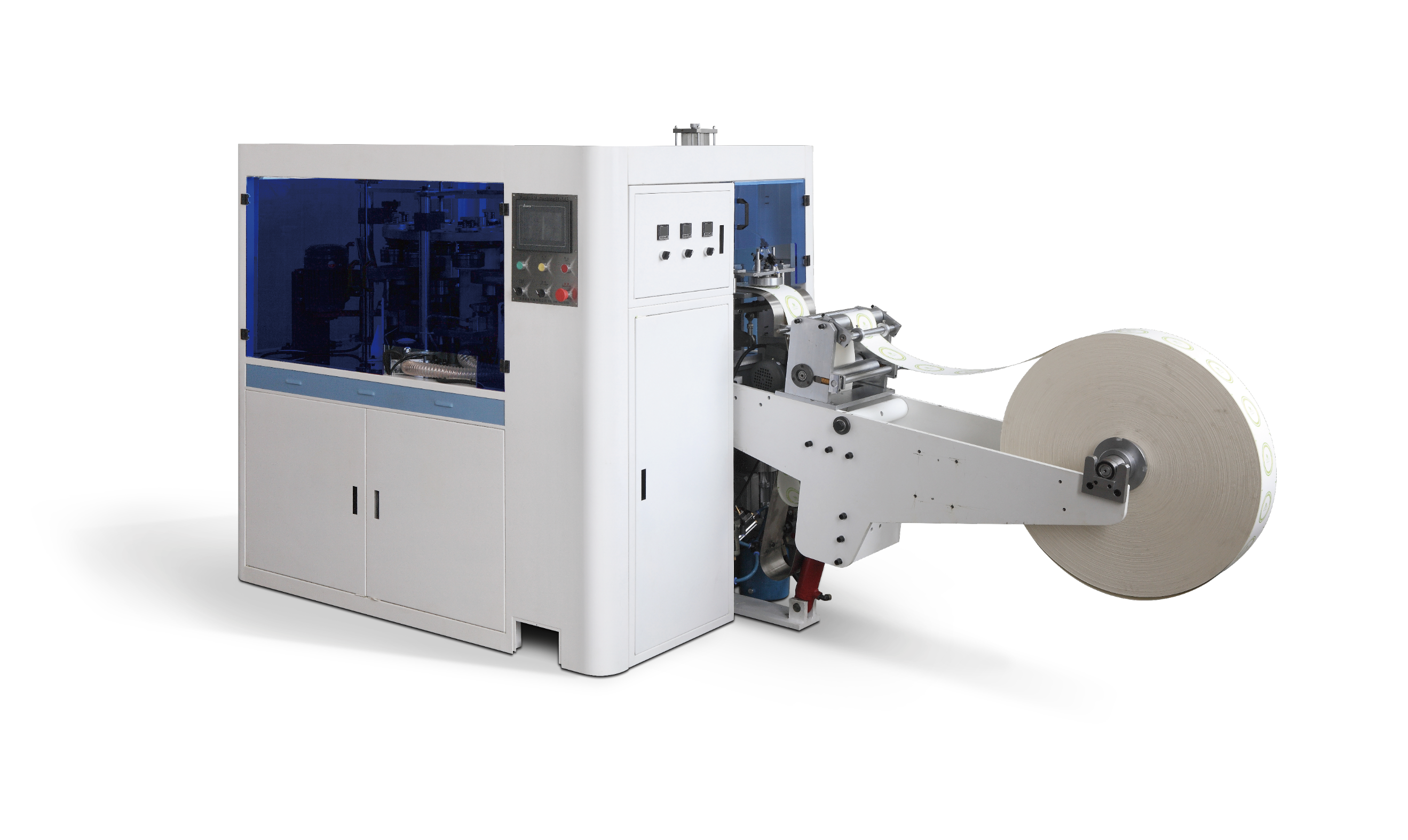
Understanding Size Flexibility in Modern Paper Cup Machine Design
The Engineering Foundation of Multi-Size Capability
The ability of a paper cup machine to handle multiple sizes begins with fundamental engineering decisions made during equipment design. Modern machines incorporate adjustable forming stations where critical components such as heating elements, pressing mechanisms, and curling units can be repositioned through coordinated movements. These adjustments are controlled by precision servo motors that respond to digital commands rather than requiring manual mechanical reconfiguration. The base platform of a versatile paper cup machine features standardized mounting interfaces and modular component arrangements that accommodate different mold sizes without requiring complete disassembly of the production line.
Advanced paper cup machine architectures separate fixed structural elements from adjustable production components. The main frame provides rigid support and houses drive systems, while forming stations incorporate quick-change features that allow mold sets to be swapped efficiently. This separation of fixed and variable elements means that the core mechanical integrity remains constant while production parameters adapt to different cup specifications. Manufacturers designing for size flexibility typically incorporate extra clearance in critical areas, allowing larger molds to be installed without interference while maintaining compact footprints when producing smaller sizes.
The control system architecture plays an equally important role in enabling size flexibility. A sophisticated paper cup machine utilizes programmable logic controllers that store multiple production recipes, each containing specific parameters for different cup sizes including heating temperatures, dwell times, forming pressures, and mechanical positions. When operators initiate a size change, the control system recalls the appropriate recipe and coordinates all necessary adjustments automatically. This digital approach eliminates the guesswork and manual calibration that characterized older equipment generations, ensuring consistent setup accuracy regardless of operator experience levels.
Practical Limitations and Realistic Size Range Expectations
While modern equipment offers impressive flexibility, it remains important to understand practical limitations when evaluating whether a paper cup machine can truly support different sizes without complex adjustments. Most machines are engineered to accommodate a specific size range rather than unlimited variation. For example, a typical mid-range paper cup machine might efficiently handle sizes from four ounces to sixteen ounces without major reconfiguration, but moving outside this range could require more extensive modifications including different heating elements, alternative mold geometries, or adjusted material feed systems.
The degree of adjustment complexity also depends on how dramatically sizes differ. Switching between closely related sizes such as eight-ounce and twelve-ounce cups generally involves minimal changes to critical parameters. However, transitioning from small espresso cups to large beverage containers may require adjustments to paper feeding mechanisms, blank cutting dimensions, and sealing pressure profiles. A well-designed paper cup machine accommodates these changes through its control interface and mechanical adjustability, but operators must still understand that greater size differences naturally demand more comprehensive parameter modifications even when the process remains relatively straightforward.
Material considerations further influence size flexibility capabilities. Different cup sizes often utilize varying paper weights and coating specifications to achieve appropriate structural performance. A paper cup machine optimized for one material thickness may require recalibration of heating profiles and forming pressures when switching to significantly different stock weights. Manufacturers should therefore evaluate their typical product mix when selecting equipment, ensuring the chosen paper cup machine platform can accommodate not only the physical dimensions of desired cup sizes but also the material specifications associated with each product variant.
Technical Features Enabling Quick Size Changes
Servo Motor Integration and Automated Positioning
The integration of servo motor technology represents one of the most significant advances enabling rapid size changes on modern paper cup machine equipment. Unlike conventional mechanical systems that rely on fixed gear ratios and manual adjustments, servo-driven platforms provide precise digital control over critical positioning functions. When initiating a size change on a paper cup machine equipped with servo systems, operators simply select the desired product profile through the control interface, and the machine automatically repositions forming stations, adjusts heating element distances, and modifies curling unit positions to match the new specifications.
This automated positioning eliminates the time-consuming manual measurements and iterative adjustments that characterized older equipment generations. Servo motors provide repeatability measured in fractions of a millimeter, ensuring that each size change reproduces exactly the same machine configuration previously validated for that product. This consistency translates directly into reduced startup waste and faster achievement of stable production quality after size transitions. For manufacturers producing multiple cup sizes daily, the cumulative time savings and waste reduction from servo-enabled quick changes deliver substantial economic benefits that justify the higher initial investment in advanced paper cup machine technology.
Beyond positioning accuracy, servo systems enable synchronized coordination of multiple adjustment points throughout the machine. A typical paper cup machine may require simultaneous repositioning of heating stations, forming dies, knurling wheels, and curling mechanisms when changing sizes. Servo architecture allows all these movements to occur in coordinated sequence according to programmed logic, preventing potential collisions or improper configurations that could damage equipment or compromise product quality. This intelligent coordination means operators can confidently initiate size changes knowing the machine will safely and accurately establish all necessary positions without requiring expert supervision of each individual adjustment.
Quick-Change Tooling Systems and Modular Mold Design
Even with automated positioning capabilities, physical mold changes remain necessary when switching between cup sizes on most paper cup machine platforms. The efficiency of this process depends heavily on tooling design and mounting systems. Advanced machines incorporate quick-change mold mounting systems that use standardized interfaces, allowing operators to remove and install mold sets without specialized tools or extensive disassembly. These systems typically employ cam-lock mechanisms, quick-release clamps, or hydraulic clamping arrangements that secure molds firmly during production while enabling rapid exchange during size changes.
Modular mold design further enhances size-change efficiency by standardizing component interfaces and minimizing the number of parts requiring replacement. Rather than exchanging entire forming assemblies, well-designed paper cup machine tooling systems allow operators to swap only the size-specific elements while leaving common components in place. For example, base plates and mounting hardware may remain constant across different sizes, with only the actual forming cavity and associated trim rings requiring replacement. This modular approach reduces the physical handling required during size changes and decreases the inventory of spare parts manufacturers must maintain to support their product range.
The precision manufacturing of interchangeable tooling components ensures consistent performance across different mold sets. When a paper cup machine utilizes properly engineered quick-change tooling, operators can expect similar production quality regardless of which size is running, because all mold sets are manufactured to identical tolerance standards and interface specifications. This consistency eliminates the common problem of certain sizes running better than others due to variations in tooling quality or mounting precision. Manufacturers evaluating equipment should specifically inquire about tooling interchangeability standards and the availability of complete mold sets for their intended size range.
Operational Procedures for Efficient Size Transitions
Pre-Change Preparation and Production Planning
Achieving truly efficient size changes on a paper cup machine requires more than just capable equipment; it demands systematic operational procedures that prepare both the machine and production materials in advance. Successful manufacturers develop standardized size-change protocols that operators follow consistently, minimizing variability in changeover times and ensuring nothing is overlooked during transitions. These procedures begin before the current production run concludes, with operators verifying that all necessary components for the next size are available, inspected, and staged near the machine for immediate installation.
Material preparation represents a critical but often underestimated aspect of size-change readiness. Different cup sizes require different paper blank dimensions, and having the correct material properly loaded and threaded through feed systems before initiating machine adjustments significantly reduces total changeover time. Organized manufacturers maintain clear labeling systems for paper stock corresponding to different cup sizes and establish procedures ensuring material handling teams deliver the correct specifications to each paper cup machine in advance of scheduled size changes. This coordination between production planning and material logistics prevents situations where machines stand idle waiting for correct paper stock after mechanical adjustments are complete.
Documentation and training support efficient size-change execution. Each cup size should have an associated setup specification sheet detailing critical parameters including mold identification numbers, material specifications, key machine settings, and quality checkpoints. Operators reference these documents during size changes to verify correct configuration and capture any adjustments made during setup optimization. Over time, this documented approach builds institutional knowledge about each product variant, enabling continuous improvement in changeover efficiency. Well-managed paper cup machine operations treat size-change procedures as standardized work processes subject to the same rigor applied to other aspects of manufacturing excellence.
Step-by-Step Size Change Execution
The actual mechanical process of changing sizes on a modern paper cup machine typically follows a logical sequence designed to minimize downtime while ensuring safe and correct configuration. The process begins with controlled shutdown of the current production run, allowing the machine to complete its cycle and ensuring no partially formed cups remain in forming stations. Operators then access the control interface to select the new product profile, which prompts the machine to move critical components to positions facilitating safe mold access. This automated positioning creates the necessary clearances for operators to safely reach tooling mounting points without risk of interference from machine components.
With the machine in its change position, operators remove the current mold set following the quick-change procedures specific to their paper cup machine model. This typically involves releasing clamps or actuating quick-release mechanisms, then carefully extracting molds from their mounting positions. Proper handling techniques prevent damage to precision mold surfaces that directly affect cup quality. Once removed, molds are placed in designated storage locations where they remain protected until needed again. Operators then install the mold set corresponding to the new cup size, ensuring proper seating in mounting interfaces and secure clamping before proceeding. Visual and physical verification checks confirm correct mold installation before returning the machine to automatic control.
After mold installation, operators confirm the new product selection in the control system, which initiates automatic repositioning of all servo-controlled components to their programmed positions for the new size. During this automated sequence, the paper cup machine adjusts heating element spacing, forming station positions, and finishing unit locations according to the stored recipe for the selected cup size. Once positioning completes, operators load the appropriate paper stock and thread material through feed rollers and guide systems. The machine then enters a startup sequence producing initial cups that operators inspect against quality standards. Minor adjustments to heating temperatures or forming pressures may be made through the control interface based on initial cup characteristics, with the refined parameters saved to the product recipe for future production runs.
Quality Verification and Production Optimization
Efficient size changes extend beyond mechanical reconfiguration to include systematic quality verification ensuring the paper cup machine produces conforming products immediately after transition. Structured startup procedures define specific checkpoints operators evaluate on initial cups including dimensional accuracy, seam integrity, rim curl consistency, and overall appearance. These quality gates prevent extended runs of non-conforming product that waste material and require costly rework. Advanced operations establish quantitative acceptance criteria for each checkpoint, removing subjective judgment and ensuring consistent quality standards regardless of which operator performs the size change.
Modern paper cup machine control systems support quality verification through automated monitoring capabilities that track key process variables during startup. Temperature sensors confirm heating elements reach target values, pressure transducers verify forming forces fall within specified ranges, and position encoders validate mechanical settings match programmed values. This real-time monitoring alerts operators to any deviations from expected parameters before quality problems manifest in finished cups. Some advanced systems incorporate vision inspection capabilities that automatically measure cup dimensions and identify visual defects, providing objective quality data that accelerates startup optimization and builds confidence in production readiness.
Continuous improvement methodologies applied to size-change operations systematically reduce transition times and startup waste over time. By tracking changeover duration and first-piece acceptance rates across multiple transitions, manufacturers identify opportunities for procedural refinement or equipment enhancement. Perhaps certain mold sets consistently require minor parameter adjustments after installation, suggesting opportunities for improved tooling design or revised setup specifications. Or specific operator teams may achieve notably faster changeovers, indicating best practices worth standardizing across all shifts. This data-driven approach to paper cup machine size-change optimization treats flexibility as a competitive capability worthy of ongoing investment rather than simply an operational necessity to be managed.
Comparing Flexibility Across Different Machine Categories
Entry-Level Versus Advanced Machine Capabilities
The paper cup machine market encompasses a broad spectrum of equipment sophistication, with size-change capabilities varying significantly across different machine categories. Entry-level machines typically support size changes through manual adjustments of mechanical components including heating plate positions, forming die heights, and curling unit settings. Operators reference setup charts and use hand tools to establish correct positions for different cup sizes, a process that may require thirty minutes to several hours depending on how dramatically sizes differ and operator skill levels. These machines generally lack servo positioning systems and rely on mechanical stops or graduated scales to guide manual adjustments.
Mid-range paper cup machine platforms introduce partial automation of size-change functions while maintaining manual elements for certain adjustments. These machines might incorporate motorized positioning for major components while still requiring manual mold changes and parameter entry through basic control interfaces. The combination of automated and manual elements reduces overall changeover time compared to fully manual equipment while keeping acquisition costs below premium fully-automated platforms. Manufacturers producing moderate product variety at medium volumes often find mid-range machines offer an appropriate balance between flexibility and investment efficiency.
Premium paper cup machine systems represent the current state of the art in size-change flexibility, incorporating comprehensive servo automation, sophisticated control systems with extensive recipe storage, and advanced quick-change tooling designs. These machines can complete size transitions in fifteen minutes or less for typical size changes within their design range, with the majority of that time spent on physical mold exchanges rather than machine adjustment. The control systems on premium equipment not only automate positioning but also guide operators through size-change procedures via interactive displays, reducing training requirements and ensuring consistent execution. For high-mix production environments where size changes occur multiple times daily, the productivity advantages of premium equipment typically justify the higher capital investment through reduced downtime and labor costs.
Specialized Machines for Specific Size Ranges
An alternative approach to multi-size flexibility involves deploying specialized paper cup machine units optimized for specific size ranges rather than attempting to cover all sizes on a single platform. Some manufacturers operate dedicated small-cup machines for espresso and sampling sizes alongside separate medium-cup machines for standard beverage sizes and large-cup machines for jumbo containers. This specialization strategy eliminates size-change downtime entirely for the most frequently produced sizes while concentrating flexibility requirements on a smaller number of machines handling less common sizes or serving as backup capacity.
The economics of size-range specialization depend on production volumes and product mix stability. Operations producing millions of cups monthly in just two or three standard sizes may find dedicated machines more cost-effective than investing in highly flexible platforms, since changeover time becomes irrelevant when machines run the same size continuously. Conversely, manufacturers serving diverse customers with frequently changing order specifications benefit more from flexible general-purpose machines that adapt quickly to shifting demand patterns. The optimal strategy often combines both approaches, with dedicated capacity for high-runner sizes supplemented by flexible paper cup machine units handling variety and providing surge capacity.
Technical considerations also influence specialization decisions. Machines optimized for small cup sizes can operate at higher speeds than general-purpose platforms because component movements are minimized and cycle times shortened. Similarly, large-cup specialists incorporate heavier structural elements and more powerful heating systems than would be practical in a machine attempting to serve all sizes. Manufacturers developing their capacity strategy should analyze their specific product mix and volume projections to determine whether the efficiency gains from specialization outweigh the flexibility advantages of general-purpose equipment. In many cases, a hybrid approach utilizing both specialized and flexible paper cup machine platforms optimizes overall operational efficiency.
Cost-Benefit Analysis of Size-Change Flexibility
Quantifying Flexibility Value in Production Economics
The economic value of efficient size-change capability in a paper cup machine can be quantified through systematic analysis of how flexibility impacts operational costs and revenue opportunities. Direct costs include downtime during size changes, startup waste during quality stabilization, and labor hours required to execute transitions. A machine requiring two hours for size changes and producing six size transitions weekly experiences twelve hours of unproductive time, representing significant capacity loss. If that same paper cup machine operates sixteen hours daily, the changeover time consumes nearly ten percent of available production capacity, directly reducing output and revenue potential.
Startup waste represents another quantifiable cost component influenced by size-change efficiency. Less capable machines may require producing and discarding fifty to several hundred cups before achieving stable quality after each size change, while advanced equipment with precise automated setup might reach quality targets within twenty cups. At typical material costs, this waste difference translates to meaningful economic impact across multiple daily changeovers. Additionally, the labor efficiency difference between manual and automated size-change procedures affects operational costs, with automated systems requiring less skilled labor and enabling operators to focus on quality monitoring and process optimization rather than mechanical adjustments.
Revenue considerations extend beyond direct cost savings to include market responsiveness and customer service capabilities. A paper cup machine supporting rapid size changes enables manufacturers to accept smaller order quantities economically and respond quickly to urgent customer requests, potentially capturing business that would otherwise go to more flexible competitors. This capability becomes particularly valuable in markets characterized by seasonal demand fluctuations, promotional campaigns requiring special sizes, or customers testing new product concepts with limited initial volumes. The ability to efficiently produce small batches across diverse sizes without prohibitive setup costs expands addressable market opportunities and strengthens customer relationships through superior service responsiveness.
Investment Considerations for Different Business Models
The appropriate level of investment in paper cup machine flexibility depends on specific business models and market positioning. Contract manufacturers serving diverse customers with varying size requirements derive maximum value from highly flexible equipment that minimizes changeover friction and supports efficient small-batch production. For these operations, premium machines with advanced quick-change capabilities represent strategic investments that directly enable their business model. The incremental cost of sophisticated flexibility features is justified by the expanded customer base and order types the equipment supports.
Brand owners producing private-label cups for internal use or controlled distribution channels face different economic considerations. If their product line consists of three standard sizes produced in large volumes with infrequent changes, investing in maximum flexibility capabilities may be difficult to justify economically. These operations might achieve better return on capital by selecting mid-range paper cup machine platforms with adequate but not exceptional size-change capabilities, directing cost savings toward additional machine capacity or complementary automation in downstream processes such as packaging and palletizing.
Growth trajectory and future flexibility requirements should inform investment decisions even when current production patterns suggest limited need for sophisticated size-change capabilities. A paper cup machine represents a long-term capital commitment typically depreciated over seven to ten years, during which market conditions and customer requirements may evolve substantially. Selecting equipment with greater flexibility than immediately required provides strategic options to pursue new market opportunities as they emerge without requiring premature capital replacement. This forward-looking approach balances current economic optimization against future strategic positioning, recognizing that manufacturing capabilities either enable or constrain business development opportunities over equipment lifecycles.
FAQ
How long does a typical size change take on a modern paper cup machine?
On advanced paper cup machine equipment with servo-driven automation and quick-change tooling systems, typical size changes between cups within the machine's design range require approximately fifteen to thirty minutes including mold exchange, automated positioning, material changeover, and initial quality verification. This timeframe assumes operators follow established procedures and all necessary components are prepared in advance. Entry-level machines relying on manual adjustments may require one to three hours for comparable size changes depending on operator experience and how significantly the new size differs from the previous production run. The specific duration varies based on equipment sophistication, the magnitude of size difference, and operational procedures, but modern automated systems have dramatically reduced changeover times compared to older manual platforms.
Can one paper cup machine produce both small espresso cups and large beverage containers?
Most paper cup machine platforms are engineered to accommodate a specific size range rather than unlimited variation, and the span from small espresso cups to large beverage containers often exceeds what a single general-purpose machine can efficiently handle. Machines designed for small specialty cups typically cover ranges from two to eight ounces, while equipment optimized for standard beverage sizes might span six to twenty ounces. Attempting to produce extremely small and extremely large sizes on the same platform generally requires extensive reconfiguration beyond simple mold changes, potentially including different heating elements, modified material feed systems, and alternative drive configurations. Manufacturers requiring both size extremes typically achieve better results operating specialized machines optimized for each size category rather than attempting to cover the full range on a single platform, though some premium flexible systems can accommodate broader size spans with appropriate tooling investments.
What determines the size range a paper cup machine can handle efficiently?
The efficient size range of a paper cup machine is determined by several integrated design factors including the physical envelope of the forming station, the adjustment range of heating and forming components, the power capacity of heating systems relative to different cup sizes, and the material handling capabilities of feed mechanisms. Machines designed with larger physical clearances and more powerful heating elements can accommodate bigger cups but may sacrifice speed efficiency when producing smaller sizes. The control system's ability to store and execute different parameter sets for various sizes also influences practical flexibility. Most manufacturers specify a recommended size range for each machine model representing the span across which the equipment delivers optimal performance without requiring component changes beyond standard mold sets. Operating outside this range remains technically possible but typically involves compromises in production speed, quality consistency, or setup complexity that reduce economic efficiency.
Do automated size-change features require specialized operator training?
Modern paper cup machine equipment with automated size-change capabilities generally requires less specialized operator training than older manual systems, despite incorporating more sophisticated technology. Advanced machines guide operators through size-change procedures via interactive control displays that prompt each step and verify correct execution before allowing progression to subsequent stages. This structured approach reduces reliance on operator memory and experience while ensuring consistent procedure execution across different personnel. Initial training for automated systems typically focuses on understanding the control interface, proper mold handling techniques, and quality verification procedures rather than developing expertise in manual mechanical adjustments. Most operators become proficient in executing automated size changes within several days of structured training, compared to weeks or months required to develop competence with fully manual systems. However, maintenance personnel supporting automated equipment do require more sophisticated technical knowledge to troubleshoot servo systems and programmable controls compared to simpler mechanical platforms.
Table of Contents
- Understanding Size Flexibility in Modern Paper Cup Machine Design
- Technical Features Enabling Quick Size Changes
- Operational Procedures for Efficient Size Transitions
- Comparing Flexibility Across Different Machine Categories
- Cost-Benefit Analysis of Size-Change Flexibility
-
FAQ
- How long does a typical size change take on a modern paper cup machine?
- Can one paper cup machine produce both small espresso cups and large beverage containers?
- What determines the size range a paper cup machine can handle efficiently?
- Do automated size-change features require specialized operator training?