
 EN
EN



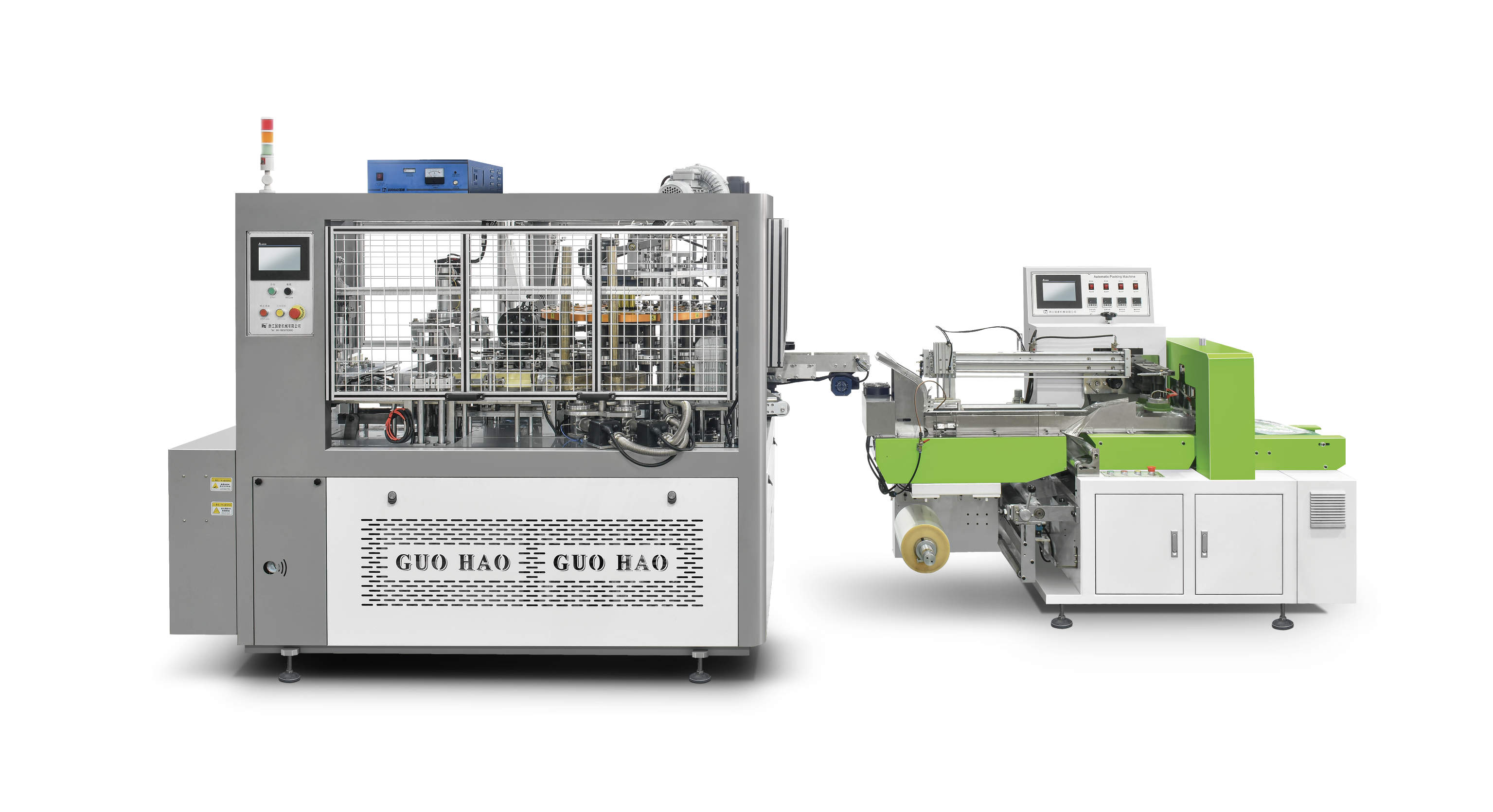
Investing in a paper cup machine represents a significant capital commitment for any factory or manufacturing facility. This decision involves evaluating multiple operational, financial, and technical considerations that directly impact production efficiency, product quality, and long-term profitability. Understanding the critical factors before purchasing equipment ensures that factories make informed decisions aligned with their business objectives, production capacity requirements, and market positioning strategies.
The paper cup manufacturing industry continues to grow as environmental concerns drive consumers away from plastic alternatives, making factory investment in specialized equipment increasingly attractive. However, the complexity of modern paper cup machines, combined with varying production requirements across different market segments, demands careful analysis of technical specifications, operational compatibility, and financial viability. Factories must assess their current capabilities, future growth projections, and specific product portfolio needs to determine which machine characteristics will deliver optimal return on investment while maintaining competitive manufacturing standards.
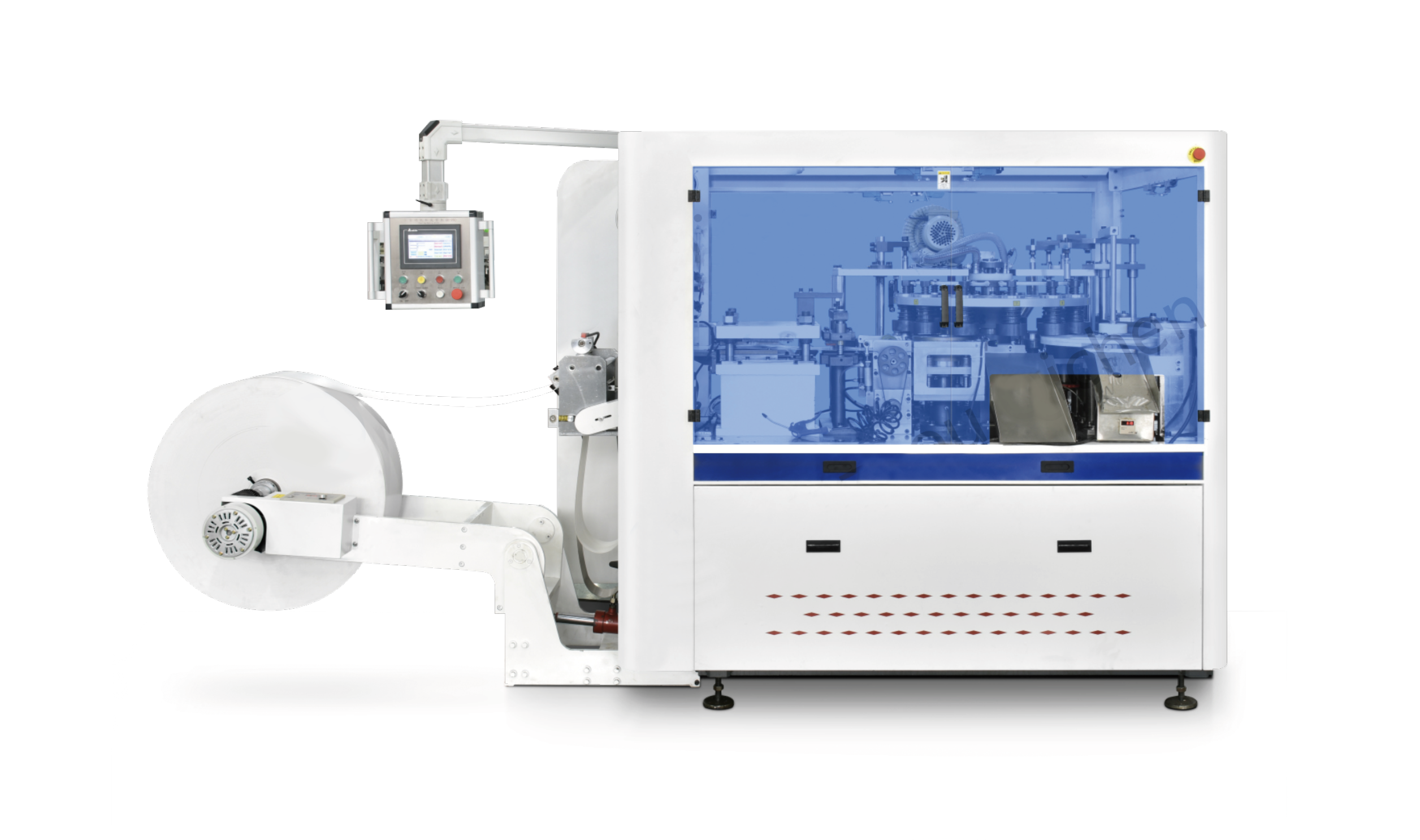
Production Capacity and Output Requirements
Analyzing Current and Projected Demand Volumes
The production capacity of a paper cup machine fundamentally determines its suitability for a factory's operational needs. Manufacturers must evaluate their current order volumes, existing customer contracts, and realistic growth projections over the next three to five years. A paper cup machine with insufficient capacity creates production bottlenecks that limit business expansion, while excessive capacity leads to underutilized assets and poor capital efficiency. Factories should calculate their baseline production requirements in cups per minute, then factor in seasonal demand fluctuations, potential new client acquisitions, and market expansion plans.
Different machine models offer varying speed capabilities, typically ranging from 60 to 150 cups per minute for standard configurations. High-speed paper cup machines can produce upward of 200 cups per minute, making them suitable for large-scale operations serving major food service chains or beverage distributors. Factories must match machine speed specifications with their distribution network capacity, raw material supply chain capabilities, and labor resource availability to ensure balanced production flow throughout the manufacturing process.
Shift Patterns and Operational Hours
Production scheduling significantly influences the appropriate paper cup machine selection. Factories operating single-shift patterns have different capacity needs compared to facilities running continuous three-shift operations. The cumulative production output over typical working hours determines whether a moderate-speed machine running extended hours might better serve operational needs than a high-speed unit with shorter runtime. This analysis should include maintenance downtime, changeover periods between different cup sizes, and realistic efficiency rates rather than theoretical maximum output figures.
Understanding shift patterns also impacts machine durability requirements and maintenance scheduling. Continuous operation demands more robust mechanical components, superior heat dissipation systems, and automated monitoring capabilities that detect potential failures before they cause extended downtime. Factories must evaluate whether their maintenance teams possess the technical expertise to support intensive operational schedules or if they require machines with simplified service requirements and longer intervals between major maintenance interventions.
Technical Specifications and Product Compatibility
Cup Size Range and Product Versatility
The range of cup sizes a paper cup machine can produce directly affects a factory's product portfolio flexibility and market responsiveness. Most manufacturers serve diverse customer segments requiring different cup volumes, from small espresso cups to large beverage containers. A versatile paper cup machine capable of producing multiple size configurations without extensive retooling reduces changeover time and enables factories to respond quickly to shifting market demands. Factories should inventory their current and anticipated product specifications, including cup heights, top diameters, bottom diameters, and wall angles.
Some paper cup machines offer quick-change tooling systems that facilitate rapid transitions between different cup sizes, while others require more extensive mechanical adjustments. The frequency of size changes in typical production schedules should guide this evaluation. Factories producing primarily standard sizes with occasional custom orders have different needs than operations serving multiple market segments with frequent production switches. Additionally, specialized cup designs such as double-wall configurations, embossed patterns, or unique rim formations may require specific machine capabilities or optional attachments that affect initial investment costs.
Raw Material Compatibility and Quality Standards
Paper cup machines exhibit varying tolerance levels for different paperboard substrates, coating materials, and basis weights. Factories must ensure their chosen equipment accommodates the specific raw materials they intend to use, whether single-PE coated paperboard, double-sided coatings, or biodegradable alternative materials. The machine's forming mechanism, heat sealing systems, and quality control sensors must function reliably with the selected material specifications to maintain consistent product quality and minimize waste rates during production runs.
Material compatibility extends beyond basic functionality to include optimization of processing parameters. A well-matched paper cup machine enables factories to minimize material consumption through precise cutting patterns, optimize sealing temperatures to prevent coating degradation, and maintain structural integrity across varying environmental conditions. Factories should request sample production runs using their intended raw materials before finalizing equipment purchases, verifying that the machine delivers acceptable quality standards, waste percentages, and production efficiency with their specific supply chain materials.
Financial Investment and Return Analysis
Initial Capital Expenditure and Financing Options
The purchase price of a paper cup machine represents only one component of the total financial commitment. Factories must budget for installation costs, facility modifications to accommodate the equipment, electrical infrastructure upgrades, compressed air systems, and initial tooling sets for planned cup sizes. Additional expenditures include operator training programs, spare parts inventory, quality testing equipment, and potential production line integration costs if the machine connects with existing printing, packaging, or material handling systems.
Understanding the complete financial picture enables accurate return on investment calculations and appropriate financing structure decisions. Some factories prefer outright equipment purchases to maximize long-term cost efficiency, while others utilize leasing arrangements, equipment financing, or performance-based payment structures that align cash outflows with revenue generation from the new production capacity. The financial analysis should incorporate tax implications, depreciation schedules, and opportunity costs of capital to determine the most advantageous investment approach for the specific business situation.
Operational Cost Projections and Profitability Metrics
Beyond initial acquisition costs, factories must project ongoing operational expenses associated with paper cup machine ownership. Energy consumption represents a significant recurring cost, varying substantially between different machine designs and efficiency ratings. Modern equipment often incorporates energy-saving features such as servo motors, optimized heating systems, and intelligent power management that reduce electricity costs compared to older mechanical designs. Factories should request detailed power consumption specifications across different operating modes and production speeds to accurately forecast energy expenses.
Labor requirements constitute another major operational cost factor. Highly automated paper cup machines reduce direct labor needs but may require more skilled technical personnel for programming, maintenance, and quality oversight. Factories must evaluate their existing workforce capabilities and determine whether the selected equipment matches available skill levels or necessitates additional training investments and potentially higher wage costs. Maintenance expenses, including scheduled preventive maintenance, replacement parts, lubricants, and periodic overhauls, should be projected based on manufacturer specifications and verified through discussions with existing equipment users in similar operational contexts.
After-Sales Support and Maintenance Considerations
Supplier Service Network and Technical Support
The quality and accessibility of after-sales support significantly impact the long-term performance and reliability of a paper cup machine investment. Factories should thoroughly investigate the supplier's service infrastructure, including local service centers, response time commitments for technical support requests, availability of field service technicians, and remote diagnostic capabilities. Equipment downtime directly translates to lost production revenue, making responsive technical support essential for maintaining operational continuity and meeting customer delivery commitments.
Evaluating the supplier's technical support capabilities should include verification of their documentation quality, availability of detailed operation manuals, troubleshooting guides, and maintenance procedures in appropriate languages. Access to training resources, whether through on-site instruction, video tutorials, or online learning platforms, enables factory personnel to develop competency in routine operations and basic troubleshooting. Factories operating in regions distant from equipment manufacturers should place particular emphasis on local support availability or ensure their maintenance teams receive comprehensive training to handle most service requirements independently.
Spare Parts Availability and Supply Chain Reliability
Consistent access to genuine replacement parts determines a paper cup machine's long-term maintainability and operational reliability. Factories must assess the supplier's spare parts inventory systems, typical lead times for common replacement components, and pricing structures for wear items versus major assemblies. Establishing relationships with suppliers who maintain regional parts distribution centers reduces emergency shipping costs and minimizes downtime when critical components require replacement outside scheduled maintenance windows.
Understanding parts standardization and component interchangeability provides additional risk mitigation. Some paper cup machine manufacturers utilize proprietary components requiring exclusive sourcing, while others incorporate standard industrial components available through multiple supply channels. Factories should evaluate whether the machine design allows substitution of critical wear items with equivalent components from alternative suppliers, providing supply chain flexibility and potentially reducing long-term operating costs. Creating an appropriate spare parts inventory strategy balances carrying costs against downtime risk, typically focusing on high-wear items, components with long replacement lead times, and parts with historical failure patterns.
Facility Integration and Operational Compatibility
Physical Space Requirements and Factory Layout
Successful paper cup machine integration requires adequate floor space not only for the equipment itself but also for material storage, operator access, maintenance clearances, and auxiliary systems. Factories must carefully measure available production floor area and compare it against manufacturer specifications for machine footprint, material feed systems, finished product discharge zones, and required safety clearances. The physical layout should facilitate efficient material flow from raw paperboard storage through the production process to finished goods packaging and warehousing.
Consideration of ceiling heights, floor load capacities, and structural support requirements prevents costly facility modifications after equipment selection. Some paper cup machines incorporate elevated material feeding systems or overhead discharge conveyors that require specific vertical clearances. Foundation requirements vary based on machine mass, operating vibration characteristics, and precision alignment needs, with some installations requiring reinforced concrete pads or vibration isolation systems to maintain optimal performance and prevent premature mechanical wear from structural movement or deflection.
Utility Infrastructure and Environmental Controls
Paper cup machines require specific utility connections including electrical power at appropriate voltages and phases, compressed air at defined pressure and volume specifications, and sometimes cooling water or climate control systems. Factories must verify their existing infrastructure capacity and determine whether upgrades are necessary to support the new equipment. Electrical service evaluations should confirm adequate supply capacity, appropriate circuit protection, and power quality characteristics that meet machine requirements, as voltage fluctuations or harmonic distortion can damage sensitive electronic controls and automation systems.
Environmental conditions within the production facility affect paper cup machine performance and product quality. Temperature and humidity levels influence paperboard handling characteristics, coating adhesion, and heat sealing effectiveness. Factories located in regions with extreme climatic conditions or significant seasonal variations may require environmental control systems to maintain consistent production parameters year-round. Adequate ventilation systems remove heat generated by forming and sealing operations while maintaining air quality standards for worker safety and comfort in the production environment.
Quality Control and Compliance Requirements
Product Quality Standards and Testing Capabilities
The quality consistency delivered by a paper cup machine directly impacts customer satisfaction, regulatory compliance, and brand reputation. Factories must evaluate the inspection and quality control features integrated into different equipment options, including automated dimensional verification systems, leak detection mechanisms, visual inspection capabilities, and process monitoring sensors. Advanced paper cup machines incorporate vision systems that detect printing defects, improper sealing, rim irregularities, and other quality issues, automatically rejecting non-conforming products before they enter finished goods inventory.
Beyond automated quality control, factories should assess the machine's process stability and repeatability across extended production runs. Consistent cup formation, uniform wall thickness, reliable bottom and side seam integrity, and precise dimensional control indicate superior mechanical design and manufacturing quality. Requesting production samples from prospective equipment, conducting independent testing of those samples against relevant quality standards, and visiting existing installations to observe actual production quality provide valuable validation of manufacturer claims and equipment capabilities.
Regulatory Compliance and Safety Features
Paper cup machines must comply with relevant safety regulations, electrical standards, and machinery directives applicable in the factory's operating jurisdiction. Factories should verify that prospective equipment includes appropriate safety guarding, emergency stop systems, lockout-tagout provisions, and operator protection features meeting local regulatory requirements. Compliance documentation, including CE marking for European markets, UL certification for North American installations, or other regional safety certifications, provides assurance that the equipment meets established safety standards and reduces liability exposure.
Food contact compliance represents another critical consideration when the paper cup machine produces containers for food and beverage applications. Equipment materials, lubricants, and process designs must avoid contamination risks and comply with food safety regulations in target markets. Factories serving international customers should ensure their paper cup machine selection supports compliance with varying regulatory frameworks across different regions, including FDA requirements in the United States, EU food contact regulations, and standards in other key export markets where their products will be distributed.
FAQ
How long does it typically take to achieve return on investment for a paper cup machine?
The payback period for a paper cup machine investment varies significantly based on production volume, product pricing, operational efficiency, and market conditions, but typically ranges from 18 months to 4 years. Factories operating at high capacity utilization with established customer bases generally achieve faster returns, while operations building market presence or operating below optimal capacity may experience longer payback periods. Accurate financial modeling incorporating realistic production volumes, material costs, labor expenses, and competitive pricing dynamics provides the most reliable investment timeline projections for specific business situations.
What technical expertise do factory staff need to operate a paper cup machine effectively?
Operating a modern paper cup machine requires mechanical aptitude, basic understanding of automated systems, and ability to perform routine adjustments and quality checks, though specific skill requirements vary by equipment complexity. Most manufacturers provide comprehensive training programs that enable operators with general manufacturing experience to achieve proficiency within several weeks. However, maintenance personnel should possess stronger technical capabilities including mechanical troubleshooting, electrical system knowledge, and ideally some programmable logic controller familiarity to address technical issues and perform preventive maintenance procedures that maximize equipment reliability and minimize production disruptions.
Can a paper cup machine produce both hot and cold beverage cups or are different machines required?
Most modern paper cup machines can produce containers suitable for both hot and cold beverages, with the primary distinction being the paperboard substrate and coating specifications rather than machine configuration. Hot cup production typically uses heavier basis weight paperboard with insulating properties and heat-resistant coatings, while cold cups may use lighter materials with moisture barrier coatings. The same machine can process these different materials provided it accommodates the varying paperboard thicknesses and the forming parameters are adjusted appropriately. However, specialized applications like double-wall hot cups or cups with unique structural features may require specific tooling or machine capabilities beyond standard equipment configurations.
What are the most common causes of production downtime with paper cup machines and how can factories minimize them?
The most frequent causes of paper cup machine downtime include material feed issues, worn cutting or forming components, heat sealing system problems, and sensor malfunctions. Factories can significantly reduce unplanned stoppages through rigorous preventive maintenance schedules, maintaining proper spare parts inventory, training operators to recognize early warning signs of mechanical issues, and implementing quality raw material specifications that prevent feeding problems. Regular inspection of high-wear components such as cutting knives, forming dies, and heating elements, combined with timely replacement before failure occurs, transforms potential emergency repairs into planned maintenance activities that minimize production impact and extend overall equipment reliability.
Table of Contents
- Production Capacity and Output Requirements
- Technical Specifications and Product Compatibility
- Financial Investment and Return Analysis
- After-Sales Support and Maintenance Considerations
- Facility Integration and Operational Compatibility
- Quality Control and Compliance Requirements
-
FAQ
- How long does it typically take to achieve return on investment for a paper cup machine?
- What technical expertise do factory staff need to operate a paper cup machine effectively?
- Can a paper cup machine produce both hot and cold beverage cups or are different machines required?
- What are the most common causes of production downtime with paper cup machines and how can factories minimize them?