
 EN
EN



Energy efficiency has become a critical consideration for manufacturers operating continuous production lines, particularly in the disposable packaging industry. As environmental regulations tighten and electricity costs continue to rise, businesses investing in production equipment must carefully evaluate the operational costs associated with running machinery around the clock. For manufacturers considering automated disposable cup production, understanding whether a paper cup machine delivers energy efficiency during extended manufacturing cycles is essential for both profitability and sustainability goals.
The answer is yes, modern paper cup machines are designed with energy efficiency in mind for continuous manufacturing operations, though actual performance depends heavily on machine design, operational parameters, and maintenance practices. Advanced models incorporate servo-driven systems, intelligent heating controls, and optimized mechanical designs that significantly reduce power consumption compared to older hydraulic or pneumatic systems. However, achieving optimal energy efficiency requires proper machine selection, correct operational settings, and adherence to manufacturer-recommended maintenance schedules to ensure the equipment performs at peak efficiency throughout extended production runs.
Understanding Energy Consumption Patterns in Continuous Paper Cup Production
Primary Energy-Consuming Components in Paper Cup Manufacturing Equipment
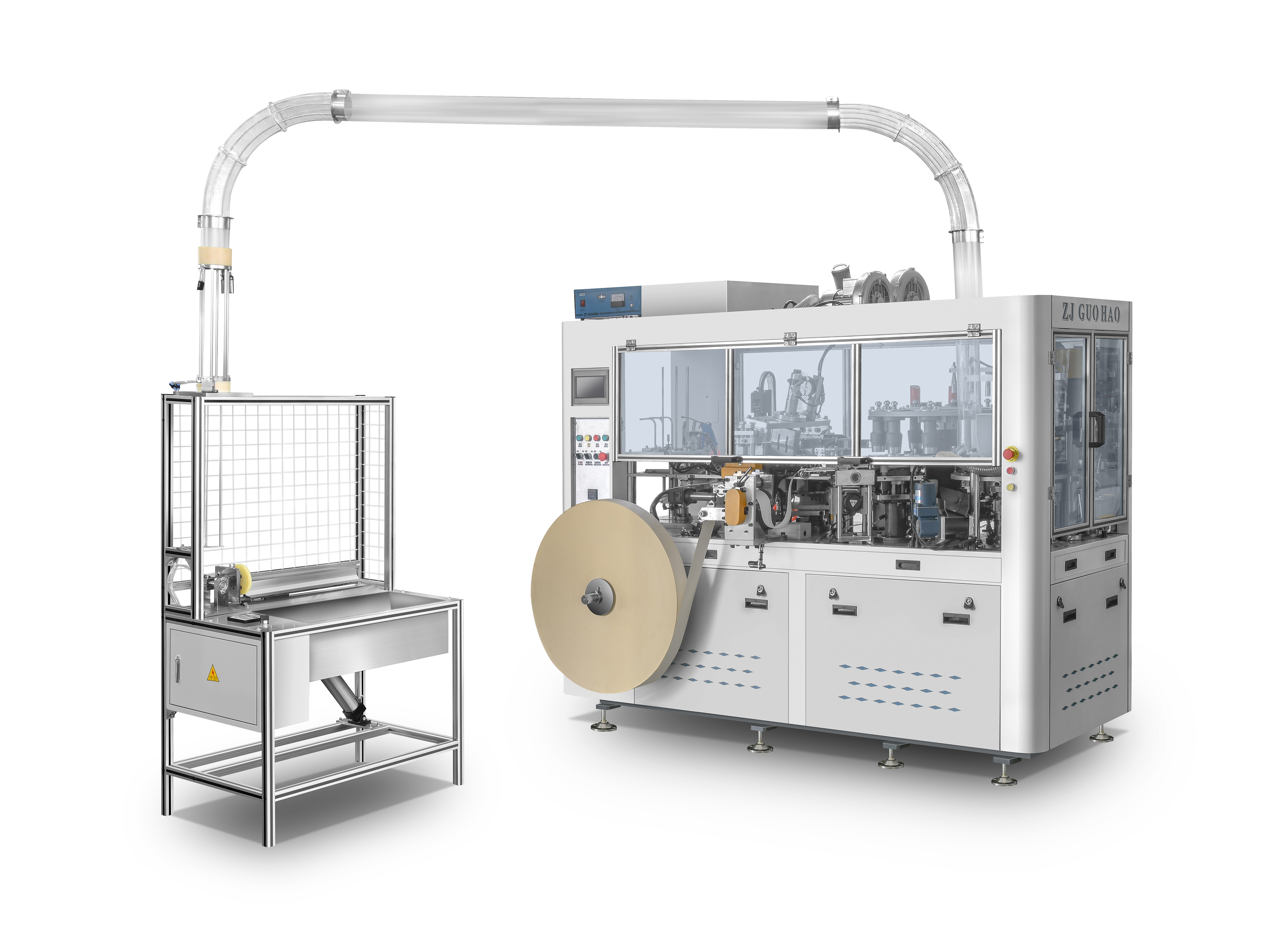
A paper cup machine comprises several subsystems that draw electrical power during operation, with each component contributing differently to overall energy consumption. The heating system, responsible for sealing cup seams and bottoms, typically represents the largest single energy draw, requiring consistent temperature maintenance between 180°C and 220°C throughout production cycles. Servo motors that drive paper feeding, cup forming, and mechanical actions constitute the second major consumption category, though modern servo technology has dramatically improved efficiency compared to traditional motor systems.
The ultrasonic sealing units used in some premium paper cup machine models consume additional power but often deliver superior energy efficiency compared to conventional hot air systems by applying localized energy precisely where needed. Pneumatic systems for cup ejection and quality control mechanisms add incremental consumption, while the machine control system and sensors maintain relatively minimal but constant power draw. Understanding these consumption patterns helps manufacturers identify which operational adjustments will yield the greatest energy savings during continuous production.
How Operating Speed Affects Energy Efficiency Metrics
The relationship between production speed and energy consumption in a paper cup machine is not linear, creating important implications for continuous manufacturing strategies. Most machines demonstrate optimal energy efficiency within a specific speed range, typically between seventy and ninety percent of maximum rated capacity, where mechanical systems operate smoothly without excessive friction or stress. Running below this optimal range increases energy consumption per unit produced because fixed costs like heating system maintenance and control system operation are spread across fewer cups.
Conversely, operating at maximum speed may reduce per-unit energy costs initially but often leads to increased waste rates, higher mechanical wear, and potential quality issues that ultimately diminish overall efficiency. For continuous manufacturing operations, maintaining consistent speed within the optimal efficiency window proves more economical than cycling between high-speed bursts and idle periods. Advanced paper cup machine models with intelligent speed control systems automatically adjust operational parameters to maintain peak efficiency even as material properties or environmental conditions fluctuate throughout extended production runs.
The Impact of Startup and Shutdown Cycles on Energy Consumption
One significant advantage of continuous manufacturing operations lies in eliminating the energy penalties associated with frequent startup and shutdown cycles. When a paper cup machine initiates operation, heating systems require substantial energy input to reach working temperature, often consuming three to five times normal operating power for fifteen to thirty minutes. This startup surge represents wasted energy that produces no salable products, making frequent cycling particularly inefficient for high-capacity production environments.
Continuous operation maintains heating systems at stable temperatures, eliminating repeated warm-up periods and allowing the paper cup machine to operate within its most efficient thermal range. However, this benefit only materializes when production volumes justify round-the-clock operation; running continuously with insufficient order volume simply wastes energy maintaining idle equipment at operating temperature. Manufacturers must carefully calculate the break-even point where continuous operation becomes more efficient than multiple daily startups based on their specific production volumes and machine characteristics.
Design Features That Enhance Energy Efficiency in Modern Equipment
Servo Motor Technology Versus Traditional Drive Systems
The transition from hydraulic and pneumatic drive systems to servo motor technology represents perhaps the most significant energy efficiency advancement in paper cup machine design over the past decade. Traditional systems maintain constant pressure or motor operation regardless of actual workload, wasting energy during low-demand phases of the production cycle. Servo motors, by contrast, consume power proportional to actual mechanical requirements at each moment, reducing energy waste during lighter-duty portions of the cup forming sequence.
Modern servo-driven paper cup machine models can achieve energy reductions of thirty to forty-five percent compared to equivalent-capacity hydraulic systems, with the greatest savings realized during continuous operation where the cumulative effect of moment-by-moment efficiency compounds over thousands of production cycles. These systems also generate less waste heat, reducing cooling requirements in manufacturing facilities and creating secondary energy savings. The initial investment premium for servo technology typically achieves payback within eighteen to thirty-six months in continuous manufacturing environments, making it a financially sound choice for operations planning extended production runs.
Intelligent Heating Control Systems and Thermal Management
Advanced paper cup machine models incorporate sophisticated heating control systems that optimize thermal energy application throughout the production process. Rather than maintaining constant maximum temperature, intelligent systems adjust heating output based on production speed, material thickness, and ambient conditions, ensuring adequate sealing quality while minimizing excess energy application. Multi-zone heating configurations allow independent temperature control for different sealing stations, preventing energy waste in areas temporarily not in use during certain cup configurations.
Improved thermal insulation around heating elements retains heat more effectively, reducing the continuous power input required to maintain working temperatures during extended operation. Some premium systems incorporate heat recovery mechanisms that capture waste thermal energy from sealing operations and redirect it to preheat incoming paper stock, incrementally improving overall system efficiency. These thermal management features become particularly valuable in continuous manufacturing where even small percentage improvements compound into substantial energy savings over weeks and months of uninterrupted production.
Standby and Idle Mode Energy Management
Even during continuous manufacturing operations, brief pauses occur for material loading, quality inspections, or minor adjustments, making intelligent standby management an important efficiency feature. Modern paper cup machine designs include programmable standby modes that reduce energy consumption during these short interruptions without requiring full shutdown and restart. Heating systems drop to maintenance temperatures sufficient to enable quick resumption, while servo motors enter low-power states and auxiliary systems cycle down.
These intelligent idle modes typically reduce power consumption by fifty to seventy percent during pauses while enabling production restart within thirty to ninety seconds, far faster than full cold starts requiring fifteen to thirty minutes. For continuous operations with occasional brief interruptions, this capability prevents energy waste during downtime without sacrificing the quick response needed to maintain production schedules. The control systems learn operational patterns over time, optimizing standby settings based on typical pause durations and frequencies observed in each specific manufacturing environment.
Operational Practices That Maximize Energy Efficiency in Continuous Production
Optimal Machine Configuration for Specific Cup Specifications
Energy efficiency in paper cup machine operations depends significantly on proper configuration matching between equipment settings and the specific cup products being manufactured. Different cup sizes, paper weights, and coating types require different temperature profiles, forming pressures, and mechanical speeds, with significant energy consumption variations resulting from suboptimal settings. Manufacturing operations producing consistent cup specifications throughout extended runs can fine-tune machine parameters to achieve maximum efficiency for those specific products, reducing unnecessary energy expenditure.
Conversely, operations frequently switching between diverse cup specifications experience efficiency losses during changeovers and may never achieve optimal settings if transitions occur too frequently. For continuous manufacturing focused on high-volume standard products, maintaining consistent specifications allows the paper cup machine to operate indefinitely at peak efficiency without adjustment periods. This operational strategy not only conserves energy but also improves product consistency and reduces material waste, creating compound benefits that justify specialization in high-demand cup configurations rather than attempting to serve diverse small-batch requirements.
Material Quality and Its Effect on Energy Consumption
The quality and consistency of paper stock directly influences energy efficiency in continuous paper cup machine operations, though this relationship often receives insufficient attention from manufacturers focused primarily on material costs. Premium paper with consistent thickness, moisture content, and coating properties feeds smoothly through forming mechanisms, requires precise rather than excessive heating for reliable sealing, and generates minimal waste that must be reprocessed. These factors combine to reduce the energy expenditure per successfully produced cup.
Inconsistent or lower-grade materials may require higher heating temperatures to compensate for variable coating performance, increased mechanical pressure to manage thickness variations, and slower operational speeds to maintain acceptable quality rates. The cumulative energy penalty from using substandard materials often exceeds the initial purchase price savings, particularly in continuous manufacturing where small inefficiencies multiply across millions of production cycles. Manufacturers serious about energy efficiency should evaluate paper suppliers based on material consistency and machine compatibility rather than price alone, recognizing that premium materials often reduce total operational costs in high-volume continuous production environments.
Preventive Maintenance Schedules and Energy Performance
Regular maintenance directly impacts energy efficiency in paper cup machine operations by ensuring all mechanical and electrical systems operate at design specifications throughout continuous manufacturing runs. Worn bearings increase friction and motor load, dirty heating elements require higher power input to achieve target temperatures, and degraded pneumatic seals force compressors to run more frequently to maintain system pressure. These gradual efficiency losses often go unnoticed in daily operations but compound into substantial energy waste over weeks and months of continuous production.
Implementing rigorous preventive maintenance schedules based on manufacturer recommendations preserves energy efficiency by addressing wear before it significantly impacts performance. Bearing lubrication, heating element cleaning, sensor calibration, and pneumatic system inspection should occur at specified intervals regardless of whether obvious problems have emerged. Operations tracking energy consumption metrics alongside maintenance schedules consistently observe that well-maintained paper cup machine equipment delivers five to fifteen percent better energy efficiency than equivalent machines receiving only reactive maintenance when breakdowns occur, with the efficiency gap widening as equipment ages.
Calculating Return on Investment for Energy-Efficient Equipment in Continuous Operations
Quantifying Energy Cost Differences Across Machine Generations
Manufacturers evaluating paper cup machine investments for continuous operations should conduct detailed energy cost analyses comparing current equipment with modern efficient alternatives. Older hydraulic-driven machines typically consume between twelve and eighteen kilowatts during steady-state operation, while equivalent-capacity servo-driven models operate at seven to eleven kilowatts for the same production output. Over continuous twenty-four-hour daily operation, this difference amounts to one hundred twenty to one hundred sixty-eight kilowatt-hours daily, or forty-four thousand to sixty-one thousand kilowatt-hours annually per machine.
At industrial electricity rates ranging from eight to fifteen cents per kilowatt-hour depending on region and contract structure, annual energy cost differences between old and new paper cup machine technology range from three thousand five hundred to nine thousand dollars per machine in continuous operation. These figures exclude additional savings from reduced maintenance, decreased cooling costs, and improved yield rates that energy-efficient equipment typically delivers. For operations running multiple machines continuously, the cumulative energy savings can justify equipment upgrades even when existing machines remain mechanically functional, particularly as electricity costs trend upward and efficiency regulations tighten.
Total Cost of Ownership Beyond Initial Purchase Price
Proper investment analysis for paper cup machine equipment must extend beyond purchase price to encompass total operational costs across expected equipment lifespan. Energy-efficient models commanding twenty to thirty-five percent price premiums over basic alternatives often deliver lower total ownership costs when energy consumption, maintenance requirements, and production yields factor into calculations. In continuous manufacturing environments where machines operate six thousand to eight thousand hours annually, energy costs typically exceed initial equipment purchase price within three to five years of operation.
This extended operational period amplifies the importance of efficiency differences that may seem minor in isolation. A paper cup machine consuming two kilowatts less power than an alternative may save only fifteen to twenty cents per operating hour, but this modest difference accumulates to nine hundred to one thousand six hundred dollars annually and four thousand five hundred to eight thousand dollars over a typical five-year amortization period. When combined with efficiency-related benefits like reduced cooling costs, lower maintenance frequency, and improved product yields, the total cost advantage of energy-efficient equipment often surpasses the initial price premium by substantial margins in continuous manufacturing applications.
Environmental and Regulatory Considerations in Equipment Selection
Beyond direct operational economics, energy efficiency in paper cup machine selection increasingly influences regulatory compliance and corporate sustainability objectives. Many jurisdictions have implemented or are developing energy efficiency standards for industrial equipment, with non-compliant machinery facing potential operational restrictions or efficiency improvement mandates. Facilities with significant energy consumption may encounter emissions reporting requirements where electricity use translates to carbon footprint calculations, creating reputational and potentially regulatory implications for equipment choices.
Manufacturers serving environmentally conscious clients or pursuing sustainability certifications find that demonstrating energy-efficient manufacturing processes, including efficient paper cup machine operations, strengthens market positioning and may command premium pricing or preferential supplier status. Some large purchasers now include supplier energy efficiency in procurement criteria, effectively requiring manufacturers to adopt efficient equipment to maintain certain business relationships. These considerations extend investment justification beyond internal cost savings to encompass market access and competitive positioning factors that may prove more valuable than energy savings alone in some business contexts.
Comparing Continuous Versus Batch Production Energy Profiles
Fixed Versus Variable Energy Components in Different Operating Patterns
Understanding the distinction between fixed and variable energy consumption components helps manufacturers determine whether continuous or batch operation proves more efficient for their specific paper cup machine production requirements. Fixed energy costs include control system operation, standby heating, and facility infrastructure like lighting and climate control that persist regardless of production activity. Variable costs scale with production volume and include the energy directly consumed forming cups, active heating during sealing, and material handling systems.
In continuous manufacturing, fixed costs distribute across maximum production volume, minimizing per-unit impact, while variable costs remain relatively constant per cup produced. Batch operations concentrate production into shorter periods, potentially reducing total fixed cost hours but increasing per-unit fixed cost allocation. The crossover point where continuous operation becomes more energy-efficient than batch production typically occurs when sustained demand reaches fifty to sixty-five percent of a paper cup machine's capacity, below which the energy cost of maintaining equipment at operating temperature during low-production periods exceeds the startup penalties of batch operation.
Production Volume Thresholds for Continuous Operation Justification
Manufacturers must calculate specific production volume thresholds where continuous paper cup machine operation delivers better energy efficiency than multi-shift or single-shift batch production. For a typical high-speed machine producing seventy to one hundred cups per minute, continuous operation generates approximately one hundred thousand to one hundred forty thousand cups per twenty-four-hour period. If sustained market demand absorbs this output with minimal finished inventory accumulation, continuous operation maximizes energy efficiency while optimizing capital equipment utilization.
Operations with demand below sixty to seventy thousand cups daily often achieve better energy efficiency through two-shift operation rather than continuous running, as the reduced fixed energy costs outweigh the startup penalties of one daily machine initialization. Very low-volume operations below thirty to thirty-five thousand cups daily typically find single-shift operation most efficient despite multiple weekly startups. These thresholds vary based on specific paper cup machine models, local electricity costs, and product mix complexity, requiring manufacturers to perform detailed analyses based on their operational realities rather than applying generic industry assumptions.
Flexibility Requirements and Energy Efficiency Tradeoffs
Manufacturing operations requiring frequent product changeovers face inherent energy efficiency challenges in paper cup machine operations that may favor batch production approaches over continuous running. Each significant specification change requires parameter adjustments, test runs, and quality verification that temporarily reduce efficiency and may generate waste. Operations serving diverse markets with constantly shifting cup size, design, and material requirements experience frequent disruption to optimal continuous operation, potentially negating the energy advantages of uninterrupted production.
Conversely, manufacturers producing standardized cup products for stable, high-volume markets maximize the energy efficiency benefits of continuous paper cup machine operation by eliminating changeover disruptions entirely. Some operations achieve middle-ground solutions by dedicating specific machines to continuous production of highest-volume standard products while maintaining separate equipment for smaller-batch specialty items, optimizing energy efficiency across the overall production portfolio. This strategic equipment allocation recognizes that different product categories justify different operational approaches based on volume predictability and specification consistency rather than applying uniform continuous or batch strategies across all production.
FAQ
How much electricity does a paper cup machine typically consume during continuous operation?
Modern servo-driven paper cup machines typically consume between seven and eleven kilowatts during steady-state continuous operation, depending on production speed, cup size, and specific model features. Older hydraulic or pneumatic systems may consume twelve to eighteen kilowatts for equivalent production capacity. Total daily consumption for continuous twenty-four-hour operation ranges from one hundred sixty-eight to four hundred thirty-two kilowatt-hours, with actual consumption varying based on operational parameters, material specifications, and equipment condition. Energy-efficient models with intelligent heating control and optimized mechanical systems operate at the lower end of this range while maintaining high production speeds and quality standards.
What maintenance practices most significantly impact energy efficiency in continuous paper cup manufacturing?
Regular cleaning of heating elements stands as the single most impactful maintenance practice for energy efficiency, as accumulated residue insulates heating surfaces and requires increased power input to maintain target temperatures. Bearing lubrication and replacement according to manufacturer schedules reduces mechanical friction that increases motor load and energy consumption. Sensor calibration ensures heating and mechanical systems operate at optimal rather than excessive settings, while pneumatic system leak detection and repair prevents compressors from running excessively to maintain pressure. Collectively, these preventive maintenance practices can preserve five to fifteen percent better energy efficiency compared to reactive maintenance approaches that address problems only after failures occur.
Can paper cup machines automatically adjust settings to optimize energy consumption during production?
Advanced paper cup machine models incorporate intelligent control systems that monitor production parameters in real-time and automatically adjust heating, speed, and mechanical settings to optimize energy efficiency while maintaining quality standards. These systems use feedback from temperature sensors, production counters, and quality monitoring devices to fine-tune operational parameters continuously throughout production runs. Some models include learning algorithms that identify optimal settings for specific material and product combinations over time, automatically implementing these parameters when similar production specifications recur. However, achieving maximum benefit from these automated systems requires proper initial configuration, regular calibration, and operator training to ensure the control system receives accurate input data and operates within appropriate parameter boundaries for specific manufacturing requirements.
Does producing larger cup sizes require proportionally more energy than smaller sizes?
Energy consumption in paper cup machine operations increases with cup size, but the relationship is not directly proportional due to the complex interaction of multiple factors. Larger cups require more material, longer forming cycles, and greater sealing surface area, all increasing energy consumption per unit. However, many fixed energy components like control systems, base heating, and pneumatic systems consume similar power regardless of cup size, meaning the incremental energy cost per additional cup volume decreases as size increases. A sixteen-ounce cup typically requires thirty to fifty percent more energy to produce than an eight-ounce cup despite doubling volume, making larger sizes somewhat more energy-efficient on a per-volume basis. This relationship influences production planning, as continuous manufacturing of larger cups may achieve better energy efficiency metrics than equivalent weight production of smaller cups, though market demand rather than energy optimization typically drives product mix decisions.
Table of Contents
- Understanding Energy Consumption Patterns in Continuous Paper Cup Production
- Design Features That Enhance Energy Efficiency in Modern Equipment
- Operational Practices That Maximize Energy Efficiency in Continuous Production
- Calculating Return on Investment for Energy-Efficient Equipment in Continuous Operations
- Comparing Continuous Versus Batch Production Energy Profiles
-
FAQ
- How much electricity does a paper cup machine typically consume during continuous operation?
- What maintenance practices most significantly impact energy efficiency in continuous paper cup manufacturing?
- Can paper cup machines automatically adjust settings to optimize energy consumption during production?
- Does producing larger cup sizes require proportionally more energy than smaller sizes?