paper cup moulding machine
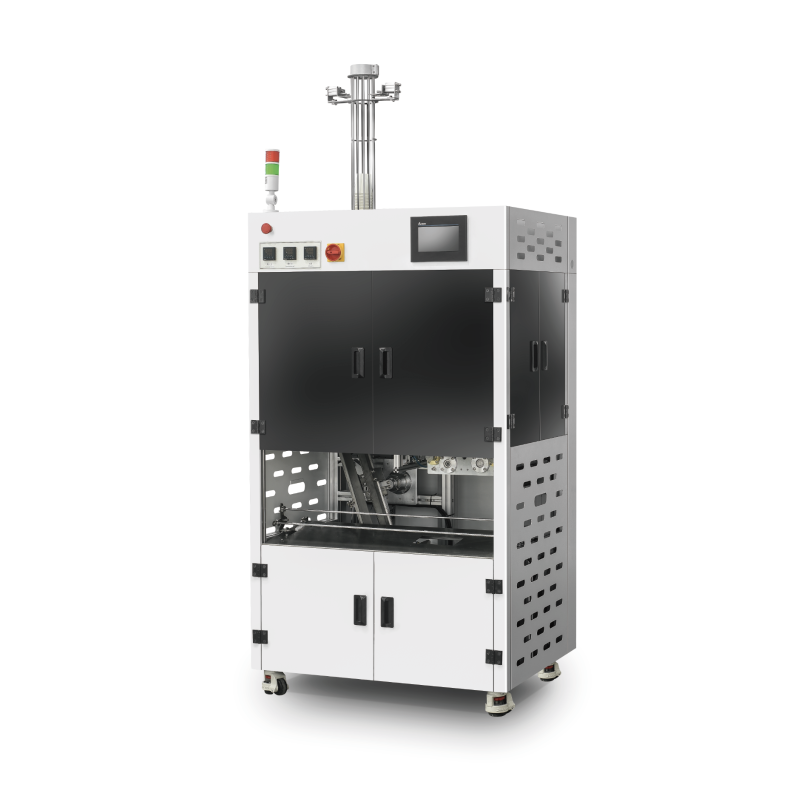
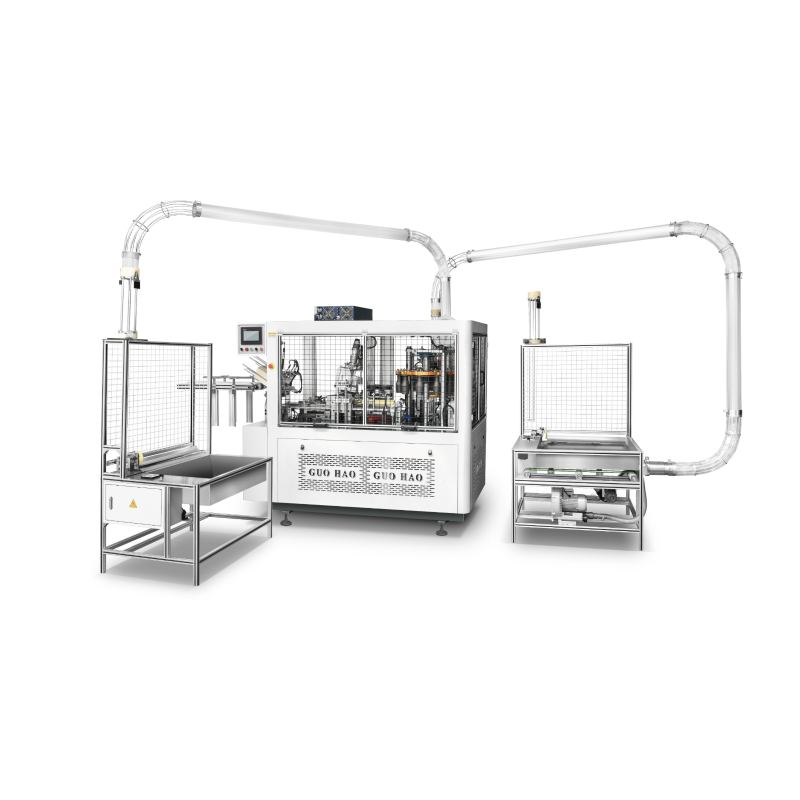
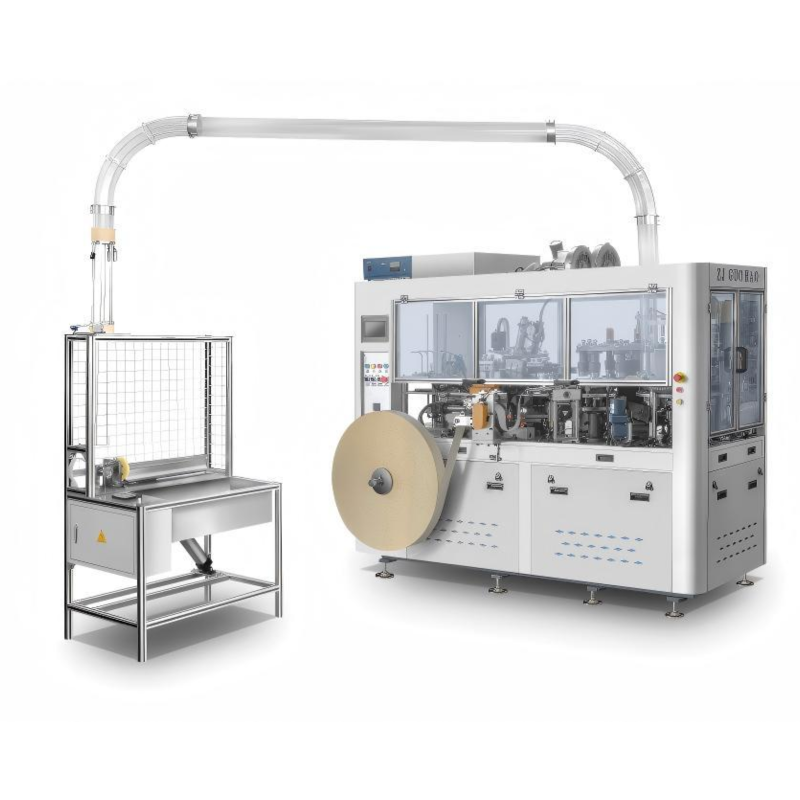
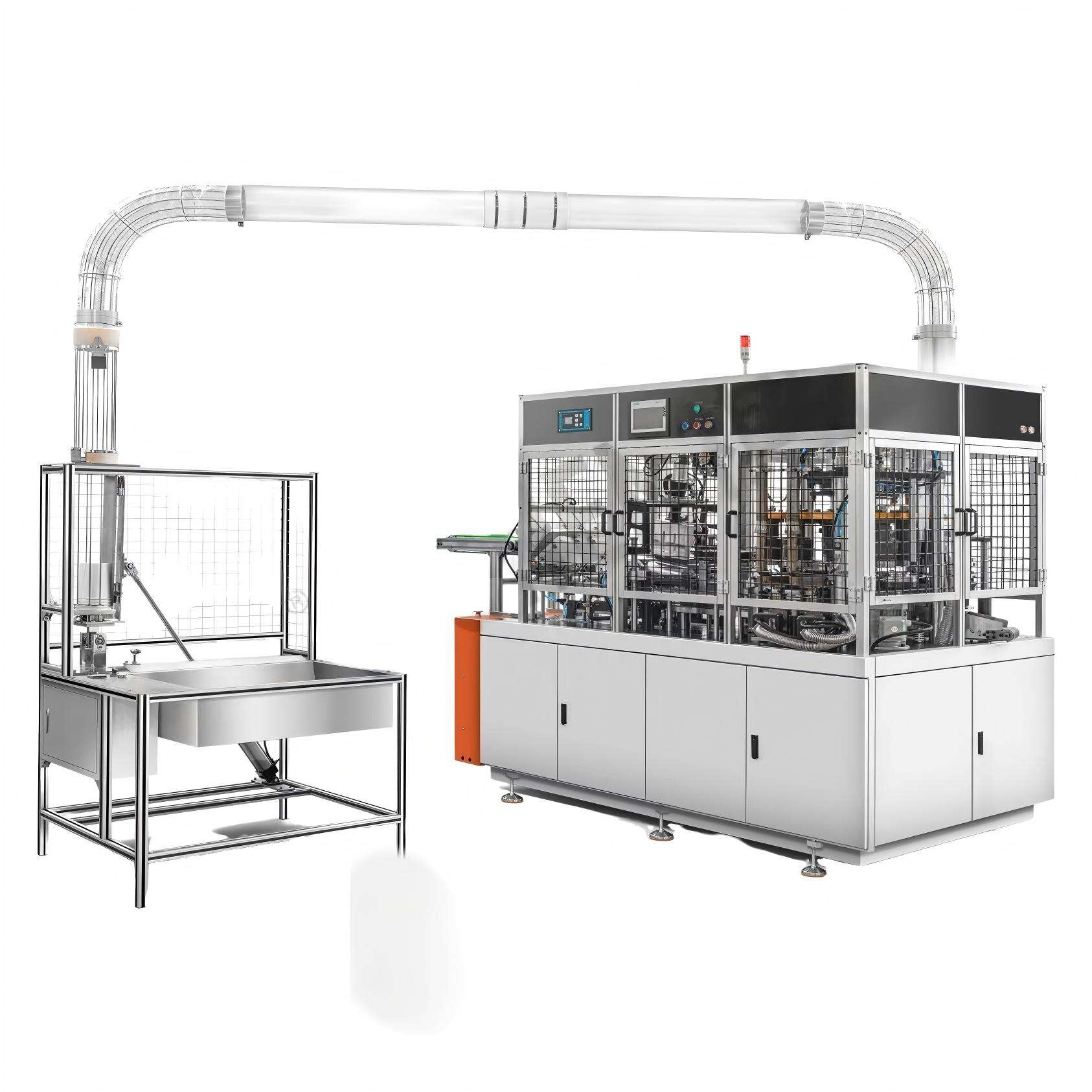
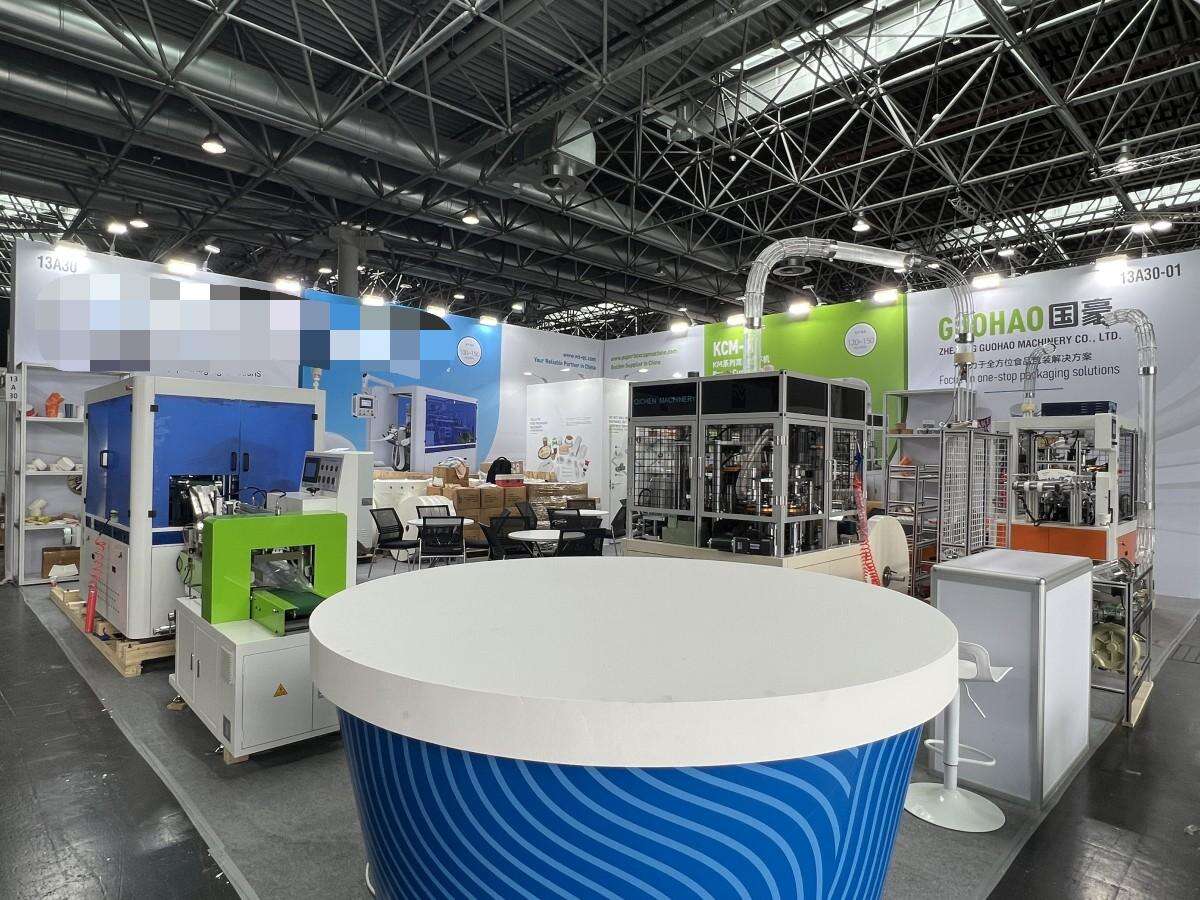
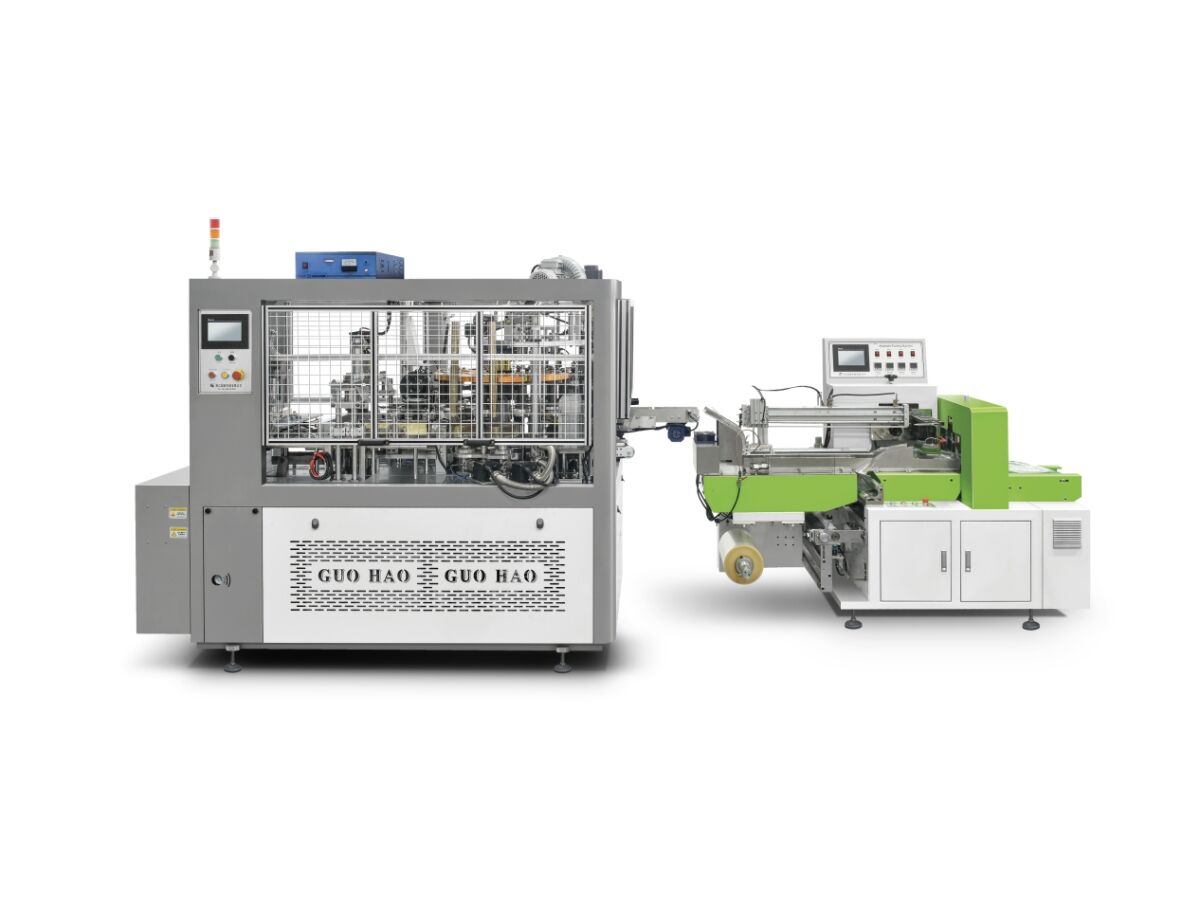
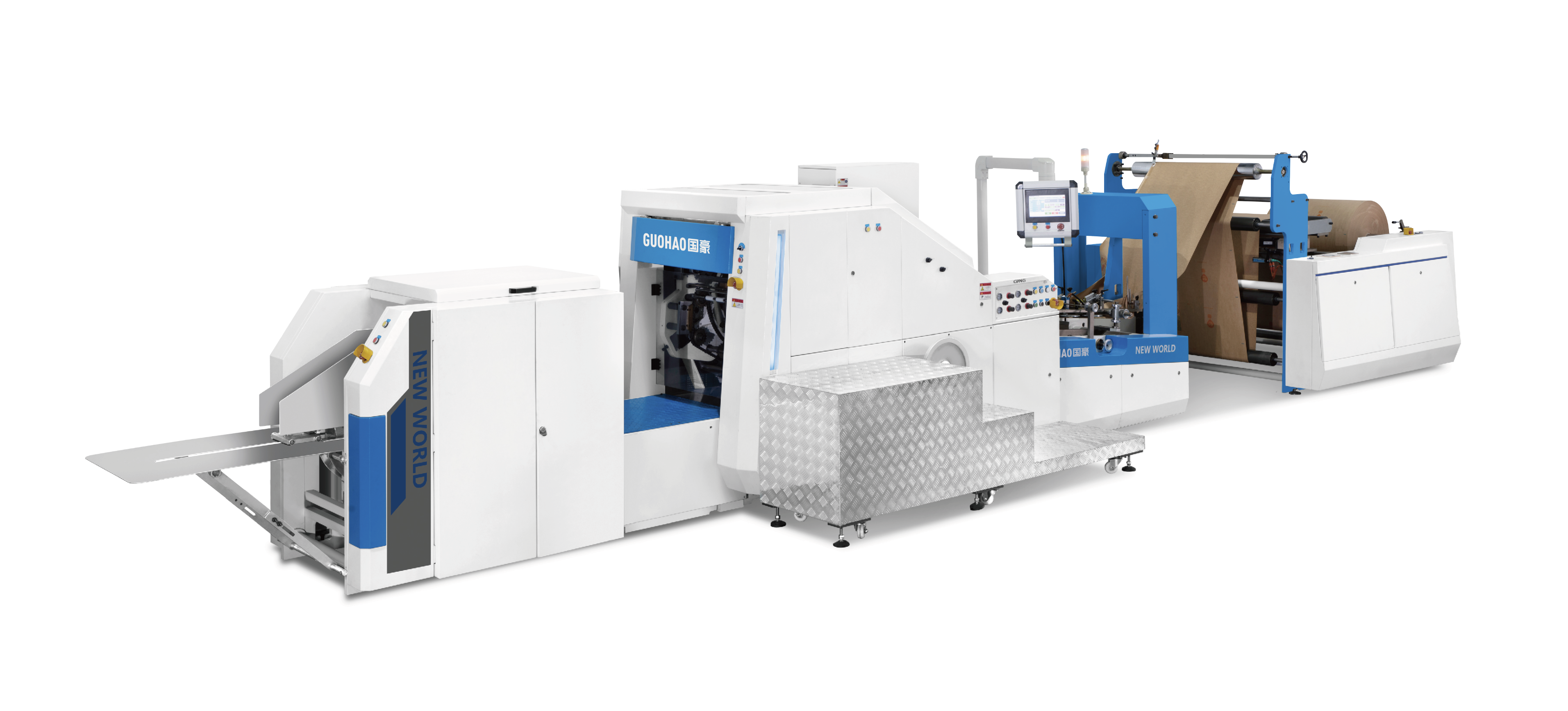
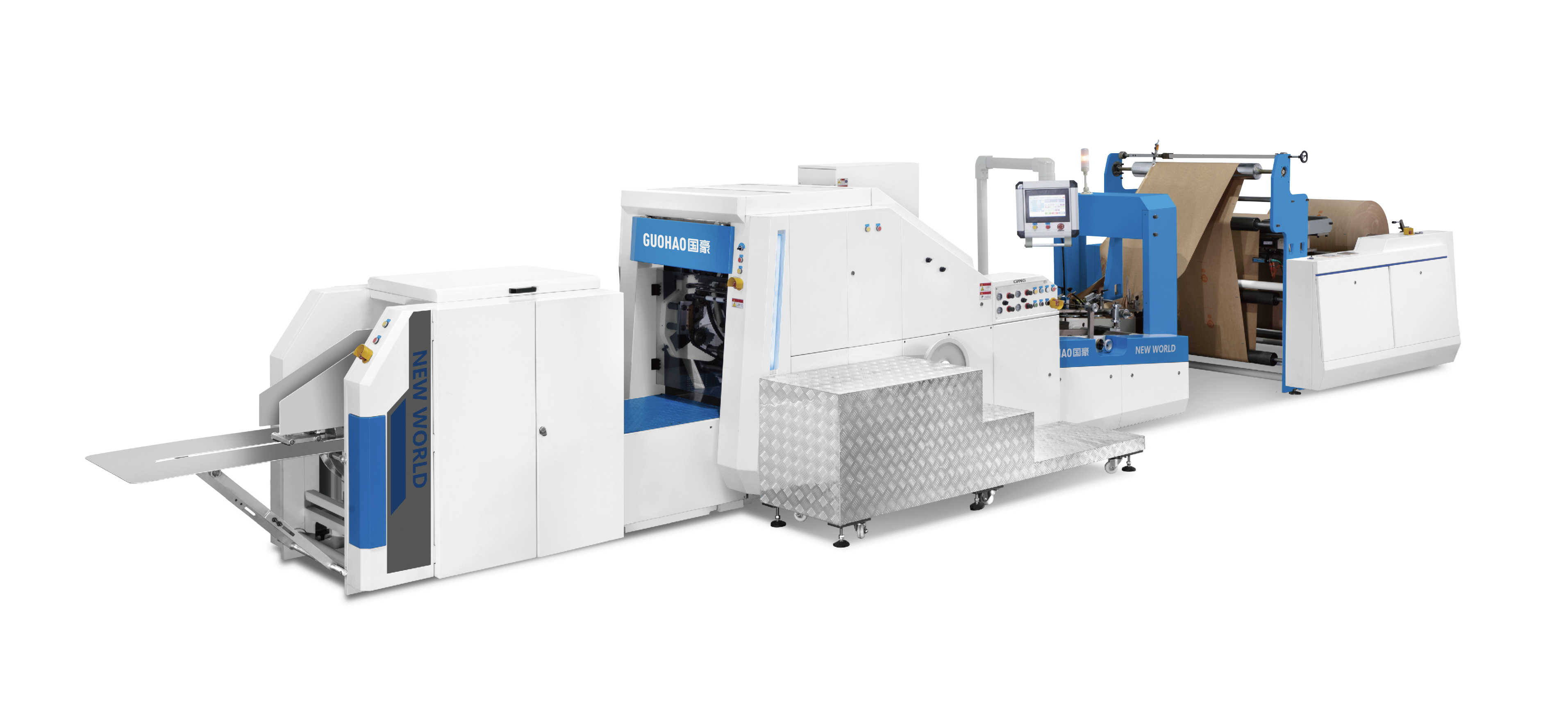
The paper cup moulding machine represents a cornerstone of modern disposable packaging manufacturing, designed specifically to transform raw paper materials into functional, durable cups for commercial and consumer use. This sophisticated equipment operates through a multi-stage process that begins with paper feeding and culminates in the production of finished cups ready for distribution. The machine's primary function revolves around thermoforming technology, where paper sheets are heated, shaped, and molded into precise cup configurations through automated mechanical processes. Advanced paper cup moulding machines incorporate cutting-edge servo motor systems that ensure consistent speed control and positioning accuracy throughout the production cycle. The technological framework includes programmable logic controllers that monitor temperature regulation, pressure distribution, and timing sequences to maintain optimal manufacturing conditions. Modern units feature touchscreen interfaces that allow operators to adjust parameters such as cup diameter, height specifications, and wall thickness according to specific production requirements. The paper cup moulding machine's versatility extends across multiple applications, serving restaurants, cafeterias, offices, and event venues that require reliable disposable drinkware solutions. Commercial food service establishments benefit from the machine's ability to produce cups in various sizes, from small espresso portions to large beverage containers. The equipment's robust construction typically incorporates stainless steel components and precision-engineered molds that withstand continuous operation while maintaining dimensional accuracy. Quality control mechanisms embedded within the paper cup moulding machine include automatic reject systems that identify and remove defective products, ensuring consistent output standards. The machine's modular design facilitates easy maintenance and component replacement, minimizing downtime and operational disruptions in high-volume production environments.
 ×
×

 EN
EN