
 EN
EN



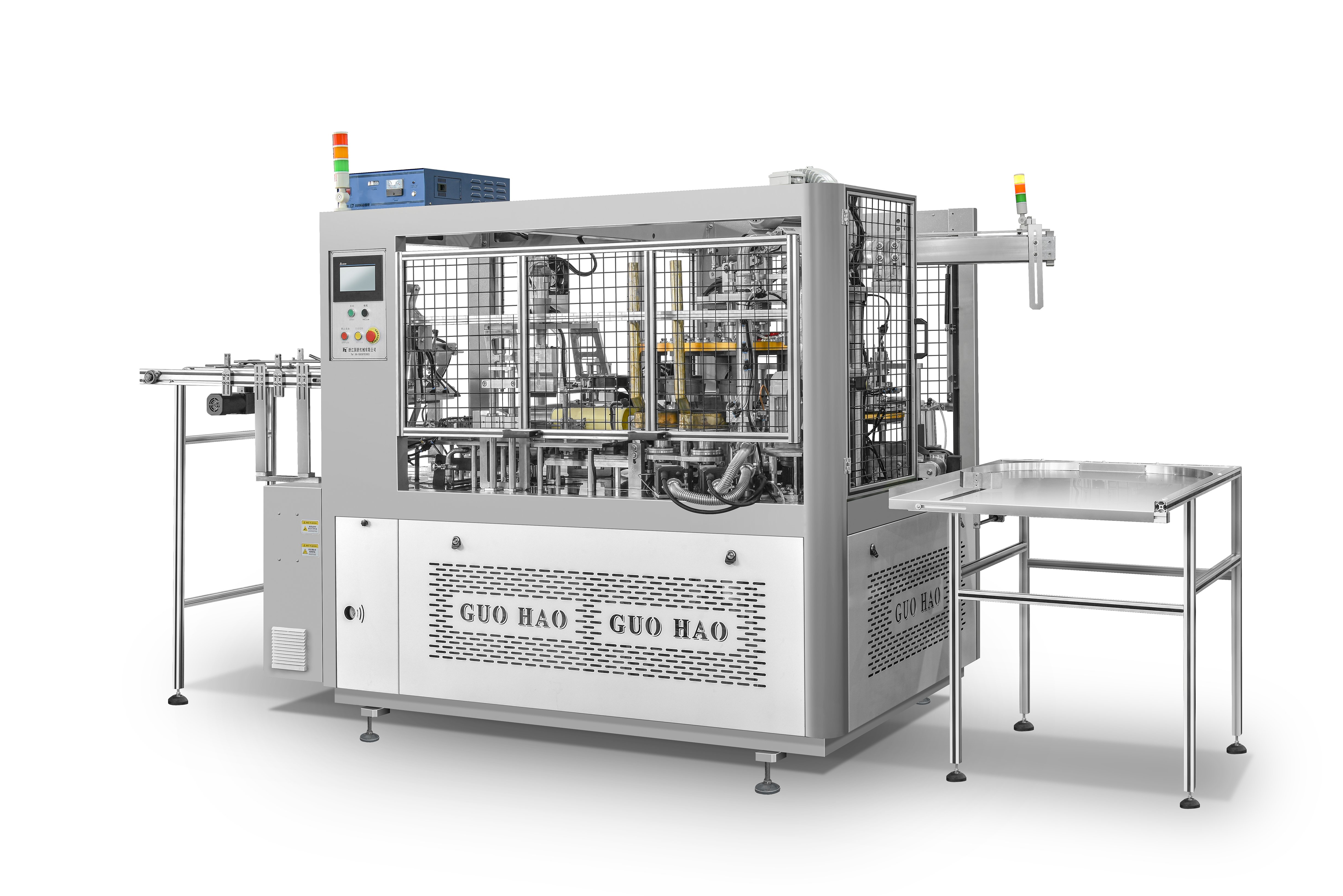
A paper bowl machine represents a significant capital investment for any food packaging operation, and like all precision industrial equipment, its productive lifespan is directly tied to the quality and consistency of maintenance practices applied to it. Many operators focus heavily on production output while underestimating how preventive care shapes long-term equipment health. The reality is that a well-maintained paper bowl machine can deliver reliable, high-speed performance for many years beyond the typical service expectation of a neglected unit.
This article outlines the key maintenance steps that experienced operators and plant managers follow to extend the operational lifespan of a paper bowl machine. From daily cleaning routines to scheduled mechanical inspections, each practice plays a distinct role in preventing premature wear, reducing unplanned downtime, and protecting the precision components that make consistent bowl formation possible. Understanding what to maintain, when to maintain it, and why each step matters is essential for any facility running this type of equipment at scale.
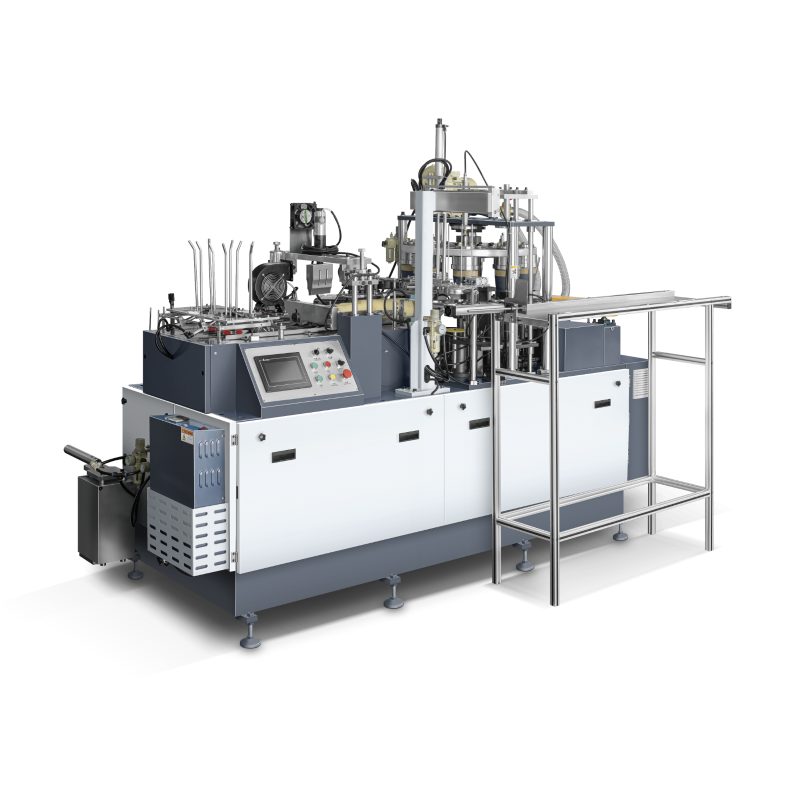
Daily Maintenance Habits That Protect Critical Components
Cleaning the Forming Station and Die Areas
The forming station is the mechanical heart of any paper bowl machine, where raw paperboard blanks are shaped, heated, and pressed into finished bowls. Paper dust, adhesive residue, and fine debris accumulate in this area with every production cycle. If left unaddressed, these deposits create surface irregularities that affect bowl quality and, more importantly, accelerate wear on the molds and forming dies.
At the end of each production shift, operators should remove loose debris from the forming area using dry compressed air or a soft brush. Adhesive buildup on die surfaces must be carefully removed using a solvent appropriate for the specific coating material used in production. Avoid abrasive tools that can scratch precision mold surfaces, as even minor surface damage on a paper bowl machine die will gradually compromise the dimensional accuracy of every bowl produced afterward.
This step is not just about cleanliness — it is about preserving the tolerance integrity of the tooling that defines product quality. Forming components that remain clean operate at lower friction levels, generate less heat, and maintain their calibrated geometry longer than components left in contact with accumulated waste material.
Inspecting and Clearing the Paper Feed Path
The paper feed mechanism on a paper bowl machine handles continuous material movement under tight tension settings. Paper fibers, coating particles, and static-attracted dust gather along the feed rollers, guide rails, and cutter zones during normal operation. A daily inspection of the feed path helps identify misalignment, debris buildup, and early signs of roller surface wear before they cause jams or misfeeds.
Check that the feed rollers rotate freely and show no flat spots or surface degradation. Clear any paper fragments or coating residue from the cutting zone, since accumulated material in this area can cause uneven blank cuts that feed incorrectly into the forming station. Consistent daily attention to the feed path is one of the simplest yet most effective steps for protecting overall paper bowl machine longevity.
Lubrication Schedules and Their Role in Mechanical Longevity
Understanding Lubrication Points Across the Drive System
A paper bowl machine contains numerous moving mechanical components — chains, gears, cam followers, bearings, and linkage joints — all of which depend on proper lubrication to function without generating destructive metal-to-metal contact. Lubrication is not a one-time task but a scheduled discipline with different intervals and lubricant types required for different component groups.
Most manufacturers specify a lubrication map in the equipment manual, identifying each greasing point and recommending appropriate intervals. High-speed bearing assemblies typically require grease application every 200 to 500 operating hours depending on load intensity. Drive chain systems need oil application more frequently, often on a weekly basis for machines running full production shifts. Following the manufacturer-specified lubricant grades is important — substituting with a heavier or lighter viscosity product can create drag or insufficient film protection depending on the operating temperature of each component.
Operators who keep a lubrication log for their paper bowl machine can detect anomalies early. If a bearing is consuming grease at an unusually high rate between scheduled intervals, this signals either a seal failure or abnormal load, both of which warrant immediate investigation before the bearing itself fails.
Avoiding Over-Lubrication and Contamination Risks
While insufficient lubrication is the more common error, over-lubrication carries its own risks for a paper bowl machine operating in a food-adjacent environment. Excess grease expelled from bearings migrates onto paper handling surfaces and can contaminate the product material, creating both quality defects and compliance concerns for food-contact packaging.
Use calibrated grease guns to apply measured quantities rather than free-hand dispensing. After each lubrication session, wipe away any excess that has been displaced from the fitting. This practice maintains component protection while keeping the working area of the paper bowl machine clean and compliant with hygiene standards relevant to food packaging production environments.
Mechanical Inspection and Component Replacement Intervals
Monitoring Wear on Heating Elements and Sealing Rings
The heat-sealing system is one of the most thermally stressed subsystems in a paper bowl machine. Heating elements, thermocouple sensors, and sealing rings are subject to repeated thermal cycling that gradually degrades their performance. Inconsistent sealing temperatures produce bowls with weak bonded seams, which is both a quality failure and an indicator of component wear that will worsen over time.
A structured inspection of heating elements should occur at least monthly for machines running single-shift operations, or every two weeks for high-output facilities. Measure actual heater output against setpoint values and compare thermocouple readings with a calibrated reference thermometer. Sealing rings should be checked for deformation, surface cracking, or hardening, and replaced at the first signs of compression loss. Proactive replacement of these relatively low-cost components prevents costly damage to the mold assembly and ensures that the paper bowl machine maintains the consistent product quality that customers expect.
Checking Chain Tension, Belt Alignment, and Drive Gear Condition
Drive transmission components in a paper bowl machine operate under cyclic load with tight timing requirements. Chains that have stretched beyond specification introduce timing errors between the forming station, the feed mechanism, and the discharge system. This misalignment manifests as product defects at first and mechanical damage at a later stage if left uncorrected.
Perform chain tension checks every two weeks using a deflection measurement technique. Replace chains that have elongated beyond 2% of their nominal pitch length — a standard engineering threshold for transmission chains. Belt-driven systems require pulley alignment verification using a straightedge or laser alignment tool to prevent premature belt wear from side loading. Drive gears should be inspected for pitting, chipped teeth, or abnormal wear patterns during scheduled maintenance windows. Keeping these components within specification is fundamental to the mechanical health of the paper bowl machine over its full service life.
Evaluating Pneumatic and Hydraulic System Integrity
Many modern paper bowl machine designs incorporate pneumatic actuators for blank handling, ejection, and stacking functions. Pneumatic systems require periodic inspection of air lines, fittings, cylinder seals, and filter-regulator-lubricator units. Leaking air lines reduce actuator force and increase compressor load, both of which translate into degraded performance and higher operating costs.
Drain moisture from air filters daily in humid operating environments to prevent water ingress into cylinder seals. Check air pressure settings against equipment specifications at the start of each production run. Cylinder rod seals that show signs of weeping should be replaced promptly to prevent rod surface corrosion, which makes subsequent seal replacement more complex and expensive. These proactive measures directly protect the overall paper bowl machine system from cumulative pneumatic degradation.
Electrical System Maintenance and Control Panel Care
Protecting Sensors, Wiring, and Control Boards from Environmental Stress
The electrical systems governing a paper bowl machine — including proximity sensors, encoder feedback devices, PLC controllers, and servo drives — operate in an environment that combines vibration, heat, and fine airborne particles. Over time, these conditions cause connector oxidation, sensor misalignment, and control board contamination that result in erratic machine behavior or unexpected shutdowns.
A quarterly electrical inspection should include checking all connector terminations for corrosion or looseness, cleaning control panel interiors with dry compressed air, and verifying that sensor mounting brackets remain secure and correctly aimed. Cable harnesses that run near moving components should be inspected for chafing, since insulation damage in a paper bowl machine environment can create intermittent faults that are difficult to diagnose during production.
Calibrating Sensors and Verifying PLC Program Integrity
Position sensors and photoelectric detectors in a paper bowl machine require periodic calibration to maintain accurate detection of blank position, bowl ejection timing, and safety interlock status. Sensors that drift out of calibration produce false signals that either stop the machine unnecessarily or allow process errors to proceed undetected.
Follow the sensor manufacturer calibration procedure at each scheduled maintenance interval, and document the adjustment values in the equipment maintenance log. PLC programs should be backed up to an external storage device at least quarterly. If a control board requires replacement following electrical damage, a verified program backup allows rapid restoration of the paper bowl machine to correct operating parameters without relying on memory or incomplete documentation.
Long-Term Overhaul Planning and Spare Parts Management
Scheduling Preventive Overhauls Based on Operating Hours
Beyond routine daily and weekly maintenance, every paper bowl machine benefits from planned overhaul intervals based on cumulative operating hours rather than calendar time alone. Machines running double or triple shifts accumulate mechanical wear at a much faster rate than single-shift operations, so time-based maintenance intervals can significantly underestimate the actual wear state of high-utilization equipment.
A comprehensive overhaul at defined hour milestones — commonly at 5,000 and 10,000 operating hours — involves disassembly and inspection of the main forming tooling, replacement of all sealing components, bearing replacement in the main drive assembly, and full electrical harness inspection. Planning this work during scheduled production downtime minimizes the operational impact while ensuring that the paper bowl machine re-enters service with a reset wear baseline and a predictable maintenance horizon ahead.
Maintaining a Practical Spare Parts Inventory
Unplanned downtime on a paper bowl machine is most often prolonged not by the complexity of the repair, but by the unavailability of the required spare parts. Sourcing components from overseas suppliers can add days or weeks to a breakdown situation. A strategically maintained spare parts inventory addresses this vulnerability without requiring excessive stock investment.
Prioritize stocking high-wear consumables such as heating elements, sealing rings, knife blades, proximity sensors, and drive belts, as these are the components most likely to require unplanned replacement. Secondary stocking priorities include bearings for the main drive shaft and key solenoid valves for the pneumatic system. Review and replenish the spare parts inventory after each consumption event so that the paper bowl machine always has the critical components needed for fast recovery from minor mechanical failures.
FAQ
How often should lubrication be performed on a paper bowl machine?
Lubrication frequency depends on the specific component and operating intensity. High-speed bearings typically require grease application every 200 to 500 hours, while drive chains generally need oil applied on a weekly basis for machines running full shifts. Always refer to the manufacturer-provided lubrication schedule specific to your paper bowl machine model and maintain a written log of all lubrication activities.
What are the most common signs that a paper bowl machine needs maintenance attention?
Common warning signs include inconsistent bowl dimensions, weak or open seam bonds, increased noise from the drive system, erratic sensor-triggered stops, and visible wear on forming dies or feed rollers. Any of these symptoms indicate that a specific maintenance inspection is needed. Addressing these signals promptly prevents a minor maintenance issue from developing into a major mechanical failure on the paper bowl machine.
Can neglecting maintenance void the equipment warranty on a paper bowl machine?
Most equipment warranties require that the buyer follows the manufacturer-specified maintenance schedule as a condition of warranty coverage. Failure to document and perform required maintenance tasks can give grounds for warranty claims to be disputed or denied. Keeping a detailed maintenance log that records all service activities performed on the paper bowl machine is the most practical way to demonstrate compliance with warranty conditions.
How does the production environment affect paper bowl machine maintenance requirements?
Humid environments accelerate corrosion in pneumatic systems and electrical connectors, requiring more frequent moisture drainage and contact cleaning. Dusty environments increase the rate of debris accumulation in the forming station and drive components, requiring more frequent cleaning cycles. High-temperature facilities affect lubricant viscosity and thermal component wear rates. Understanding your specific operating environment allows you to adjust maintenance intervals for the paper bowl machine accordingly, rather than relying solely on default schedule recommendations.
Table of Contents
- Daily Maintenance Habits That Protect Critical Components
- Lubrication Schedules and Their Role in Mechanical Longevity
- Mechanical Inspection and Component Replacement Intervals
- Electrical System Maintenance and Control Panel Care
- Long-Term Overhaul Planning and Spare Parts Management
-
FAQ
- How often should lubrication be performed on a paper bowl machine?
- What are the most common signs that a paper bowl machine needs maintenance attention?
- Can neglecting maintenance void the equipment warranty on a paper bowl machine?
- How does the production environment affect paper bowl machine maintenance requirements?