
 EN
EN



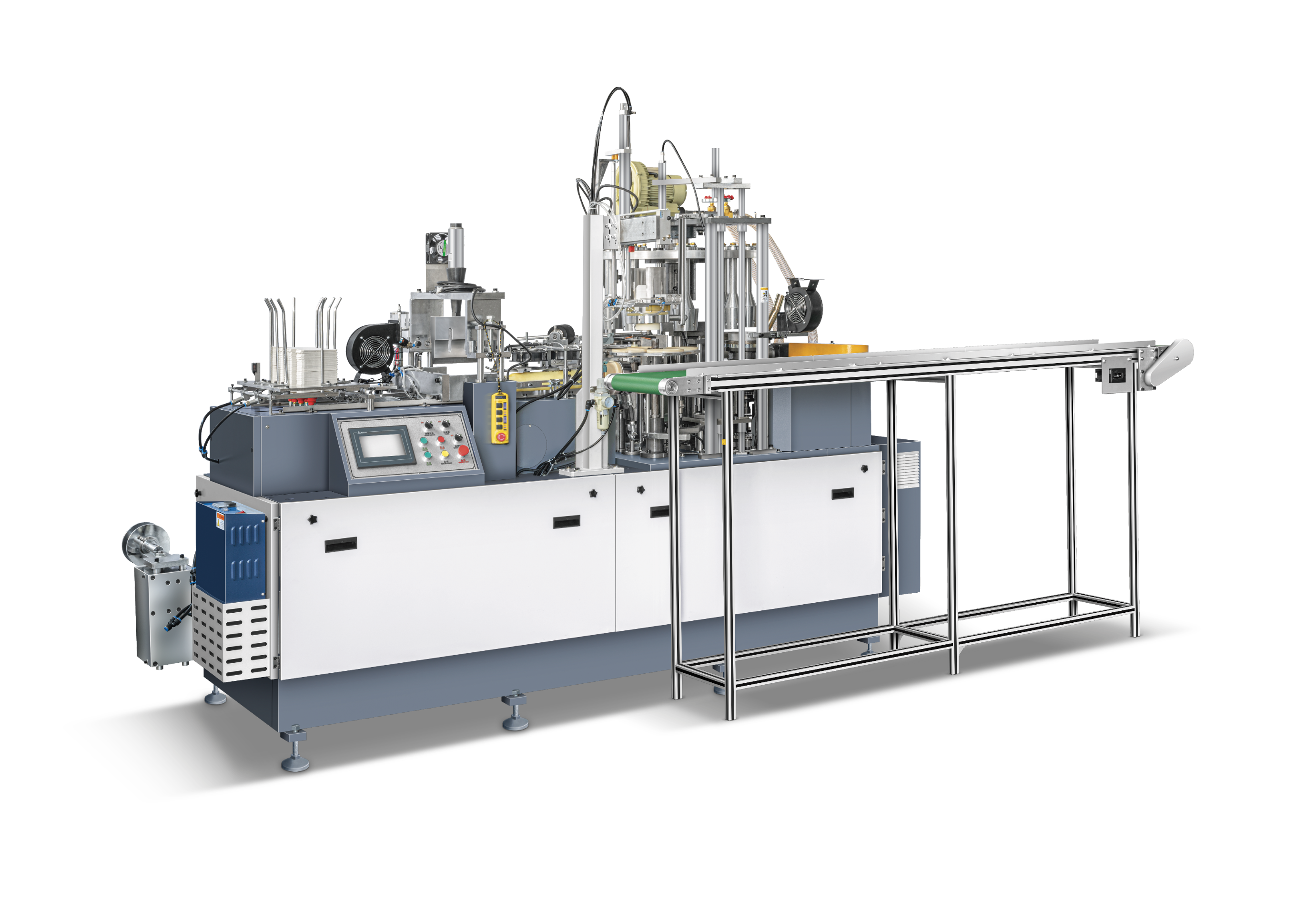
In modern packaging plants, labor dependency has become a critical bottleneck affecting productivity, cost control, and operational scalability. As demand for disposable paper cups continues to surge across food service, hospitality, and retail sectors, manufacturers face mounting pressure to increase output while managing rising labor costs and workforce shortages. The introduction of automated paper cup machine technology represents a transformative solution that fundamentally restructures production workflows, minimizes manual intervention, and establishes sustainable operational frameworks. This shift from labor-intensive processes to machine-driven efficiency directly addresses the challenges packaging plants encounter in maintaining competitive advantage while meeting stringent quality standards and delivery timelines.
Understanding how a paper cup machine reduces labor dependency requires examining the specific mechanisms through which automation replaces manual tasks, the architectural design features that enable autonomous operation, and the broader operational transformations that follow implementation. Unlike traditional manufacturing approaches that rely heavily on skilled operators for material handling, forming, sealing, and quality inspection, modern paper cup machines integrate multi-stage processing within a single automated system. This consolidation eliminates numerous labor touchpoints while simultaneously improving consistency, reducing error rates, and accelerating production cycles. For packaging plant managers evaluating automation investments, recognizing these labor-reduction pathways provides essential insights into ROI calculation, workforce restructuring strategies, and long-term operational planning.
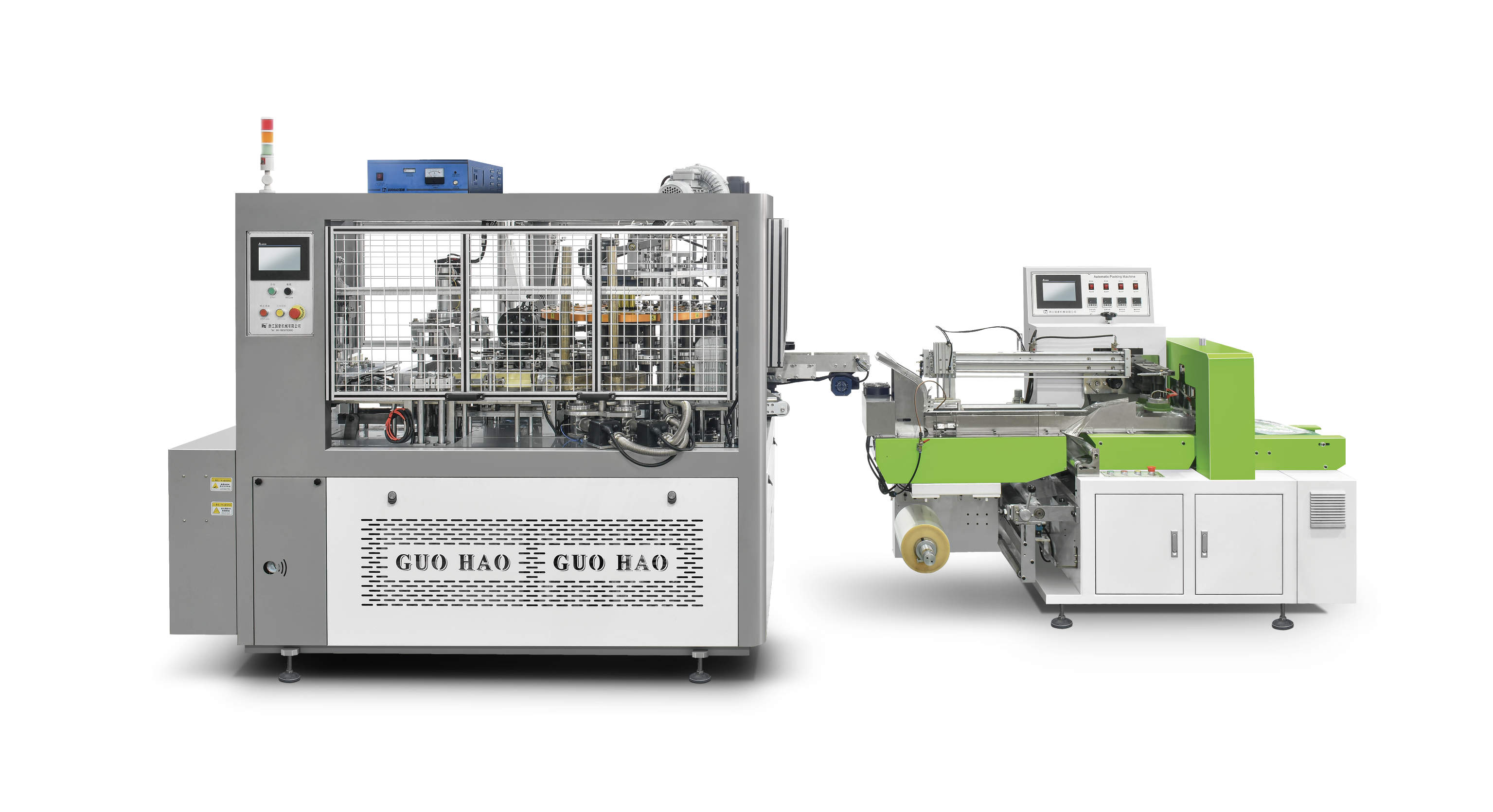
Automated Material Feeding Systems Eliminate Manual Loading Tasks
Continuous Paper Roll Feeding Mechanisms
Traditional paper cup production required operators to manually position, align, and feed paper materials into forming stations, creating constant labor demand throughout production shifts. A modern paper cup machine incorporates automated roll feeding systems that continuously draw paper from large-diameter rolls, maintaining consistent tension and alignment without human intervention. These systems use servo-controlled unwinding mechanisms with dancer rollers and tension sensors that automatically adjust feed rates based on production speed, eliminating the need for operators to monitor material supply or perform frequent loading cycles. This automation alone reduces direct labor requirements by approximately thirty to forty percent compared to manual feeding approaches.
The feeding system also integrates splice detection and automatic roll changeover capabilities that allow production to continue during material transitions. When a paper roll nears depletion, the paper cup machine automatically prepares the next roll, executes a seamless splice, and resumes operation without stopping the production line. This capability removes the traditional requirement for dedicated operators to perform roll changes during production runs, further reducing labor dependency while improving overall equipment effectiveness. The precision of automated feeding also minimizes material waste from misalignment or tension irregularities, contributing to cost savings that compound the labor reduction benefits.
Integrated Material Tension and Registration Control
Maintaining proper material tension and print registration represents critical quality factors in paper cup manufacturing, traditionally requiring skilled operators to make continuous manual adjustments based on visual inspection and machine behavior. Advanced paper cup machine designs incorporate closed-loop tension control systems with real-time feedback sensors that automatically maintain optimal material conditions throughout production. These systems detect tension variations caused by roll diameter changes, temperature fluctuations, or material characteristics, then execute compensating adjustments through motorized tension arms and brake systems without requiring operator intervention.
Print registration control, essential for producing branded cups with accurate logo placement, similarly transitions from manual oversight to automated precision. Vision systems integrated into the paper cup machine continuously monitor registration marks, calculate deviation from target positions, and trigger micro-adjustments to feeding mechanisms that maintain alignment within tolerances of plus or minus half a millimeter. This automation eliminates the specialized operator role previously dedicated to registration monitoring and adjustment, while simultaneously achieving superior consistency compared to human-controlled systems. The combination of tension and registration automation represents a significant labor reduction in roles that traditionally required considerable training and experience.
Raw Material Buffer and Staging Automation
Beyond the primary feeding mechanism, labor dependency extends to material preparation, staging, and logistics surrounding the production line. Modern paper cup machine installations often include automated material storage and retrieval systems that manage roll inventory, position materials for production, and transport finished goods without manual handling. Automated guided vehicles or conveyor systems deliver paper rolls from warehouse storage to machine-side staging areas, while robotic loading arms position rolls onto unwinding spindles, eliminating the physical labor and forklift operations traditionally required for material handling.
These integrated logistics systems reduce not only direct operator headcount but also indirect labor associated with material management, inventory tracking, and production floor traffic coordination. The paper cup machine communicates material consumption data to warehouse management systems, triggering automated replenishment workflows that maintain optimal inventory levels without manual ordering processes. This end-to-end automation creates a seamless material flow from storage through production, fundamentally restructuring the labor model from manual coordination to system-orchestrated operations.
Integrated Forming and Sealing Processes Consolidate Production Stages
Multi-Station Progressive Forming Without Manual Transfer
Traditional paper cup manufacturing often involved separate machines or workstations for bottom formation, body wrapping, and sealing operations, requiring operators to transfer partially completed cups between stages, position components, and monitor each process independently. A comprehensive paper cup machine consolidates these operations into a single integrated system where progressive forming stations execute sequential operations automatically. Cup blanks move through punching, forming, bottom insertion, side sealing, and rim curling stations via precision indexing turrets that position each cup for the next operation without manual handling.
This consolidation eliminates the labor previously required for inter-stage material handling, quality inspection between operations, and coordination of separate machine operations. Each forming station within the paper cup machine operates synchronously under centralized control, maintaining exact timing and positioning that ensures consistent quality without operator intervention. The elimination of manual transfer points also removes opportunities for contamination, damage, or misalignment that required additional labor for rework and quality sorting. For packaging plants, this consolidation typically reduces labor requirements by fifty to sixty percent compared to multi-machine configurations while simultaneously improving throughput and quality consistency.
Automated Bottom Feeding and Positioning Systems
Bottom disc feeding represents one of the most labor-intensive operations in traditional paper cup production, requiring operators to maintain continuous supply of pre-punched bottom discs, ensure proper orientation, and verify correct positioning for each cup during high-speed production. Modern paper cup machine designs incorporate automated bottom feeding magazines that store hundreds of pre-punched discs and deliver them sequentially to forming stations through mechanical or pneumatic transfer systems. Vision systems verify disc presence and orientation, rejecting improperly positioned components before they enter the forming process.
Advanced systems integrate bottom punching directly into the paper cup machine workflow, eliminating the need for pre-punched disc preparation and the associated labor for disc production, storage, and loading. In-line punching systems extract bottom discs from a secondary paper feed immediately before they are needed in the forming process, ensuring perfect synchronization between component supply and assembly operations. This integration removes another distinct labor role from the production process while improving material efficiency by optimizing bottom disc sizing and reducing scrap from pre-punched inventory obsolescence.
Precision Heating and Sealing Without Operator Adjustment
Sealing operations in paper cup production demand precise temperature control, pressure application, and dwell time to achieve leak-proof bonds without damaging paper materials or creating aesthetic defects. Traditional systems required skilled operators to monitor sealing quality, adjust heating element temperatures based on production speed changes or ambient conditions, and compensate for material variations through manual parameter modifications. A sophisticated paper cup machine incorporates closed-loop temperature control with multiple heating zones, real-time thermal monitoring, and automatic adjustment algorithms that maintain optimal sealing conditions without operator intervention.
These systems use thermocouple feedback and proportional-integral-derivative controllers to maintain sealing temperatures within narrow tolerances regardless of production speed variations or environmental factors. Pressure application similarly transitions to servo-controlled systems that deliver consistent sealing force across production runs, eliminating the manual adjustments traditionally required as tooling wears or material characteristics vary. The automation of sealing parameter control removes specialized operator roles while achieving superior sealing consistency and reducing defect rates that previously required additional labor for quality inspection and rework operations.
Automated Quality Inspection Systems Replace Manual Verification
In-Line Vision Systems for Dimensional Verification
Quality assurance in traditional paper cup manufacturing relied heavily on statistical sampling and manual inspection, requiring dedicated quality control personnel to periodically remove samples from production, measure critical dimensions, verify print alignment, and assess structural integrity. Modern paper cup machine installations integrate high-speed vision systems that inspect every cup during production, measuring rim diameter, height, wall thickness uniformity, and bottom seal integrity without interrupting production flow. These systems capture multiple images per cup, process dimensional data in milliseconds, and automatically reject non-conforming products before they reach packaging stations.
The transition from sampling-based manual inspection to comprehensive automated inspection eliminates the labor required for quality control roles while simultaneously improving detection rates for defective products. Vision systems identify defects that human inspectors might miss during visual examination, including subtle print misregistration, minor seal imperfections, or dimensional variations within specification limits but trending toward failure thresholds. The data generated by automated inspection systems also enables real-time process adjustments, preventing defect propagation rather than simply detecting problems after they occur, further reducing the labor needed for troubleshooting and corrective action implementation.
Automated Leak Testing and Structural Integrity Validation
Beyond dimensional inspection, functional testing for leak resistance and structural integrity traditionally required manual procedures where operators filled sample cups with water, applied pressure, or subjected samples to drop tests to verify production quality. Advanced paper cup machine systems incorporate automated leak testing stations that use air pressure differential methods or optical detection systems to verify seal integrity on every cup without destructive testing or production interruption. These systems apply calibrated pressure to cup interiors while monitoring for pressure loss or visual evidence of seal failure, automatically rejecting defective units.
Structural testing automation employs force sensors and compression testing mechanisms that verify rim strength and body rigidity inline, ensuring cups meet performance specifications for stacking, handling, and end-use applications. This comprehensive automated testing eliminates the labor previously dedicated to sample collection, laboratory testing procedures, and documentation of quality verification results. The paper cup machine automatically logs all inspection data, generates statistical process control charts, and triggers alerts when quality trends indicate potential process deviations, replacing the analytical work traditionally performed by quality assurance personnel.
Automatic Defect Rejection and Sorting Systems
Once defects are identified through automated inspection, traditional approaches required operators to monitor rejection stations, clear jammed products, and manually sort rejected cups for scrap recycling or rework evaluation. Modern paper cup machine designs incorporate intelligent rejection mechanisms that use precisely timed air jets or mechanical diverters to remove defective cups from the production stream and direct them to separate collection bins without operator involvement. These systems coordinate with upstream inspection data to execute rejections at optimal positions in the production flow, preventing defective products from reaching packaging operations.
Rejected product handling extends beyond simple removal to include automated sorting by defect type, enabling more efficient material recovery and process improvement analysis. Vision system data identifies specific defect categories such as print defects, dimensional non-conformance, or seal failures, then directs rejected cups to designated collection points based on defect classification. This automated sorting eliminates labor previously required for manual defect analysis while providing better data for process optimization. The reduction in quality-related labor combines with improved overall quality to create compound benefits for packaging plant operations.
Centralized Control Systems Enable Single-Operator Production Management
Integrated Human-Machine Interfaces for Multi-Function Control
Traditional paper cup production lines required multiple operators stationed at different machines or process stages, each responsible for monitoring specific functions, making adjustments, and coordinating with adjacent operations through verbal communication or manual signaling. A modern paper cup machine consolidates all control functions into a centralized human-machine interface that provides comprehensive visibility into all production parameters, quality metrics, and equipment status from a single control station. This interface allows one operator to monitor and manage the entire production system, adjusting parameters, responding to alerts, and coordinating changeovers without requiring additional personnel at individual process stages.
The control system presents intuitive graphical displays showing real-time production rates, material consumption, quality statistics, and predictive maintenance indicators, enabling the operator to make informed decisions quickly without consulting multiple information sources or coordinating with other personnel. Recipe management functions allow rapid changeover between different cup sizes or specifications through automated parameter adjustments, eliminating the time-consuming manual setup procedures that previously required multiple skilled technicians. This consolidation of control represents one of the most significant labor reduction mechanisms, transforming production management from a multi-person coordination task to a single-operator oversight function.
Automated Process Optimization and Self-Adjustment Capabilities
Beyond centralized monitoring and control, advanced paper cup machine systems incorporate artificial intelligence algorithms that continuously analyze production data and automatically optimize process parameters to maintain peak performance. These systems detect subtle variations in material properties, ambient conditions, or equipment behavior, then execute compensating adjustments to forming pressures, heating temperatures, or production speeds without requiring operator analysis or intervention. Machine learning models trained on historical production data predict optimal parameter combinations for specific operating conditions, enabling the paper cup machine to self-optimize performance as conditions change throughout production shifts.
This self-optimization capability eliminates the specialized expertise traditionally required to tune production processes for maximum efficiency and quality. Experienced operators who previously spent years developing intuitive understanding of how different variables affected production outcomes are no longer essential for optimal operation, as the machine learning systems encode this expertise into automated decision algorithms. The result is consistent high-level performance regardless of operator experience level, reducing both the quantity of labor required and the specialized skill levels necessary for effective production management.
Remote Monitoring and Diagnostic Support Systems
Modern paper cup machine installations increasingly incorporate connectivity features that enable remote monitoring by equipment manufacturers, technical support teams, or corporate production management personnel. Cloud-based monitoring platforms collect real-time production data, equipment status information, and quality metrics, making this information accessible to authorized users regardless of physical location. This connectivity enables packaging plants to reduce on-site technical support staff, relying instead on remote diagnostic services that can identify issues, recommend corrective actions, or even execute parameter adjustments through secure network connections.
Remote support capabilities extend to predictive maintenance, where the paper cup machine continuously monitors component wear indicators, vibration signatures, and performance degradation patterns, then alerts maintenance teams before failures occur. Diagnostic systems analyze these indicators using manufacturer databases of failure modes and recommend specific maintenance actions with parts lists and procedure documentation. This predictive approach reduces the maintenance labor required for routine inspections and emergency repairs while improving equipment uptime. The combination of remote monitoring and predictive maintenance represents a fundamental shift in how technical expertise is deployed, moving from on-site personnel to centralized support resources serving multiple facilities.
Automated Downstream Handling Extends Labor Reduction Beyond Primary Production
Integrated Counting and Stacking Systems
Production labor requirements extend beyond the primary forming and sealing operations to include downstream handling tasks such as counting finished cups, organizing them into stacks, and preparing them for packaging operations. Traditional approaches required operators to manually count cups as they emerged from production equipment, arrange them into standardized stack quantities, and position stacks for wrapping or boxing. Modern paper cup machine systems integrate automated counting mechanisms using optical sensors or mechanical counting wheels that precisely track production quantities without operator involvement.
Automated stacking systems coordinate with counting functions to collect specified quantities of cups and arrange them into neat stacks ready for packaging. These systems use precision timing and gentle handling mechanisms to prevent damage while achieving stack heights and alignments that optimize packaging efficiency. The automation of counting and stacking eliminates labor roles dedicated to these repetitive tasks while improving accuracy and consistency. Packaging plants implementing integrated paper cup machine systems with downstream automation typically achieve sixty to seventy-five percent reduction in total labor requirements compared to configurations requiring manual post-production handling.
Robotic Sleeve Application and Package Formation
Package formation represents another significant labor component in paper cup production, traditionally requiring operators to manually insert cup stacks into protective sleeves, apply labels, and organize completed packages for case packing or palletizing. Advanced production systems integrate robotic handling cells that automatically pick cup stacks from production output, insert them into pre-formed sleeves or wrapping materials, and position completed packages onto conveyor systems for downstream processing. These robotic systems use vision guidance to accommodate variations in stack positioning and adaptive gripping to handle different cup sizes without manual programming or adjustment.
The integration of robotic packaging automation with the paper cup machine creates a continuous flow from raw material to finished packaged product without manual material handling. This seamless integration eliminates the labor bottlenecks that often occur at the interface between primary production and packaging operations, where production speed exceeds manual packaging capacity. Robotic systems match production rates while maintaining consistent package quality, eliminating the need to slow production to accommodate manual packaging limitations or hire additional packaging personnel to handle peak production volumes.
Automated Palletizing and Warehouse Interface Systems
The final stage of labor reduction extends to palletizing finished packages and managing finished goods inventory. Traditional operations required workers to manually build pallet loads according to specific patterns, apply stretch wrap or strapping, and transport completed pallets to warehouse storage locations using forklifts. Modern automated systems integrated with paper cup machine installations include robotic palletizers that automatically build optimized pallet loads, apply securing materials, and interface with automated warehouse systems for storage without human involvement in material movement.
These systems coordinate directly with production control platforms to manage finished goods flow based on order priorities, warehouse capacity, and shipping schedules. Automated guided vehicles transport completed pallets from production areas to designated warehouse locations, while warehouse management systems track inventory in real-time without manual data entry or physical inventory counts. This end-to-end automation creates a complete labor reduction pathway from raw material receipt through finished goods shipment, fundamentally transforming packaging plant operations from labor-intensive manual processes to orchestrated automated workflows centered on the paper cup machine as the core production platform.
FAQ
What is the typical labor reduction percentage achieved when implementing a fully automated paper cup machine system?
Packaging plants implementing comprehensive paper cup machine automation typically achieve labor reductions between sixty and eighty-five percent compared to traditional semi-automated or manual production configurations. The exact reduction depends on the scope of automation implemented, with basic automated forming systems reducing labor by approximately forty to fifty percent, while fully integrated systems including automated material handling, quality inspection, packaging, and palletizing can eliminate up to eighty-five percent of direct and indirect production labor. These reductions account for operators eliminated from material feeding, machine tending, quality inspection, product handling, and packaging roles, though most installations retain minimal staffing for supervision, maintenance support, and material replenishment oversight.
How does automation affect the skill level requirements for remaining operators in paper cup manufacturing facilities?
Automation fundamentally shifts required operator skills from manual dexterity and process-specific experience toward technical troubleshooting, system monitoring, and data interpretation capabilities. Traditional paper cup production required operators with specialized knowledge of machine adjustments, material handling techniques, and quality assessment methods developed through extensive hands-on experience. Automated systems reduce dependence on these craft skills but increase requirements for technical literacy, including ability to interpret control system interfaces, respond to diagnostic alerts, and coordinate with remote technical support resources. Many packaging plants find that automation enables them to operate with fewer but more technically capable personnel, often requiring initial training investments but achieving better long-term operational stability through reduced dependence on specialized expertise that can be difficult to recruit and retain.
What operational challenges should packaging plants anticipate when transitioning from labor-intensive to automated paper cup production?
The transition to automated paper cup machine systems presents several operational challenges that require careful planning and management. Workforce restructuring represents the most sensitive challenge, requiring communication strategies, retraining programs, and potentially workforce reduction management that aligns with organizational values and legal requirements. Technical challenges include integration of new equipment with existing facility infrastructure, establishment of preventive maintenance protocols appropriate for automated systems, and development of technical support capabilities either internally or through service partnerships. Production planning approaches must also evolve, as automated systems enable different production economics favoring longer runs and reduced changeover frequency compared to labor-intensive approaches that might accommodate more frequent product transitions. Organizations that successfully navigate these challenges typically establish cross-functional transition teams, invest in comprehensive training programs, and maintain realistic timelines that allow gradual operational adjustments rather than attempting immediate wholesale transformation.
How do automated paper cup machines maintain production flexibility while reducing labor dependency?
Modern paper cup machine designs achieve flexibility through sophisticated software control systems and modular tooling approaches rather than relying on operator skill and manual adjustments. Recipe management systems store parameter sets for different cup sizes, paper grades, and quality specifications, enabling rapid changeovers through automated adjustment of forming pressures, heating temperatures, and production speeds without manual recalibration. Quick-change tooling systems with automated positioning and alignment mechanisms reduce changeover time from hours to minutes while eliminating the specialized labor traditionally required for tool changes and machine setup. Vision systems automatically adapt inspection parameters to different product specifications, and material handling systems accommodate various roll widths and core sizes through sensor-based adjustment. This automation-based flexibility actually exceeds the adaptability of labor-intensive systems in many cases, as machine parameters can be adjusted with precision and consistency that surpasses manual methods, enabling packaging plants to serve diverse customer requirements without proportionally increasing labor needs for product transitions.
Table of Contents
- Automated Material Feeding Systems Eliminate Manual Loading Tasks
- Integrated Forming and Sealing Processes Consolidate Production Stages
- Automated Quality Inspection Systems Replace Manual Verification
- Centralized Control Systems Enable Single-Operator Production Management
- Automated Downstream Handling Extends Labor Reduction Beyond Primary Production
-
FAQ
- What is the typical labor reduction percentage achieved when implementing a fully automated paper cup machine system?
- How does automation affect the skill level requirements for remaining operators in paper cup manufacturing facilities?
- What operational challenges should packaging plants anticipate when transitioning from labor-intensive to automated paper cup production?
- How do automated paper cup machines maintain production flexibility while reducing labor dependency?