paper lunch box forming machine
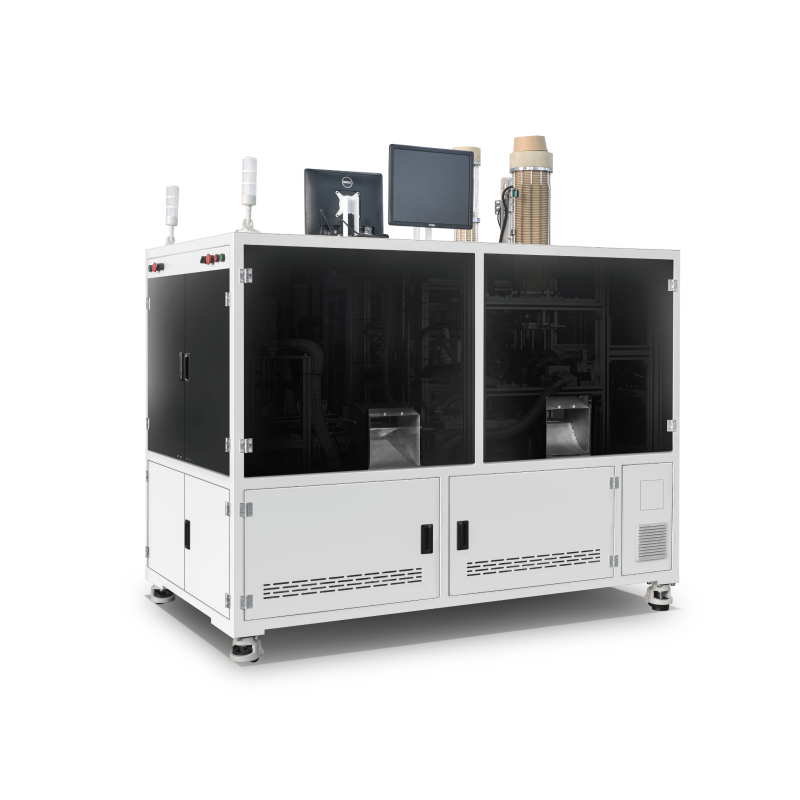
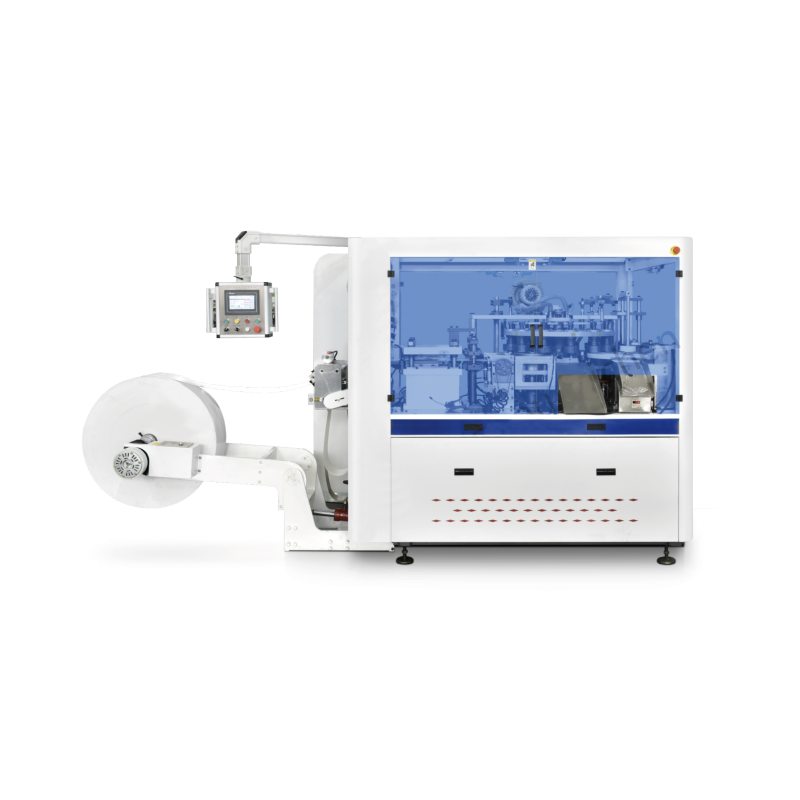
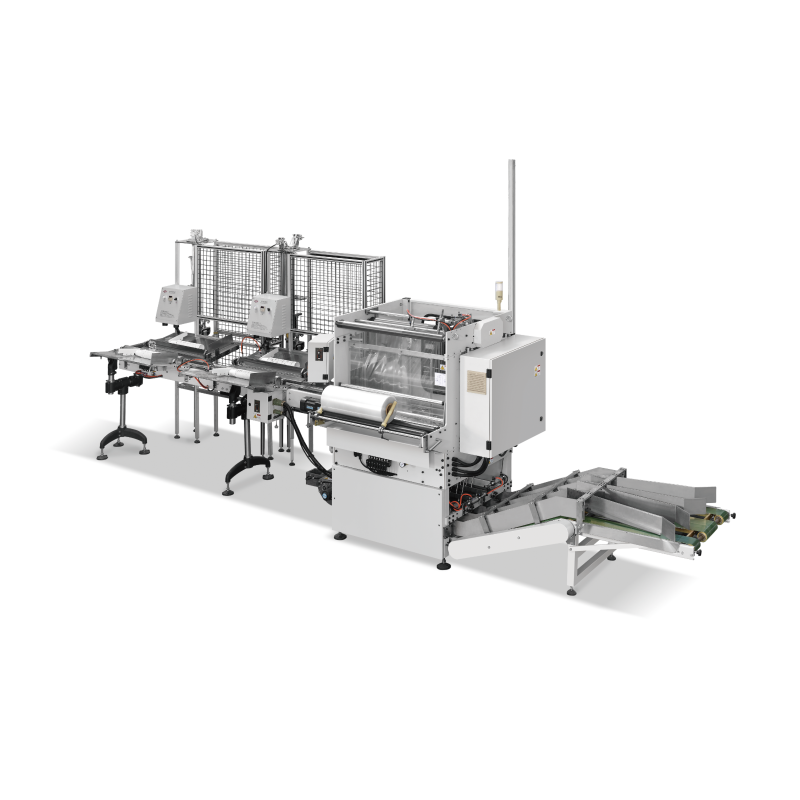
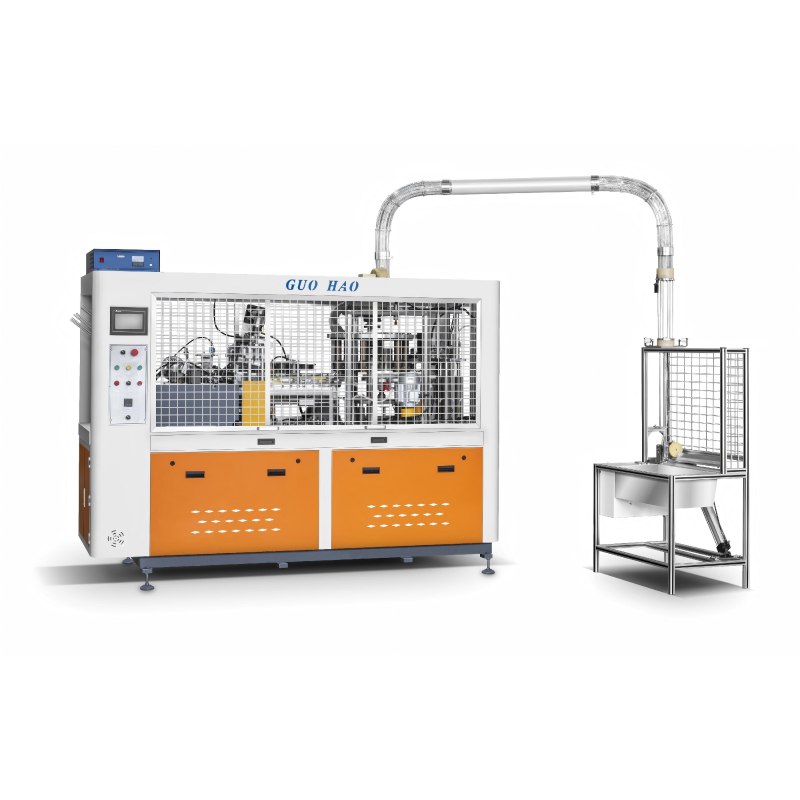
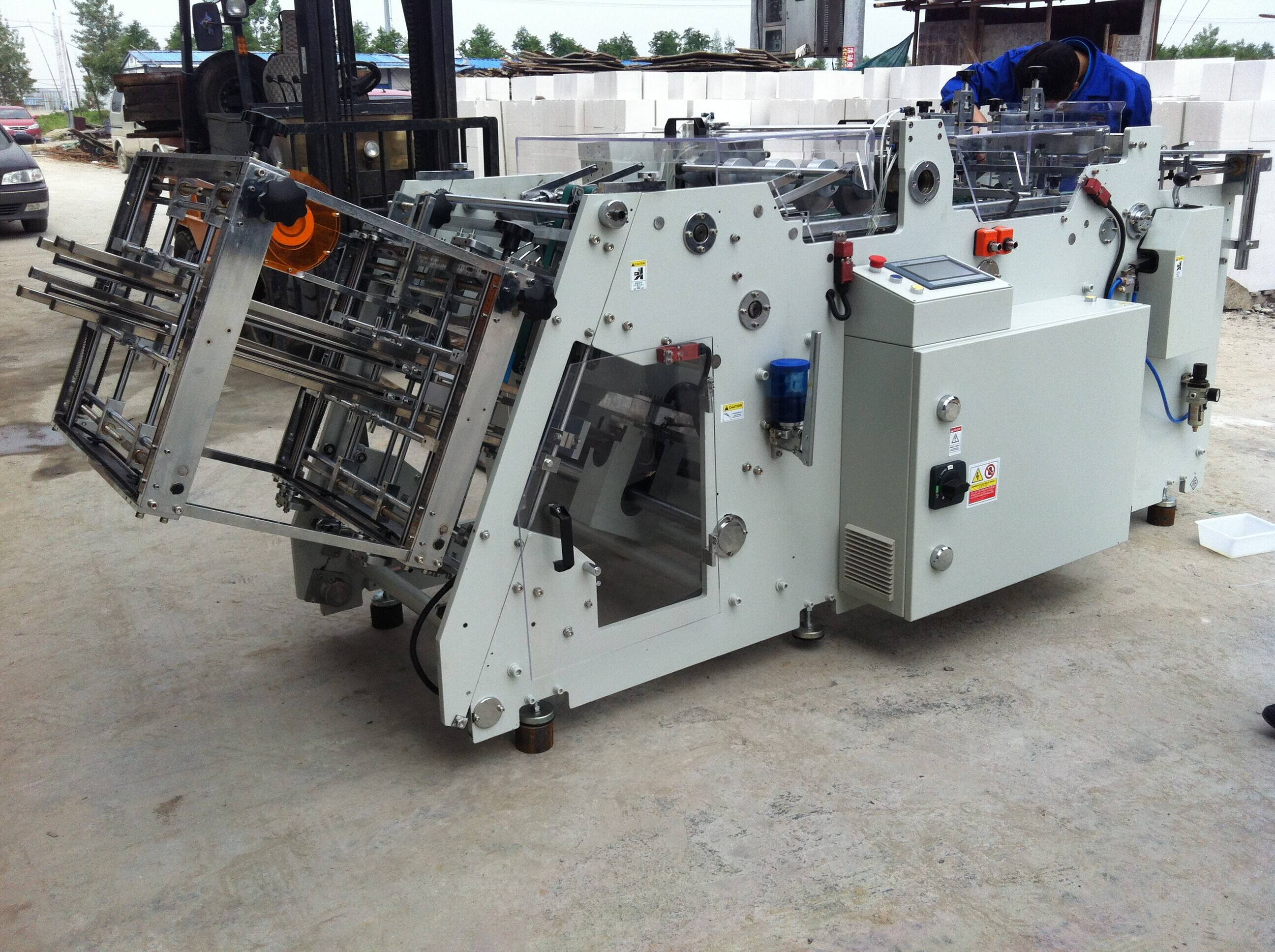
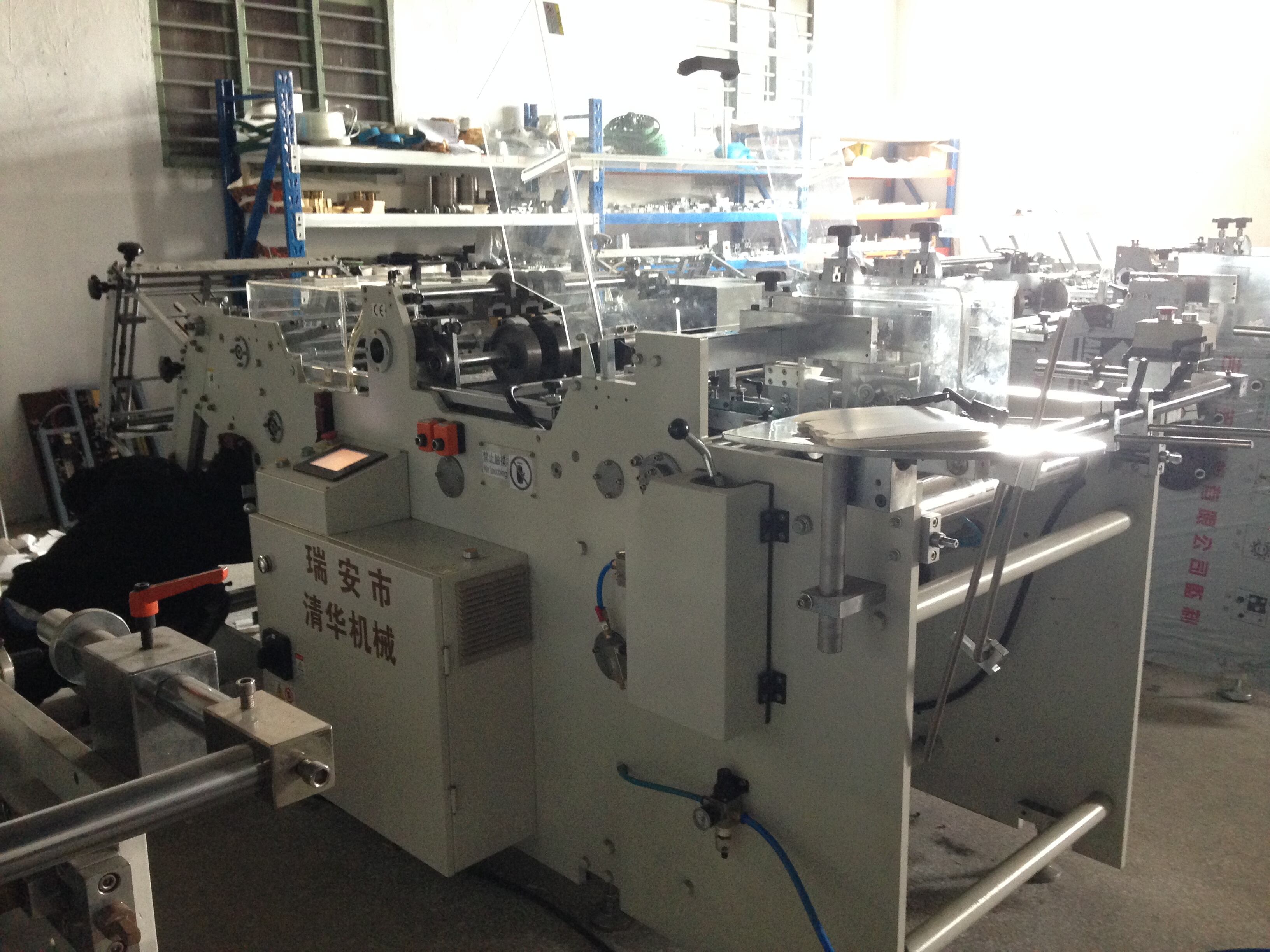
The paper lunch box forming machine represents a revolutionary advancement in sustainable food packaging manufacturing, designed to meet the growing demand for eco-friendly disposable containers. This sophisticated equipment transforms raw paper materials into fully functional lunch boxes through an automated, precision-engineered process. The machine operates by feeding specially treated paperboard through a series of mechanical stations, where it undergoes cutting, folding, and sealing operations to create durable food containers. Modern paper lunch box forming machines incorporate advanced heating systems that activate biodegradable coatings, ensuring the finished products maintain structural integrity while remaining environmentally responsible. The technology behind these machines combines mechanical precision with thermal processing, utilizing carefully calibrated temperatures and pressures to achieve optimal bonding without compromising the paper's natural properties. These systems typically feature adjustable parameters, allowing operators to customize box dimensions, depth, and corner configurations based on specific market requirements. The paper lunch box forming machine integrates seamlessly into existing production lines, offering manufacturers the flexibility to scale operations according to demand fluctuations. Quality control mechanisms built into the machinery ensure consistent output, with sensors monitoring temperature, pressure, and alignment throughout the manufacturing process. The equipment's modular design facilitates easy maintenance and component replacement, minimizing downtime and maximizing productivity. Additionally, the paper lunch box forming machine incorporates safety features including emergency stops, protective barriers, and automated shutdown protocols to protect operators and maintain consistent production standards. The versatility of these machines extends beyond basic lunch boxes, as they can be configured to produce various container styles including rectangular, square, and compartmentalized designs, making them invaluable assets for diverse packaging applications across the food service industry.
 ×


 EN