
 EN
EN



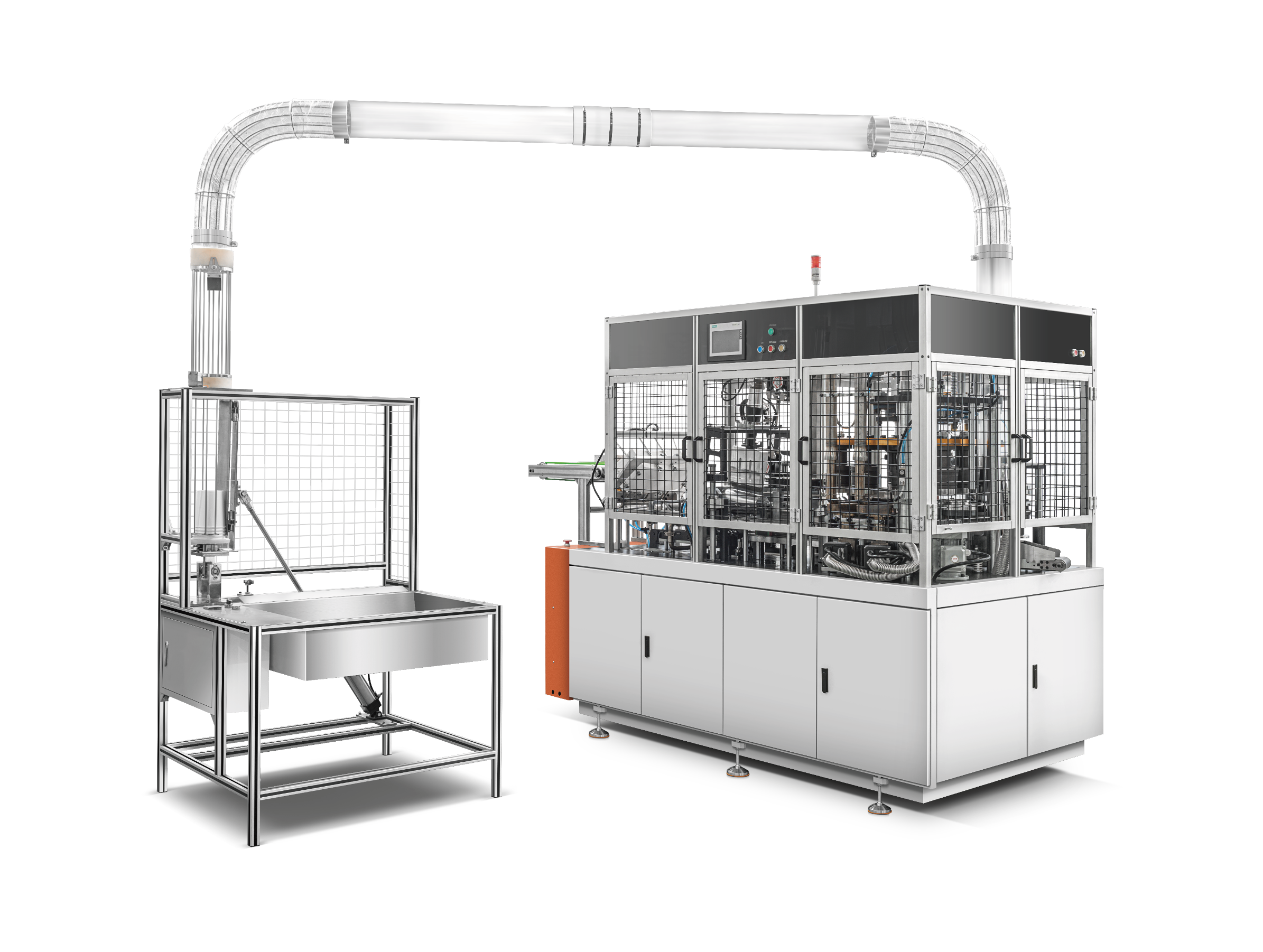
Utrzymanie stabilnej jakości wydajności przy użyciu maszyny do produkcji kubków papierowych jest kluczowe dla producentów, którzy polegają na spójnych standardach produkcji w celu spełnienia oczekiwań klientów oraz minimalizacji odpadów. Codzienne operacje w produkcji kubków papierowych obejmują wiele zmiennych, które mogą wpływać na integralność produktu – od podawania surowców po precyzję zgrzewania cieplnego. Zrozumienie kompleksowych procedur konserwacji, parametrów eksploatacyjnych oraz punktów kontroli jakości zapewnia, że każdy cykl produkcyjny generuje kubki spełniające wymagane standardy dokładności wymiarowej, wytrzymałości konstrukcyjnej oraz atrakcyjności wizualnej.
Osiągnięcie przewidywalnych wyników jakościowych wymaga systematycznej uwagi poświęconej korektom mechanicznym, parametrom procesu, procedurom obsługi materiałów oraz harmonogramom konserwacji zapobiegawczej. Operatorzy muszą opracować dyscyplinowane rutyny obejmujące zapewnienie odpowiedniego smarowania, weryfikację prawidłowego ustawienia (wypoziomowania), kalibrację elementów grzewczych oraz sprawdzanie funkcjonalności czujników w trakcie każdej zmiany. maszyna do produkcji kubków papierowych w warunkach ciągłego użytkowania codziennego, przekształcając wiedzę techniczną w praktyczne, realizowalne przepisy działania, które zapewniają spójność produktu i efektywność operacyjną.
Wprowadzanie podstawowych protokołów inspekcji przed uruchomieniem
Przeprowadzanie kompleksowej oceny wizualnej przed uruchomieniem
Przed rozpoczęciem każdej zmiany produkcyjnej na maszynie do produkcji kubków papierowych przeprowadzenie szczegółowych wizualnych kontroli ustala punkt odniesienia dla stabilności jakości. Operatorzy powinni sprawdzić wszystkie dostępne elementy mechaniczne pod kątem oznak zużycia, niewłaściwego ustawienia lub zanieczyszczenia, które mogłyby zakłócić proces formowania wyrobów. Obszarami kluczowymi są mechanizm podawania papieru, gdzie wałki muszą zachować odpowiednie napięcie i prawidłową osadzkę, stacje grzewcze, w których niestabilny rozkład temperatury często objawia się widoczną przebarwieniem lub uszkodzeniem, oraz taśma transportowa wyjściowa, na której pierwsze objawy problemów z obsługą wyrobów stają się zauważalne. Dokumentowanie tych obserwacji zapewnia przejrzystość odpowiedzialności oraz umożliwia analizę trendów w czasie.
Podczas kontroli przedoperacyjnych należy zwrócić szczególną uwagę na ścieżkę podawania papieru, ponieważ niewspółosiowość lub nagromadzenie się ciał obcych bezpośrednio wpływa na jednorodność ścianek kubków. Należy sprawdzić rolki prowadzące pod kątem nagromadzenia zanieczyszczeń, mechanizmy regulacji naciągu papieru pod kątem prawidłowego ustawienia, zgodnie z gramaturą przetwarzanego papieru, oraz upewnić się, że czujniki krawędzi działają prawidłowo, zapobiegając błędom podawania. Nawet drobne odchylenia w ułożeniu papieru przekładają się na niespójności wymiarowe gotowych kubków. Ustalenie punktów odniesienia i użycie skalibrowanych narzędzi do weryfikacji położenia rolek zapewnia powtarzalność w trakcie zmian i przy zmianach operatora.
Inspekcja elementu grzejnego stanowi kolejny kluczowy element protokołów przed rozpoczęciem pracy każdej maszyny do produkcji kubków papierowych. Wizualna kontrola powinna pozwolić zidentyfikować nagromadzenie się warstwy powłoki na powierzchniach grzejnych, zweryfikować położenie i stan termopar oraz potwierdzić zgodność wskazań regulatora temperatury z oczekiwanymi wartościami bazowymi. Wiele problemów jakościowych wynika z powolnego dryfu temperatury spowodowanego uszkodzeniem czujników lub degradacją elementów grzejnych. Rejestrowanie wartości temperatury bazowej w momencie uruchomienia urządzenia oraz porównywanie ich z danymi historycznymi pozwala wykryć powstające problemy jeszcze zanim znacząco wpłyną one na jakość produkcji.
Weryfikacja stanu kalibracji krytycznych systemów sterowania
Weryfikacja kalibracji wykracza poza inspekcję wizualną i obejmuje testowanie funkcjonalne czujników, sterowników oraz systemów pozycjonowania, które kontrolują działanie maszyny do produkcji kubków papierowych. Sterowniki temperatury należy sprawdzić poprzez porównanie ich wskazań z niezależnymi urządzeniami pomiarowymi, aby potwierdzić dokładność w ramach określonych dopuszczalnych odchyłek. Czujniki pozycji, które uruchamiają kolejne operacje, muszą zostać przetestowane w celu zapewnienia ich aktywacji w odpowiednich położeniach maszyny, co zapobiega błędom czasowym powodującym niepełne zgrzewanie lub nieprawidłowe cięcie pustych arkuszy. Systematyczne kontrole kalibracji budują zaufanie do tego, że parametry maszyny pozostają w granicach określonych specyfikacji.
Systemy ciśnieniowe kontrolujące siłę kształtowania i ciśnienie uszczelnienia wymagają weryfikacji za pomocą przyrządów pomiarowych, aby zapewnić spójność. W systemach pneumatycznych występuje zwykle stopniowy dryf ciśnienia spowodowany zmianami wydajności sprężarki lub niewielkimi wyciekami w liniach dystrybucji. Potwierdzenie zgodności wskazań ciśnienia ze wartościami zadanymi przed rozpoczęciem produkcji pozwala uniknąć rozczarowania wynikającego z wykrycia wad związanych z ciśnieniem dopiero po znacznej utracie materiału. Przechowywanie dzienników kalibracji dla każdej maszyny do produkcji kubków papierowych umożliwia śledzenie wzorców dryfu oraz przewidywanie i planowanie interwencji regulacyjnych.
Testowanie funkcjonalności czujników elektronicznych powinno obejmować weryfikację wykrywania obecności papieru, dokładności zliczania wydawanych kubków oraz działania blokad bezpieczeństwa. Te systemy chronią zarówno jakość, jak i bezpieczeństwo personelu, dlatego ich niezawodne działanie jest warunkiem bezwzględnie koniecznym. Procedury testowe mogą obejmować uruchomienie maszyny w trybie ręcznym przez kilka cykli przy jednoczesnej obserwacji reakcji czujników oraz potwierdzeniu, że wyświetlane na panelu sterowania stany maszyny odpowiadają rzeczywistym stanom urządzenia. Ten proces weryfikacji zwykle trwa zaledwie kilka minut, ale pozwala uniknąć godzin diagnozowania problemów w późniejszym etapie, gdy podczas produkcji pojawią się usterki jakościowe.
Wdrożenie systemów obsługi materiałów i kontroli warunków środowiskowych
Zarządzanie kondycjonowaniem i przechowywaniem zapasów papieru
Stabilność jakości dowolnej maszyny do produkcji kubków papierowych zależy w znacznym stopniu od utrzymania stałych właściwości surowców w całym cyklu produkcji. Masa papierowa musi być przechowywana w warunkach kontrolowanej wilgotności, ponieważ zawartość wilgoci wpływa bezpośrednio na nadawalność kształtu, stabilność wymiarową oraz właściwości zgrzewania. W obiektach produkcyjnych strefy przechowywania powinny być utrzymywane w zakresie wilgotności względnej od czterdziestu do sześćdziesięciu procent, aby chronić papier zarówno przed nadmiernym wysuszeniem, które powoduje kruchość, jak i przed pochłanianiem wilgoci, które prowadzi do trudności w procesie produkcji. Role papieru powinny być pozostawiane do wyważenia się do warunków hali produkcyjnej przez co najmniej dwadzieścia cztery godziny przed użyciem.
Praktyki rotacji materiałów zapewniają, że papier nie starzeje się nadmiernie przed przetworzeniem, ponieważ długotrwałe przechowywanie może prowadzić do zwijania się krawędzi, powstawania gradientu wilgotności oraz zmian właściwości powłoki. Wdrożenie systemu zarządzania zapasami według zasady „pierwszy przychodzący – pierwszy wychodzący” zapobiega problemom jakościowym związанныm ze starszymi materiałami. Obsługa maszyny do produkcji kubków papierowych powinna sprawdzać role papieru przed ich zamocowaniem na maszynie, oceniając uszkodzenia krawędzi, integralność rdzenia oraz napięcie owinięcia, które wskazuje na prawidłowe postępowanie podczas przechowywania. Odrzucone role należy dokumentować, aby umożliwić rozmowy z dostawcą na temat jakości, gdy ujawnią się powtarzające się wzorce.
Stan powłoki PE wpływa na wydajność uszczelniania i odporność na wycieki w gotowych kubkach, co czyni weryfikację jakości powłoki ważnym etapem obsługi materiałów. Wizualna kontrola jednolitości powłoki, badania przyczepności powłoki w wybranych miejscach próbek oraz weryfikacja zgodności masy powłoki z określonymi wymaganiami pomagają zapewnić odpowiedniość materiału. Gdy wykryto niejednorodności powłoki, dostosowanie parametrów maszyny może częściowo zrekompensować te niedoskonałości, jednak odrzucenie materiału często okazuje się bardziej opłacalne niż próba przetwarzania niskojakościowego materiału, który generuje wysoki odsetek wadliwych wyrobów.
Kontrola zmiennych środowiska produkcyjnego
Warunki środowiskowe w obszarze produkcji znacząco wpływają na wydajność maszyny do produkcji kubków papierowych oraz na jakość wyjściową. Wahania temperatury wpływają zarówno na właściwości mechaniczne materiałów papierowych, jak i na działanie systemów grzewczych. W obiektach produkcyjnych należy utrzymywać temperaturę w zakresie od osiemnastu do dwudziestu pięciu stopni Celsjusza, przy możliwie minimalnych jej wahaniach w trakcie całej zmiany. Nagłe zmiany temperatury mogą powodować odchylenia wymiarowe spowodowane rozszerzaniem się lub kurczeniem się materiałów, co wpływa na precyzję operacji formowania oraz na spójność procesów zgrzewania.
Kontrola wilgotności wykracza poza przechowywanie materiałów i obejmuje cały środowisk produkcyjny. Wahania wilgotności względnej powodują zmiany zawartości wilgoci w papierze podczas jego przetwarzania, co prowadzi do tendencji do zwijania się, niestabilności wymiarowej oraz niejednorodnych wyników zgrzewania. Zakłady produkcyjne w regionach o dużych sezonowych wahaniach wilgotności często instalują systemy odwilżania, aby utrzymywać stabilne warunki przez cały rok. Ciągłe monitorowanie wilgotności oraz proaktywne dostosowywanie systemów kontroli klimatu zapobiegają problemom jakościowym, zamiast reagować na wzorce wad dopiero po ich wystąpieniu.
Standardy czystości w obszarze produkcji chronią jakość produktu, zapobiegając zanieczyszczeniom, które mogą zakłócać proces uszczelniania lub powodować wady estetyczne. Nagromadzenie pyłu na komponentach maszyn do produkcji kubków papierowych wpływa na niezawodność czujników i może przenosić się na produkty, powodując wady powodujące odrzucenie wyrobów. Regularne harmonogramy czyszczenia, systemy filtracji powietrza oraz protokoły kontrolowanego dostępu zapewniają wymaganą jakość środowiska, niezbędną do uzyskiwania spójnych rezultatów produkcji. Obsługa maszyn powinna włączać czyszczenie stanowiska pracy do codziennych procedur zmianowych, traktując zarządzanie środowiskiem jako integralną część utrzymania jakości, a nie jako oddzielne działania porządkowe.
Wdrażanie dynamicznego monitoringu i korekty procesu
Monitorowanie kluczowych parametrów procesu w czasie rzeczywistym
Utrzymanie stałej jakości przy użyciu maszyny do produkcji kubków papierowych wymaga ciągłej uwagi na kluczowe parametry procesu w trakcie całej serii produkcyjnej. Operatorzy muszą opracować rutynowe procedury obserwacyjne obejmujące regularną kontrolę jakości formowania kubków, weryfikację zgodności wymiarów oraz ocenę szczelności zgrzewania. Zamiast czekać na automatyczne kontrole jakości lub skargi klientów, aby wykryć problemy, proaktywne monitorowanie umożliwia natychmiastowe interwencje w momencie, gdy parametry zaczynają odchylać się od ustalonych specyfikacji. Wprowadzenie standardów częstotliwości kontroli – np. sprawdzanie dokładności wymiarów co trzydzieści minut oraz badanie jakości zgrzewania co setny kubek – zapewnia systemowe zapewnienie jakości.
Monitorowanie temperatury powinno wykraczać poza wyłącznie poleganie na wyświetlaczach sterowników i obejmować okresową weryfikację za pomocą niezależnych urządzeń pomiarowych. Termometry podczerwieni umożliwiają bezkontaktową weryfikację temperatury powierzchni elementów grzejnych, podczas gdy kamery termowizyjne ujawniają wzory rozkładu temperatury wskazujące na powstające problemy. Szczególną uwagę wymaga temperatura zgrzewania, ponieważ nawet niewielkie odchylenia wpływają na wytrzymałość połączenia oraz odporność na przecieki. Rejestrowanie pomiarów temperatury w trakcie całej zmiany pozwala zidentyfikować stopniowy dryf, który mógłby umknąć uwadze podczas przypadkowej obserwacji.
Spójność czasu cyklu stanowi pośredni wskaźnik stanu mechanicznego każdej maszyny do produkcji kubków papierowych. Gdy czasy cyklu stopniowo się wydłużają, mogą się rozwijać ukryte problemy mechaniczne, takie jak zużycie łożysk, niedobór smaru lub usterki w systemie sterowania. Monitorowanie liczby wyrobów produkowanych na godzinę oraz analiza wszelkich tendencji spadkowych pomaga zidentyfikować potrzebę konserwacji jeszcze przed wystąpieniem awarii katastrofalnych. Liczniki cyfrowe i systemy monitoringu produkcji automatyzują to śledzenie, jednak operatorzy powinni wypracować intuicyjne poczucie normalnego rytmu pracy maszyny, które pozwoli im zauważyć subtelne zmiany wymagające dalszej analizy.
Wdrażanie korektywnych dostosowań na podstawie informacji zwrotnej dotyczących jakości
Gdy monitorowanie jakości ujawnia odchylenia od specyfikacji, operatorzy muszą dysponować zarówno uprawnieniami, jak i kompetencjami umożliwiającymi wprowadzanie korekt w odpowiednim czasie. Typowymi sytuacjami wymagającymi korekty są m.in. korekta temperatury w celu wyeliminowania niejednorodności zgrzewania, modyfikacja ciśnienia w celu poprawy dokładności kształtowania oraz zmiana czasu działania w celu skorygowania problemów z kolejnością operacji. Wprowadzenie jasnych protokołów decyzyjnych określających dopuszczalne zakresy korekt oraz precyzujących, kiedy produkcję należy zatrzymać w celu konserwacji, zapobiega zarówno nadmiernemu „dostosowywaniu” parametrów, jak i niebezpiecznej eksploatacji poza bezpiecznymi granicami.
Korekty wymiarowe często wymagają dostosowań mechanicznych zamiast prostych zmian parametrów. Jeśli wysokość kubka odchodzi od specyfikacji, może być konieczna modyfikacja ustawień głębokości formowania lub dostosowanie napięcia podawania papieru. Takie interwencje mechaniczne wymagają zrozumienia zależności przyczynowo-skutkowych w funkcjonowaniu maszyny do produkcji kubków papierowych. Programy szkoleniowe powinny zapewnić operatorom możliwość rozróżnienia objawów wymagających korekty parametrów od tych, które wskazują na problemy mechaniczne i wymagają wsparcia technicznego. Dokumentowanie dokonywanych korekt oraz ich skutków buduje wiedzę instytucjonalną, która z czasem poprawia skuteczność reakcji.
Systemy zwrotnego sprzężenia jakości powinny obejmować podejścia kontroli statystycznej procesu, które pozwalają odróżnić normalne wahania od istotnych trendów wymagających interwencji. Wykreślanie kluczowych pomiarów, takich jak waga kubka, średnica brzegu i wytrzymałość uszczelnienia w funkcji czasu ujawnia wzorce kierujące działaniami poprawczymi. Gdy wyniki pomiarów zbliżają się do granic tolerancji, nawet jeśli nadal pozostają technicznie dopuszczalne, wcześniejsza korekta zapobiega powstaniu przyszłych wad. Takie zapobiegawcze podejście do zarządzania jakością charakteryzuje działania zapewniające stabilną produkcję, a nie ciągłe reagowanie na problemy po ich wystąpieniu i wygenerowaniu odpadów.
Konserwacja systemów mechanicznych zgodnie z protokołami zapobiegawczymi
Wykonywanie harmonogramów smarowania zgodnie ze specyfikacjami
Poprawne smarowanie jest zapewne najważniejszą czynnością zapobiegawczej konserwacji mającą na celu utrzymanie stabilnej jakości wydajności maszyny do produkcji kubków papierowych. Ruchome elementy, w tym łożyska, łańcuchy, taczki kulowe i połączenia, wymagają stosowania odpowiednich typów smarów w ustalonych odstępach czasu, aby zapobiec zużyciu, zmniejszyć tarcie oraz zapewnić płynny ruch. Producent dostarcza szczegółowych harmonogramów smarowania, których operatorzy muszą bezwzględnie przestrzegać, dokumentując każde smarowanie w celu zapewnienia zgodności. Odchylenia od zalecanych typów smarów lub częstotliwości ich stosowania przyspieszają zużycie i powodują nieregularności ruchu, które przejawiają się jako niejednorodności jakości.
Nadmierna smarowanie powoduje problemy równie poważne jak niedostateczne smarowanie, ponieważ nadmiar smaru przyciąga zanieczyszczenia, może przenosić się na produkty i zakłócać działanie czujników. Szkolenia skupiają się na stosowaniu precyzyjnych ilości smaru przy użyciu odpowiednich metod, takich jak pistolety do smarowania z mierzonymi dawkami lub systemy dozujące oleju z kontrolowaną podażą. Wizualna kontrola podczas czynności smarowania umożliwia wykrycie nietypowych wzorów zużycia, nadmiernego nagrzewania się lub uszkodzeń komponentów wymagających interwencji naprawczej. Punkty smarowania powinny być wyraźnie oznaczone na maszynie do produkcji kubków papierowych etykietami wskazującymi rodzaj smaru oraz częstotliwość smarowania, co eliminuje nieporozumienia podczas czynności konserwacyjnych.
Specjalistyczne komponenty, takie jak łożyska wysokoprędkościowe w wieżach kształtujących, mogą wymagać systemów ciągłego smarowania, które automatycznie dostarczają środka smarującego podczas pracy. Takie systemy wymagają własnej obsługi konserwacyjnej, w tym monitorowania poziomu medium w zbiorniku, wymiany filtrów oraz weryfikacji działania pompy. Zaniedbanie konserwacji systemu automatycznego smarowania często prowadzi do uszkodzenia łożysk, co powoduje długotrwałą przerwę w pracy i kosztowny remont. Codzienne sprawdzanie działania systemu smarowania powinno być uwzględnione w procedurach inspekcji przed rozpoczęciem zmiany, aby zapewnić ciągłą ochronę kluczowych komponentów.
Przeprowadzanie inspekcji i wymiana zużywających się komponentów
Nawet przy doskonałej konserwacji zapobiegawczej niektóre komponenty maszyn do produkcji kubków papierowych ulegają normalnemu zużyciu, co w końcu wymaga ich wymiany w celu utrzymania standardów jakości. Formy kształtujące, ostrza tnące oraz elementy zgrzewające stykają się z materiałami pod wpływem ciśnienia i temperatury, co stopniowo obniża ich precyzję i skuteczność. Wprowadzenie harmonogramów kontroli opartych na objętości produkcji, a nie na czasie kalendarzowym, pozwala na bardziej dokładne przewidywanie zużycia, ponieważ maszyna produkująca codziennie dwieście tysięcy kubków ulega zużyciu w znacznie innym tempie niż maszyna produkująca pięćdziesiąt tysięcy kubków.
Ostrość ostrza tnącego ma bezpośredni wpływ na jakość krawędzi pustych elementów, co wpływa na skuteczność kolejnych etapów kształtowania i zabezpieczania. Zatępione ostrza tworzą nierówne krawędzie, które nie zapewniają odpowiedniego zabezpieczenia, powodują zanieczyszczenie pyłem oraz mogą prowadzić do zakleszczeń. Procedury inspekcyjne powinny obejmować wizualną kontrolę krawędzi cięcia u gotowych pustych elementów oraz pomiar trendów siły tnącej, które wskazują na zatępienie ostrza. Wymianę lub naostrzanie ostrzy należy przeprowadzić przed pojawieniem się problemów jakościowych w gotowych wyrobach, zgodnie z zaplanowanymi harmonogramami wymiany opracowanymi na podstawie historii eksploatacji.
Formowanie form dozowniczych powoduje zużycie głównie na powierzchniach styku, gdzie tarcie papieru stopniowo niszczy precyzyjne wymiary. Okresowe pomiary wymiarów wnęki formy za pomocą narzędzi pomiarowych o wysokiej dokładności pozwalają zidentyfikować postęp zużycia jeszcze przed wyprodukowaniem kubków niezgodnych ze specyfikacją. Gdy zużycie osiągnie ustalone granice, odnowa lub wymiana formy zapobiega pogorszeniu jakości wyrobów. Posiadanie zestawów zapasowych form umożliwia szybką wymianę po osiągnięciu granic zużycia, minimalizując przestoje w produkcji. Dokumentowanie czasu życia form wspiera decyzje zakupowe oraz pomaga zoptymalizować moment ich wymiany pod kątem efektywności kosztowej.
Rozwijanie kompetencji operatorów i świadomości jakości
Wprowadzanie kompleksowych programów szkoleniowych
Możliwości techniczne maszyny do produkcji kubków papierowych mogą zostać w pełni wykorzystane jedynie wtedy, gdy operatorzy posiadają dogłębną wiedzę zarówno na temat obsługi maszyny, jak i wymagań jakościowych. Kompleksowe programy szkoleniowe powinny obejmować nie tylko procedury operacyjne związane z naciskaniem przycisków, ale także podstawowe zasady kształtowania kubków, cechy jakościowe określające dopuszczalne produkty oraz logikę rozwiązywania problemów umożliwiającą skuteczne usuwanie usterek. Operatorzy przeszkoleni w tych podstawowych zagadnieniach stają się aktywnymi partnerami w zakresie zapewnienia jakości, a nie biernymi obsługującymi maszyn, co pozwala im rozpoznawać powstające problemy i podejmować odpowiednie działania.
Szkolenie praktyczne pod doświadczoną opieką buduje pewność siebie w zakresie obsługi sprzętu oraz rozwija intuicyjne zrozumienie, które odróżnia wykwalifikowanych operatorów od początkujących. Uczestnicy szkolenia powinni stopniowo przejść przez kolejne poziomy odpowiedzialności: zaczynając od obserwacji, przechodząc do obsługi pod nadzorem, a kończąc na uzyskaniu certyfikatu uprawniającego do niezależnej obsługi. Procedury oceny powinny potwierdzać zarówno znajomość procedur, jak i rzeczywistą umiejętność utrzymywania standardów jakości w trakcie rzeczywistej produkcji. Ciągłe szkolenia uzupełniające zapewniają, że operatorzy są na bieżąco w zakresie modyfikacji sprzętu, ulepszeń procesów oraz zmieniających się standardów jakości.
Inicjatywy szkoleniowe obejmujące różne modele i konfiguracje maszyn do produkcji kubków papierowych zwiększają wszechstronność operatorów oraz pogłębiają ich zrozumienie zasad produkcji kubków papierowych. Operatorzy znający różne konstrukcje maszyn zdają sobie sprawę, że konkretne procedury mogą się różnić, podczas gdy podstawowe wymagania jakościowe pozostają niezmienne. Szeroka perspektywa takiego podejścia zwiększa skuteczność rozwiązywania problemów oraz ułatwia transfer wiedzy w przypadku zmian sprzętu. Inwestycja w rozwój operatorów przynosi korzyści w postaci obniżenia liczby wadliwych wyrobów, lepszego wykorzystania sprzętu oraz zwiększonej elastyczności produkcji.
Wdrażanie systemów odpowiedzialności za jakość
Tworzenie osobistej odpowiedzialności za wyniki jakościowe motywuje do zwracania uwagi na szczegóły i zachęca do proaktywnego zapobiegania problemom. Systemy śledzące wskaźniki wad w podziale na operatora, zmianę lub przypisaną maszynę zapewniają przejrzystość wyników, która napędza ciągłą poprawę. Systemy odpowiedzialności należy jednak wdrażać z należytą ostrożnością, aby promować naukę zamiast oskarżanie, kładąc nacisk na rozwiązywanie problemów i rozwój kompetencji, a nie na karanie. Skutecznymi podejściami są m.in. tablice informacyjne jakości, zespołoweprogramy poprawy oraz programy uznania, które uhonorowują osiągnięcia w zakresie jakości.
Wymagania dotyczące dokumentacji jakości, które nakazują operatorowi potwierdzenie wyników kontroli przez podpisanie, tworzą osobistą odpowiedzialność za dokładność i kompletność. Gdy operatorzy wiedzą, że ich inicjały stanowią potwierdzenie dopuszczalności produktu, zwracają większą uwagę na procedury kontroli. Dokumentacja zapewnia również śledzalność jakości, umożliwiając szybką reakcję w przypadku skarg klientów oraz umożliwiając szybkie ustalenie warunków produkcji w określonych okresach czasu. Cyfrowe systemy dokumentacji z oznaczeniem czasu i identyfikacją operatora automatyzują tę śledzalność, jednocześnie zmniejszając obciążenie związane z dokumentacją papierową.
Udział w ciągłym doskonaleniu uprawnia operatorów do zgłaszania obserwacji i propozycji, które poprawiają stabilność jakości. Personel pierwszej linii obsługujący codziennie maszynę do produkcji kubków papierowych często zauważa możliwości doskonalenia, których nie dostrzega kierownictwo. Formalne systemy zgłaszania propozycji, regularne spotkania poświęcone doskonaleniu oraz zaangażowanie operatorów w zespoły rozwiązujące problemy wykorzystują tę wiedzę. Gdy operatorzy widzą, że ich propozycje są wdrażane i przypisywane im odpowiedzialnością, wzrasta zaangażowanie, a kultura jakości staje się silniejsza. To wspólnotowe podejście do utrzymania jakości okazuje się skuteczniejsze niż systemy nakazowe odgórne, które nie wykorzystują wiedzy i doświadczenia operatorów.
Często zadawane pytania
Które codzienne czynności konserwacyjne mają największy wpływ na jakość wydajności maszyny do produkcji kubków papierowych?
Najbardziej istotne codzienne zadania konserwacyjne obejmują weryfikację i regulację temperatury elementów grzejnych w celu zapewnienia spójnej jakości zgrzewania, sprawdzanie i czyszczenie mechanizmów podawania papieru w celu zapobiegania nieprawidłowemu ustawieniu i zanieczyszczeniom, kontrolę systemów ciśnienia pneumatycznego w celu utrzymania odpowiedniej siły formowania oraz smarowanie ruchomych komponentów zgodnie ze specyfikacjami producenta w celu zapobiegania nieregularnościom ruchu wynikającym z zużycia. Dodatkowo przeprowadzanie weryfikacji wymiarowej próbek kubków na początku zmiany oraz w regularnych odstępach czasowych w trakcie produkcji umożliwia wcześniejsze wykrycie dryfu parametrów, zanim gromadzą się znaczne ilości wadliwych wyrobów. Te podstawowe działania dotyczą głównych zmiennych wpływających na precyzję formowania kubków, ich integralność strukturalną oraz wygląd wizualny.
Jak często operatorzy maszyn do produkcji kubków papierowych powinni przeprowadzać kontrole jakości w trakcie cykli produkcyjnych?
Częstotliwość kontroli jakości powinna zrównoważyć dokładny monitoring z efektywnością produkcji, z typowymi najlepszymi praktykami zalecającymi weryfikację wymiarów co 30 do 60 minut, wizualną inspekcję co 50-ta do 100-tej filiżanki pod kątem jakości uszczelnienia i wad kosmetycznych oraz badania W przypadku zastosowań o większym ryzyku, takich jak kubki na gorące napoje, konieczne jest częstsze ich sprawdzanie niż w przypadku zimnych kubków. Ponadto operatorzy powinni przeprowadzać natychmiastową inspekcję po każdej regulacji maszyny, zmianie materiału lub przerwie w pracy, aby zweryfikować, czy normy jakości są przestrzegane. Zautomatyzowane systemy kontroli zintegrowane z maszyną do papierowych kubków mogą umożliwiać ciągłe monitorowanie bez ręcznego pobierania próbek, chociaż konieczne jest okresowo weryfikowanie dokładności zautomatyzowanego systemu.
Jakie warunki środowiskowe mają największy wpływ na stabilność jakości maszyny do papierowych kubków?
Wilgotność stanowi najbardziej krytyczną zmienną środowiskową wpływającą na wydajność maszyny papierowej, ponieważ zmiany zawartości wilgoci zmieniają formowalność papieru, stabilność wymiarową i cechy uszczelniające, przy czym optymalna wilgotność produkcji waha się od czterdziestu do sześćdzi Zmiany temperatur mają również wpływ na jakość, wpływając zarówno na właściwości materiału papierowego, jak i na wydajność systemu grzewczego, przy czym stabilne temperatury w zakresie od osiemnastu do dwudziestu pięciu stopni Celsjusza zapewniają idealne warunki. Poziom czystości wpływa na jakość produktu poprzez potencjalne zanieczyszczenie, które zakłóca uszczelnienie lub powoduje wady kosmetyczne. Obiekty, w których występują znaczne sezonowe zmiany środowiskowe, często wymagają, aby systemy kontroli klimatu utrzymywały spójne warunki produkcji przez cały rok, traktując zarządzanie środowiskiem jako element integralny zapewnienia jakości, a nie jako opcjonalny komfort obiektu.
W jaki sposób operatorzy mogą odróżnić problemy jakościowe wymagające dostosowania parametrów od tych wymagających naprawy mechanicznej?
Operatorzy mogą odróżnić potrzebę regulacji od konieczności naprawy, analizując wzorce wad i charakterystyk zachowania maszyny: problemy związane z parametrami zwykle wpływają jednolicie na wszystkie produkty i przewidywalnie reagują na zmiany ustawień, podczas gdy usterki mechaniczne często powodują niestałe wady, nietypowe dźwięki lub stopniowe pogorszenie się wydajności. Na przykład spójnie słabe zabezpieczenie wszystkich kubków wskazuje na potrzebę dostosowania temperatury, natomiast okresowe awarie zabezpieczenia sugerują problemy mechaniczne, takie jak zużyte elementy uszczelniające lub niestabilne zastosowanie ciśnienia. Stopniowe pogarszanie się jakości w ciągu godzin lub dni wskazuje na zużycie części mechanicznych, podczas gdy nagłe zmiany jakości po przełączeniu się na inny materiał sugerują możliwość zoptymalizowania parametrów. Szkolenia powinny skupiać się na systematycznej diagnostyce problemów przy użyciu tych metod rozpoznawania wzorców, uzupełnionej jasnymi procedurami eskalacji określającymi moment, w którym konieczne staje się zaangażowanie wsparcia technicznego w przypadku problemów wykraczających poza kompetencje operatora.
Spis treści
- Wprowadzanie podstawowych protokołów inspekcji przed uruchomieniem
- Wdrożenie systemów obsługi materiałów i kontroli warunków środowiskowych
- Wdrażanie dynamicznego monitoringu i korekty procesu
- Konserwacja systemów mechanicznych zgodnie z protokołami zapobiegawczymi
- Rozwijanie kompetencji operatorów i świadomości jakości
-
Często zadawane pytania
- Które codzienne czynności konserwacyjne mają największy wpływ na jakość wydajności maszyny do produkcji kubków papierowych?
- Jak często operatorzy maszyn do produkcji kubków papierowych powinni przeprowadzać kontrole jakości w trakcie cykli produkcyjnych?
- Jakie warunki środowiskowe mają największy wpływ na stabilność jakości maszyny do papierowych kubków?
- W jaki sposób operatorzy mogą odróżnić problemy jakościowe wymagające dostosowania parametrów od tych wymagających naprawy mechanicznej?