
 EN



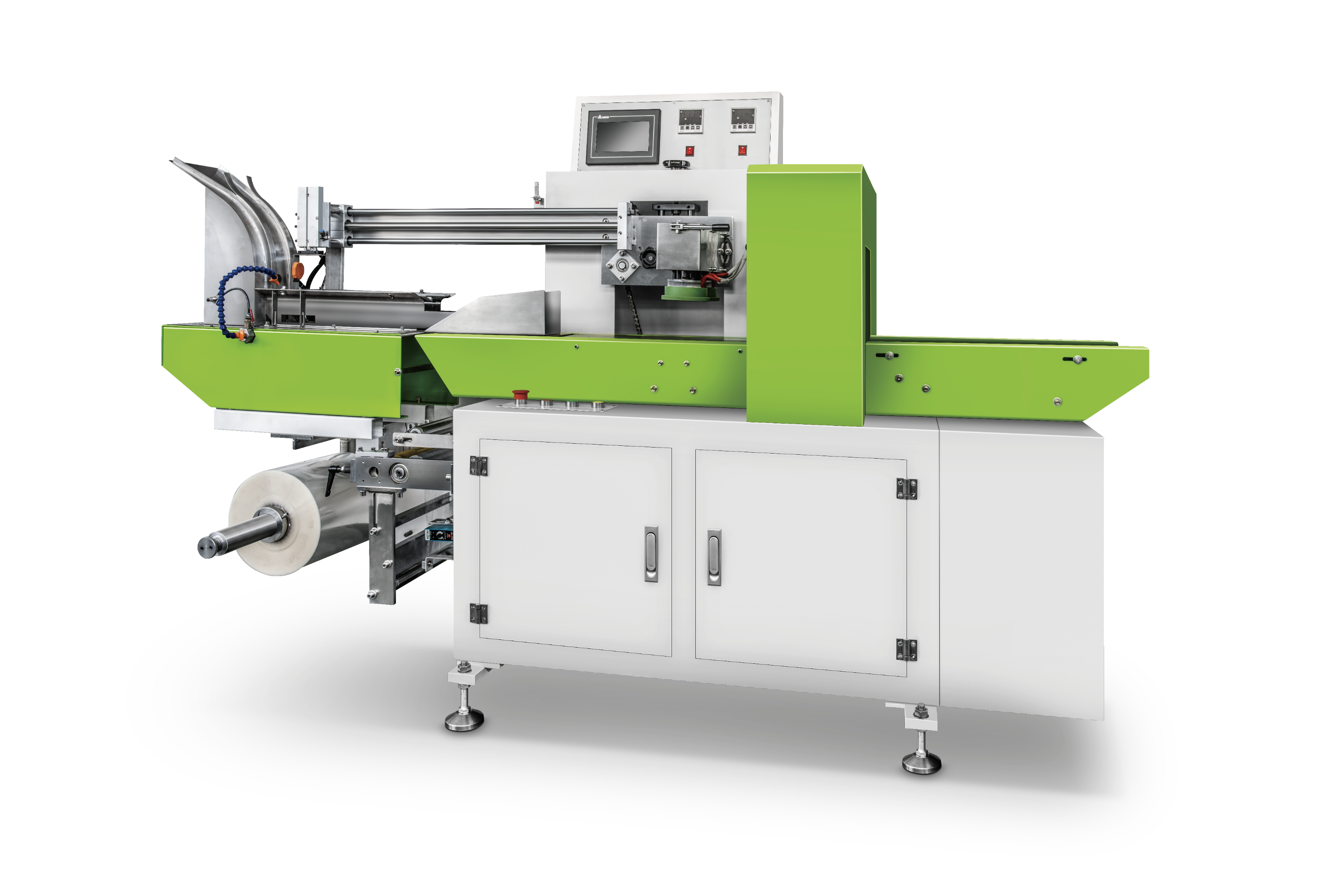
Modern manufacturing demands efficiency, precision, and scalability. The paper cover machine represents one of the most critical assets in packaging production, yet many facilities still rely on manual or semi-automated processes that limit throughput and compromise product quality. Understanding why automation is essential for paper cover machine operations has become non-negotiable for businesses competing in today's fast-paced market. Automation directly addresses the core challenges of production speed, consistency, labor costs, and waste reduction—all of which impact profitability and customer satisfaction.
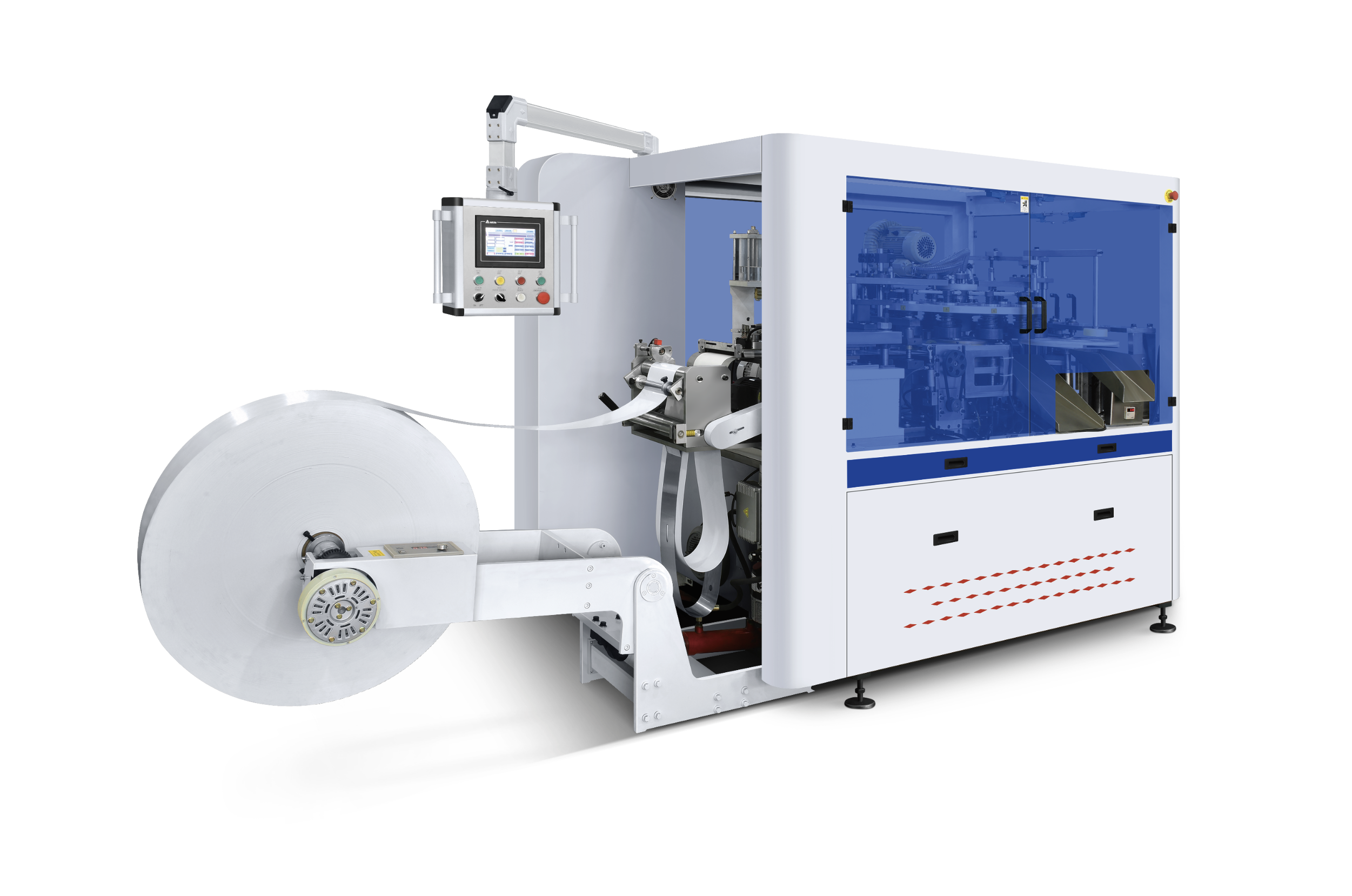
The global packaging industry processes billions of paper covers annually, and the competitive landscape increasingly favors manufacturers who invest in automated paper cover machine technology. Automation transforms production from a labor-intensive, error-prone process into a streamlined, data-driven operation. Organizations that embrace automated paper cover machine systems gain significant advantages in speed, quality control, and operational resilience.
Operational Efficiency and Production Speed
Maximizing Throughput with Automated Paper Cover Machine Systems
Automated paper cover machine equipment operates at rates that manual processes cannot match. A modern automated paper cover machine can produce hundreds to thousands of covers per hour, depending on specifications and material type. This dramatic increase in throughput directly translates to higher revenue generation per production hour. Traditional paper cover machine operations require multiple workers, extended shift management, and frequent changeovers, all of which introduce delays and bottlenecks. Automation eliminates these friction points by enabling continuous, uninterrupted operation. The speed advantage of an automated paper cover machine means facilities can fulfill larger orders faster, meet tight deadlines consistently, and respond to market demand without capacity constraints.
Reducing Downtime and Increasing Availability
A paper cover machine that integrates predictive maintenance capabilities and automated diagnostic systems experiences significantly less unplanned downtime. Modern automated paper cover machine platforms include sensors and monitoring software that detect wear, misalignment, or material jams before they escalate into failures. This proactive approach contrasts sharply with reactive maintenance on older paper cover machine models, which often fail during critical production windows. Automated paper cover machine systems with self-diagnostic functions allow operators to address minor issues quickly, keeping production running smoothly. The cumulative effect is that an automated paper cover machine delivers higher uptime percentages, which directly improves the facility's overall equipment effectiveness (OEE).
Quality Consistency and Product Reliability
Precision Control in Automated Paper Cover Machine Operations
Manual paper cover machine operation introduces variability because each worker applies slightly different pressure, timing, and technique. An automated paper cover machine eliminates human inconsistency by using calibrated mechanical systems, servo motors, and vision-based quality control. Every cover produced by an automated paper cover machine meets identical specifications—consistent dimensions, proper sealing, accurate folding, and flawless alignment. This precision is essential in regulated industries such as food packaging, pharmaceuticals, and consumer goods, where packaging must meet strict compliance standards. An automated paper cover machine maintains this consistency across millions of units, while a paper cover machine operated manually cannot sustain the same quality level over extended runs.
Defect Detection and Waste Reduction
Waste represents a significant cost driver in packaging manufacturing. An automated paper cover machine equipped with integrated vision systems and quality-check algorithms identifies defects in real time and removes substandard covers before they reach customers. A traditional paper cover machine depends on human inspectors, who inevitably miss defects due to fatigue, distraction, or simple human limitation. An automated paper cover machine reduces material waste by detecting and correcting setup issues instantly, preventing entire batches of defective covers from being produced. This defect-prevention capability of an automated paper cover machine not only saves raw material costs but also protects brand reputation by ensuring only compliant, high-quality products reach the market.
Economic Impact and Workforce Optimization
Labor Cost Reduction and Workforce Redeployment
Labor represents one of the largest operating expenses in paper packaging facilities. An automated paper cover machine reduces the headcount required for production, translating directly to lower payroll, benefits, and training costs. A single operator can oversee multiple automated paper cover machine units simultaneously, whereas manual operations require dedicated staff at each paper cover machine. This efficiency gain allows organizations to redeploy skilled workers to higher-value activities such as maintenance, programming, quality assurance, and process optimization. An automated paper cover machine investment pays for itself through labor savings within a predictable timeframe, typically between 18 months and 3 years depending on production volume and labor rates in the region.
Scalability and Competitive Advantage
Growing market demand often outpaces a facility's capacity to expand manual labor. An automated paper cover machine platform enables rapid scaling without proportional increases in headcount. If a facility needs to double output, adding another automated paper cover machine requires only one additional operator, whereas doubling a manual operation requires doubling the workforce. This scalability advantage means an automated paper cover machine investment positions a company to capture new business opportunities quickly. Furthermore, an automated paper cover machine provides a competitive pricing advantage because lower production costs translate to lower per-unit pricing, which attracts larger customer contracts. Organizations with advanced paper cover machine automation gain market share from competitors relying on outdated processes.
FAQ
What specific benefits does an automated paper cover machine deliver compared to manual production?
An automated paper cover machine delivers multiple critical benefits: production speed increases to 500+ covers per hour, defect rates drop below 1%, labor requirements decrease by 60–80%, and quality consistency improves dramatically. An automated paper cover machine also eliminates human error in setup, reduces material waste, and enables remote monitoring. These combined advantages make an automated paper cover machine far more cost-effective and reliable than manual alternatives over the machine's operational life.
How does an automated paper cover machine impact product quality in regulated industries?
In food, pharmaceutical, and consumer goods packaging, regulatory compliance is non-negotiable. An automated paper cover machine maintains dimensional tolerances within micrometers, applies consistent sealing force, and detects defects in real time through integrated vision systems. An automated paper cover machine generates compliance documentation automatically, proving to regulators that every unit meets required standards. A traditional paper cover machine cannot provide this level of traceability or consistency, creating compliance risk and potential market rejection.
What is the typical return on investment for an automated paper cover machine?
Most organizations recover their investment in an automated paper cover machine within 18–36 months through labor cost savings, waste reduction, and increased throughput. The payback period depends on current production volume, labor costs, material waste rates, and the specific paper cover machine model selected. High-volume operations see faster payback, while smaller facilities may extend the timeline but still achieve strong lifetime ROI. After payback, an automated paper cover machine continues generating profit for 10–15 additional years, making it a strategic long-term investment.