
 EN



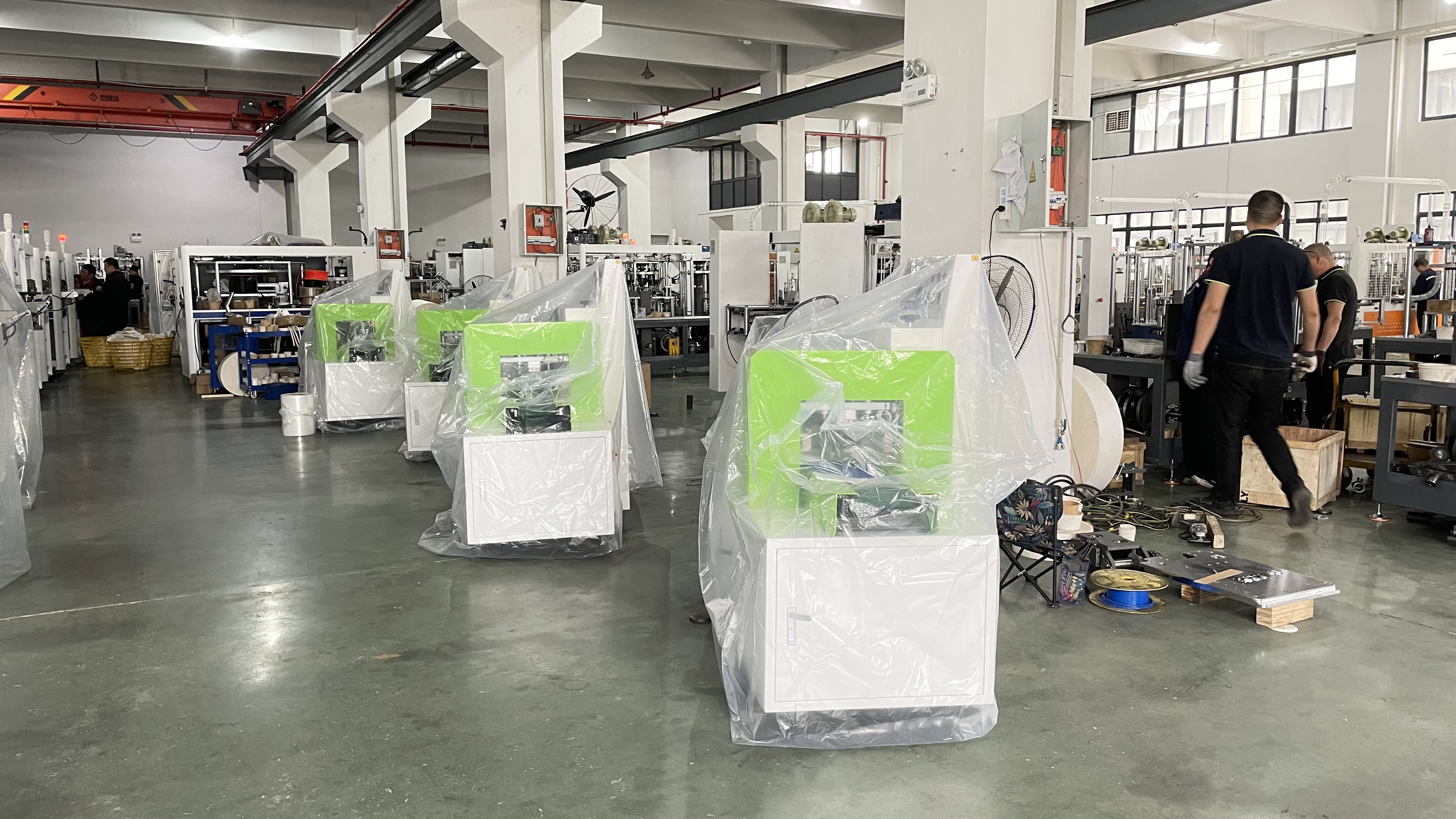
Installing a paper cover machine represents a significant capital investment for any factory. Before committing resources to such equipment, facility managers and production leaders must conduct a thorough evaluation process that examines multiple operational, technical, and financial dimensions. A paper cover machine system automates the process of placing protective covers on products during packaging, and selecting the right solution requires understanding your specific production needs, facility constraints, and long-term business objectives. This comprehensive guide outlines the essential factors factories should assess before moving forward with a paper cover machine installation.
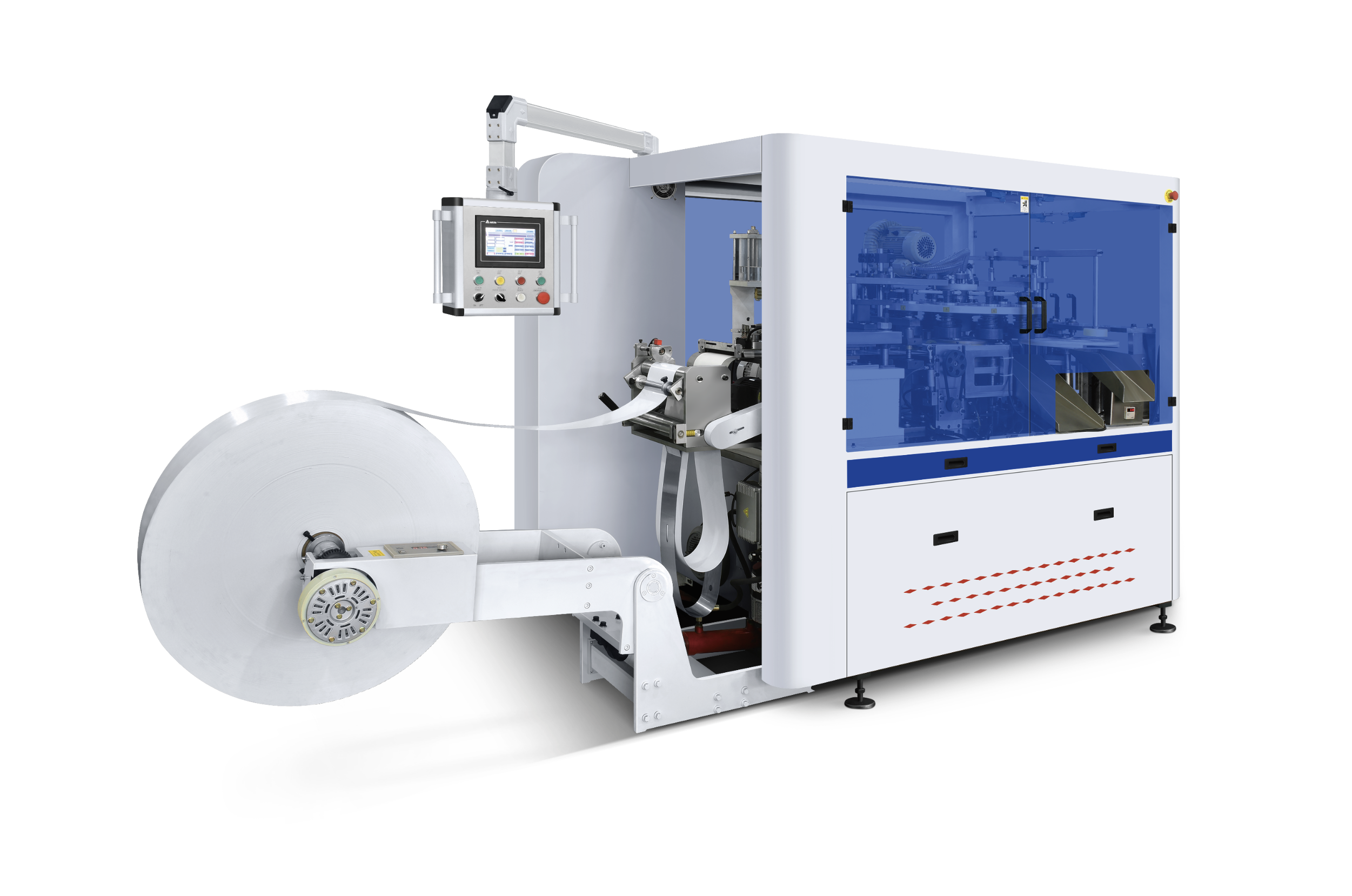
The decision to implement a paper cover machine should not be approached hastily. Factories that take time to evaluate their operational requirements, production volume, existing equipment compatibility, and financial projections typically experience smoother installations and better return on investment. Understanding the critical assessment areas upfront helps prevent costly mistakes, production delays, and underutilized equipment. This article walks through each major evaluation category so your facility can make an informed decision about whether and how a paper cover machine system fits your manufacturing operations.
Production Volume and Throughput Requirements
Assessing Current and Projected Output
One of the first questions your facility must answer is whether your current production volume justifies a paper cover machine investment. A paper cover machine system is most cost-effective when handling consistent, moderate to high-volume output. Review your historical production data over the past two to three years to establish baseline volumes. Then project forward three to five years, factoring in planned capacity expansions, new product lines, or anticipated market growth. If your production is highly seasonal or volatile, you need to calculate the average utilization rate the paper cover machine will experience during both peak and slower periods.
The throughput capacity of a paper cover machine must align closely with your production line speed. If your paper cover machine operates at 60 units per minute but your production line runs at 100 units per minute, you create a bottleneck. Conversely, oversizing the paper cover machine beyond your needs wastes capital and floor space. Work with equipment vendors to understand the specific throughput specifications of different paper cover machine models and verify they match your anticipated production demands. Consider future growth scenarios as well; choosing a paper cover machine with slight overcapacity provides flexibility for business growth without requiring equipment replacement.
Product Specifications and Variation
Your factory must evaluate the range of products your paper cover machine will need to handle. If your product line is simple and uniform in dimensions and weight, any capable paper cover machine can work. However, if you produce diverse product sizes, shapes, or weights, your paper cover machine selection becomes more complex. Some paper cover machine systems offer quick-change components, adjustable guides, and programmable settings that enable flexibility across different product variations. Others are fixed-configuration machines suited only to one product specification.
Document the dimensions, weights, and material types of each product that will pass through the paper cover machine. Determine whether your product line will expand in the near term, which would require your paper cover machine to accommodate new sizes or configurations. Discuss these specifications directly with paper cover machine manufacturers to confirm that their equipment can reliably handle your product range without frequent manual adjustments or downtime.
Equipment Integration and Facility Infrastructure
Compatibility with Existing Production Lines
Before purchasing a paper cover machine, your facility must assess how the system will integrate with your current production workflow. Will the paper cover machine connect directly to an existing conveyor system, or will it operate as a standalone station? Does your production line move at a consistent speed, or does it feature variable-speed sections that could create timing mismatches with the paper cover machine? A poorly integrated paper cover machine can disrupt your entire production flow, creating delays and requiring expensive modifications to both the machine and your existing infrastructure.
Conduct a detailed site survey documenting the layout of your production line, the height of conveyor systems, electrical connection points, and any physical constraints that might affect paper cover machine placement. Share this information with the equipment supplier to ensure their paper cover machine can be properly positioned and connected. Some paper cover machine installations may require conveyor speed adjustments, platform modifications, or new support structures, all of which add cost and project timeline considerations. Identifying these integration challenges early allows you to plan and budget accordingly.
Electrical and Utility Requirements
Every paper cover machine system requires reliable electrical power, and often compressed air or other utilities. Before installation, verify that your facility's electrical infrastructure can support the paper cover machine's power requirements without overloading circuits or requiring costly upgrades to your main distribution panel. Request detailed electrical specifications from the paper cover machine manufacturer, including voltage, amperage, and any special power-conditioning needs. Older facilities may need electrical system upgrades to safely operate a modern paper cover machine.
Similarly, if your paper cover machine relies on compressed air or pneumatic systems, assess your facility's air compressor capacity and quality. A paper cover machine often requires clean, dry air at consistent pressure; inadequate air supply or contaminated air can cause equipment malfunction and frequent maintenance issues. Some factories overlook utility planning when evaluating a paper cover machine and face costly delays when utilities fall short of requirements during installation.
Maintenance, Support, and Total Cost Considerations
Spare Parts Availability and Service Support
An often-overlooked evaluation factor is the availability of spare parts and technical support for your paper cover machine after installation. Research the reputation of the paper cover machine manufacturer regarding warranty coverage, parts availability, and response times for technical support. Ask for references from other factories running the same paper cover machine model to learn about their real-world experience with service and parts availability. A paper cover machine with excellent performance but poor after-sales support can become a significant operational headache if failures occur.
Determine whether spare parts for the paper cover machine are readily available locally, or whether you must source them internationally with extended lead times. High-wear components like belts, sensors, and guide rails should be easily accessible. Request information about the expected maintenance schedule for the paper cover machine and the typical cost of routine maintenance versus emergency repairs. Some paper cover machine suppliers offer preventive maintenance contracts that can help extend equipment life and minimize unexpected downtime.
Training and Operator Capability
Operating and troubleshooting a paper cover machine requires trained personnel. Before committing to a purchase, evaluate whether your current staff has the technical capability to operate and perform basic maintenance on the paper cover machine, or whether you need to invest in training. Some paper cover machine manufacturers include operator training as part of the installation package, while others charge additional fees. Confirm what training and documentation the paper cover machine supplier will provide, and assess how quickly your team can become proficient with the equipment.
Poor operator training leads to frequent adjustments, suboptimal settings, and preventable paper cover machine damage. Factor training costs and the time required for staff to reach full proficiency into your total cost assessment. Consider whether your facility has dedicated maintenance personnel or whether the paper cover machine will be managed by production operators with limited technical background, as this impacts the complexity level the paper cover machine should have.
Return on Investment and Financial Planning
Conduct a rigorous financial analysis to determine whether the paper cover machine investment will deliver acceptable returns. Calculate the total acquisition cost, including purchase price, installation, electrical upgrades, operator training, and initial spare parts inventory. Then project the operational savings and productivity gains the paper cover machine will deliver: reduced labor costs from automation, faster production cycles, lower scrap rates from improved consistency, or ability to access new markets through increased capacity. Many factories underestimate the labor savings from automating paper lid placement with a paper cover machine because they fail to account for freed operator time that can be redirected to other tasks.
Establish a clear payback period target—typically two to four years for factory equipment—and verify that your financial projections support this timeframe. Account for maintenance costs, utility consumption, and any required facility modifications. Be conservative in your productivity estimates; optimistic projections often prove unrealistic in practice. A thorough financial analysis ensures the paper cover machine makes sound business sense before you sign contracts or begin installation.
FAQ
What production volume makes a paper cover machine system worthwhile?
Generally, a paper cover machine becomes financially practical at production volumes of 10,000 to 15,000 units per month and above. At lower volumes, manual covering or simpler equipment may prove more cost-effective. However, the exact threshold depends on your product type, labor costs, and the specific paper cover machine model under consideration. Request financial modeling from equipment suppliers based on your exact production volumes and they can provide payback period estimates for your paper cover machine scenario.
How long does a paper cover machine installation typically take?
A typical paper cover machine installation takes two to four weeks from delivery to full operational status, depending on facility complexity and integration requirements. Simple standalone paper cover machine setups may take one to two weeks, while installations requiring conveyor modifications, electrical upgrades, or extensive production line integration can extend to six to eight weeks. Plan your production schedule accordingly and discuss realistic timelines with your paper cover machine supplier before committing to an installation date.
What happens if product specifications change after the paper cover machine is installed?
Most modern paper cover machine systems include programmable settings and quick-change components that allow operators to adjust the equipment for different product sizes and specifications. However, the flexibility varies by paper cover machine model. Some machines accommodate a wider range of product variations through software adjustments, while others require physical component changes that take 15 to 30 minutes per adjustment. When evaluating a paper cover machine, confirm its flexibility for your anticipated product variations and confirm that format changes fit within your production planning windows.