
 EN



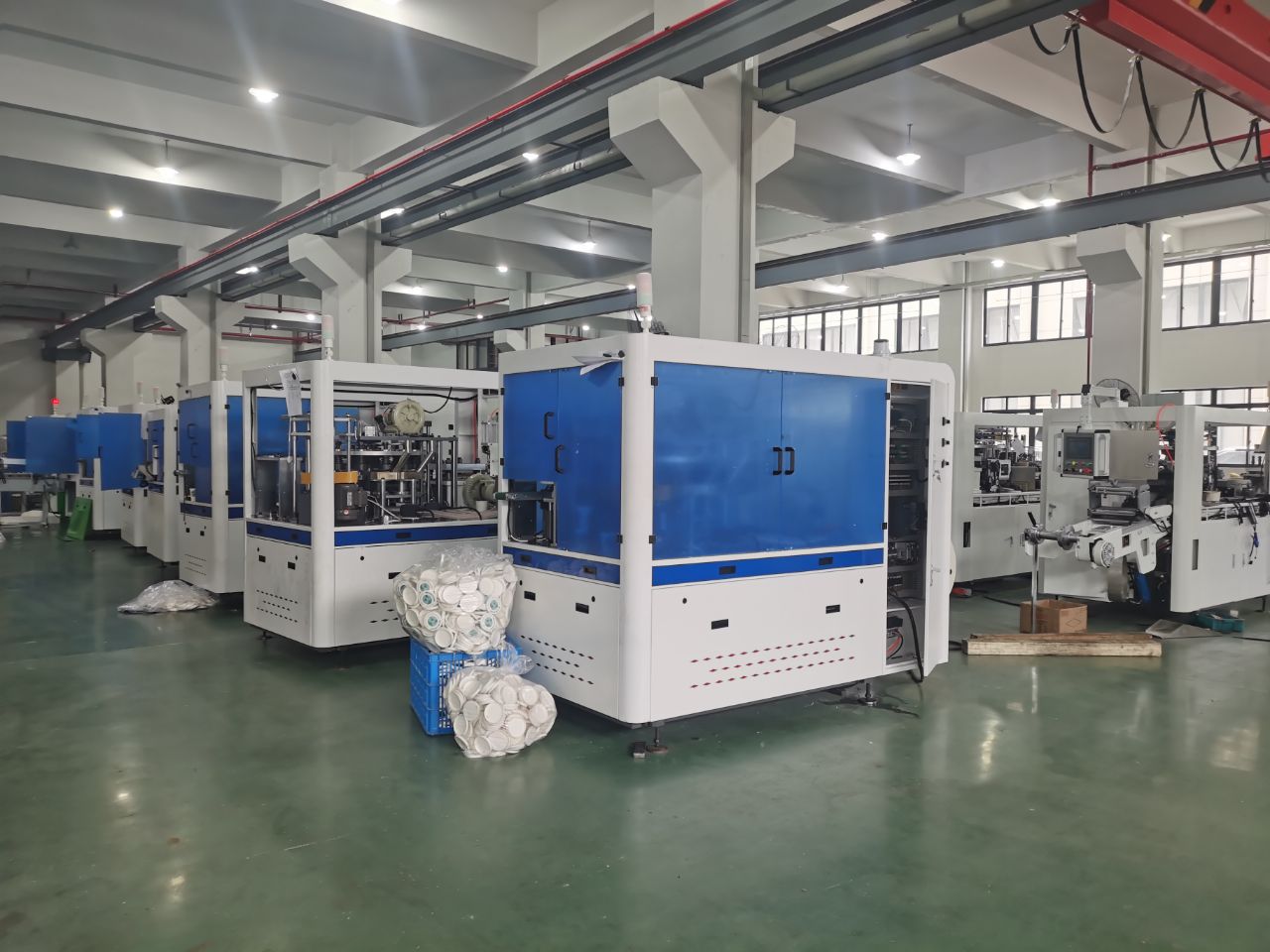
Packaging manufacturing demands precision, speed, and reliability to remain competitive in today's fast-paced market. A paper cover machine represents a critical investment for facilities seeking to enhance their production output while maintaining consistent quality. Modern packaging lines require equipment that not only performs its primary function but also integrates seamlessly with existing workflows and reduces operational bottlenecks. Understanding how a 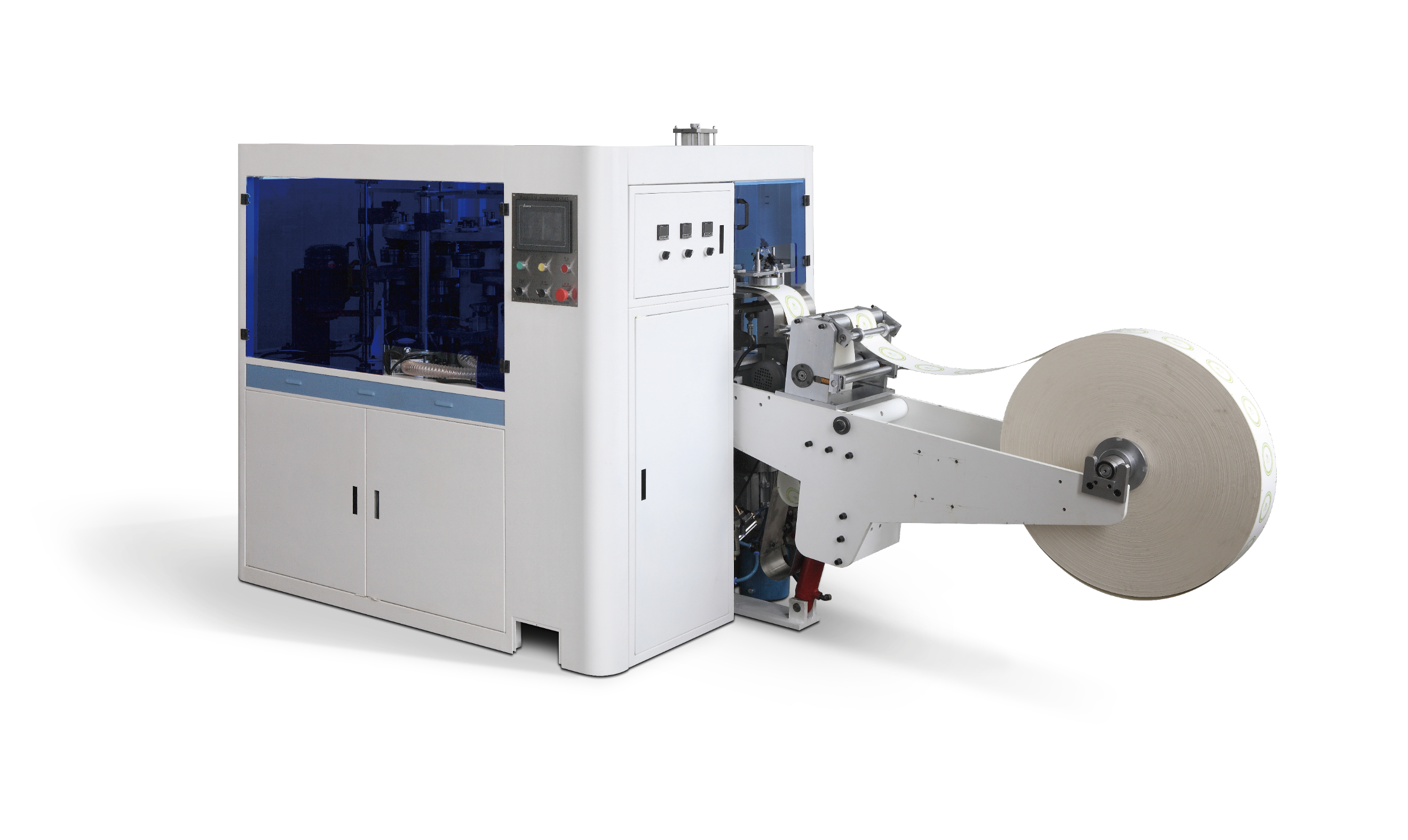 directly improves efficiency helps manufacturers make informed decisions about equipment upgrades and process optimization.
The efficiency gains delivered by a paper cover machine extend far beyond simple automation. These systems eliminate manual handling delays, reduce product damage during the covering process, and enable higher throughput rates across entire packaging lines. By automating the application of paper covers to containers and products, manufacturers can achieve consistent cycle times while minimizing labor costs and human error. The result is a more reliable, faster production environment that directly impacts profitability and customer satisfaction.
How Paper Cover Machines Accelerate Production Speed
Automated Application Process
Traditional manual paper cover application introduces significant production delays. Workers must position each cover precisely, handle products carefully, and maintain consistent timing throughout their shift. A paper cover machine eliminates these limitations by automating the entire covering sequence. Once the system is calibrated and parameters are set, the paper cover machine executes thousands of identical operations without fatigue, variation, or safety concerns. This automation directly translates to higher pieces-per-minute rates, allowing packaging lines to meet aggressive production targets and respond to sudden demand spikes.
The mechanical precision of a paper cover machine ensures each product receives consistent cover placement and pressure application. Unlike manual workers who may tire or lose focus, the machine maintains uniform quality throughout the entire production run. This consistency eliminates the need for secondary quality checks, further accelerating the overall throughput. Manufacturers using a paper cover machine report significant reductions in cycle time per unit, particularly when processing high-volume batches where the machine's speed advantage becomes most pronounced.
Continuous Operation Capability
A paper cover machine operates continuously during scheduled production windows, generating output without the breaks required by human workers. While operators manage other packaging line tasks, the paper cover machine focuses exclusively on applying covers with constant velocity and repeatability. This continuous duty cycle means manufacturers can schedule longer production runs with fewer interruptions, reducing setup times and changeover delays. Modern paper cover machine systems include quick-change components that allow rapid format adjustments when switching between different product sizes or cover styles, minimizing downtime during product transitions.
Quality Consistency and Waste Reduction Benefits
Eliminating Cover Application Defects
Manual paper cover application introduces numerous failure modes, including misalignment, wrinkles, tears, and improper adhesion. Each defect requires either rework or scrapping, directly reducing yield rates. A paper cover machine applies covers with mechanical precision that human hands cannot match, virtually eliminating misalignment and wrinkle issues. The system's standardized approach ensures every cover meets identical quality parameters, producing uniform appearance across entire production batches. This defect reduction translates directly to higher first-pass yield rates and lower scrap costs.
Quality consistency from a paper cover machine also enhances brand reputation. Retail customers and end consumers notice when product packaging appears professionally finished and uniform. Packaging defects damage brand perception and may trigger customer complaints or returns. By deploying a paper cover machine that guarantees consistent cover quality, manufacturers protect their brand image while reducing customer service costs. The machine's repeatable performance means every box, container, or product leaving the facility meets the same quality standard.
Material Efficiency and Cost Savings
A paper cover machine optimizes paper material usage through precise cutting and placement algorithms. Manual application often wastes paper through improper sizing, excessive overlap, or damaged covers that must be discarded. The automated system minimizes paper waste by calculating exact positioning and applying consistent tension during the covering process. Over time, reduced paper waste delivers substantial cost savings, particularly in high-volume operations where small efficiency percentages translate to significant material cost reductions.
Labor cost reduction represents another major efficiency benefit. A single paper cover machine can replace two to four manual workers while operating faster and longer. The machine requires minimal supervision, allowing existing staff to manage multiple machines or focus on higher-value tasks elsewhere in the facility. This labor efficiency gain improves overall facility productivity while reducing payroll burden, training requirements, and associated employment overhead.
Integration and Production Line Advantages
Seamless Workflow Integration
Modern paper cover machine systems integrate directly into existing packaging line infrastructure through standardized interfaces and control protocols. The paper cover machine communicates with upstream filling or formatting equipment and downstream boxing or case packing systems, creating a coordinated production flow. This integration eliminates bottlenecks that occur when manual processes interrupt the line's rhythm. The machine's output rate can be synchronized with other line components, ensuring smooth material flow and preventing accumulation of partially processed products.
Advanced paper cover machine models include digital controls and monitoring systems that track production metrics in real time. Operators can view throughput data, identify performance trends, and receive alerts when parameters drift outside acceptable ranges. This visibility enables proactive maintenance scheduling and quick troubleshooting, preventing unplanned downtime. Integration also simplifies recordkeeping and traceability, supporting regulatory compliance and quality documentation requirements that modern packaging manufacturers must maintain.
Flexibility for Multiple Product Types
A versatile paper cover machine adapts to different product geometries, cover materials, and application methods without extensive modification. Quick-change tooling allows operators to convert the machine between different product types in minutes rather than hours. This flexibility enables manufacturers to operate efficiently across diverse product portfolios, maximizing equipment utilization and reducing the need for multiple specialized machines. The paper cover machine's adaptability makes it a valuable asset in facilities that produce varied packaging formats.
Scalability represents another efficiency advantage. As production volumes grow, the same paper cover machine accommodates increased output by maintaining higher line speeds or running extended shifts. Unlike manual processes that face natural limits based on worker availability and fatigue, the paper cover machine scales output proportionally with demand. This scalability allows manufacturers to grow revenue without proportional increases in equipment or facility investments.
FAQ
What production speed increases should manufacturers expect from a paper cover machine?
Most manufacturing facilities experience throughput improvements of 40 to 60 percent after deploying a paper cover machine, depending on their previous manual application method and product specifications. Some high-volume operations report even greater gains when the paper cover machine enables longer continuous production runs without worker fatigue-related slowdowns. The actual improvement varies based on product complexity, cover material, and the machine model selected, but nearly all facilities achieve measurable speed benefits within the first operational months.
How does a paper cover machine reduce operating costs beyond labor savings?
Beyond labor reduction, a paper cover machine cuts costs through reduced material waste, lower scrap rates from application defects, and minimized product damage during the covering process. The machine's precision eliminates rework cycles that consume time and materials. Additionally, the paper cover machine operates more reliably than manual processes, reducing quality-related customer returns and associated logistics costs. Energy consumption is typically lower per unit produced when compared to the cumulative overhead of maintaining multiple manual workers.
Can a paper cover machine handle variable product sizes?
Modern paper cover machine systems include adjustable components and programmable parameters that accommodate reasonable variations in product dimensions and cover sizes. Quick-change tooling allows the paper cover machine to transition between different product formats efficiently. However, extreme variations may require additional setup time or specialized accessories. Manufacturers should confirm that their specific product range falls within the paper cover machine model's adjustment capabilities before purchasing to ensure seamless integration into their production environment.