
 EN



Food safety and hygiene represent the cornerstone of modern food packaging operations. A paper cover machine has become increasingly relevant for manufacturers seeking to produce food container covers that meet strict health and safety regulations. The question of suitability extends beyond simple functionality—it encompasses compliance with food safety standards, material quality, production speed, and contamination prevention. Understanding whether a paper cover machine aligns with your hygienic food container production needs requires examining technical capabilities, regulatory requirements, and real-world operational performance in food-grade environments.
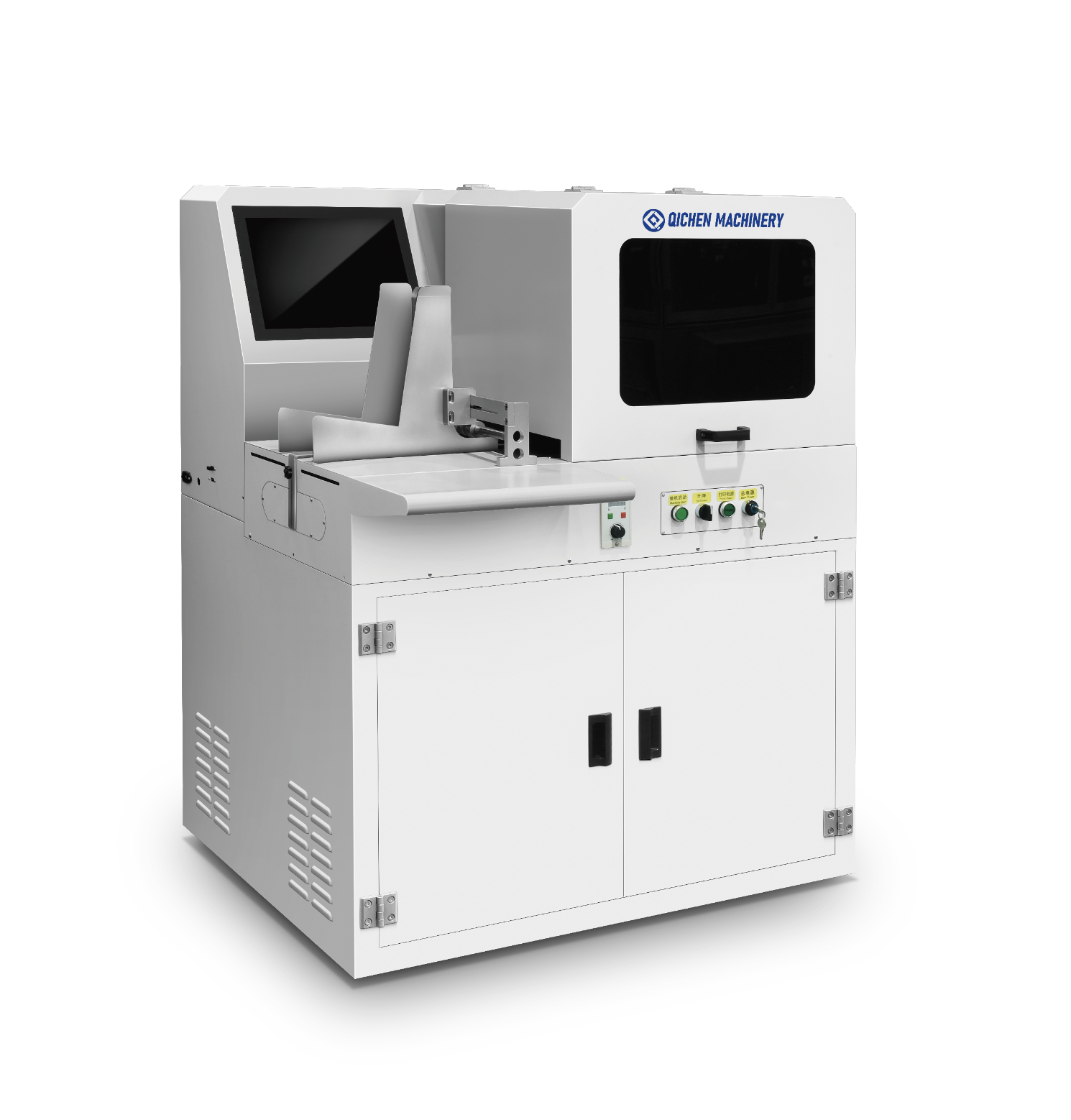
The suitability of a paper cover machine for food applications depends on several interconnected factors including material specifications, machine design, production standards, and your facility's compliance infrastructure. Modern paper cover machines designed for food service are engineered to minimize contamination risks while maintaining production efficiency. The decision to implement a paper cover machine in your facility requires careful evaluation of your specific production volume, required certifications, material sourcing capabilities, and operational protocols.
Material Standards and Food Safety Compliance
Understanding Food-Grade Paper Requirements
When operating a paper cover machine for food container covers, the paper material itself must meet rigorous food safety standards. Food-contact paper used in your paper cover machine must comply with FDA regulations, particularly Title 21 CFR Part 176, which governs indirect food additives. The paper must be free from harmful chemicals, be non-toxic, and demonstrate resistance to moisture and grease penetration. A paper cover machine capable of handling food-grade materials requires specific material sourcing protocols and verification procedures to ensure compliance throughout production cycles.
Certifications and Regulatory Alignment
Your paper cover machine must support production of covers that meet applicable certifications such as ISO 9001, BRC Global Standards for food packaging, or local food safety certifications. A quality paper cover machine will be designed with materials and processes that align with these requirements from the outset. Manufacturers using a paper cover machine for hygienic food container covers should verify that equipment suppliers provide documentation of compliance testing, material certifications, and validation reports. Regular audits of your paper cover machine's output ensure continued adherence to food safety standards throughout its operational lifetime.
Production Design Features for Hygiene Protection
Contamination Prevention Through Equipment Design
A purpose-built paper cover machine designed for food containers incorporates specific features to minimize contamination risks. These include enclosed production areas that limit environmental exposure, stainless steel components where food contact occurs, and automated handling systems that reduce manual intervention. The paper cover machine should feature easy-to-clean surfaces, washable production jigs, and designed workflows that prevent cross-contamination between batches. Advanced paper cover machine models include integrated quality control sensors that detect defects, tears, or material inconsistencies before covers reach packaging operations, ensuring only compliant covers enter food service environments.
Operational Hygiene and Maintenance Protocols
Successful hygienic production using a paper cover machine requires comprehensive maintenance and sanitation procedures. Your paper cover machine should be cleaned according to documented schedules that align with food safety regulations and your facility's hygiene protocols. Staff operating the paper cover machine need training on proper procedures, material handling, and contamination prevention. A well-maintained paper cover machine incorporates design features that facilitate thorough cleaning, such as minimal crevices where debris might accumulate, quick-disconnect water connections, and access points for inspection and sanitization between production runs.
Production Efficiency and Scalability Considerations
Output Capacity and Speed Performance
The efficiency of a paper cover machine directly impacts your facility's profitability and ability to meet customer demand. Modern paper cover machines designed for food container covers operate at speeds ranging from moderate to high output, depending on model specifications and cover design complexity. A paper cover machine suitable for food production balances speed with accuracy—producing covers quickly without compromising quality or contamination prevention. When evaluating a paper cover machine, consider whether its output capacity aligns with your production forecasts, seasonal demand variations, and growth projections over the equipment's useful life.
Material Waste and Resource Optimization
A well-engineered paper cover machine minimizes material waste through precise cutting, forming, and quality control during production. The paper cover machine achieves this through optimized die design, consistent machine calibration, and real-time defect detection systems. Lower scrap rates from your paper cover machine directly reduce raw material costs and environmental impact. Additionally, a paper cover machine that uses paper efficiently means your facility requires less frequent material ordering, reducing storage requirements and improving cash flow in food packaging operations.
Implementation and Transition Considerations
Facility Integration and Space Requirements
Installing a paper cover machine in your existing food packaging facility requires careful planning regarding space allocation, utility infrastructure, and workflow integration. The paper cover machine needs appropriate electrical supply, potential water connections for cooling systems, and adequate ventilation for dust management. Your facility layout should accommodate the paper cover machine in a clean production area separate from other operations that might introduce contamination sources. Successful integration of a paper cover machine means revising material flows so that raw paper stock enters cleanly, the paper cover machine operates in a protected environment, and finished covers transfer directly to sterile packaging stations.
Staff Training and Operational Expertise
Maximizing the benefits of a paper cover machine requires that your team possesses adequate training and expertise. Operators need instruction on machine setup, material loading, quality inspection, and troubleshooting common issues with the paper cover machine. Maintenance personnel must understand preventive maintenance procedures specific to your paper cover machine model, including lubrication points, belt tensions, and sensor calibration. Documentation of all training, maintenance activities, and quality checks creates an audit trail that demonstrates your facility's commitment to safe, hygienic production using the paper cover machine.
FAQ
Can a paper cover machine meet FDA food contact material requirements?
Yes, a paper cover machine specifically engineered for food applications can meet FDA requirements when operated with food-grade paper materials and proper protocols. The paper cover machine itself must be manufactured from materials compatible with food processing, and operators must maintain documentation of material certifications and compliance testing. Regular validation ensures your paper cover machine continues meeting all applicable FDA standards throughout its operational life.
What maintenance procedures keep a paper cover machine hygienic and compliant?
Comprehensive maintenance of a paper cover machine includes scheduled cleaning of all food-contact surfaces, inspection for wear or damage, calibration of sensors and positioning systems, and sanitation between production batches. Your facility should maintain written maintenance logs for the paper cover machine, track replacement of consumable parts, and conduct periodic validation testing to confirm the machine produces covers meeting food safety standards. Professional servicing by qualified technicians ensures your paper cover machine remains in optimal condition.
How does a paper cover machine compare to alternative food container cover production methods?
A paper cover machine offers advantages including automated consistency, reduced labor costs, and the ability to produce covers from sustainable materials. Compared to manual production methods, a paper cover machine delivers superior hygiene control and faster throughput. The choice depends on your facility's production volume, available capital, and long-term strategic goals. Many food packaging operations find a paper cover machine represents an optimal balance between automation benefits, quality assurance, and investment efficiency for producing hygienic food container covers at scale.