
 EN



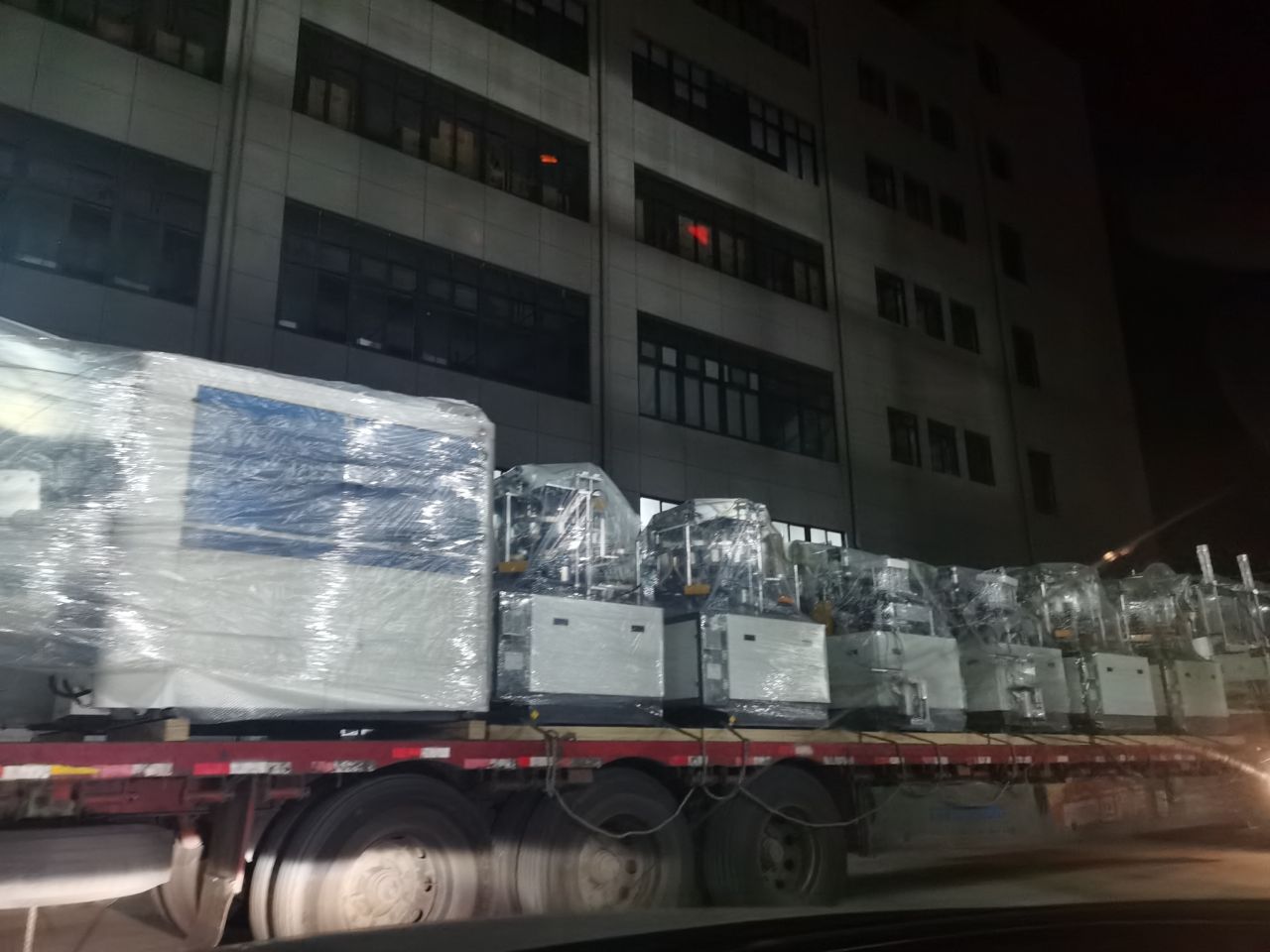
The packaging industry has undergone significant transformation with the introduction of advanced automation technologies. A paper cover machine has become an essential asset across multiple industrial sectors, streamlining production processes and improving efficiency at scale. Understanding which industries rely most heavily on paper cover machine solutions provides valuable insight into modern manufacturing and packaging operations.
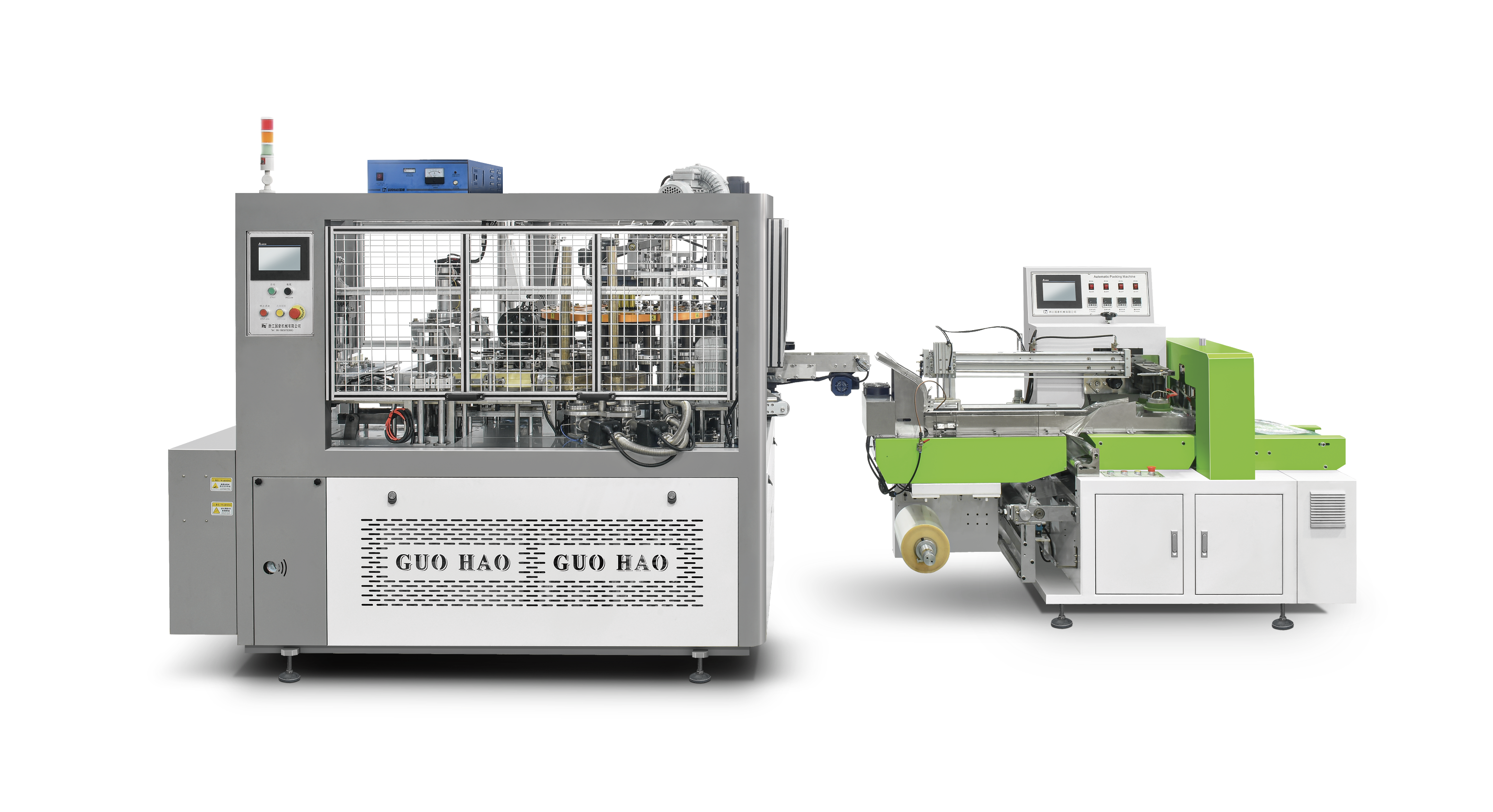
Organizations across food service, quick-service restaurants, retail beverage chains, and industrial manufacturing now depend on paper cover machine technology to meet consumer demand while maintaining cost control. The paper cover machine solves critical packaging challenges by automating the application of protective covers to containers, reducing manual labor, minimizing waste, and ensuring consistent product presentation. This article explores the primary industries that have adopted paper cover machine solutions and examines why these sectors consider this technology fundamental to their operations.
Food Service and Quick-Service Restaurant Industry
High-Volume Production Demands
The quick-service restaurant sector represents one of the largest consumer groups for paper cover machine solutions. Fast-food chains, casual dining establishments, and food delivery services process thousands of beverage containers daily, making automated covering solutions essential. A paper cover machine enables these operations to handle peak-hour volume without proportionally increasing labor costs, which directly impacts profitability in an industry with slim margins.
Food service operators face constant pressure to accelerate throughput while maintaining hygiene standards. The paper cover machine addresses both requirements by automating the cover application process, eliminating touchpoints that could compromise food safety. This technology allows franchise locations and central commissaries to scale production during peak seasons without hiring temporary staff or investing in additional manual workstations.
Consumer Protection and Brand Consistency
Quality presentation directly influences customer perception in the food service market. Paper cover machine solutions ensure uniform cover application across all produced items, maintaining brand consistency whether a drink is prepared at a downtown location or a suburban outlet. This standardization builds consumer confidence and supports brand recognition across multiple franchise locations.
Hygiene concerns have intensified post-pandemic, and paper cover machine technology addresses contamination risks by minimizing human contact with final products. The paper cover machine automatically places covers on containers without manual handling, reducing potential pathogen transfer and strengthening food safety certifications that many chains require for regulatory compliance and customer assurance.
Beverage Manufacturing and Packaging Sector
Specialized Container Solutions
Beverage manufacturers who produce ready-to-drink products, smoothies, coffee-based drinks, and specialty beverages depend on paper cover machine technology for efficient packaging operations. These companies often work with various container sizes and types, from disposable cups to plastic containers, and a paper cover machine accommodates multiple specifications within a single production line. This flexibility allows beverage manufacturers to reduce line changeover time and increase overall equipment utilization.
The beverage industry faces strict timeline requirements to deliver fresh products to retail locations within narrow quality windows. Paper cover machine solutions accelerate production cycles, enabling manufacturers to meet delivery schedules while maintaining product freshness and visual appeal. The automated application of covers ensures consistent sealing and presentation, which is particularly important for premium beverage brands that compete on perceived quality.
Sustainability and Waste Reduction
Modern beverage manufacturers prioritize sustainability, and paper cover machine technology contributes to these goals by minimizing material waste during application. The precision of automated systems reduces misaligned covers and dropped containers compared to manual processes, translating to lower material costs and reduced environmental impact. Paper cover machine solutions also facilitate the use of eco-friendly paper-based covers instead of plastic alternatives, aligning with industry-wide sustainability commitments.
Beverage companies increasingly face pressure from consumers and retailers to reduce packaging waste and adopt environmentally responsible practices. A paper cover machine enables manufacturers to implement efficient covering processes that maximize the use of sustainable materials while maintaining production speed and product protection standards that retail partners require.
Retail and Distribution Center Operations
Central Packaging Hub Efficiency
Large retail chains and distribution centers that prepare products for store shelves or direct consumer shipment rely on paper cover machine solutions to manage massive daily volumes. These operations often serve multiple retail locations or online fulfillment channels simultaneously, requiring production flexibility that only automated systems can provide. The paper cover machine enables distribution centers to process thousands of items daily while maintaining consistent quality standards across all shipments.
Retail distribution operations face extreme time sensitivity because store-level inventory management depends on predictable delivery schedules. A paper cover machine accelerates packaging processes, reducing the time between product preparation and shipment, which helps retailers respond quickly to point-of-sale demand signals. This operational efficiency directly supports retail supply chain performance and customer satisfaction at the store level.
Customization and Multi-Product Capability
Modern retail distribution centers stock hundreds of product variations, and paper cover machine technology accommodates this diversity through flexible programming and quick-change components. Operators can configure the machine to apply covers to products of different sizes and types within hours rather than days, enabling centers to switch between product categories efficiently. This adaptability makes the paper cover machine particularly valuable in retail environments where seasonal products and promotional items create frequent production changes.
Retail organizations leverage paper cover machine flexibility to support omnichannel operations that combine physical store fulfillment with direct-to-consumer shipping. A single paper cover machine can support both high-volume store deliveries and smaller custom orders, providing operational scalability that reduces the need for multiple packaging systems or locations.
Specialized Industrial Manufacturing Applications
Pharmaceutical and Healthcare Packaging
Pharmaceutical and healthcare companies employ paper cover machine solutions to package liquid medications, health supplements, and medical preparations that require protective covering for regulatory compliance and product preservation. The paper cover machine ensures that covers meet strict cleanliness and sterility requirements, with documentation capabilities that support regulatory audits and traceability standards essential in healthcare manufacturing.
Healthcare packaging demands precision and absolute consistency because product safety directly affects patient outcomes. A paper cover machine delivers the repeatability and control that pharmaceutical operations require, with built-in quality verification systems that detect and reject improperly applied covers before products reach distribution channels. This reliability is non-negotiable in healthcare applications where packaging defects could result in regulatory sanctions or patient harm.
Chemical and Industrial Liquid Processing
Manufacturing facilities that produce chemical compounds, lubricants, cleaning solutions, and other industrial liquids frequently use paper cover machine technology to apply protective covers that identify product contents and ensure safe handling. The paper cover machine applies covers that withstand temperature variations and chemical exposure, maintaining label integrity and product protection throughout storage and transportation.
Industrial chemical manufacturers rely on paper cover machine solutions to support regulatory compliance programs that require documented traceability and clear product identification. Automated cover application creates consistent documentation that simplifies audits and reduces the likelihood of shipping errors that could result in workplace safety incidents or regulatory violations.
FAQ
What size companies typically invest in paper cover machine systems?
Both large enterprises and mid-sized operations deploy paper cover machine solutions, though investment timing varies. Large organizations with annual throughput exceeding one million units typically justify paper cover machine investment through immediate labor cost reduction, while mid-sized companies often adopt the technology to support growth without proportionally increasing staffing. Smaller operations may lease or share paper cover machine access through co-packing arrangements rather than purchasing independently.
How does a paper cover machine improve product quality consistency?
A paper cover machine eliminates human variables in cover application, ensuring identical positioning, pressure, and alignment for every product. This consistency strengthens brand perception, reduces product complaints related to packaging defects, and supports regulatory compliance documentation. The paper cover machine's precision creates measurable quality standards that manual processes cannot match, directly contributing to customer satisfaction and reduced returns.
What return on investment timeline do companies experience from paper cover machine deployment?
Organizations typically recover paper cover machine investment within 18 to 36 months through labor savings, waste reduction, and improved throughput efficiency. High-volume operations in food service and beverage manufacturing may achieve payback within 12 to 18 months, while lower-volume specialized manufacturers may require a longer timeline. Additional benefits including improved product quality and reduced compliance risk create secondary financial advantages beyond direct operational savings.