
 EN



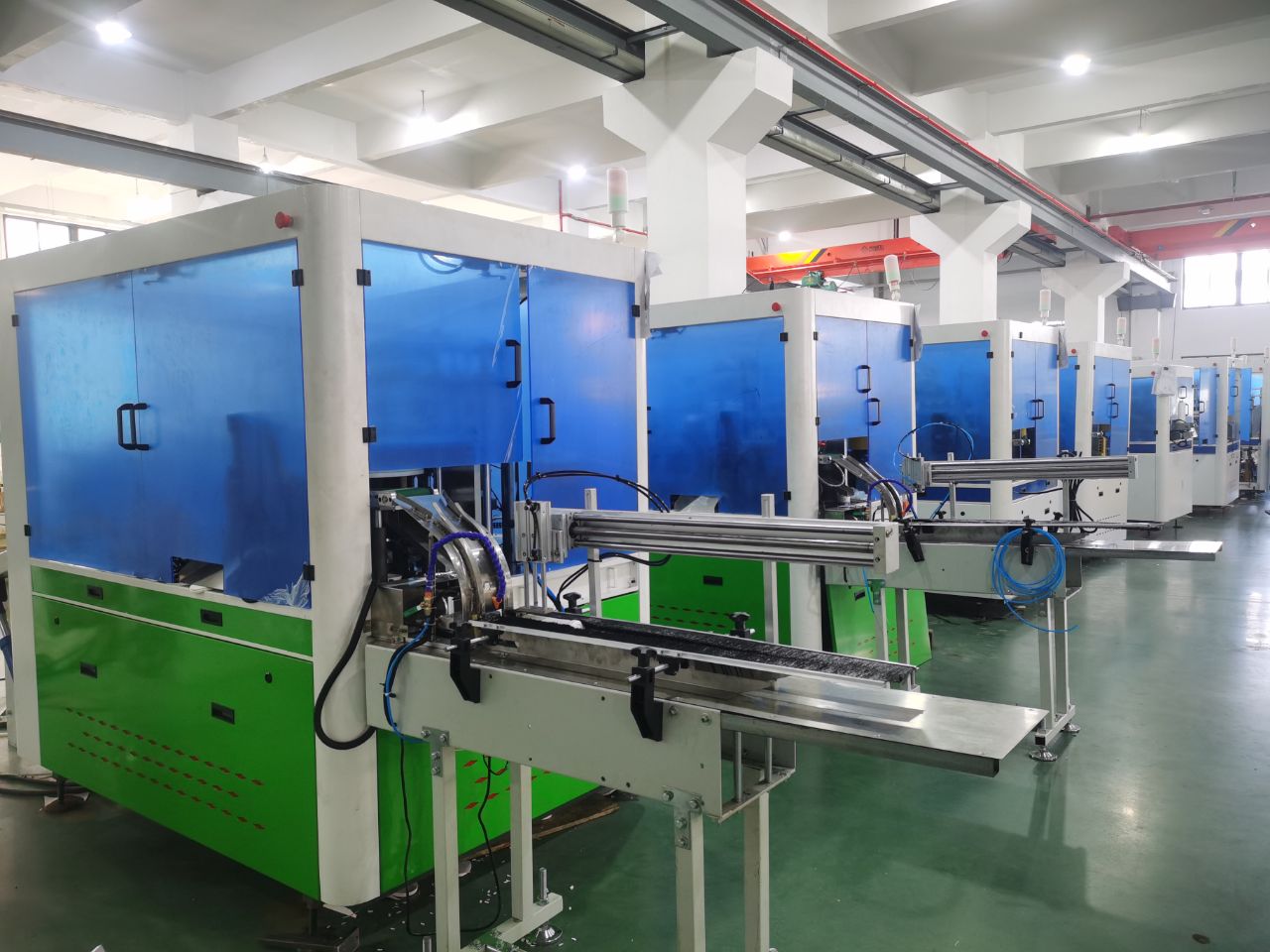
A paper cover machine is critical equipment in packaging and production facilities, requiring consistent attention to deliver reliable performance. Daily maintenance of your paper cover machine directly impacts production quality, reduces unexpected downtime, and extends the lifespan of expensive equipment. Understanding how to maintain optimal performance of a paper cover machine through routine checks and preventative care ensures your facility operates at peak efficiency.
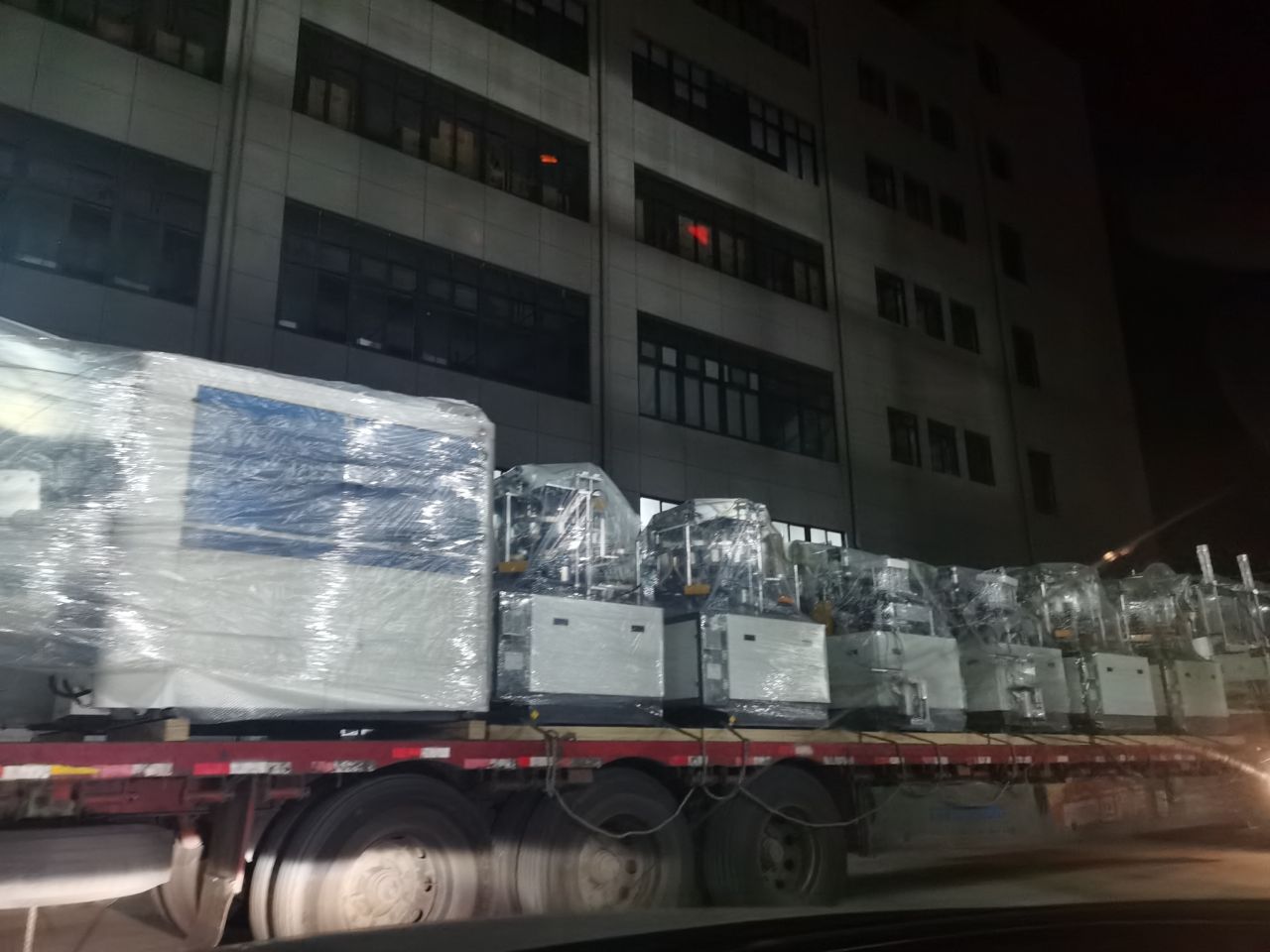
The investment in a paper cover machine represents a significant commitment to your production capabilities, making maintenance a strategic priority. By implementing structured daily maintenance protocols for your paper cover machine, operators can identify wear patterns early, prevent costly repairs, and maintain consistent output quality. This guide explores practical strategies for maintaining optimal performance of your paper cover machine and ensuring operational continuity.
Understanding Daily Maintenance Fundamentals
Core Maintenance Objectives for Paper Cover Machine Operations
Maintaining optimal performance of a paper cover machine requires understanding the fundamental objectives that guide all maintenance activities. A paper cover machine operates through precise mechanical and hydraulic systems that must work in harmony to produce quality output. Daily maintenance of a paper cover machine focuses on three primary goals: preventing mechanical wear, ensuring consistent product quality, and maintaining safety standards for operators.
The paper cover machine components most prone to degradation include feed rollers, pressure systems, heating elements, and adjustment mechanisms. Regular monitoring prevents small issues from becoming expensive breakdowns. When maintaining your paper cover machine daily, prioritize identifying unusual sounds, vibrations, temperature changes, or output inconsistencies that signal potential problems.
Documentation and Record-Keeping Systems
Effective maintenance of a paper cover machine depends on systematic documentation of all observations and interventions. Create a daily maintenance log specifically for your paper cover machine that captures date, time, operator name, observations, adjustments made, and any anomalies detected. This record becomes invaluable when diagnosing recurring issues or planning major maintenance activities for your paper cover machine.
Digital or paper-based systems for tracking paper cover machine performance help establish baseline operating parameters and detect gradual performance drift. Maintenance records also provide evidence of compliance with warranty requirements and operational protocols specific to your paper cover machine model.
Essential Daily Inspection Procedures
Pre-Start Checks Before Operating Paper Cover Machine
Before activating your paper cover machine each day, conduct a thorough visual inspection of all accessible components. Examine the paper cover machine's feed system for jammed debris, torn paper fragments, or foreign objects that could cause operational problems. Check that all guards and safety features on the paper cover machine are properly positioned and functional.
Inspect the paper cover machine's electrical connections and compressed air lines for loose fittings, visible damage, or deterioration. Verify that the paper cover machine emergency stop button functions correctly and that all control panel indicators are displaying normal readings. These pre-start procedures for your paper cover machine typically require 5 to 10 minutes but prevent the majority of operational issues.
Running Condition Monitoring Throughout Shifts
While your paper cover machine operates, maintain active observation of performance indicators and output quality. Monitor the paper cover machine for unusual noise patterns, vibrations, or temperature increases that differ from normal operation. Pay attention to edge quality, cover alignment, and any variations in finished product dimensions produced by your paper cover machine.
The paper cover machine's hydraulic system should operate smoothly without jerking motions or pressure fluctuations. Temperature gauges on your paper cover machine should remain within manufacturer specifications. Any deviation in the paper cover machine's normal operating behavior warrants immediate investigation to prevent damage escalation.
Lubrication and Fluid Management Practices
Lubrication Schedule for Paper Cover Machine Components
Proper lubrication is fundamental to maintaining optimal performance of a paper cover machine and extends the operational life of mechanical components significantly. The paper cover machine manufacturer provides specific lubrication schedules indicating which components require lubrication, the type of lubricant, and the recommended frequency. Follow these specifications precisely for your paper cover machine to avoid using incompatible lubricants that damage seals and bearings.
Daily checks of your paper cover machine should include visual verification that lubricant levels in reservoirs remain adequate. Apply lubricant to designated bearing points on your paper cover machine according to the maintenance schedule, ensuring even distribution without over-lubrication that attracts dust and paper debris. The paper cover machine's moving mechanisms must receive particular attention since these areas experience the most wear.
Oil and Fluid Quality Assessment
Maintaining optimal performance of a paper cover machine requires monitoring hydraulic oil condition and cleanliness in the paper cover machine's fluid systems. Discolored, cloudy, or foul-smelling oil in your paper cover machine indicates contamination requiring immediate fluid replacement. Paper cover machine hydraulic systems are sensitive to particulate contamination that accelerates component wear and reduces system efficiency.
Check that your paper cover machine's fluid filters are not blocked by examining pressure gauges and filter condition indicators. Replace filters on the recommended schedule for your paper cover machine before they become excessively clogged. Clean fluid systems ensure the paper cover machine operates reliably and reduces the likelihood of sudden failures during production runs.
Adjustment, Calibration, and Quality Control
Precision Settings for Paper Cover Machine Performance
The paper cover machine requires precise calibration of feed speed, pressure settings, and heating temperatures to maintain consistent product quality. Daily checks should verify that all adjustment mechanisms on your paper cover machine remain secure and have not drifted from set values. Minor adjustments to your paper cover machine may be necessary after extended operation as thermal expansion and component settling occur.
Measure output dimensions regularly to detect when your paper cover machine requires recalibration. The paper cover machine's pressure systems must be adjusted according to paper thickness and cover material specifications. Record these settings in your maintenance log for your paper cover machine to track whether adjustments are becoming more frequent, indicating underlying mechanical wear.
Quality Output Verification Procedures
Inspect finished products produced by your paper cover machine at regular intervals throughout each shift to ensure consistent quality. Look for proper cover adhesion, correct positioning, and uniform appearance across all pieces produced by the paper cover machine. Defects in output from your paper cover machine often indicate equipment adjustment needs rather than product material issues.
Maintain samples of acceptable output from your paper cover machine as reference standards for comparison during the workday. When output from your paper cover machine deviates from these standards, investigate whether the issue stems from equipment settings, material variation, or component degradation affecting your paper cover machine's performance.
Preventative Maintenance and Component Care
Belt and Drive System Inspection
Belts and drive systems on your paper cover machine operate under continuous stress and require regular inspection for wear, fraying, or misalignment. Check belt tension on your paper cover machine according to manufacturer specifications, as improper tension reduces efficiency and accelerates component wear. The paper cover machine's belts should be replaced before failure occurs to prevent unexpected downtime.
Examine alignment of pulleys and drive shafts on your paper cover machine to ensure energy transfer efficiency and reduce unnecessary strain. Misaligned components on your paper cover machine cause vibration and premature wear of bearings and seals. Include drive system inspection in your daily maintenance routine for your paper cover machine to catch problems early.
Electrical and Safety System Verification
Daily maintenance of a paper cover machine includes verification that all electrical connections remain secure and that safety interlocks function properly. Test emergency stop buttons regularly on your paper cover machine and verify that safety guards operate smoothly. Corroded connections or loose wiring on your paper cover machine reduce reliability and create potential hazards.
Ensure that all warning lights and alarm systems on your paper cover machine indicate normal function. These safety features protect operators and alert maintenance personnel to developing problems with your paper cover machine. Regular testing of these systems on your paper cover machine maintains a safe production environment.
Troubleshooting Common Performance Issues
Identifying and Resolving Output Defects
When your paper cover machine produces misaligned or poorly adhered covers, investigate whether the issue stems from feed system problems, pressure inconsistency, or temperature variation in your paper cover machine. Verify that paper is feeding straight into your paper cover machine without skewing or bunching. Check pressure settings on your paper cover machine to confirm they match material specifications.
Temperature fluctuations in your paper cover machine's heating system often cause adhesion problems in the finished product. Verify that thermostats and heating elements on your paper cover machine are functioning within tolerance. Most output defects from your paper cover machine can be traced to a few common causes, making systematic troubleshooting effective for maintaining optimal performance.
Addressing Unusual Sounds and Vibrations
Grinding, squealing, or rattling sounds from your paper cover machine indicate mechanical problems requiring investigation. Stop your paper cover machine immediately if abnormal sounds develop and do not resume operation until the cause is identified. Bearing wear, component looseness, or foreign objects trapped in the paper cover machine typically cause these symptoms.
Excessive vibration in your paper cover machine suggests misalignment, imbalance, or component failure that demands attention. These vibrations damage bearings and accelerate wear throughout your paper cover machine if left unaddressed. Document when unusual vibrations began on your paper cover machine to help identify the specific component causing the problem.
FAQ
How frequently should maintenance occur on a paper cover machine?
Daily visual inspections and operational monitoring should occur every shift for your paper cover machine, with specific maintenance tasks following the manufacturer's schedule. Lubrication, filter changes, and adjustment verification typically occur weekly or monthly depending on usage intensity of your paper cover machine. More frequent maintenance of a paper cover machine is necessary in high-volume production environments compared to lower-volume operations.
What are the most critical components to monitor on a paper cover machine?
Feed rollers, pressure systems, heating elements, and hydraulic mechanisms represent the most critical components requiring regular attention on your paper cover machine. These components directly affect output quality and operational reliability of your paper cover machine. Bearing wear and belt condition also deserve priority monitoring since failure of these elements on your paper cover machine typically causes complete production stoppage.
Can operators perform all maintenance tasks on a paper cover machine?
Operators can safely perform routine daily inspection, lubrication, and minor adjustments on your paper cover machine according to manufacturer guidelines and company training. More complex repairs, electrical work, or internal component servicing on your paper cover machine should be performed by trained maintenance technicians or manufacturer service representatives. Clear documentation of what maintenance operators can perform on your paper cover machine prevents safety issues and equipment damage.