
 EN
EN



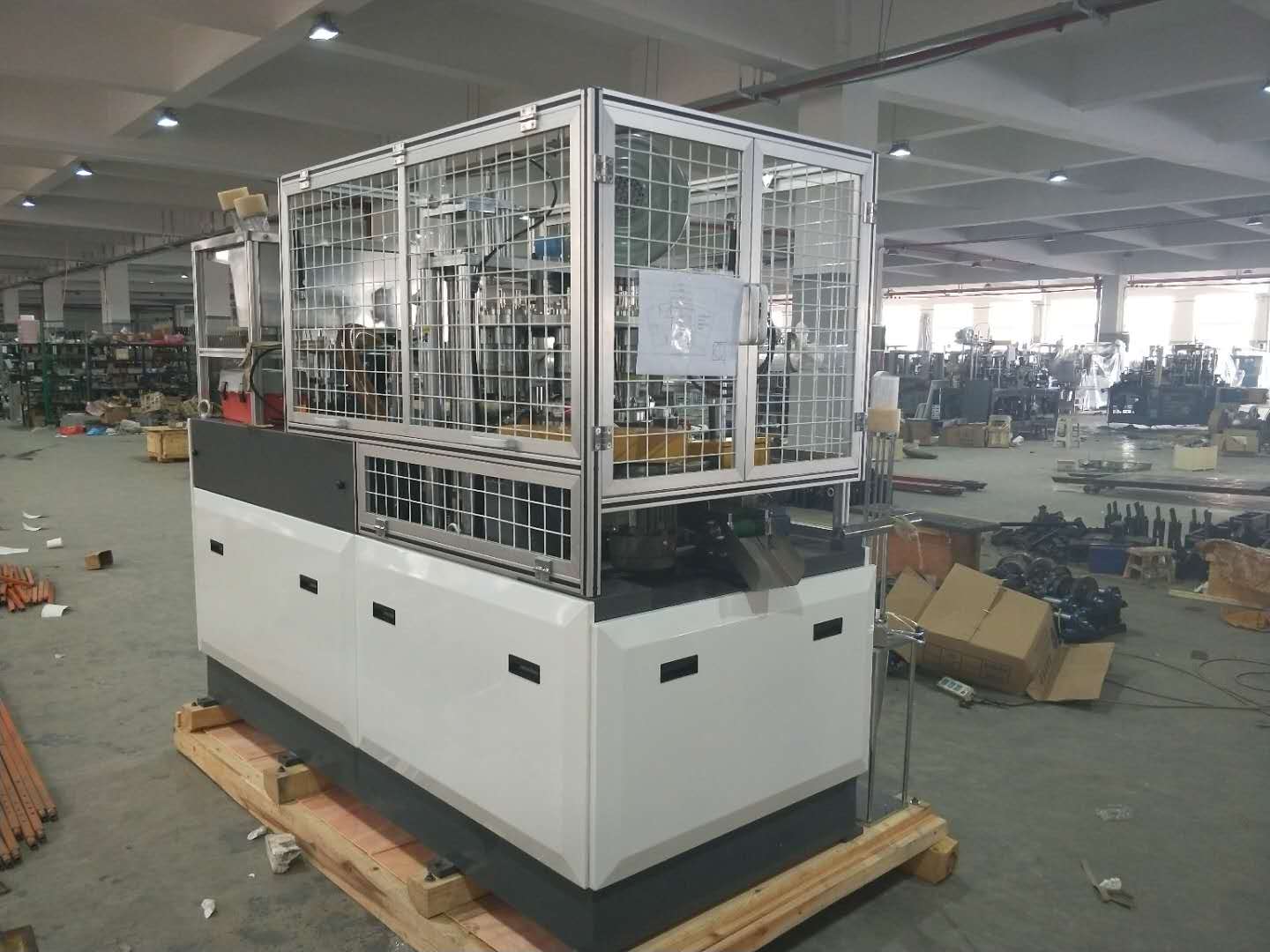
Running a paper bowl machine efficiently inside a production plant is not simply a matter of pressing a start button and watching output accumulate. These machines are sophisticated pieces of forming and sealing equipment that demand consistent setup knowledge, mechanical awareness, and process discipline to deliver reliable results. Whether a facility is producing disposable bowls for foodservice packaging or supplying bulk quantities to retail chains, the question of whether formal operator training is truly necessary deserves a clear and informed answer.
The short answer is yes — operator training is not optional when running a paper bowl machine in a commercial or industrial plant setting. Without proper training, even a well-maintained and properly installed paper bowl machine will underperform, produce defective output, consume excess raw material, and create unnecessary downtime. This article examines the reasons why training is essential, what it should cover, how it directly impacts output quality and plant efficiency, and how manufacturers and plant managers should approach structured training programs to protect both their equipment investment and their production reliability.
The Core Argument for Operator Training on a Paper Bowl Machine
Understanding the Machine's Mechanical Complexity
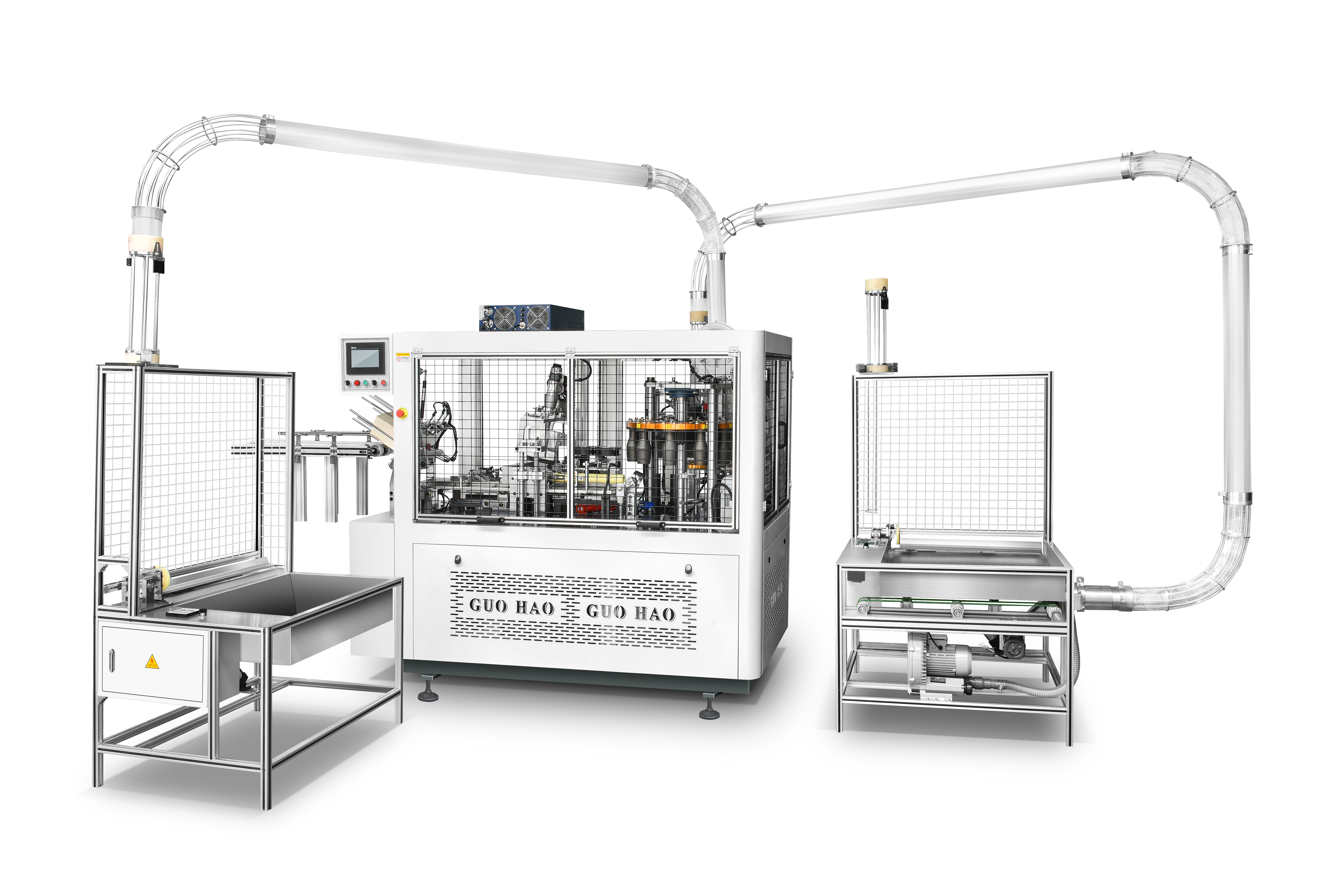
A paper bowl machine is a multi-stage system that integrates paper fan-shape blank feeding, bottom disc placement, wall forming, rim rolling, and in many models, hot air or ultrasonic sealing — all executing in a synchronized mechanical cycle. Each stage depends on precise calibration of pressure, timing, temperature, and material tension. An untrained operator may not recognize when any of these variables falls outside the acceptable operating range, which can lead to defective bowl geometry, incomplete seals, or structural weakness in the finished product.
The mechanical design of a paper bowl machine typically includes cams, linkages, servo or stepper motors, forming molds, and heating zones — each requiring a baseline level of mechanical literacy to monitor and adjust correctly. Training ensures that operators understand what each component is responsible for and why its correct function matters to final output quality. Without this foundational knowledge, operators tend to either over-adjust or ignore signs of wear and drift, both of which lead to costly outcomes.
Operator training also teaches the correct sequence for starting and shutting down the paper bowl machine safely. Improper startup sequences — such as applying heat before material is in position — can cause material burn, mold damage, or misalignment that requires significant downtime to correct. Trained operators follow proven procedures that protect the machine and its tooling while maximizing productive uptime.
Why Informal On-the-Job Learning Is Insufficient
Many plant managers assume that experienced workers can pick up operation of a paper bowl machine simply by watching and imitating existing behavior. While experienced workers do accumulate useful intuition over time, informal learning creates inconsistent knowledge bases across the team. One operator may learn a workaround that happens to produce acceptable results under ideal conditions but fails under slight variations in paper stock weight or ambient humidity.
Informal learning also tends to skip the 'why' behind procedures. An operator who knows to turn a particular dial without understanding what that adjustment changes will be unable to troubleshoot when the machine behaves unexpectedly. Formal training closes this gap by building theoretical and applied knowledge simultaneously, giving operators the tools to respond intelligently to the paper bowl machine's behavior rather than reacting blindly.
Additionally, without structured training, safety procedures are often the first casualty of informal learning chains. Paper bowl machines operate with moving parts, elevated temperatures, and forming pressure — all of which represent genuine risk if mishandled. Formal training standardizes the safety behaviors that protect operators from injury and protect the equipment from misuse-related damage.
What Comprehensive Training for a Paper Bowl Machine Should Cover
Machine Setup and Parameter Configuration
Effective training begins with teaching operators how to correctly set up the paper bowl machine before a production run. This includes loading and aligning paper blanks and bottom discs, adjusting forming mold pressure to match the paper grade being used, setting heating temperatures within the recommended range for the coating type, and confirming that the machine's speed is appropriate for the product specification. Each of these setup tasks directly affects output quality, and misconfiguration at setup tends to generate large quantities of scrap before the issue is noticed.
Training should include hands-on practice with actual materials under supervision, not just theoretical instruction. When operators practice adjusting the paper bowl machine under a trainer's guidance, they develop the tactile sense needed to recognize correct tension, correct forming pressure, and correct material feed behavior. This applied experience is critical because paper properties vary slightly between rolls, between suppliers, and even between batches from the same supplier.
Operators should also be trained to interpret the machine's control panel readouts and alarm signals correctly. Modern paper bowl machine models display temperature, cycle speed, counter data, and fault codes that provide real-time insight into machine health. Knowing how to read and respond to this information allows operators to make micro-adjustments before small deviations become production problems.
Quality Inspection During Production Runs
Training must include instruction on inline quality inspection — that is, checking bowls at regular intervals during a production run rather than only at the end. Operators trained on a paper bowl machine should know how to visually and physically inspect output for rim integrity, side-wall seal consistency, base seal adhesion, and overall dimensional accuracy. These checks, when performed correctly and consistently, catch quality drift before it affects large product quantities.
Understanding reject identification criteria is equally important. Training should define clear, objective standards for what constitutes an acceptable bowl versus a reject, based on the product specifications the plant is producing. Operators who lack this clarity tend either to accept borderline defective products — creating customer complaints downstream — or to reject acceptable products unnecessarily, increasing material waste and lowering effective yield from the paper bowl machine.
Training should also cover how to document quality observations during a shift. When operators record reject rates, the time of occurrence, and the settings in use at the time, plant managers gain valuable data for identifying root causes of recurring defects and planning preventive adjustments to the paper bowl machine's operating parameters.
How Training Directly Impacts Production Efficiency
Reducing Unplanned Downtime Through Proactive Awareness
One of the most tangible efficiency benefits of operator training is a measurable reduction in unplanned downtime. A trained operator running a paper bowl machine knows the early warning signs of mechanical issues — unusual vibration, inconsistent forming pressure, abnormal noise during the sealing cycle — and can report or address these signs before they escalate into equipment failure. Untrained operators, by contrast, often continue running the machine through early warning signs, either because they do not recognize them or because they lack confidence in their judgment.
Training also covers basic first-level maintenance tasks that operators can perform during production without waiting for a dedicated technician. Tasks such as clearing minor paper jams, re-tensioning material guides, cleaning forming molds of paper dust or adhesive residue, and lubricating specified points according to schedule are all within the scope of a trained operator's responsibilities. Performing these tasks correctly keeps the paper bowl machine running at peak efficiency and prevents the accumulation of small issues into larger failures.
When operators are confident in their training, they make better real-time decisions about whether to pause the paper bowl machine for a brief adjustment or continue running. This judgment — often developed only through structured training and supervised experience — can mean the difference between a two-minute correction and a four-hour repair.
Optimizing Material Consumption and Yield
Material waste is one of the largest controllable costs in paper bowl production. A trained operator understands how to minimize waste by ensuring proper blank alignment, maintaining correct tension on paper roll feeds, and confirming that the paper bowl machine's forming components are operating within specification. Even small misalignments — fractions of a millimeter in some cases — can cause blanks to form incorrectly, generating waste on every cycle until the issue is corrected.
Training also covers how to handle changeovers between product sizes or paper grades efficiently. When an operator knows the correct procedure for swapping molds, recalibrating parameters, and verifying output quality after a changeover, transition time is minimized and the plant returns to full-speed production more quickly. Poorly managed changeovers on a paper bowl machine can waste significant quantities of material during the re-qualification phase before acceptable output resumes.
Operators who understand the relationship between paper bowl machine settings and material behavior can also make intelligent micro-adjustments that improve yield across an entire shift. Over the course of a production week, these incremental improvements in material utilization add up to meaningful cost reductions that directly benefit the plant's operating margins.
Building a Training Program for Plant-Level Deployment
Structuring Initial and Ongoing Training
An effective operator training program for a paper bowl machine should be structured in phases. Initial training covers machine orientation, safety procedures, startup and shutdown sequences, basic setup, and quality inspection fundamentals. This phase should last long enough for the operator to demonstrate competency under supervision before being cleared to run the machine independently. Rushing this phase to meet production pressure is a common mistake that leads to persistent quality problems and higher-than-expected reject rates.
Ongoing training should be delivered at regular intervals to refresh knowledge, introduce any machine updates or specification changes, and address recurring quality issues identified from production data. When a paper bowl machine undergoes a mechanical upgrade or software update, a targeted refresher session ensures operators understand the changes and can adapt their behavior accordingly. Continuous training also signals to operators that competency is valued, which tends to improve engagement and performance.
Many suppliers of paper bowl machine equipment provide initial training as part of their installation and commissioning service. Plant managers should take full advantage of this, ensuring that all designated operators — not just a single lead operator — participate in the supplier-delivered training. Building a bench of trained operators protects the plant against productivity loss when any single individual is absent.
Documenting Standard Operating Procedures
Training is most durable when it is supported by well-documented standard operating procedures (SOPs) specific to the paper bowl machine model and the products being produced. SOPs provide a reference that operators can consult during production without needing to rely on memory alone. They also provide a consistent standard against which new operators can be assessed during training and qualified operators can be re-evaluated periodically.
SOPs for a paper bowl machine should cover startup and shutdown, parameter settings for each product specification, quality inspection intervals and acceptance criteria, common fault conditions and their first-level responses, and end-of-shift cleaning and maintenance tasks. When these procedures are clearly written, version-controlled, and accessible at the machine station, operators have the support they need to perform consistently regardless of experience level or shift timing.
Documenting training completion records alongside SOPs also provides the plant with an audit trail that supports quality management certification requirements such as ISO 9001 or food safety standards. This documentation demonstrates that the plant takes operator competency seriously and has systematic controls in place to ensure consistent paper bowl machine operation across all shifts and personnel.
FAQ
Can a paper bowl machine be operated without any prior training?
Technically, a paper bowl machine can be switched on without formal training, but doing so reliably and efficiently without prior training is extremely unlikely. Operators without training will struggle to configure setup parameters correctly, will miss early signs of mechanical issues, and will generate significantly higher rates of defective output and material waste. Training is not a bureaucratic formality — it is a practical requirement for achieving the output quality and efficiency that justifies the investment in the equipment.
How long does it typically take to train an operator on a paper bowl machine?
The duration of initial training depends on the complexity of the specific paper bowl machine model and the operator's prior mechanical experience. In most plant contexts, a structured initial training program covering setup, operation, quality inspection, and basic maintenance takes between three and ten working days of supervised practice before an operator can demonstrate independent competency. More advanced tasks such as mold changeovers and parameter optimization for new product types may require additional supervised experience over several weeks.
Does the paper bowl machine supplier typically provide training support?
Most reputable paper bowl machine suppliers include operator training as part of their installation and commissioning package. This training is typically delivered on-site by a technical engineer and covers machine-specific operation, setup, maintenance, and troubleshooting. Plant managers should confirm the scope and duration of training support before purchasing and should request that training materials — including manuals and parameter reference sheets — are provided in a language accessible to their production team.
What happens to production efficiency if operator training is neglected over time?
When ongoing operator training is neglected, production efficiency on a paper bowl machine tends to deteriorate gradually. Knowledge gaps widen as new operators join without proper onboarding, incorrect practices become normalized, and the plant loses the ability to diagnose recurring quality or mechanical issues effectively. Over time, reject rates rise, maintenance costs increase due to improper machine care, and changeover times extend as operators lose confidence in unfamiliar setup tasks. Reinvesting in structured training after a period of neglect typically requires more effort than maintaining a consistent training program from the start.