
 EN



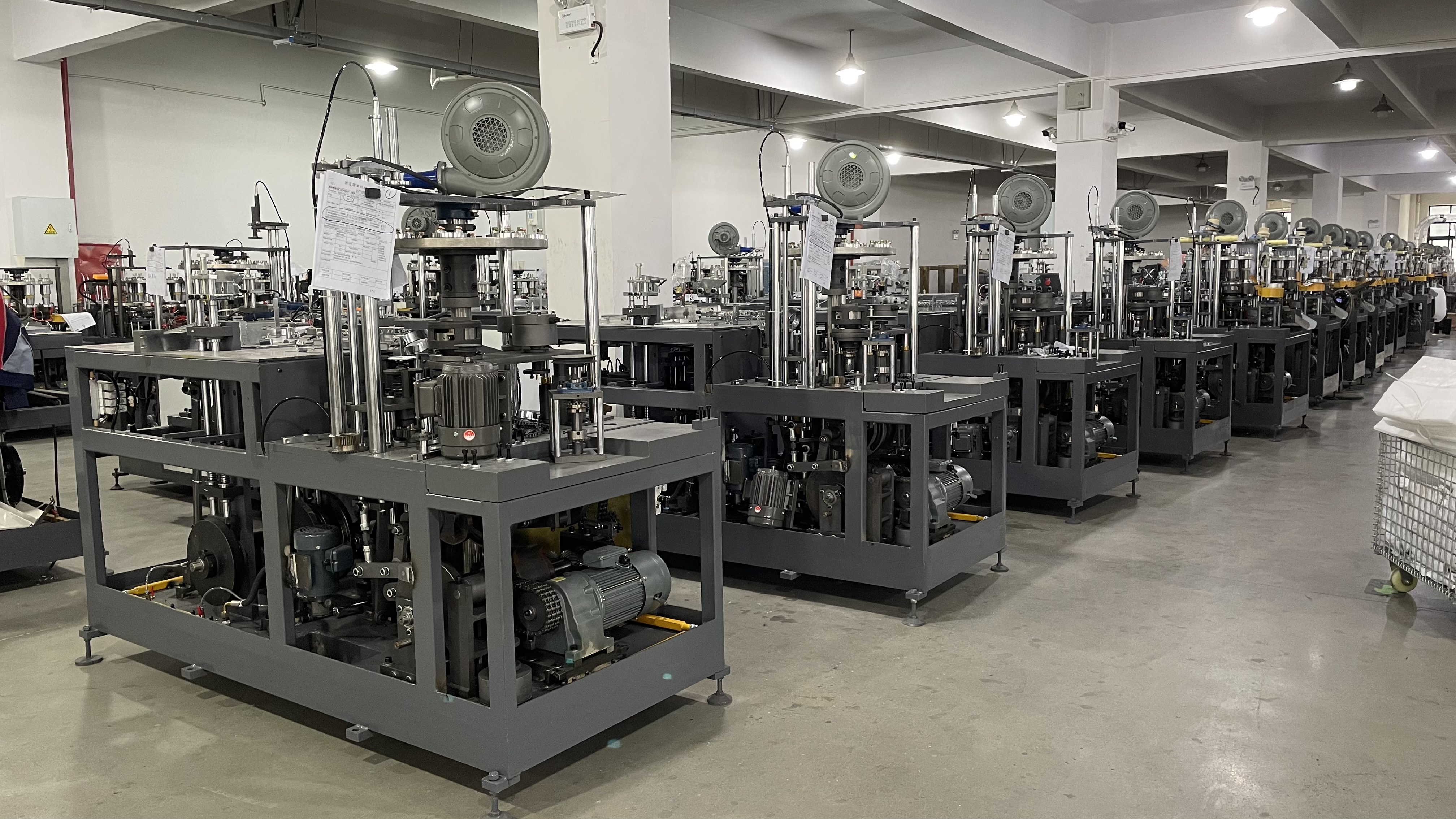
Understanding production speed in a double wall paper cup machine setup is critical for beverage manufacturers and packaging facilities looking to optimize operational efficiency and meet growing market demand. The double wall paper cup machine represents a significant investment in production infrastructure, and knowing how its speed compares across different configurations, models, and operational conditions directly impacts throughput, cost per unit, and competitive positioning. Production speed isn't simply a single metric—it depends on machine design, material specifications, operator skill, maintenance protocols, and integration within the broader production workflow. This comprehensive guide explores the performance characteristics of double wall paper cup machine systems, examining what drives speed variations and how facilities can maximize their output without sacrificing quality or reliability.
A modern double wall paper cup machine operates through a highly coordinated mechanical process that transforms raw paper stock into finished cups at impressive rates. The speed at which a double wall paper cup machine completes each production cycle—from paper feeding and forming to gluing, cooling, and final output—determines the total cups produced per hour. High-performance models can produce between 60 and 120 cups per minute under optimal conditions, translating to 3,600 to 7,200 cups per hour depending on cup size, wall configuration, and machine tuning. Understanding these baseline speeds and the variables that influence them allows manufacturers to forecast production capacity, plan shift schedules, and make informed equipment investment decisions.
Baseline Production Capacity and Speed Specifications
Standard Output Rates for Double Wall Paper Cup Machines
The production speed of a double wall paper cup machine varies significantly based on cup diameter, height, and the specific wall thickness configuration. A standard double wall paper cup machine designed for medium-sized cups (8 to 12 ounces) typically operates at 70 to 90 cups per minute under normal production conditions. Larger cup sizes generally run at reduced speeds—16 and 20-ounce cups may be produced at 50 to 70 cups per minute—because the forming process requires additional time and precision. Conversely, smaller specialty cups can run faster, though the double wall paper cup machine must still maintain strict tolerances to ensure structural integrity and seal quality. Manufacturers specify these rates under ideal conditions: consistent raw material quality, properly calibrated machinery, minimal downtime, and experienced operators managing the double wall paper cup machine throughout the shift.
The double wall paper cup machine achieves its rated speed through a combination of automated processes that operate in synchronized cycles. Each complete production cycle involves paper feeding, heating element engagement, sidewall adhesion application, double wall formation, bottom sealing, cooling, and cup ejection. Modern double wall paper cup machine designs incorporate servo-controlled positioning systems and precision-timed pneumatic movements that minimize cycle time while maintaining consistent wall spacing and adhesive distribution. Understanding that a double wall paper cup machine's baseline speed is predicated on these synchronized operations helps manufacturers recognize where bottlenecks emerge and how to maintain peak performance.
Impact of Cup Size and Wall Configuration
Cup dimensions directly influence how quickly a double wall paper cup machine can complete its production cycle. A double wall paper cup machine handling 6-ounce espresso cups operates at higher speeds—often exceeding 100 cups per minute—because the forming, adhesive application, and cooling cycles are compressed. The same double wall paper cup machine configured for 24-ounce thermal cups may slow to 45 to 60 cups per minute, as the larger forming area and extended cooling requirement demand additional process time. The gap between the inner and outer walls, which defines the insulating chamber, also influences speed: tighter wall spacing allows faster adhesive setting and cooling, while wider double-wall configurations in specialty applications may require extended cooling periods that reduce overall speed.
Material thickness selection compounds these effects. A double wall paper cup machine working with premium board stock (0.30mm to 0.35mm) can form and seal walls reliably at standard speeds, whereas thinner or specialty materials may require slower processing to prevent wrinkles, adhesive bleed-through, or structural defects. Operators managing a double wall paper cup machine must therefore balance production speed targets against material properties and quality standards, accepting that maximum speed is achievable only within a specific set of material and configuration parameters.
Operational Factors That Influence Double Wall Cup Machine Speed
Maintenance, Machine Condition, and Downtime
The real-world production speed of a double wall paper cup machine is significantly lower than its theoretical maximum due to planned and unplanned downtime. A double wall paper cup machine experiencing routine maintenance—glue system cleaning, heating element inspection, or seal die replacement—loses 15 to 30 minutes per shift. Unexpected mechanical issues, such as misaligned forming dies or pneumatic valve failures, can idle the double wall paper cup machine for 1 to 4 hours, devastating shift output. Progressive wear on forming surfaces gradually reduces the speed at which a double wall paper cup machine can operate while maintaining acceptable quality: worn dies may require slower cycling to achieve proper wall adhesion, or adhesive flow may become erratic, forcing speed reductions to prevent quality defects. Well-maintained double wall paper cup machine systems achieve 85 to 95 percent of theoretical capacity, while poorly maintained units may operate at only 60 to 70 percent of rated speed.
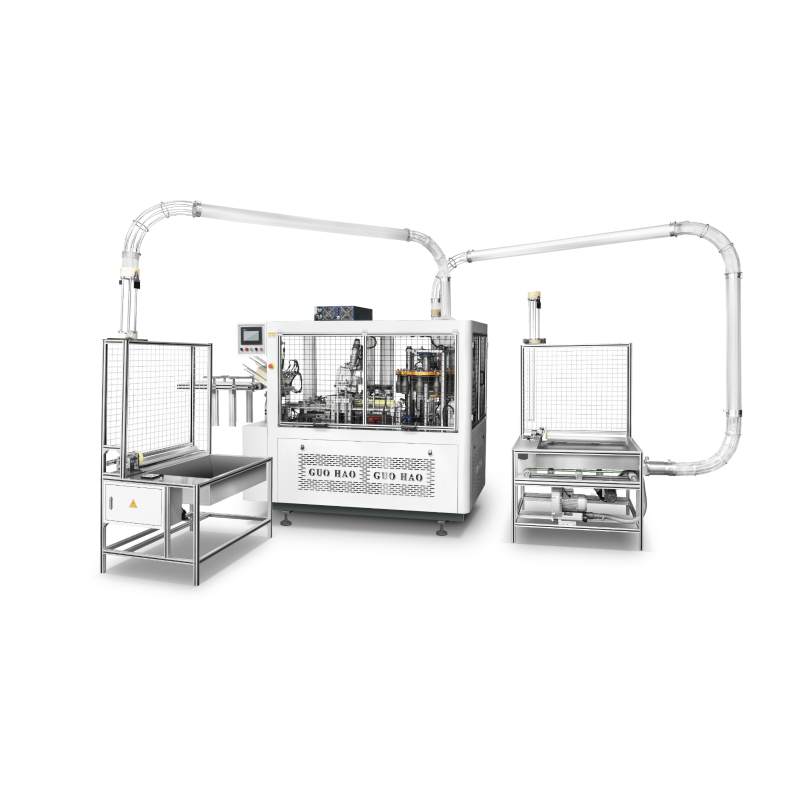
Preventive maintenance schedules directly correlate with the sustained speed of a double wall paper cup machine. Facilities that perform daily cleaning, weekly calibration checks, and monthly component inspections maintain a double wall paper cup machine at higher average speeds compared to reactive maintenance approaches. The cost of scheduled downtime is offset by reduced emergency repairs and fewer quality defects that would require scrapping finished cups or halting production.
Raw Material Quality and Setup Requirements
Inconsistent paper roll quality forces operators to reduce the speed of a double wall paper cup machine to maintain quality. Paper with irregular thickness, uneven moisture content, or surface contamination causes feeding errors, misalignment, and adhesive bonding failures. When a double wall paper cup machine operator detects quality degradation—wrinkled walls, weak seams, or variable wall spacing—they reduce speed to compensate, sometimes dropping from 80 cups per minute to 60 cups per minute. Premium paper suppliers provide consistent material that allows a double wall paper cup machine to run at maximum safe speeds, while lower-grade material necessitates slower production and increased scrap rates. Setup time also influences effective production speed: changing from one cup size to another on a double wall paper cup machine requires 20 to 40 minutes of die replacement, calibration, and trial runs, during which no saleable output occurs.
Speed Comparison Across Different Double Wall Paper Cup Machine Models and Technologies
Entry-Level versus Advanced Automation
Entry-level double wall paper cup machine models, typically mechanical or basic servo-controlled designs, produce 40 to 60 cups per minute and are best suited for smaller operations or specialty production runs. These double wall paper cup machine systems offer lower capital investment but require more operator intervention and tolerate narrower material specifications. Mid-range double wall paper cup machine equipment operates at 70 to 90 cups per minute, incorporating improved servo positioning, better heating control, and more reliable adhesive application systems. High-performance double wall paper cup machine platforms, featuring advanced PLC control, precision glue metering, and optimized thermal cycling, achieve 100 to 120+ cups per minute and can run extended shifts with minimal operator adjustment. The investment in a high-speed double wall paper cup machine is justified when annual production volumes exceed 5 million units, as the per-cup production cost advantage becomes substantial.
The shift from mechanical to servo-controlled technology represents the most significant speed improvement in modern double wall paper cup machine design. Servo systems allow precise, rapid positioning of forming dies and adhesive applicators, reducing cycle time from 2 to 3 seconds down to 0.5 to 1 second. This technological advancement means a contemporary automated double wall paper cup machine can match or exceed the output of three to five older mechanical units, justifying equipment upgrades for high-volume producers.
Integration and Workflow Throughput
The published speed of a double wall paper cup machine is only meaningful when considered as part of the complete packaging workflow. A double wall paper cup machine producing 80 cups per minute feeds into stacking, counting, and boxing stages that must accommodate this throughput. If downstream equipment—such as automatic packing machines or shrink-wrapping systems—cannot keep pace with the double wall paper cup machine's output, cups accumulate and the line becomes bottlenecked. Experienced facilities design their production layout so that every stage, from roll unwinding through final case packing, matches the speed of the double wall paper cup machine. This integrated approach ensures that the rated speed of the double wall paper cup machine translates into actual finished goods delivered to the warehouse.
When evaluating a double wall paper cup machine for your operation, compare not only its headline speed but also how that speed aligns with your auxiliary equipment and production targets. A faster double wall paper cup machine that outpaces your labeling, counting, or packing capability will sit idle, wasting the investment and forcing manual workarounds that negate its efficiency gains.
FAQ
What production speed should I expect from a modern double wall paper cup machine?
Most modern double wall paper cup machine systems produce between 60 and 120 cups per minute, depending on cup size, material specifications, and machine configuration. Smaller cups (6 to 8 ounces) run faster—often exceeding 100 cups per minute—while larger thermal cups (16 to 24 ounces) typically operate at 50 to 80 cups per minute. These rates assume optimal conditions: consistent raw material, proper maintenance, and experienced operation. Real-world production speeds are usually 10 to 20 percent lower than theoretical maximums due to setup changes, quality checks, and routine maintenance interruptions.
How does maintenance affect the speed of a double wall paper cup machine?
Well-maintained double wall paper cup machine equipment operates at 85 to 95 percent of its rated speed, while neglected units drop to 60 to 70 percent efficiency. Daily cleaning, weekly calibration, and monthly component inspections prevent wear that forces speed reductions and quality defects. A double wall paper cup machine that loses forming precision due to worn dies must slow down to maintain acceptable wall adhesion and seal integrity, directly reducing hourly output. Scheduling preventive maintenance during planned downtime, rather than responding to emergency repairs, maximizes sustained production speed and minimizes scrap.
Can I increase the speed of my existing double wall paper cup machine?
Limited increases in double wall paper cup machine speed are possible through optimization: upgrading to premium paper with consistent properties, refining adhesive application, and ensuring precise die calibration can add 5 to 10 percent to output rates. However, pushing a double wall paper cup machine significantly beyond its design speed risks quality degradation, increased scrap, and mechanical stress that shortens equipment life. If your production demands exceed your double wall paper cup machine's capacity, upgrading to a faster model or adding a second unit is more cost-effective than attempting to force speed increases that compromise reliability.