
 EN
EN



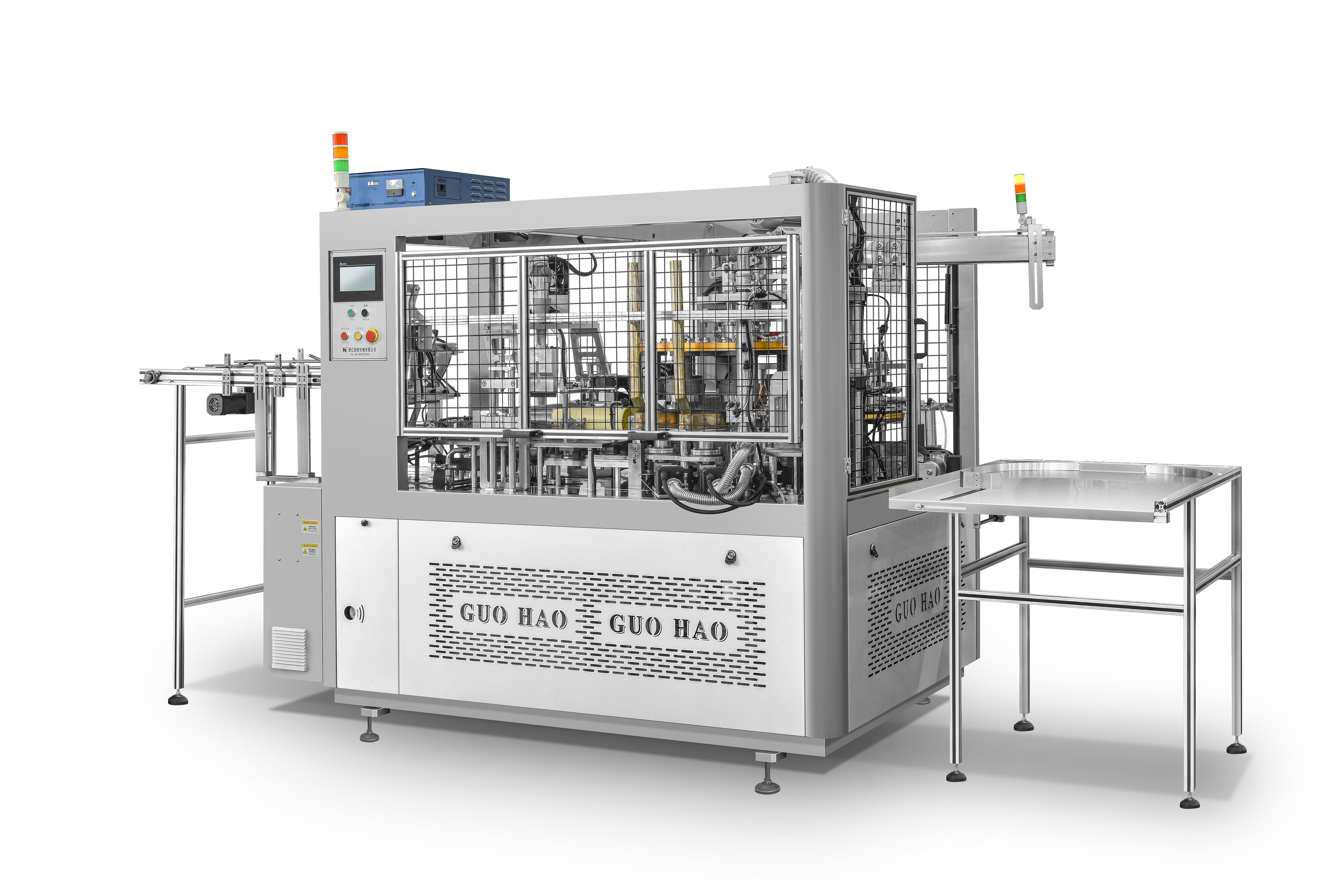
أدى ازدهار ثقافة الطلبات الخارجية وتوصيل الأغذية إلى تغيير جذري في طريقة تعامل مؤسسات الأغذية مع التغليف. فمنذ سلاسل المطاعم السريعة وحتى المطاعم المستقلة وعمليات التموين على نطاق واسع، لم يسبق أن ارتفعت الحاجة إلى حاويات غذائية موثوقة وصحية وفعّالة من حيث التكلفة بهذا الشكل. وفي قلب هذه التحديات التصنيعية تقع ماكينة أطباق ورقية ماكينة صنع الأوعية الورقية — وهي قطعة متخصصة من المعدات الصناعية المصممة لإنتاج الأوعية الورقية بكميات كبيرة. لكن هل هي بالفعل الأنسب لإنتاج تغليف الطلبات الخارجية في قطاع الأغذية؟ والإجابة تتطلب نظرة دقيقة على متطلبات الإنتاج وتوافق المواد وقدرة الإخراج والاعتبارات الاقتصادية للعمل.
آلة تصنيع أوعية الورق مُصمَّمة لتحويل لفائف الورق الخام — والتي تكون عادةً مغلفة ببولي إيثيلين (PE) أو مصنوعة من ورق مقوى أحادي الجدار صالح للاستخدام في الأغذية — إلى أوعية جاهزة للاستخدام مع الأغذية. وتؤدي هذه الآلات عملياتها عبر سلسلة دقيقة من الخطوات تشمل القص، والتشكيل، واللف، والختم، مما يضمن اتساق الأبعاد والمتانة الهيكلية. ولصناعات الأغذية التي تعتمد اعتمادًا كبيرًا على مواد التغليف الخاصة بالوجبات الجاهزة لل takeaway، فإن فهم ما إذا كانت هذه الفئة من المعدات تتماشى مع أهدافها التشغيلية أم لا يُعد أمرًا جوهريًّا قبل اتخاذ قرار الاستثمار. ويستعرض هذا المقال القدرات الأساسية، ومدى ملاءمة الاستخدامات، والاعتبارات العملية التي تُحدِّد دور آلة تصنيع أوعية الورق في إنتاج تغليف الأغذية الحديث.
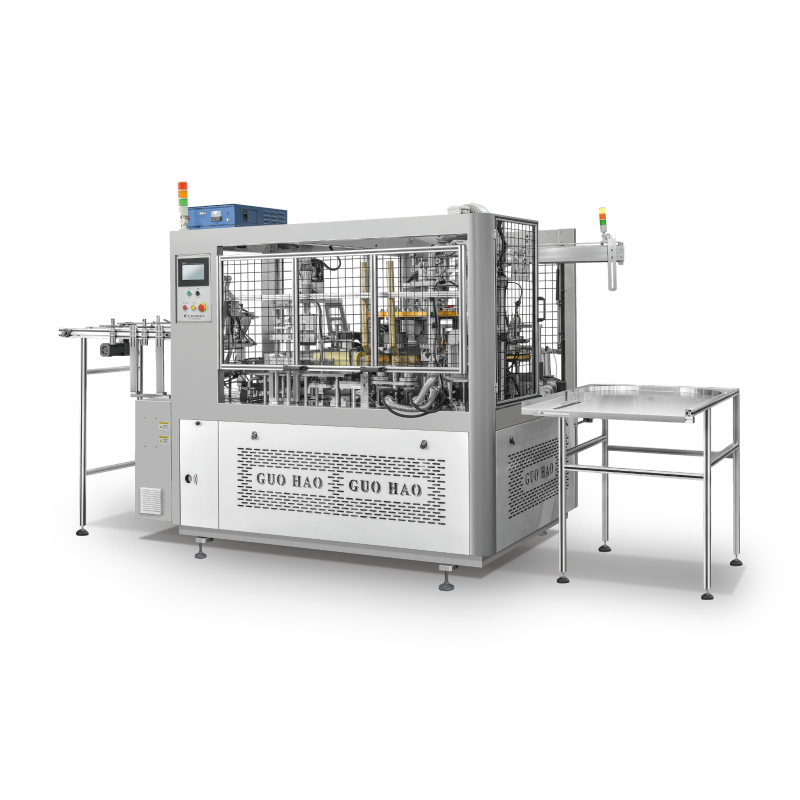
فهم وظيفة آلة تصنيع الأوعية الورقية في السياق الإنتاجي
آلية الإنتاج الأساسية
تعمل آلة تصنيع أوعية الورق عن طريق تغذية لفافة مستمرة من الورق المُغلف مسبقًا عبر سلسلة من المراحل الميكانيكية. أولاً، يُقطَّع الورق إلى قوالب على شكل مروحة، ثم تُشكَّل هذه القوالب إلى جسم يشبه المخروط. وبعد ذلك، يُضغط هذا الجسم داخل قالبٍ يُشكِّل قاعدة الوعاء وجدرانه الجانبية. وتُطبَّق الحرارة والضغط لإغلاق التماسات، مما يضمن أن يكون الوعاء النهائي مقاومًا للتسرب وسليمًا هيكليًّا.
تعمل آلات تصنيع أوعية الورق الحديثة بمستويات عالية من الأتمتة، ما يقلل التدخل اليدوي إلى أدنى حدٍّ ممكن في كل مرحلة. وهذه الأتمتة بالغة الأهمية في التطبيقات الخاصة بصناعة الأغذية، حيث يجب الحد من مخاطر التلوث إلى أقل حدٍّ مطلق. وبما أن عملية التشكيل تتم ضمن نظام مغلق، فإن المادة الخام تنتقل من اللفافة إلى المنتج النهائي مع تلامسٍ بشريٍّ محدودٍ للغاية، وهو ما يدعم مباشرةً معايير النظافة الغذائية.
تتفاوت سرعات الإخراج بشكل كبير وفقًا لدرجة الماكينة. فقد تُنتج النماذج الأساسية عدة آلاف من الأطباق في الساعة، بينما يمكن للتكوينات الصناعية أن تتجاوز عشرات الآلاف من الوحدات في نفس الفترة الزمنية. ولأي شركة تسعى إلى توسيع إنتاج عبوات الوجبات الجاهزة الخاصة بها، فإن فهم سعة الإخراج بالنسبة لمتطلبات الحجم اليومي يُعد خطوة أساسية في عملية الاختيار.
التوافق مع المواد والاعتبارات المتعلقة بسلامة الأغذية
تم تصميم ماكينة تصنيع الأطباق الورقية للعمل مع مواد ورقية آمنة للاستخدام مع الأغذية، وأكثرها شيوعًا هو الورق المقوى المطلي بطبقة واحدة أو مزدوجة من البولي إيثيلين (PE). وتمنح هذه الطبقة الطبق النهائي مقاومته للرطوبة والزيوت والسوائل — وهي خصائص لا غنى عنها في تطبيقات الوجبات الجاهزة. وبعض الماكينات المتقدمة قادرة أيضًا على معالجة أوراق مطلية بمادة حمض اللبنيك المتعدد (PLA)، والتي تلبي متطلبات التعبئة والتغليف القابلة للتحلل البيولوجي التي يزداد الطلب عليها من قِبل تجار التجزئة والهيئات التنظيمية.
تؤثر سماكة المادة ووزنها المسطح مباشرةً على معايير التشكيل الخاصة بالآلة، بما في ذلك إعدادات درجة الحرارة وأبعاد القالب ومستويات الضغط. ويمكن لآلة تصنيع أطباق الورق المُهيأة جيدًا أن تستوعب نطاقًا واسعًا من أوزان الورق المقوى، ما يمكّن المصنّعين من إنتاج أطباق ذات سماكات مختلفة للجدران لتتناسب مع فئات غذائية متنوعة — بدءًا من الحاويات خفيفة الوزن الخاصة بالوجبات الخفيفة الجافة، ووصولًا إلى الأطباق ذات الجدران السميكة المصممة لتقديم الشوربات أو المرق الساخن.
ويُعد الامتثال لمتطلبات سلامة الأغذية بعدًا آخر تبرز فيه قيمة آلة تصنيع أطباق الورق. وبما أن عملية التشكيل لا تتطلب استخدام الغراء أو عوامل الربط الكيميائية — بل تعتمد بدلًا منها على الإغلاق الحراري — فلا توجد أي مخاطر لانتقال المواد الكيميائية إلى المحتويات الغذائية. وهذا يجعل الأطباق الورقية المنتجة بهذه الآلات متوافقة تمامًا مع معظم المعايير الدولية الخاصة بمواد التلامس مع الأغذية.
لماذا تتطابق متطلبات تغليف الوجبات الجاهزة مع قدرات آلة تصنيع أطباق الورق
قابلية التوسع في الإنتاج لتلبية البيئات عالية الطلب
واحدة من أوضح الأسباب التي تجعل آلة تصنيع الأطباق الورقية مناسبة جدًّا لإنتاج عبوات التوصيل هي قدرتها على التوسع في الحجم. ف sector تسليم الطعام وعبوات التوصيل يعمل ضمن هوامش ضيقة تتطلب فيها تقليل تكلفة العبوة الواحدة إلى أدنى حدٍّ ممكن، وهو ما يتحقق فقط من خلال الإنتاج الداخلي عالي الحجم. إذ يمكّن تشغيل آلة تصنيع الأطباق الورقية بكامل طاقتها الشركات أو موردي العبوات من إنتاج ملايين الوحدات شهريًّا دون الاستعانة بشركات تصنيع خارجية وبأسعار مرتفعة.
كما يشمل التوسع أيضًا تنوع المنتجات. فتقبل العديد من آلات تصنيع الأطباق الورقية قوالب قابلة للتبديل، مما يسمح للمصنِّعين بالانتقال بين أقطار وأعماق مختلفة للأطباق خلال فترات تغيير قصيرة نسبيًّا. وهذه المرونة ضرورية للعملاء في قطاع الأغذية الذين يحتاجون إلى أطباق بأحجام متعددة لتلبية مختلف عناصر القائمة — بدءًا من الحصص الجانبية وصولًا إلى الحصص العائلية.
وتُعَدُّ القدرة على زيادة أو تقليل الإنتاج استجابةً لتقلبات الطلب الموسمي ميزة عملية أخرى. فعلى عكس حاويات الطعام الزجاجية أو الخزفية، لا تتطلب أكواب الورق مواد خام باهظة الثمن، كما أن إيقاف أو استئناف الإنتاج على ماكينة تصنيع الأكواب الورقية لا ينطوي على نفس المخاطر المالية. ويجعل هذا المرونة التشغيلية من هذه الماكينة جذّابةً لمُنتجي الأغذية الذين يواجهون تقلبات في أحجام الطلبيات على مدار العام.
الاتساق ومعايير الجودة في تطبيقات التوصيل الخارجي
يجب أن تلتزم تغليفات التوصيل الخارجي بمعايير أبعادٍ متسقة لكي تناسب الغطاء والناقلات وأنظمة تغليف التوصيل بشكلٍ صحيح. وتوفِّر ماكينة تصنيع الأكواب الورقية هذا الاتساق من خلال أدوات التصنيع الدقيقة وآليات مراقبة الجودة الآلية. ويتم الحفاظ على التحملات البعدية عبر آلاف دورات الإنتاج المتتالية، مما يعني أن الكوب رقم ٥٠٠ الذي يُنتج ضمن دفعة معينة سيكون له نفس القطر والعمق وملامح الحافة مثل الكوب الأول.
كما أن الاتساق يهم أيضًا من زاوية العلامة التجارية. فتتوقع مؤسسات الأغذية التي تطبع شعاراتها أو عناصر تصميمها على عبواتها محاذاة موحدة للطباعة، وهي ممكنةٌ فقط عندما تكون الحاويات الأساسية متجانسة الأبعاد. ويضمن تشغيل آلة أكواب الورق بشكل جيد هذه التجانس، ما يدعم عمليات الطباعة والعلامة التجارية اللاحقة.
ويُعد الاتساق الهيكلي مهمًّا بنفس القدر لمنع التسرب والانهيار أثناء التوصيل. فالفنجان الذي يفشل هيكليًّا أثناء النقل يُحدث تجربة سلبية لدى العميل ويشكِّل إمكانية حدوث مشكلات تتعلق بالمسؤولية القانونية بالنسبة لمؤسسات الأغذية. وتقلِّل دقة التشكيل في آلة أكواب الورق من هذا الخطر مباشرةً، وذلك عبر ضمان إغلاق جميع الوصلات تمامًا وتشكيل الهياكل القاعدية بشكل صحيح في كل وحدة.
الجدوى الاقتصادية لاستخدام آلة أكواب الورق لإنتاج داخلي
الاستثمار الرأسمالي مقابل التوفير في التكاليف على المدى الطويل
يمثل اقتناء آلة تصنيع الأطباق الورقية استثماراً رأسمالياً كبيراً، ويجب على الشركات العاملة في قطاع الأغذية أن تزن هذا الاستثمار مقابل التوفيرات طويلة الأجل في التكاليف الناتجة عن الإنتاج الداخلي. وعندما تقوم شركة أو مصنع تعبئة وتغليف بالاستعانة بمصادر خارجية لتوريد الأطباق الورقية، فإنها لا تدفع فقط مقابل المواد والعمالة، بل تدفع أيضاً هامش ربح المورد وتكاليف اللوجستيات وهوامش الوقت اللازم للتسليم. وبإدخال عملية الإنتاج داخلياً باستخدام آلة تصنيع الأطباق الورقية، يتغير هيكل التكلفة لكل وحدة بشكلٍ جذريٍّ طوال عمر التشغيل الافتراضي للآلة.
تعتمد فترة التعادل للاستثمار في ماكينة إنتاج أطباق الورق على حجم الإنتاج وتكاليف المواد الخام وسعر السوق للأطباق المُنتَجة خارجيًّا والمكافئة لها. أما بالنسبة للعمليات عالية الحجم — التي تنتج مئات الآلاف من الوحدات أسبوعيًّا — فقد تكون فترة استرداد الاستثمار قصيرة نسبيًّا، وغالبًا ما تقاس بالأشهر بدلًا من السنوات. أما في العمليات منخفضة الحجم، فقد لا تكون الجدوى الاقتصادية جذّابةً ما لم تُستخدم الماكينة لإنتاج عدة تنسيقات منتجاتٍ مختلفةٍ عبر تغيير القوالب.
تشمل التكاليف التشغيلية لماكينة إنتاج أطباق الورق الكهرباء ومواد الورق الأولية والصيانة الروتينية والعمالة اللازمة لتشغيل الماكينة وفحص الجودة. وقد صُمِّمت الماكينات الحديثة لتكون فعّالةً في استهلاك الطاقة، كما أن متطلبات صيانتها قابلة للتنبؤ بها عند اتباع بروتوكولات الخدمة المجدولة. وتجعل هذه العوامل إجمالي تكلفة الملكية قابلةً للإدارة وقابلةً للتوقُّع في سياق ميزانية التصنيع.
الاستقلال في سلسلة التوريد والتحكم في أوقات التسليم
واحدٌ من المزايا العملية لامتلاك آلة تصنيع الأطباق الورقية هو تقليل الاعتماد على المورِّدين الخارجيين والتقلبات التي يشهدها سلسلة التوريد نتيجة هذا الاعتماد. وقد أدركت شركات الأغذية التي واجهت نقصًا في مواد التغليف خلال اضطرابات سلسلة التوريد العالمية المخاطر التشغيلية الناجمة عن الاعتماد الكامل على مصادر خارجية في تأمين مكونات التغليف الحرجة. وباستخدام آلة داخلية لتصنيع الأطباق الورقية، يتم القضاء على هذه النقطة الوحيدة التي قد تؤدي إلى فشل النظام.
ومن الفوائد الملموسة الأخرى التحكم في زمن التسليم. فعند إنتاج مواد التغليف حسب الطلب داخليًّا، يمكن لمصنِّعي الأغذية الاستجابة لزيادة مفاجئة في الطلبات دون التأخير المرتبط بوضع الطلبات، والانتظار لحجز أماكن إنتاج لدى المورِّد، وإدارة عمليات الشحن واللوجستيات. وهذه المرونة تكتسب أهمية متزايدة في سوق توصيل الأغذية، حيث يمكن أن تتغير أحجام الأعمال بسرعة كبيرة استجابةً للعروض الترويجية أو الطلب الموسمي أو عقود العملاء الجدد.
وعلاوةً على ذلك، فإن القدرة على تعديل مواصفات التغليف بسرعة — مثل تغيير أبعاد الوعاء لخط إنتاج جديد — تكون أسهل بكثير عندما يتم التعامل مع الإنتاج داخليًّا عبر آلة تصنيع الأوعية الورقية. ويمكن تنفيذ تغييرات القوالب وضبط المعايير خلال وردية إنتاج واحدة فقط، في حين أن طلب تغييرات المواصفات من مورد خارجي يتطلب عادةً فترات زمنية أطول والالتزام بحد أدنى من الكميات المطلوبة.
القطاعات الصناعية التي تحقق فيها آلة تصنيع الأوعية الورقية أكبر قيمة
خدمات الطعام والمطاعم سريعة الخدمة
وتمثل المطاعم سريعة الخدمة (QSRs) وسلاسل خدمات الطعام إحدى أكثر حالات الاستخدام انتشارًا وحجمًا للأوعية الورقية. وتقدِّم هذه المؤسسات خدمة عدد كبير من العملاء يوميًّا، وهي بحاجة إلى تغليفٍ قادرٍ على استيعاب مجموعة واسعة من أنواع الأطعمة — بدءًا من الأطباق المصنوعة من الأرز والمعكرونة ووصولًا إلى السلطات والشوربات واليخنات. وتتماشى آلة تصنيع الأوعية الورقية المُهيَّأة للإنتاج المستمر عالي السرعة تمامًا مع متطلبات الإنتاج الكبيرة لهذا القطاع.
يعمل العديد من مشغلي مطاعم الوجبات السريعة (QSR) من خلال موردي التغليف بدلًا من امتلاك معدات الإنتاج مباشرةً. ومع ذلك، فإن تشغيل آلة صنع الأطباق الورقية داخليًّا يُحقِّق مزايا تكلفة ويزيد من مرونة سلسلة التوريد بالنسبة لمجموعات الأغذية ذات التكامل الرأسي أو الشركات الفرعية المخصصة للتغليف ضمن الشركات الغذائية الكبرى. وتُغطي هذه المعدات تكاليفها خاصةً عند خدمة عدة علامات تجارية لمطاعم تحت مظلة شركة واحدة.
وتُعد القدرة على إنتاج أطباق ورقية مخصصة الأحجام باستخدام قوالب قابلة للتبديل ميزةً كبيرةً لمشغلي مطاعم الوجبات السريعة (QSR)، نظرًا لأن فئات القوائم المختلفة تتطلب أحجام حاويات مختلفة. ويمكن لآلة واحدة لإنتاج الأطباق الورقية مزوَّدة بعدة مجموعات من الأدوات أن تلبّي كامل نطاق التغليف المطلوب عبر قائمة الطعام بأكملها، ما يجعلها حلاً مركزياً لتحدي التوزيع اللامركزي.
مصنِّعو تغليف المواد الغذائية الذين يخدمون اقتصاد التوصيل
المصنّعون المستقلون لتغليف الأغذية، الذين يزودون المطاعم وشركات الوجبات الجاهزة (Meal Kit) والمقاصف والخدمات الغذائية المؤسسية، يمثلون أكثر التطبيقات التجارية مباشرةً لآلة صنع الأطباق الورقية. ويُقدّم هؤلاء المصنّعون أنفسهم كشركاء إنتاج متخصصين للشركات الغذائية التي لا ترغب في تشغيل خطوط تغليف خاصة بها. ولهم، تُعتبر آلة صنع الأطباق الورقية أصلًا رئيسيًّا يدرّ عائدات.
أدى نمو منصات التوصيل الإلكتروني للأغذية إلى خلق طلبٍ مستمرٍ ومتصاعدٍ على الأطباق الورقية ذات الاستخدام الواحد باعتبارها البديل الصديق للبيئة المفضّل على الحاويات البلاستيكية. والمصنّعون المتخصصون في التغليف، الذين يمتلكون آلة صنع الأطباق الورقية ويشغّلونها، في موقع ممتاز للاستفادة من هذا الطلب. ومع تشديد اللوائح التنظيمية المتعلقة بالبلاستيك ذي الاستخدام الواحد في العديد من الأسواق، يتسارع الانتقال نحو البدائل القائمة على الورق، ما يجعل الاستثمار في آلة صنع الأطباق الورقية قرارًا استراتيجيًّا سليمًا.
بالنسبة للشركات المصنِّعة التي تخدم العملاء المؤسساتيين مثل مقاصف المستشفيات، وخدمات التغذية الجوية، ومقدِّمي خدمات الطعام للشركات، فإن متطلبات الحجم تكون في الغالب مرتفعة للغاية، والمواصفات دقيقة جدًّا. ولذلك فإن آلة تصنيع الأطباق الورقية التي تُنتج جودةً متسقةً وبسرعةٍ عاليةٍ ليست مجرد خيارٍ مثاليٍّ في هذا السياق فحسب، بل هي شرطٌ أساسيٌّ فعليًّا للمشاركة في هذه سلاسل التوريد على مستوى تنافسي.
الأسئلة الشائعة
ما أنواع المواد الورقية التي يمكن لآلة تصنيع الأطباق الورقية معالجتها؟
تم تصميم آلة تصنيع الأطباق الورقية لمعالجة الورق المقوى الصالح للأغراض الغذائية، والذي يكون مغلفًا بطبقة من البولي إيثيلين (PE) أو حمض البوليلكتيك (PLA) على جانبٍ واحدٍ أو كلا الجانبين. وتوفِّر هذه الطبقة مقاومةً للسوائل والزيوت، وهي ضروريةٌ للتطبيقات التي تتلامس فيها المادة مع الأغذية. ويمكن عادةً ضبط إعدادات درجة الحرارة والضغط في الآلة لتتناسب مع أنواع الطلاء المختلفة وأوزان الورق المختلفة، ما يجعلها متعددة الاستخدامات عبر مجموعة واسعة من المواصفات المادية الشائعة في إنتاج عبوات الوجبات الجاهزة.
هل ماكينة صنع أطباق الورق مناسبة للشركات الغذائية الصغيرة؟
عادةً ما تكون ماكينة صنع أطباق الورق أكثر فعالية من حيث التكلفة في عمليات الإنتاج متوسطة إلى كبيرة الحجم. وقد تجد الشركات الغذائية الصغيرة التي تستخدم أحجام تعبئة منخفضة أن الاستعانة بمورِّدين خارجيين لأطباق التعبئة يُعد خيارًا أكثر اقتصاديةً مقارنةً باستثمارها في ماكينة خاصة بها. ومع ذلك، قد تظل الشركات الصغيرة التي تتوقع نموًّا سريعًا أو التي تعمل في أسواق تفتقر إلى خيارات واسعة من مورِّدي مواد التعبئة مستعدةً للاستثمار في هذه الماكينات، لا سيما إذا كانت الماكينة تدعم تنسيقات منتجات متعددة عبر تغيير القوالب.
كيف تدعم ماكينة صنع أطباق الورق أهداف الاستدامة في مجال تعبئة المواد الغذائية؟
تتيح آلة إنتاج أوعية الورق إنتاج حاويات مصنوعة من الورق، والتي يُنظر إليها على نطاق واسع على أنها أكثر مسؤولية بيئيًّا مقارنةً بالبدائل البلاستيكية ذات الاستخدام الواحد. وعند تهيئتها لمعالجة أوراق مغلفة ببولي لاكتيد (PLA)، يمكن للآلة إنتاج أوعية قابلة للتحلل الحيوي بما يتماشى مع أهداف الاقتصاد الدائري والحد من النفايات. علاوةً على ذلك، وبتمكين الإنتاج الداخلي، تقلل الشركات المسافات التي تُقطعها مواد التغليف أثناء النقل، ما يسهم في خفض البصمة الكربونية الإجمالية عبر سلسلة توريد التغليف.
ما المتطلبات الصيانية المتوقعة لآلة إنتاج أوعية الورق؟
تشمل الصيانة الدورية لآلة صنع الأطباق الورقية عادةً تزييت المكونات الميكانيكية، وفحص قوالب التشكيل وعناصر الإغلاق واستبدالها عند الحاجة، ومعايرة أنظمة التحكم في درجة الحرارة، وتنظيف مسارات تغذية الورق لمنع تراكم الغبار والشوائب. وعادةً ما توفر الشركات المصنِّعة جداول صيانة مفصلة، ويؤدي الالتزام بهذه البروتوكولات إلى إطالة عمر التشغيل الفعلي للآلة بشكلٍ ملحوظ، مع الحفاظ على جودة الإنتاج باستمرار. ويمثِّل المشغلون المدربون، القادرون على اكتشاف العلامات المبكرة للتآكل أو سوء المحاذاة، عنصراً مهماً في تشغيل الآلة بطريقة مستدامة.