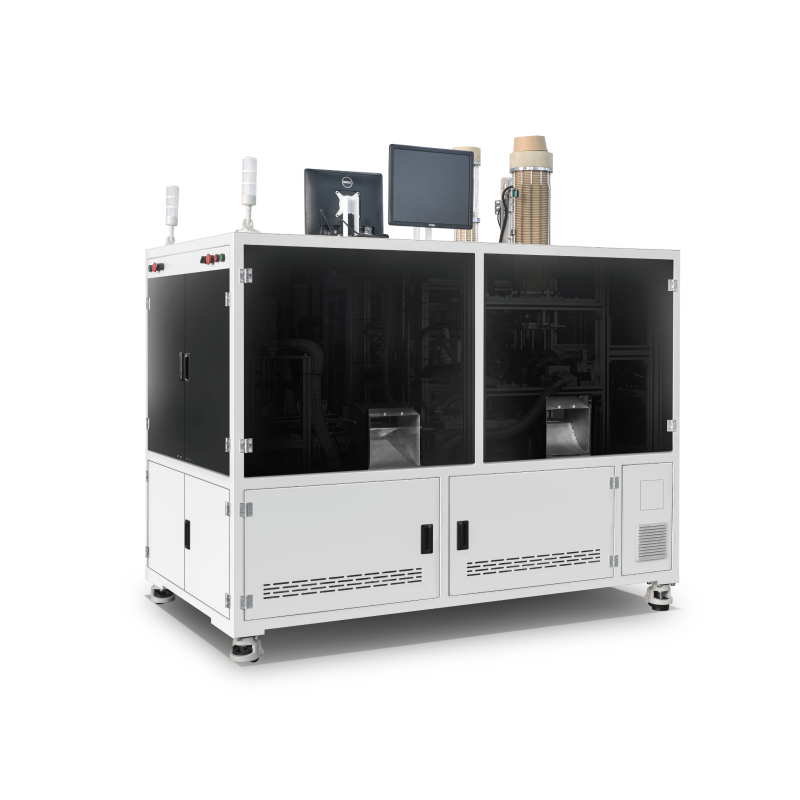
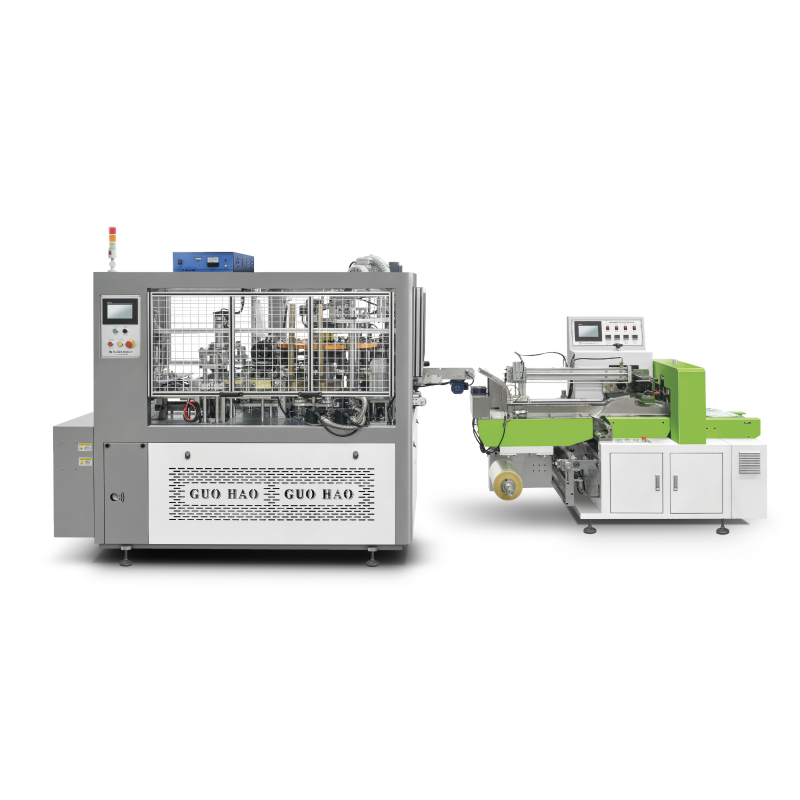
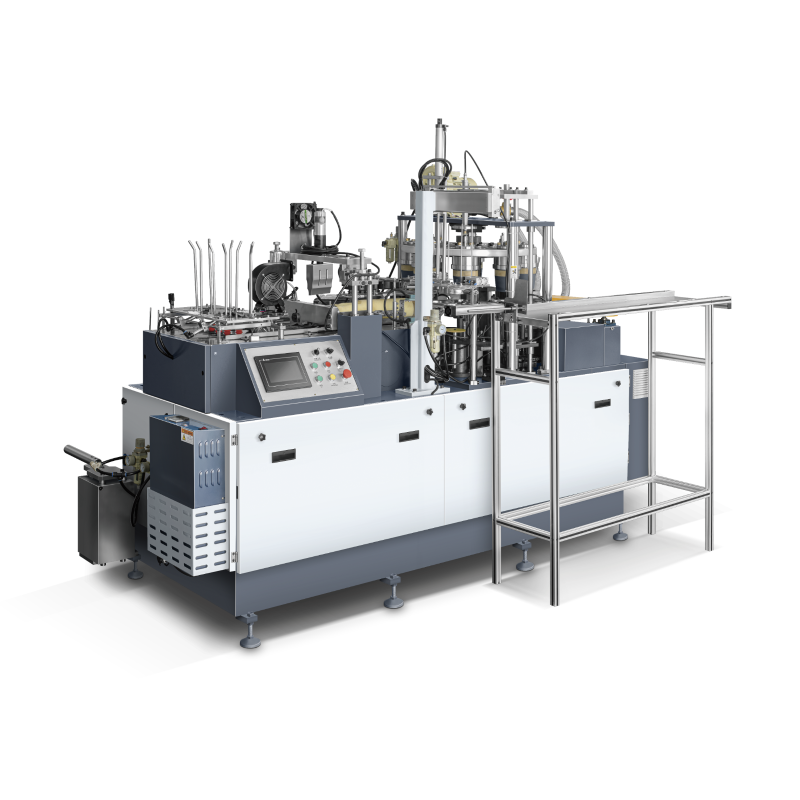
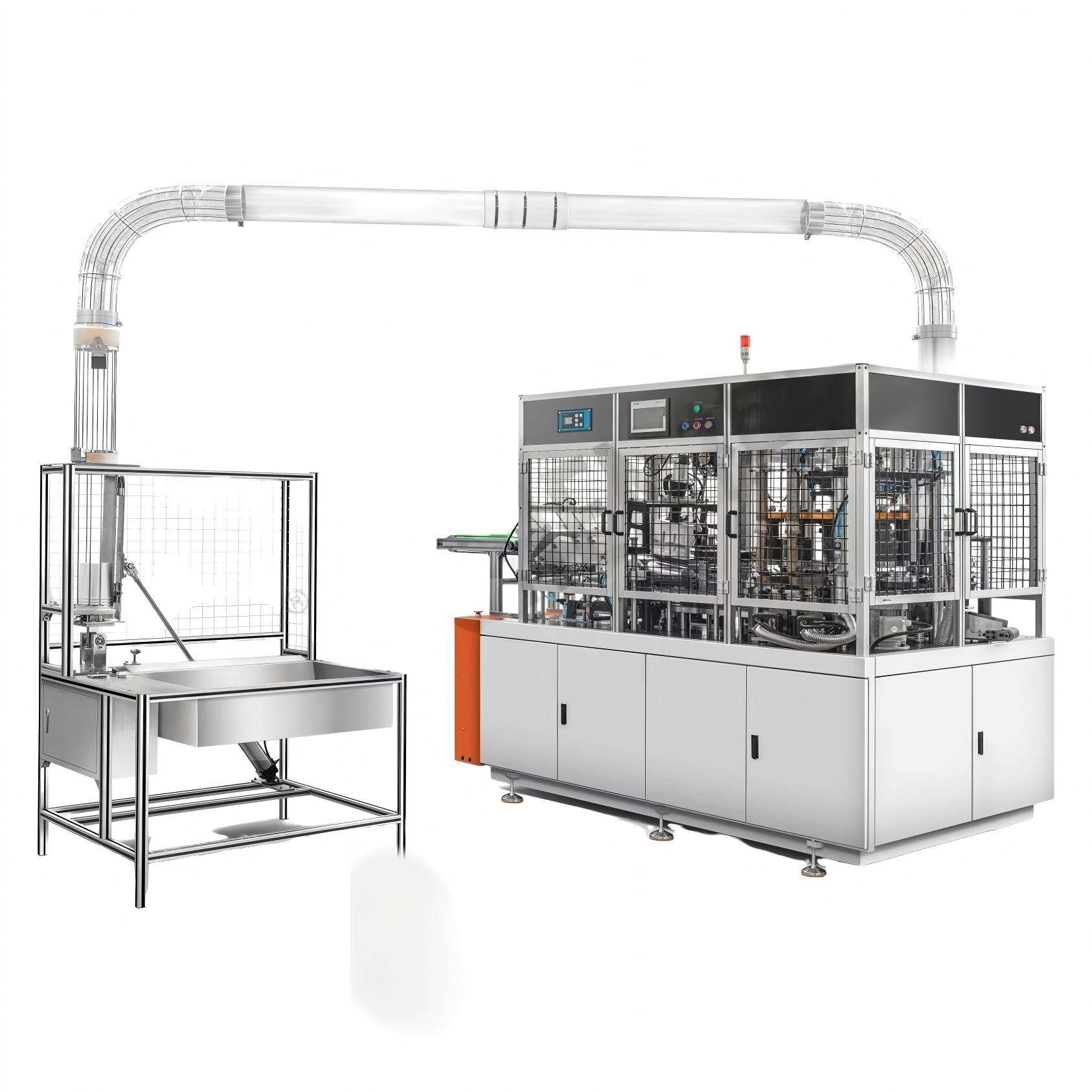
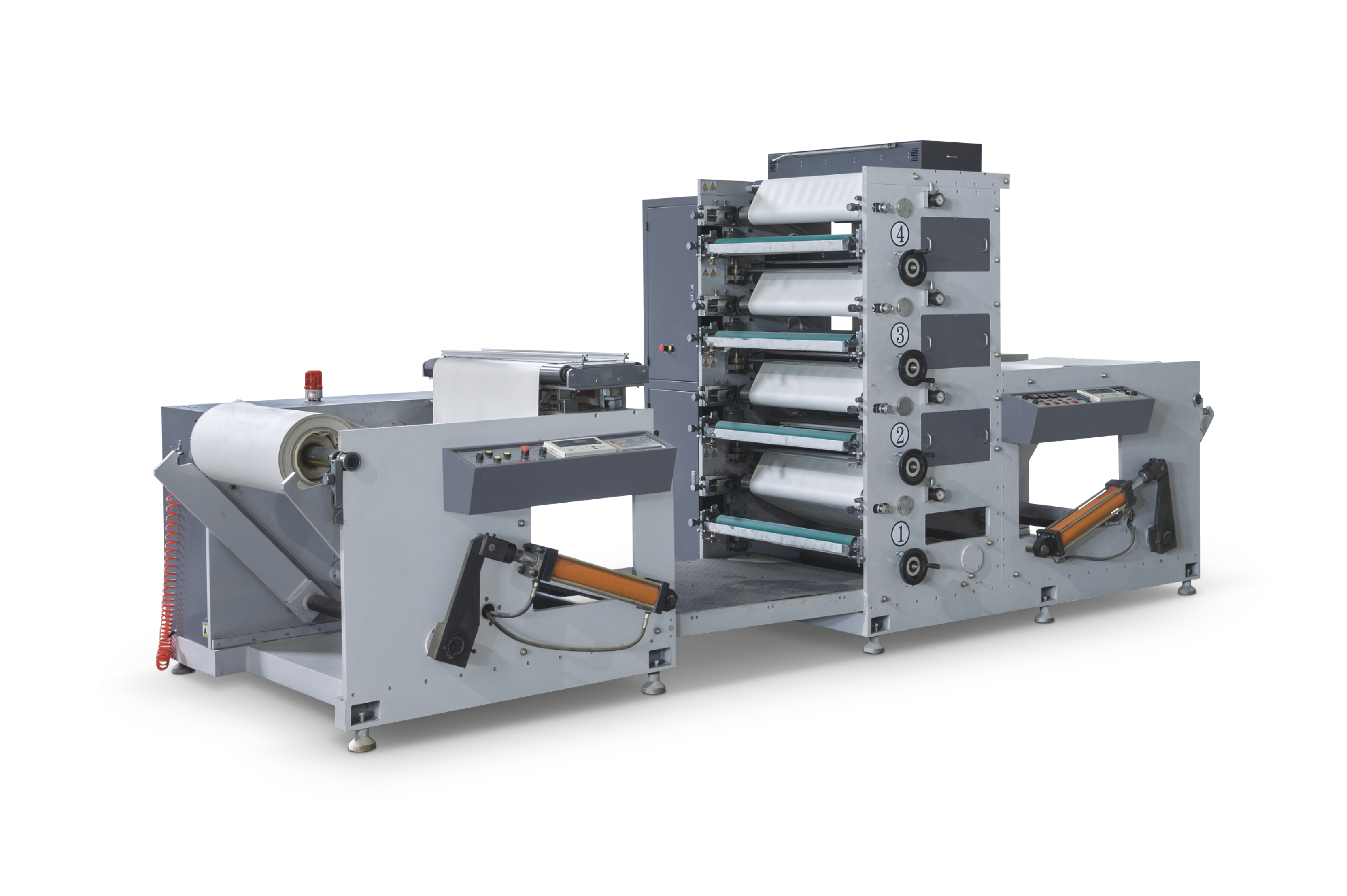
wallpaper manufacturing machine
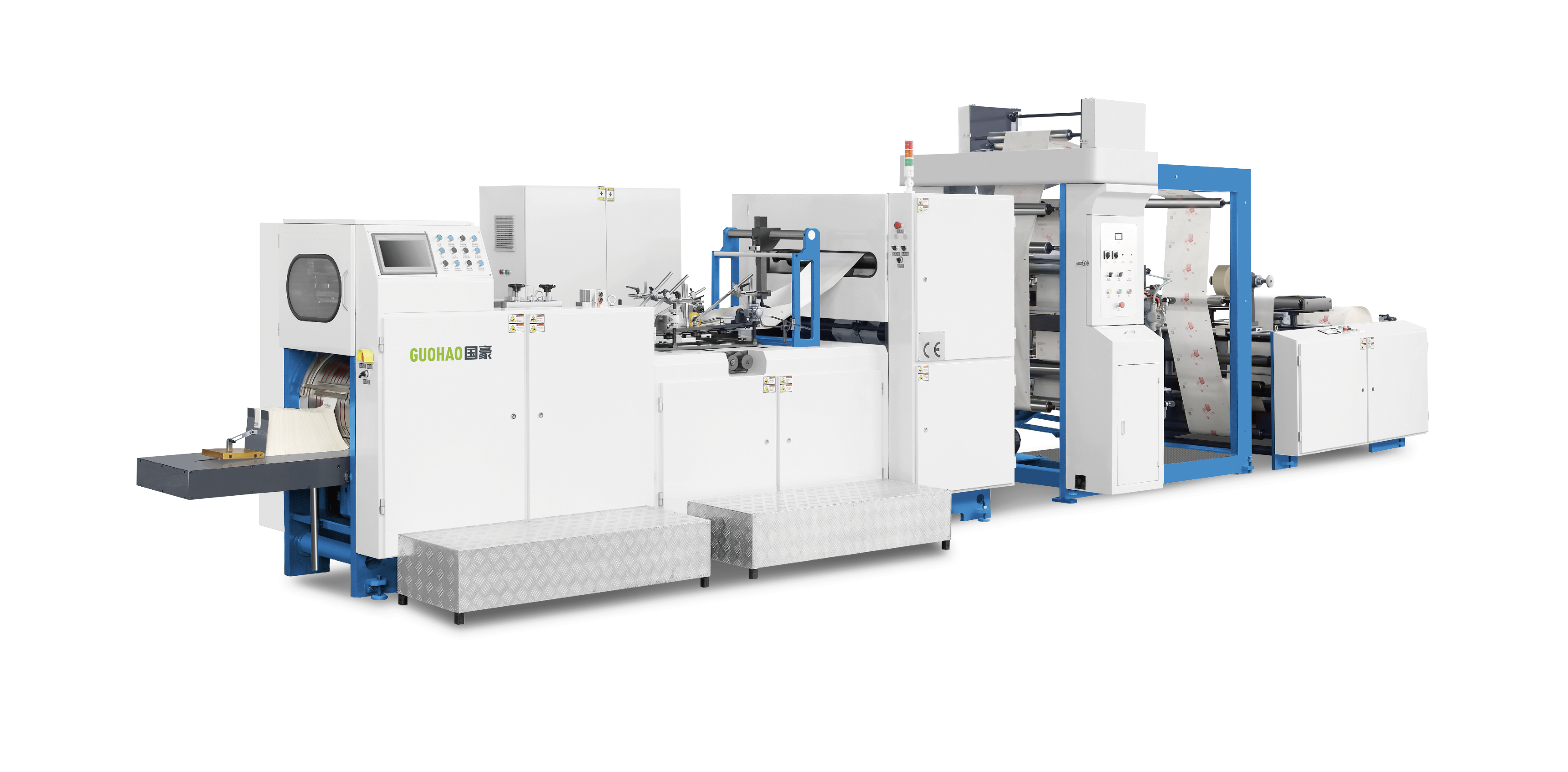
The wallpaper manufacturing machine represents a cornerstone technology in modern interior decoration production, serving as an automated solution for creating high-quality wall coverings at industrial scale. This sophisticated equipment transforms raw materials into finished wallpaper products through a series of precisely controlled processes, ensuring consistent quality and efficient production rates. The wallpaper manufacturing machine integrates multiple operational stages, including substrate preparation, coating application, pattern printing, embossing, and finishing treatments. Modern wallpaper manufacturing machines incorporate advanced digital printing technologies, allowing manufacturers to produce intricate designs with exceptional color accuracy and detail resolution. The substrate feeding system ensures smooth material flow throughout the production line, while temperature and pressure controls maintain optimal conditions for each manufacturing phase. Quality monitoring sensors continuously assess product specifications, automatically adjusting parameters to maintain consistency across production runs. The wallpaper manufacturing machine supports various material types, from traditional paper substrates to vinyl, fabric, and non-woven materials, providing manufacturers with versatility to meet diverse market demands. Coating stations apply adhesive layers, protective films, and decorative finishes with precise thickness control, ensuring proper adhesion and durability of the final product. The drying systems utilize efficient heat distribution and air circulation to accelerate curing processes while preventing material distortion or damage. Pattern registration systems maintain accurate alignment during multi-color printing operations, eliminating registration errors that could compromise visual quality. Roll handling mechanisms accommodate different substrate widths and weights, enabling production flexibility for various wallpaper formats. The wallpaper manufacturing machine incorporates waste reduction features, including material recycling systems and precision cutting tools that minimize off-cuts and production waste. Control interfaces provide operators with real-time monitoring capabilities, displaying production metrics, quality indicators, and maintenance alerts to optimize operational efficiency and prevent downtime.
 ×


 EN