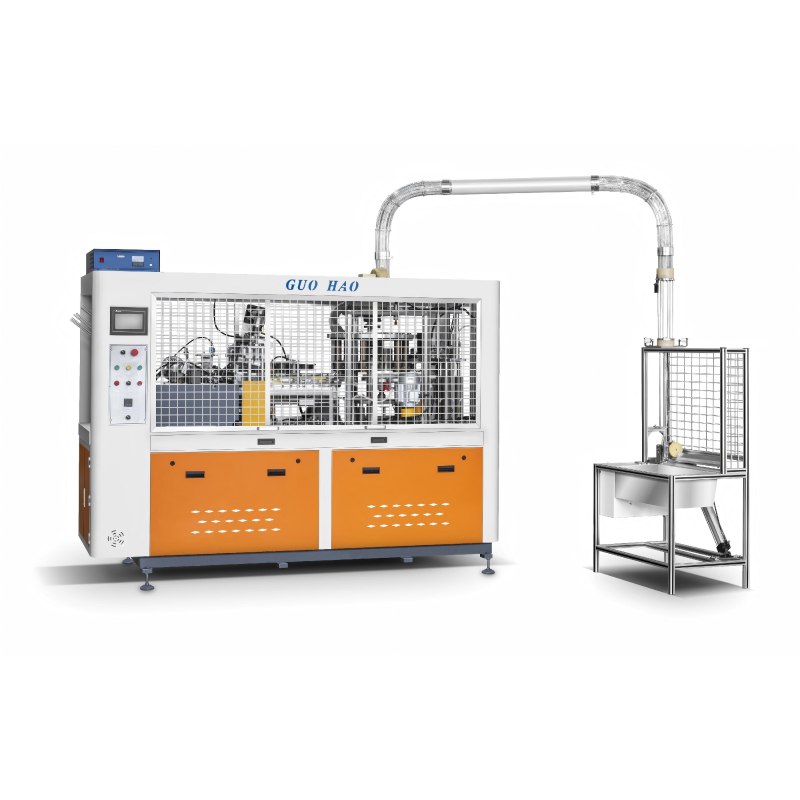
Advanced Tray Erecting Machine Solutions - Automated Packaging Equipment for High-Volume Production

Get a Free Quote

Our representative will contact you soon.
Email
Name
Company Name
Message
0/1000

tray erecting machine

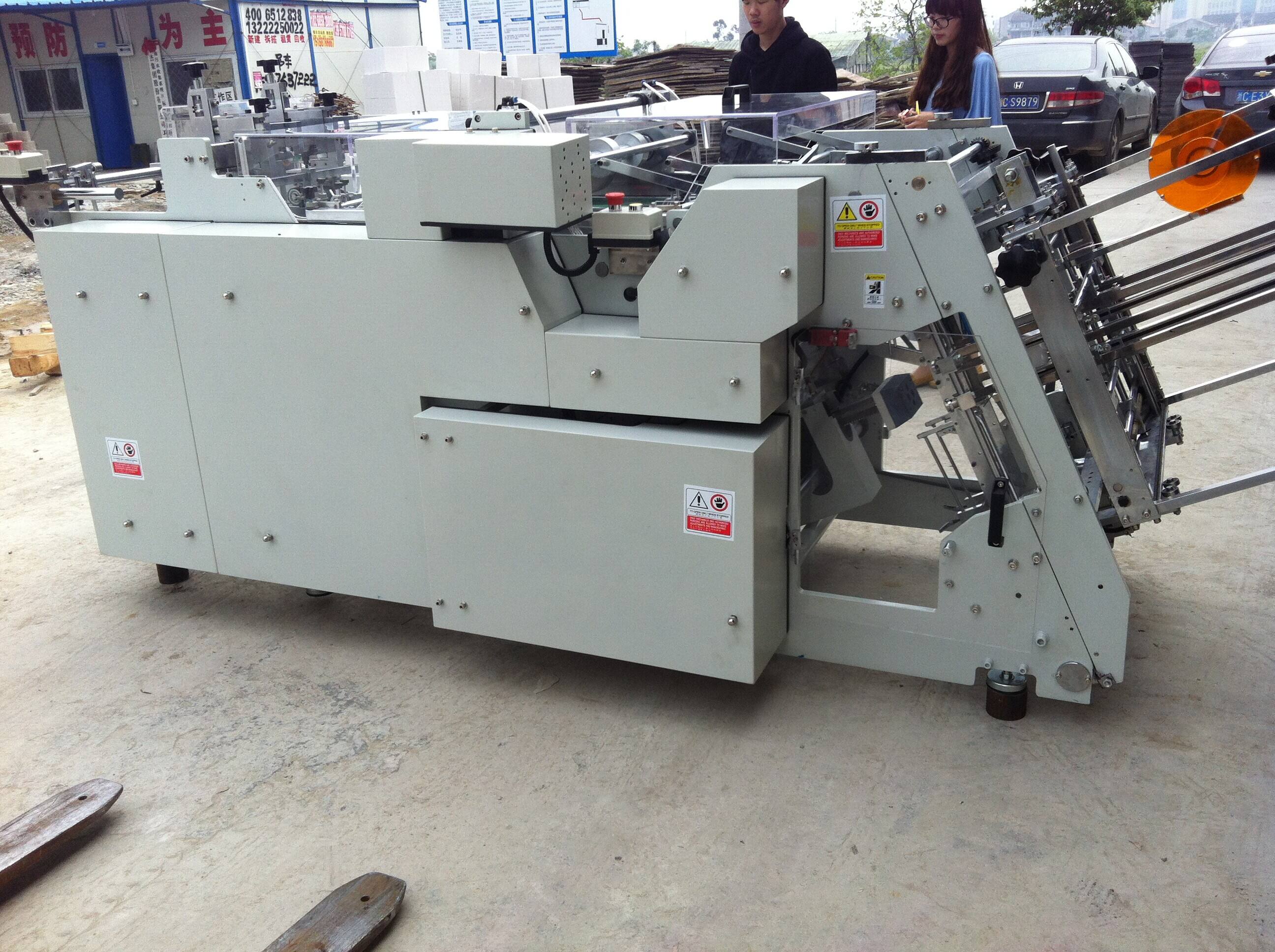
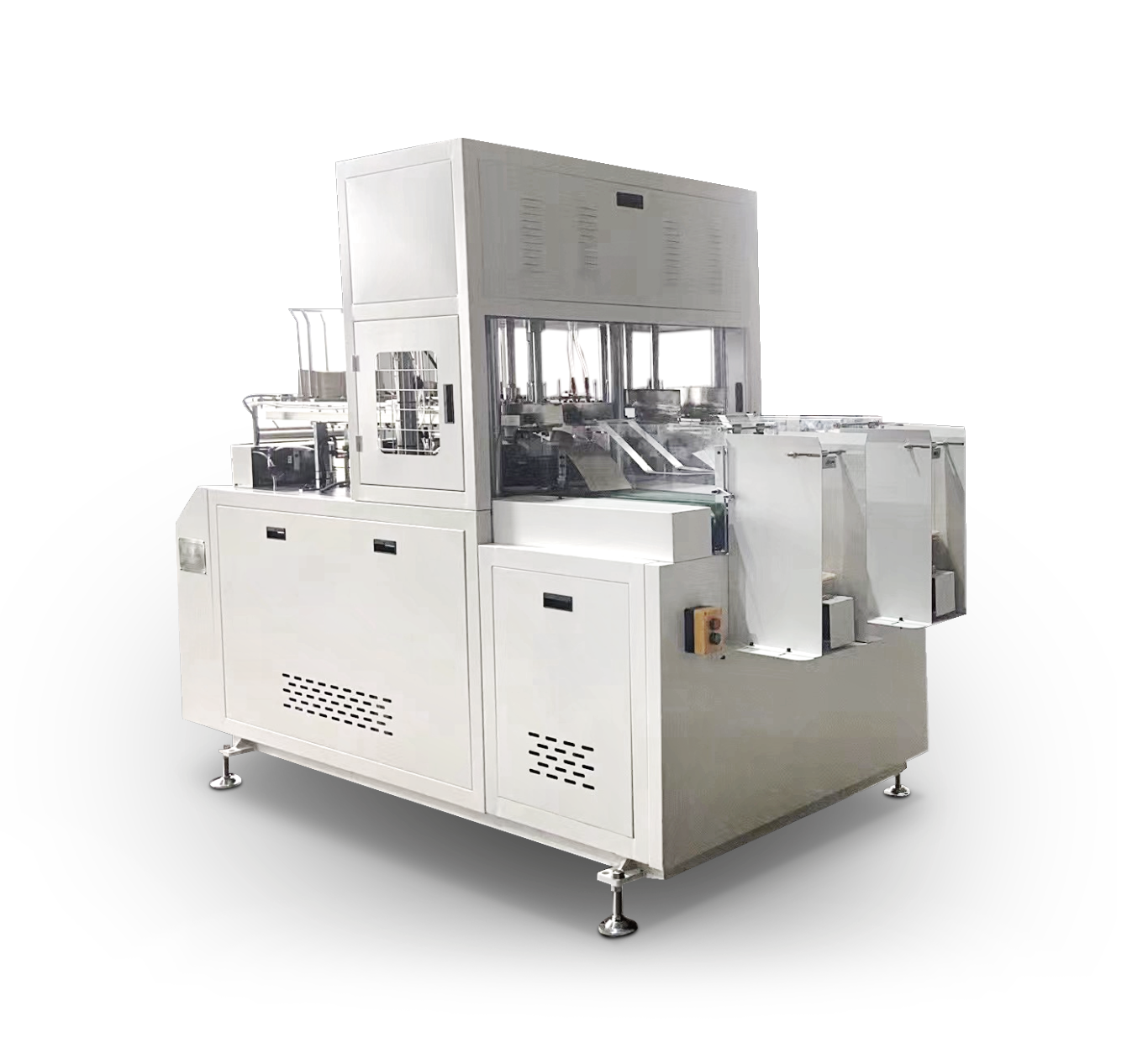
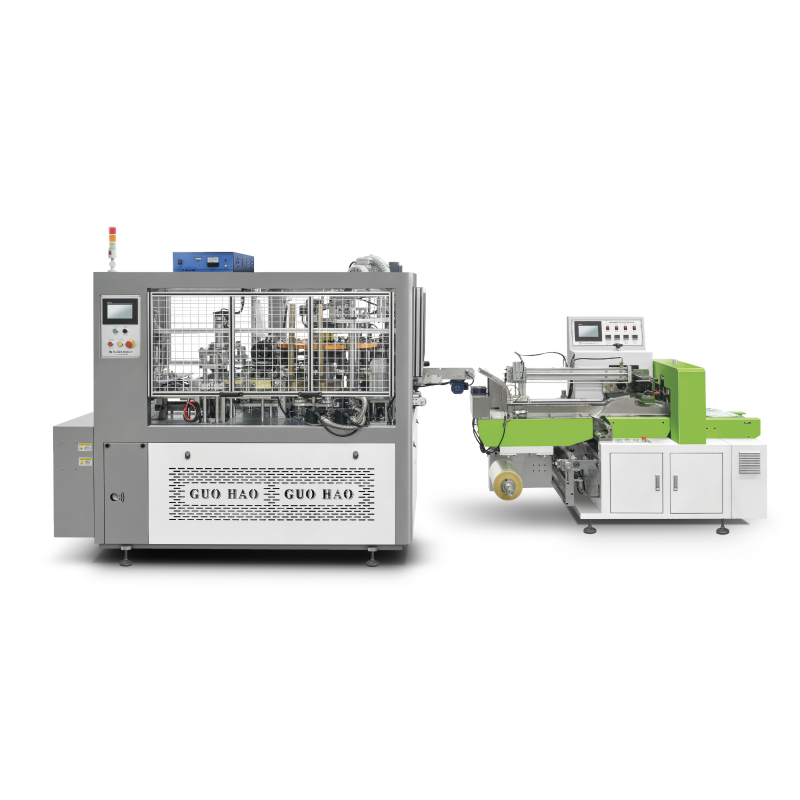
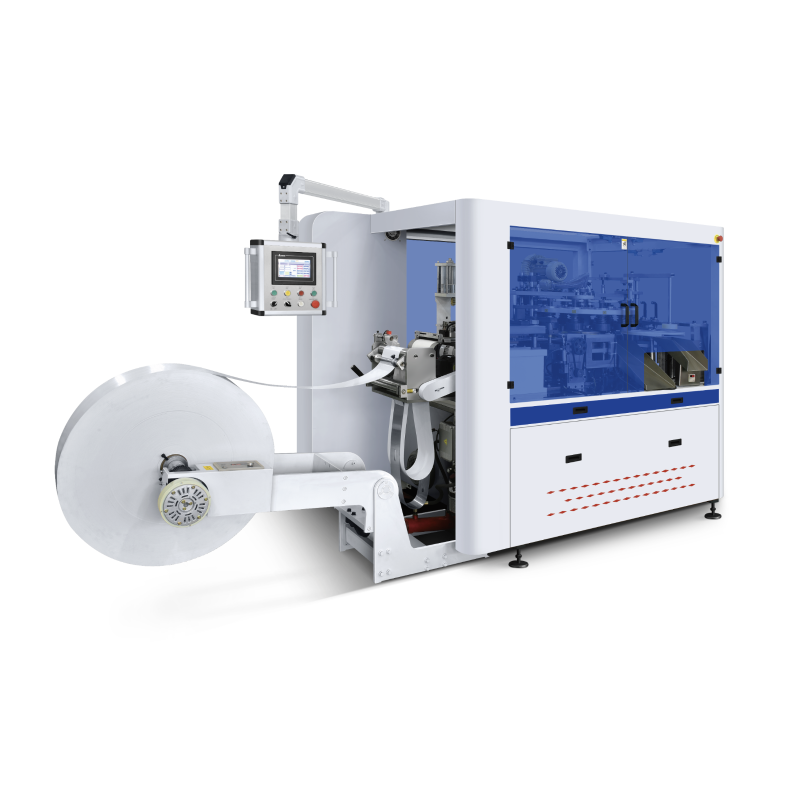
A tray erecting machine represents a revolutionary advancement in packaging automation technology, designed to streamline the formation of corrugated trays and containers in high-volume manufacturing environments. This sophisticated equipment transforms flat cardboard blanks into three-dimensional trays through a precise, automated process that eliminates manual labor while ensuring consistent quality output. The tray erecting machine operates by feeding pre-cut cardboard sheets through a series of mechanical stations that fold, crease, and secure the material into its final container shape. Modern tray erecting machines incorporate advanced servo-driven systems that provide exceptional accuracy and speed, capable of producing hundreds of trays per minute depending on size specifications and complexity. The primary functions of a tray erecting machine include automatic feeding of flat blanks, precise folding along predetermined crease lines, application of adhesive or mechanical fastening, and delivery of completed trays to downstream packaging lines. These machines feature adjustable parameters that accommodate various tray dimensions and styles, making them versatile solutions for diverse packaging requirements. Technological features encompass programmable logic controllers that enable operators to store multiple tray configurations, touchscreen interfaces for intuitive operation, and sensor systems that monitor quality throughout the production process. Safety mechanisms include emergency stop functions, light curtains, and protective guards that ensure operator protection during operation. The tray erecting machine integrates seamlessly with existing production lines through conveyor systems and can be synchronized with other packaging equipment to create comprehensive automated solutions. Quality control features include rejection systems that automatically remove defective trays, ensuring only properly formed containers proceed to the filling stage. Applications span across food and beverage industries, pharmaceuticals, cosmetics, automotive parts packaging, and e-commerce fulfillment centers where reliable, high-speed tray formation is essential for maintaining production efficiency and meeting customer demands.

New Products

The implementation of a tray erecting machine delivers substantial operational benefits that directly impact productivity and profitability across manufacturing facilities. Labor cost reduction stands as the most immediate advantage, as these machines eliminate the need for manual tray assembly workers, allowing companies to redeploy human resources to higher-value activities while reducing ongoing personnel expenses. Production speed increases dramatically compared to manual methods, with modern tray erecting machines capable of forming up to 600 trays per hour, significantly outpacing human capabilities and enabling manufacturers to meet demanding production schedules. Quality consistency represents another critical benefit, as the machine produces uniform trays with identical dimensions and structural integrity, eliminating variations that occur with manual assembly and reducing product damage during shipping and handling. Space utilization improves considerably since automated tray erecting machines require minimal floor space compared to manual assembly stations, allowing facilities to optimize their layout for maximum efficiency. The reduction in material waste becomes apparent as precise folding mechanisms ensure optimal use of cardboard blanks, minimizing scrap and lowering raw material costs over time. Flexibility in production emerges as a key advantage, with quick changeover capabilities enabling manufacturers to switch between different tray sizes and styles without significant downtime, supporting diverse product lines and seasonal variations. Worker safety improvements occur naturally as employees no longer perform repetitive manual tasks that can lead to strain injuries, while automated systems reduce exposure to sharp edges and adhesives. Cost predictability enhances financial planning as automated systems provide consistent operating costs compared to variable labor expenses, enabling more accurate budgeting and cost analysis. Integration capabilities allow tray erecting machines to connect seamlessly with existing packaging lines, creating streamlined workflows that eliminate bottlenecks and improve overall system efficiency. Energy efficiency features in modern machines reduce electrical consumption compared to running multiple manual stations with associated lighting and ventilation requirements. Maintenance requirements remain minimal due to robust construction and quality components, ensuring reliable operation with scheduled preventive maintenance rather than frequent repairs. The return on investment typically occurs within 12-18 months through combined savings in labor, materials, and improved throughput, making the tray erecting machine a financially sound investment for growing businesses.

Tips And Tricks

Wenzhou Qichen: Shone at Drupa 2024, Forging a New Path for Paper Product Equipment

20

Apr

Wenzhou Qichen: Shone at Drupa 2024, Forging a New Path for Paper Product Equipment

View More
Wenzhou Qichen: Debuted New PL06 Paper Lid Machine at China Print 2025

20

Apr

Wenzhou Qichen: Debuted New PL06 Paper Lid Machine at China Print 2025

View More
Our Company Exhibits New High-Speed Paper Cup Machine and Vertical Packaging Machine at the 139th Canton Fair

20

Apr

Our Company Exhibits New High-Speed Paper Cup Machine and Vertical Packaging Machine at the 139th Canton Fair

View More

Get a Free Quote

Our representative will contact you soon.
Email
Name
Company Name
Message
0/1000

tray erecting machine

Advanced Servo-Driven Precision Technology

Advanced Servo-Driven Precision Technology

The cornerstone of modern tray erecting machine performance lies in its sophisticated servo-driven precision technology, which revolutionizes how corrugated trays are formed in industrial environments. This cutting-edge system employs multiple servo motors that control every aspect of the tray formation process with microscopic accuracy, ensuring each fold, crease, and corner meets exact specifications consistently. The servo-driven mechanism operates through closed-loop feedback systems that continuously monitor and adjust positioning, speed, and force application throughout the erection cycle, eliminating the variations and inconsistencies associated with traditional pneumatic or mechanical systems. Each servo motor receives precise commands from the machine's programmable logic controller, enabling synchronized movement across all stations while maintaining optimal timing for seamless operation. The technology allows for infinitely variable speed control, enabling operators to fine-tune production rates based on material characteristics, tray complexity, and downstream equipment requirements without compromising quality. Position accuracy reaches within 0.1mm tolerance levels, ensuring that even the most demanding tray specifications are met repeatedly without deviation. The servo system's ability to store multiple parameter sets means operators can quickly switch between different tray configurations with the touch of a button, automatically adjusting fold angles, compression forces, and timing sequences to match specific requirements. This technological advancement eliminates the need for manual adjustments and reduces changeover times from hours to minutes, significantly improving overall equipment effectiveness. The precision control extends to adhesive application systems, where servo-driven pumps deliver exact amounts of bonding agents to predetermined locations, ensuring optimal adhesion while minimizing waste. Force monitoring capabilities prevent over-compression that could damage delicate materials while ensuring sufficient pressure for proper fold formation. The system's diagnostic capabilities continuously monitor performance parameters, providing early warning of potential issues before they affect production quality. Energy efficiency improvements result from the servo system's ability to use power only when needed, reducing electrical consumption compared to constant-run systems. The precision technology also enables the production of complex tray designs that would be impossible or impractical with manual methods, opening new possibilities for innovative packaging solutions that enhance product protection and presentation while maintaining cost-effectiveness.
Intelligent Quality Control and Monitoring Systems

Intelligent Quality Control and Monitoring Systems

The integrated intelligent quality control and monitoring systems within modern tray erecting machines represent a paradigm shift in automated packaging quality assurance, providing comprehensive oversight that ensures every produced tray meets stringent quality standards before entering the supply chain. These sophisticated systems employ multiple sensor technologies including vision systems, pressure sensors, and dimensional measurement devices that work in concert to evaluate each tray across numerous quality parameters throughout the formation process. High-resolution cameras equipped with advanced image processing algorithms inspect fold alignment, corner formation, and overall structural integrity, instantly identifying defects that human operators might miss during visual inspection. The vision system captures multiple images from different angles as trays move through the machine, comparing actual results against predetermined quality standards stored in the system's database. Pressure sensors monitor the force applied during each folding operation, ensuring consistent compression levels that guarantee proper crease formation without damaging the corrugated material. Dimensional measurement systems verify that completed trays meet specified length, width, and height requirements within acceptable tolerances, automatically flagging any units that fall outside parameters. The intelligent monitoring extends to adhesive application quality, with sensors detecting proper glue bead placement, quantity, and coverage patterns that ensure reliable bonding strength. Real-time data collection enables the system to track quality trends over time, identifying gradual changes in performance that might indicate wear or calibration drift before they impact production. Automatic rejection mechanisms remove defective trays from the production line without stopping the machine, maintaining continuous operation while ensuring only acceptable products proceed to downstream processes. The quality control system generates comprehensive reports that document production statistics, defect rates, and performance trends, providing valuable insights for process optimization and preventive maintenance planning. Statistical process control features alert operators when quality parameters approach control limits, enabling proactive adjustments that prevent defect production. The system's learning capabilities improve performance over time by analyzing quality data patterns and suggesting optimization opportunities. Integration with enterprise resource planning systems enables quality data to be incorporated into broader manufacturing analytics, supporting continuous improvement initiatives. Remote monitoring capabilities allow quality managers to oversee multiple machines from centralized locations, ensuring consistent standards across facilities. The intelligent systems also provide training support for operators by highlighting quality issues and suggesting corrective actions, building expertise while maintaining production efficiency.

Seamless Integration and Workflow Optimization

Seamless Integration and Workflow Optimization

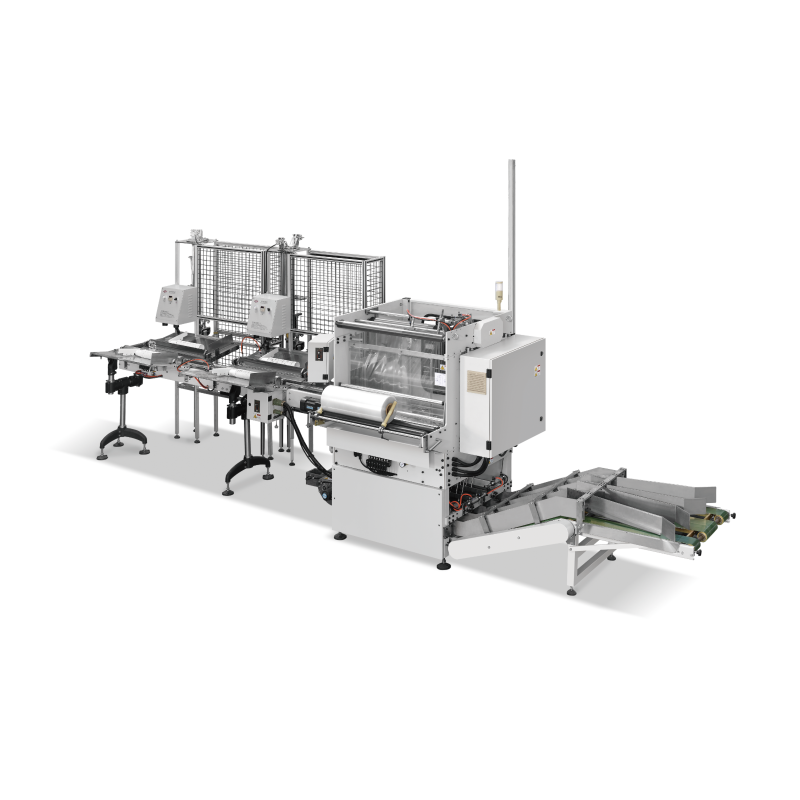
The seamless integration capabilities and workflow optimization features of modern tray erecting machines transform isolated packaging operations into cohesive, efficient production ecosystems that maximize throughput while minimizing operational complexity. These machines are engineered with comprehensive connectivity options that enable smooth integration with upstream and downstream equipment, creating synchronized production lines that eliminate bottlenecks and reduce handling requirements. Advanced communication protocols including Ethernet/IP, Profinet, and DeviceNet facilitate real-time data exchange between the tray erecting machine and other line components such as case packers, palletizers, and conveyor systems, ensuring coordinated operation that optimizes overall line efficiency. The integration extends to warehouse management systems and enterprise resource planning platforms, enabling automatic production scheduling, inventory tracking, and performance reporting that supports data-driven decision making. Sophisticated buffer systems within the machine design accommodate variations in upstream and downstream processing speeds, maintaining steady material flow even when connected equipment operates at different rates. The tray erecting machine's modular design philosophy enables easy expansion and reconfiguration as production requirements evolve, allowing manufacturers to adapt their operations without major infrastructure changes. Workflow optimization features include automatic size detection systems that recognize different tray blanks and adjust machine parameters accordingly, eliminating manual setup procedures and reducing changeover times. Predictive maintenance capabilities monitor component wear and performance trends, scheduling maintenance activities during planned downtime to prevent unexpected interruptions that could disrupt integrated production lines. The machine's ability to communicate production status, material requirements, and maintenance needs to central control systems enables proactive management of the entire packaging operation. Energy management integration allows the tray erecting machine to coordinate power consumption with other line equipment, reducing peak demand charges and supporting sustainability initiatives. Quality data integration ensures that defect information flows seamlessly to downstream equipment, enabling automatic adjustments in filling speeds or packaging parameters to accommodate tray variations. The system's flexibility supports both continuous and batch production modes, adapting to different manufacturing philosophies without compromising efficiency. Remote diagnostics capabilities enable equipment manufacturers to provide support services that minimize downtime and optimize performance through data-driven recommendations. Training integration features provide operator guidance directly through the machine interface, ensuring consistent operation procedures across shifts and reducing the learning curve for new personnel, ultimately supporting the seamless workflow that modern manufacturing demands.

Get a Free Quote

Our representative will contact you soon.
Email
Name
Company Name
Message
0/1000