Advanced Packet Packing Machine Solutions - Automated Packaging Technology for Maximum Efficiency

Get a Free Quote

Our representative will contact you soon.
Email
Name
Company Name
Message
0/1000

packet packing machine

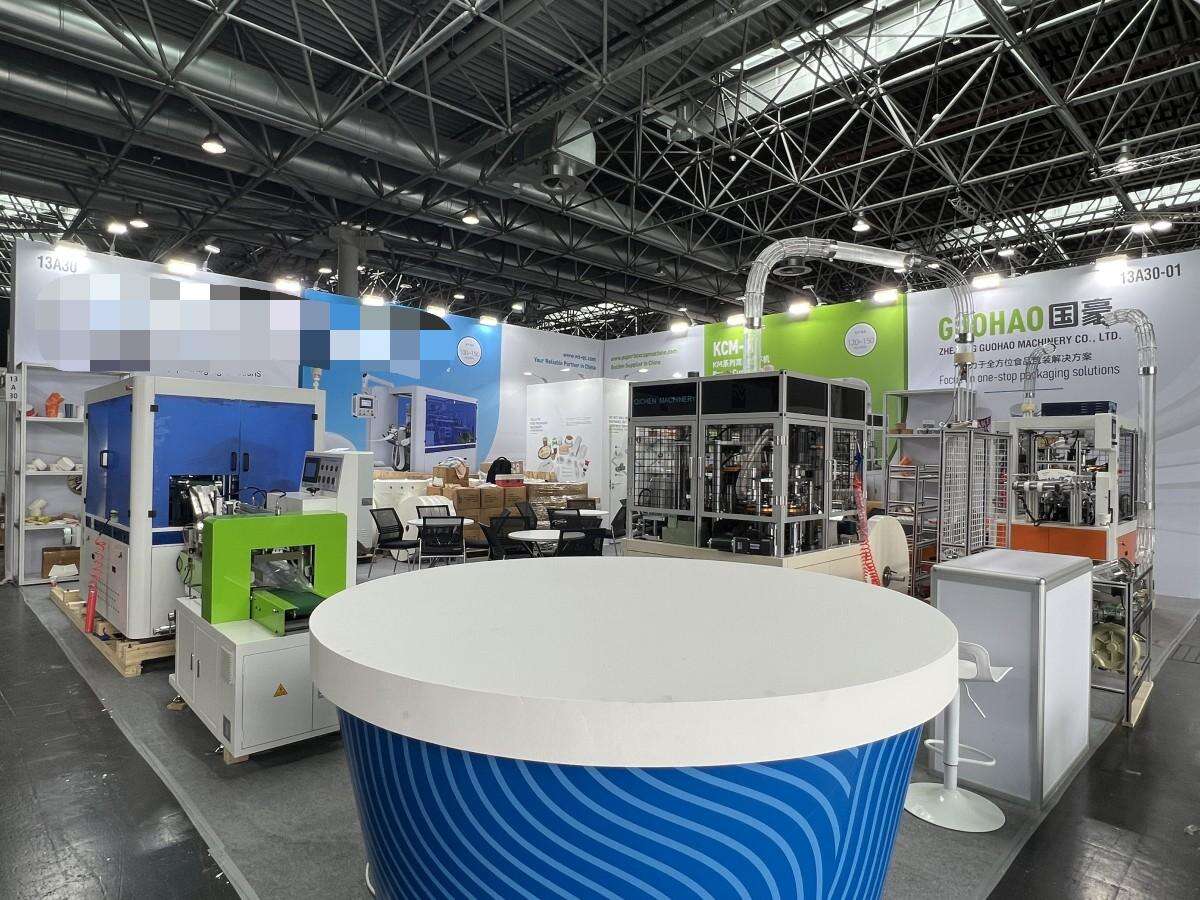
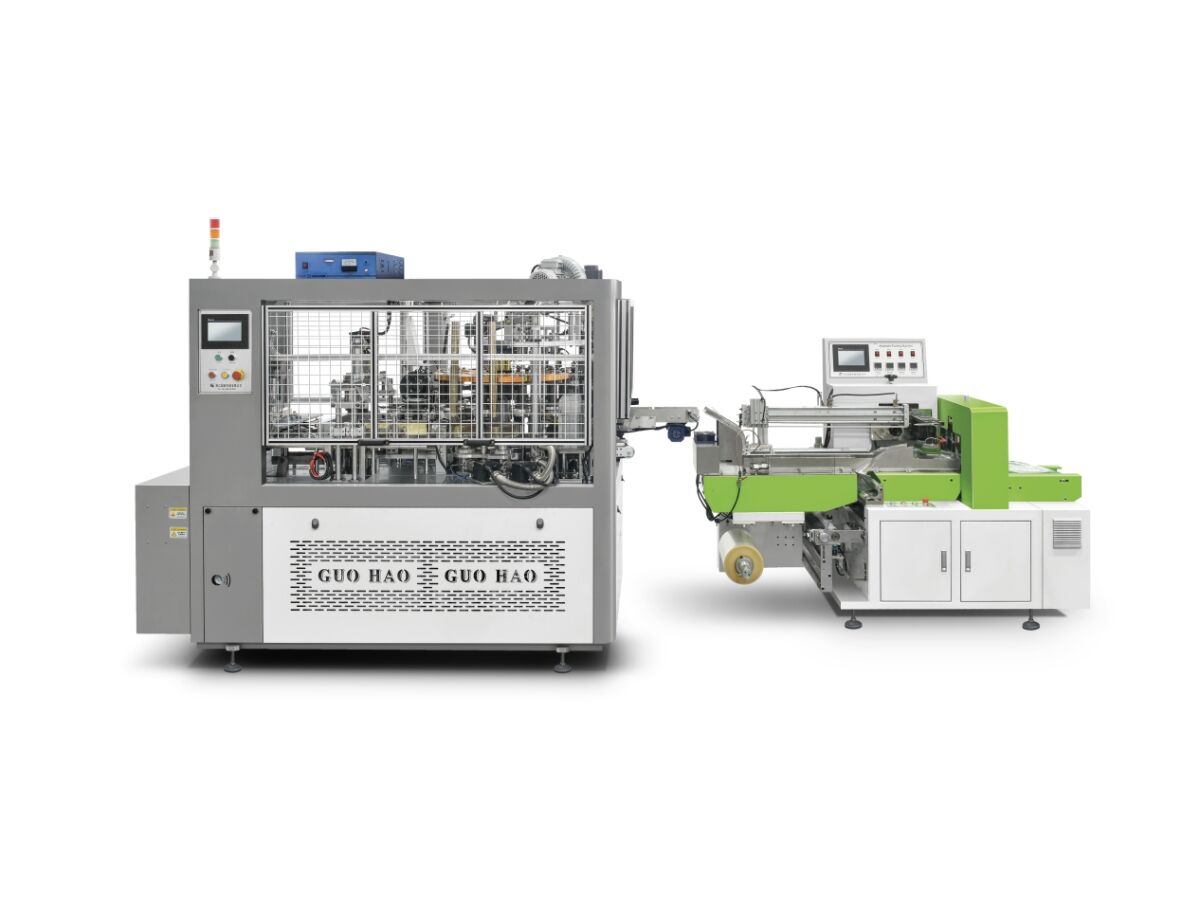
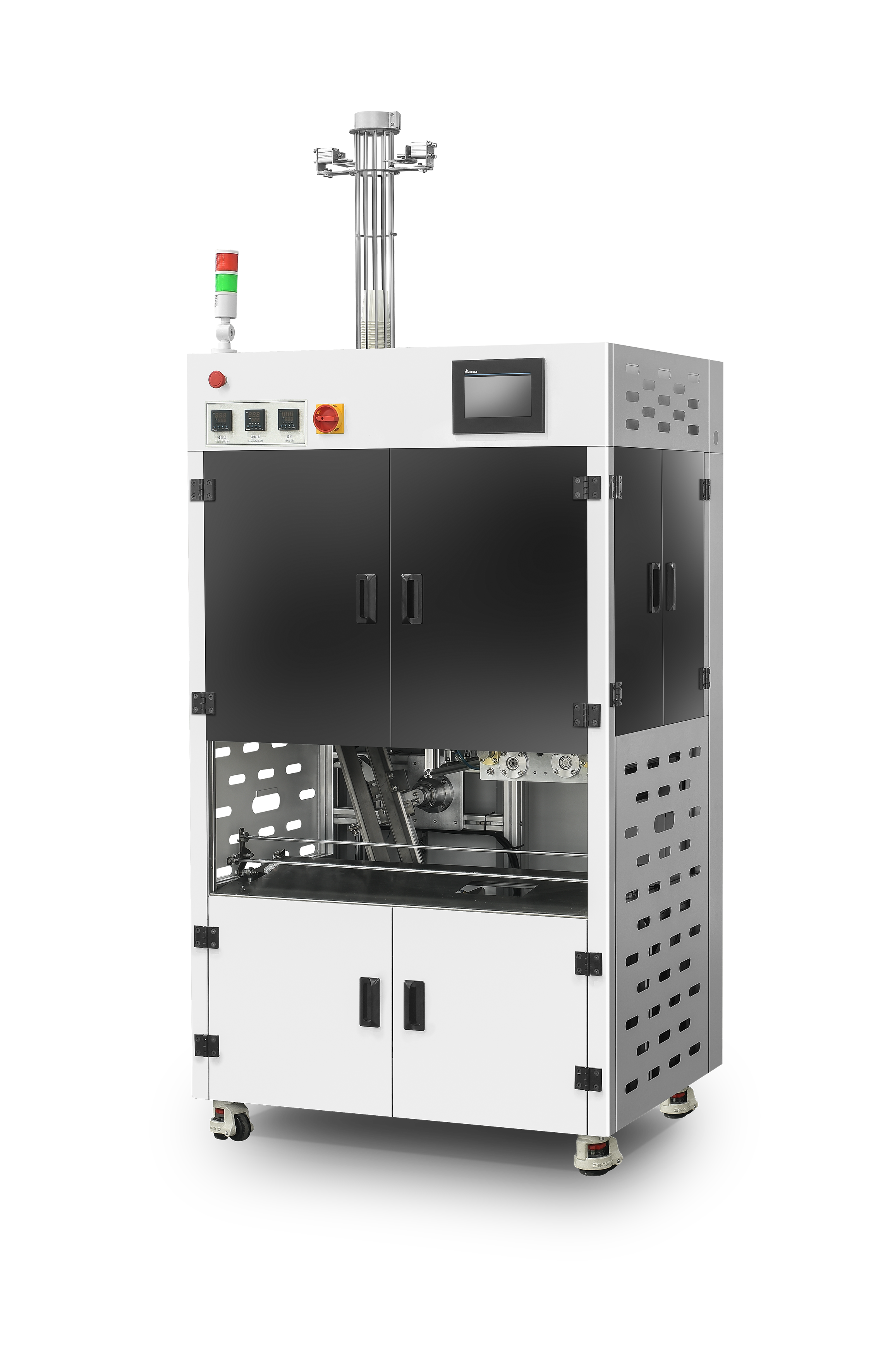
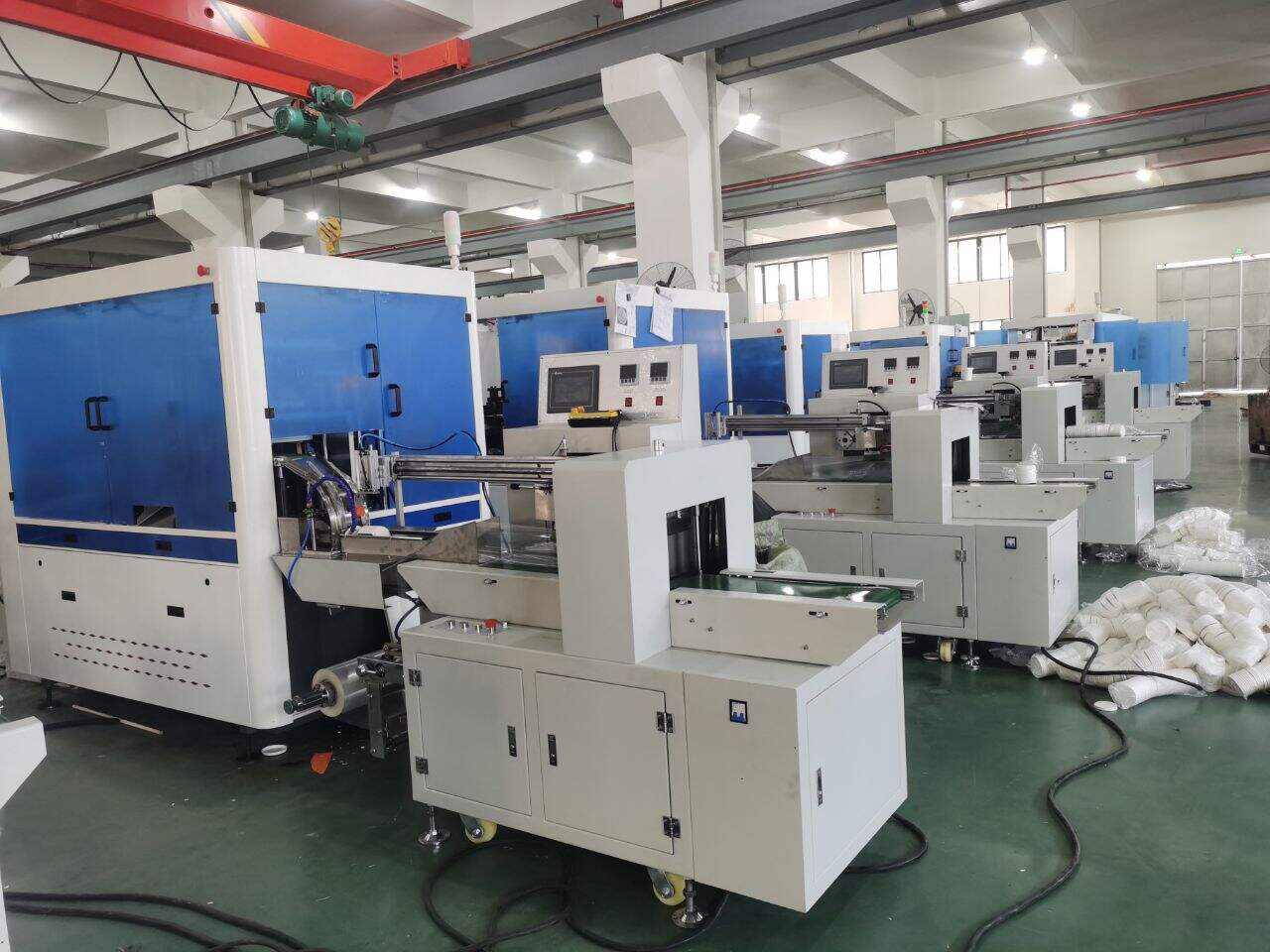
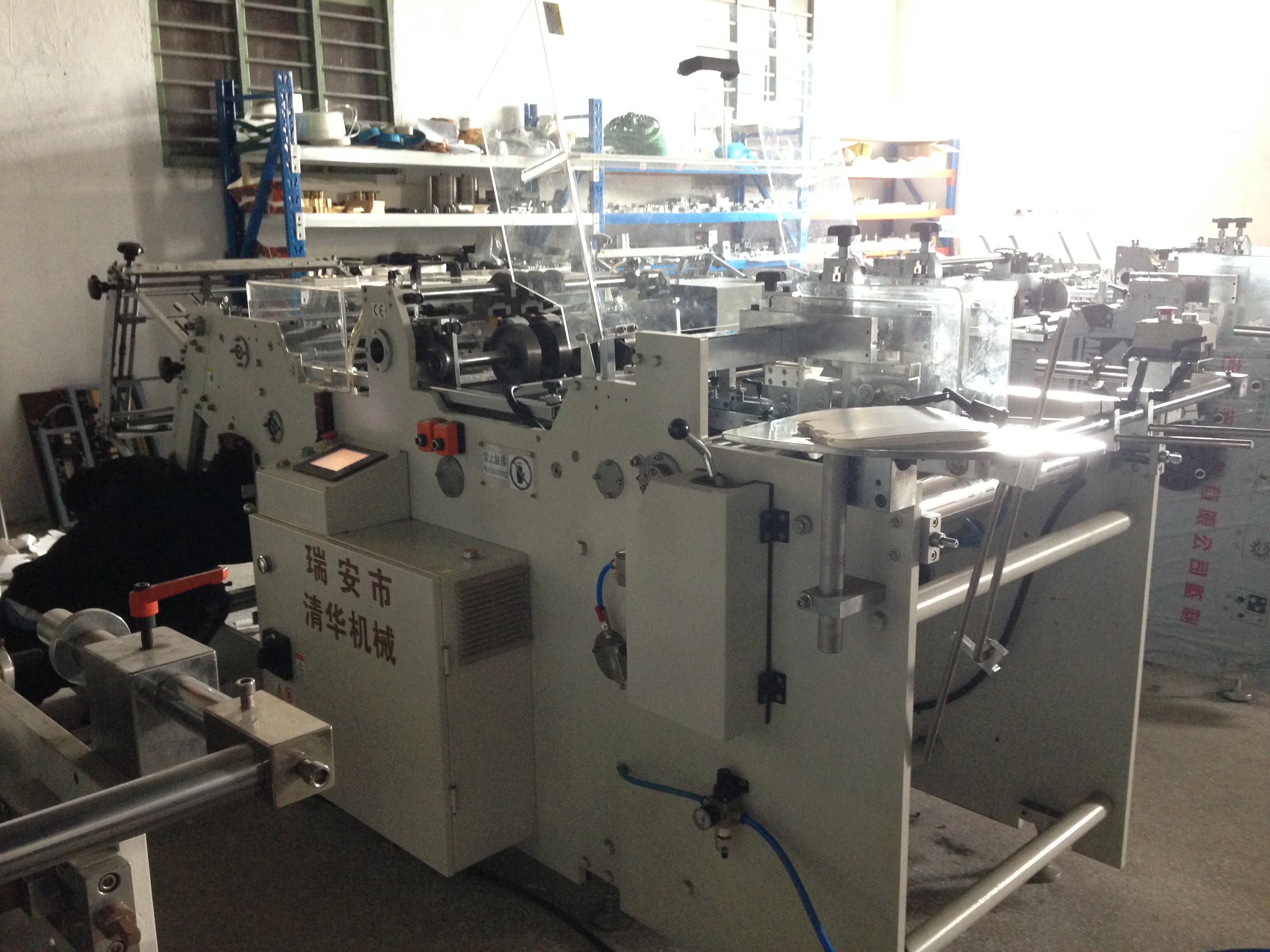
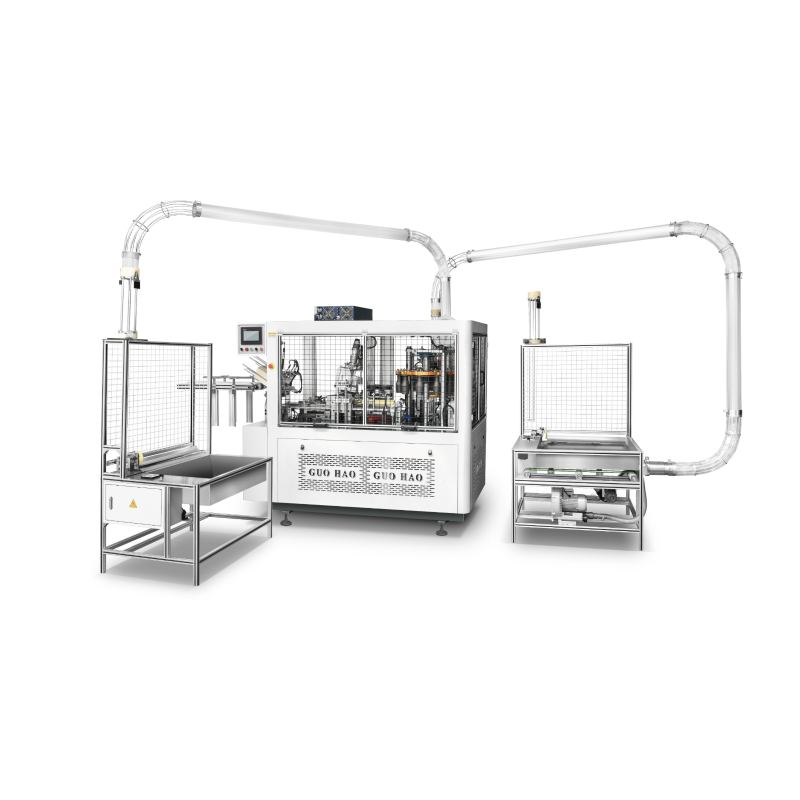
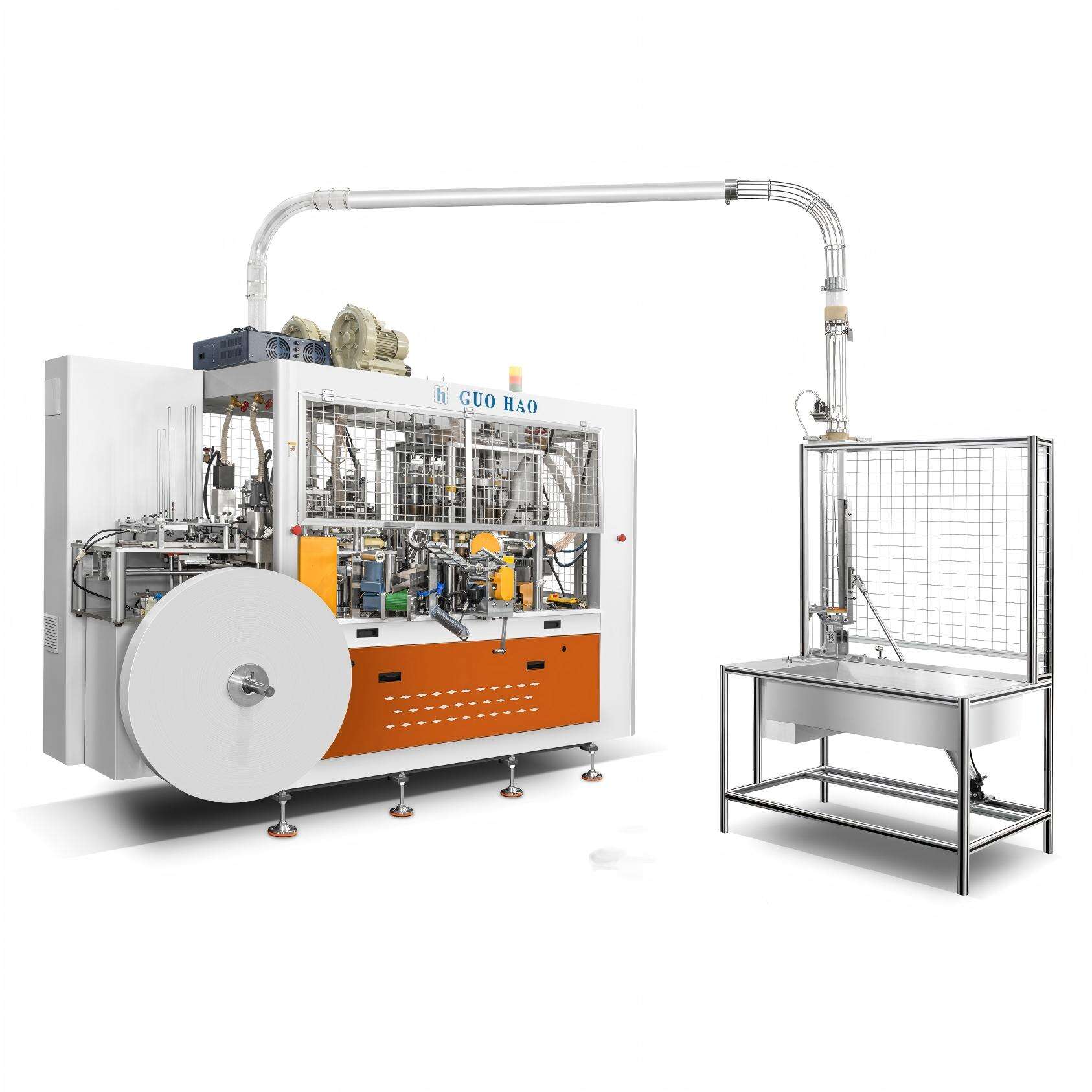
A packet packing machine represents an essential piece of industrial equipment designed to efficiently package various products into standardized packets or sachets. This automated packaging solution streamlines the entire packaging process by combining multiple functions including product feeding, measuring, forming, filling, sealing, and cutting operations within a single integrated system. The packet packing machine operates through sophisticated mechanical and electronic components that work in harmony to deliver consistent packaging results across diverse industries. Modern packet packing machines incorporate advanced servo motor technology, programmable logic controllers (PLC), and human-machine interface (HMI) systems to ensure precise control over every aspect of the packaging process. These machines excel in handling granular products, powders, liquids, pastes, and small solid items, making them versatile solutions for manufacturers seeking reliable packaging automation. The equipment typically features stainless steel construction that meets food grade standards and pharmaceutical requirements, ensuring product safety and hygiene compliance. Temperature control systems, vacuum sealing capabilities, and nitrogen flushing options further enhance product preservation and shelf life extension. The packet packing machine integrates seamlessly with upstream production lines and downstream conveyor systems, creating comprehensive packaging workflows that maximize operational efficiency. Adjustable parameters allow operators to modify packet sizes, sealing temperatures, conveyor speeds, and filling volumes according to specific product requirements. Quality control sensors monitor seal integrity, weight accuracy, and package formation to maintain consistent output standards. The equipment supports various packaging materials including laminated films, aluminum foil, plastic pouches, and paper-based substrates, providing flexibility in packaging design and branding opportunities.

New Product Releases

The packet packing machine delivers substantial operational benefits that directly impact manufacturing efficiency and profitability. Production speed improvements represent one of the most significant advantages, with modern machines capable of producing hundreds or thousands of packets per hour depending on product specifications and machine configuration. This dramatic increase in throughput allows manufacturers to meet growing market demand while reducing labor costs associated with manual packaging processes. Consistency in package quality becomes achievable through automated controls that eliminate human error variables, ensuring uniform packet dimensions, accurate fill weights, and reliable seal integrity across every production run. Cost reduction benefits extend beyond labor savings to include material waste minimization through precise product dispensing and optimized film usage calculations. The machine's ability to handle multiple product types with quick changeover capabilities enables manufacturers to diversify their product offerings without investing in separate packaging equipment. Quality assurance features built into the packet packing machine include weight checking systems, metal detection capabilities, and vision inspection technologies that identify defective packages before they reach distribution channels. Energy efficiency improvements result from optimized heating systems, variable speed drives, and standby modes that reduce power consumption during idle periods. Maintenance requirements remain minimal due to robust construction and self-diagnostic capabilities that alert operators to potential issues before major breakdowns occur. Regulatory compliance becomes simplified through documentation features that track production data, batch information, and quality metrics required for audit trails. The compact footprint of modern packet packing machines maximizes factory floor utilization while integrated safety systems protect operators through emergency stops, light curtains, and lockout procedures. Scalability options allow manufacturers to upgrade machine capabilities or add modules as business growth demands increase production capacity. Remote monitoring capabilities enable real-time performance tracking and troubleshooting support from equipment manufacturers, reducing downtime and optimizing operational efficiency.

Practical Tips

Wenzhou Qichen: Shone at Drupa 2024, Forging a New Path for Paper Product Equipment

20

Apr

Wenzhou Qichen: Shone at Drupa 2024, Forging a New Path for Paper Product Equipment

View More
Wenzhou Qichen: Debuted New PL06 Paper Lid Machine at China Print 2025

20

Apr

Wenzhou Qichen: Debuted New PL06 Paper Lid Machine at China Print 2025

View More
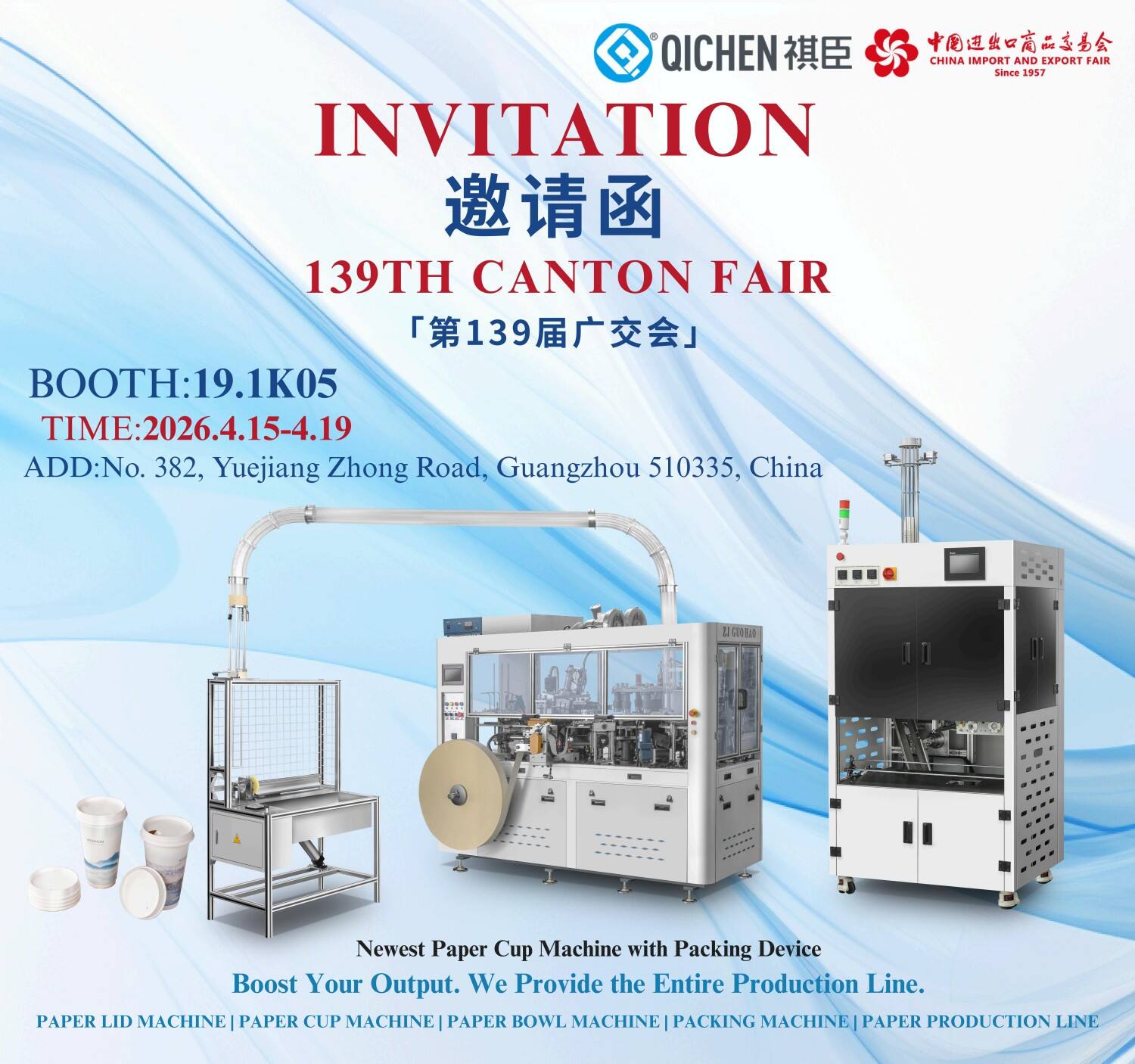
Our Company Exhibits New High-Speed Paper Cup Machine and Vertical Packaging Machine at the 139th Canton Fair

20

Apr

Our Company Exhibits New High-Speed Paper Cup Machine and Vertical Packaging Machine at the 139th Canton Fair

View More

Get a Free Quote

Our representative will contact you soon.
Email
Name
Company Name
Message
0/1000

packet packing machine

Advanced Servo Control Technology

Advanced Servo Control Technology

The integration of advanced servo control technology distinguishes modern packet packing machines from conventional packaging equipment by delivering unprecedented precision and reliability in every packaging operation. Servo motors provide exact positioning control for film advancement, product dispensing, and sealing mechanisms, ensuring consistent packet formation regardless of production speed variations. This technology enables the packet packing machine to maintain accurate registration between packaging film graphics and product placement, creating professional-looking packages that enhance brand presentation and consumer appeal. The servo system responds instantly to control commands, allowing for rapid acceleration and deceleration cycles that maximize production throughput while minimizing mechanical stress on machine components. Digital feedback systems continuously monitor servo motor performance, automatically adjusting parameters to compensate for wear, temperature variations, and load changes that could affect packaging quality. The precision offered by servo control technology extends to fill weight accuracy, with systems capable of maintaining tolerances within fractions of a gram even at high production speeds. This level of control reduces product giveaway costs and ensures compliance with weight regulations across different markets. Programming flexibility allows operators to store multiple recipe parameters for different products, enabling quick changeovers between packaging runs without manual adjustments or recalibration procedures. The servo control system integrates seamlessly with quality control sensors, automatically rejecting packages that fall outside acceptable parameters while maintaining production flow. Energy efficiency benefits result from the servo system's ability to provide power only when motion is required, significantly reducing electrical consumption compared to continuous-operation mechanical systems. Diagnostic capabilities built into servo controllers provide detailed performance data and predictive maintenance alerts, enabling proactive service scheduling that prevents unexpected downtime. The smooth, controlled motion characteristics of servo technology reduce noise levels and vibration, creating a more comfortable working environment while extending the operational life of mechanical components throughout the packet packing machine.
Multi-Format Packaging Versatility

Multi-Format Packaging Versatility

The multi-format packaging versatility of modern packet packing machines empowers manufacturers to address diverse market segments and product categories using a single piece of equipment, maximizing return on investment and operational flexibility. This adaptability stems from modular design concepts that allow rapid reconfiguration for different packet sizes, shapes, and sealing patterns without requiring extensive mechanical modifications or tooling changes. The packet packing machine accommodates various packaging formats including three-side sealed pouches, four-side sealed sachets, stick packs, pillow bags, and gusseted packages, providing comprehensive solutions for different product presentations and market preferences. Material compatibility extends across multiple substrate types including laminated films, aluminum foil constructions, paper-based materials, and biodegradable alternatives, supporting sustainability initiatives while maintaining packaging performance standards. Sealing technology options within the packet packing machine include heat sealing, ultrasonic welding, and cold sealing capabilities, ensuring optimal package integrity regardless of product sensitivity to temperature or moisture. The equipment handles products ranging from fine powders and granules to viscous liquids and chunky solids, with dispensing systems that can be configured for volumetric, gravimetric, or auger-based filling methods. Size adjustment capabilities allow packet dimensions to be modified within machine limits through simple parameter changes, eliminating the need for mechanical adjustments or component replacements. Special features such as tear notches, hanging holes, and zipper applications can be integrated during the packaging process, adding consumer convenience features that enhance product marketability. The packet packing machine supports various closure types including permanent seals, resealable zippers, and easy-open perforations, catering to different usage patterns and consumer preferences. Quality control systems adapt automatically to different packaging formats, adjusting inspection parameters and rejection criteria to maintain consistent quality standards across all product variations. Production data tracking capabilities record performance metrics for each packaging format, enabling optimization of changeover procedures and identification of format-specific efficiency improvements. This versatility enables manufacturers to respond quickly to market opportunities, test new product concepts, and accommodate customer-specific packaging requirements without significant capital investment or operational disruption.

Integrated Quality Assurance Systems

Integrated Quality Assurance Systems

Integrated quality assurance systems within packet packing machines provide comprehensive protection against defective products reaching consumers while maintaining production efficiency and regulatory compliance standards. These sophisticated monitoring systems employ multiple inspection technologies working simultaneously to evaluate package integrity, product quality, and compliance parameters throughout the packaging process. Vision inspection systems utilize high-resolution cameras and advanced image processing algorithms to detect seal defects, film damage, printing errors, and foreign object contamination in real-time as packages move through the production line. Weight checking systems integrated into the packet packing machine verify accurate fill quantities using precision load cells that can detect variations as small as 0.1 grams, automatically rejecting underweight or overweight packages while maintaining production flow. Metal detection capabilities protect consumers and downstream equipment by identifying metallic contaminants that may have entered the product stream during processing or handling stages. Seal integrity testing systems monitor sealing temperature, pressure, and dwell time parameters while conducting leak detection tests using vacuum or pressure differential methods to ensure package barrier properties meet specification requirements. The quality assurance systems generate comprehensive documentation including statistical process control charts, trend analysis reports, and batch traceability records that support regulatory audits and continuous improvement initiatives. Automatic rejection mechanisms remove defective packages from the production stream without operator intervention, directing rejected products to designated collection areas for inspection and analysis. The packet packing machine's quality systems provide immediate feedback to process control algorithms, enabling real-time adjustments to packaging parameters that prevent quality drift and minimize waste generation. Calibration procedures for quality assurance equipment integrate with production scheduling systems, ensuring inspection accuracy through regular verification and maintenance protocols. Data connectivity features enable quality information to be shared with enterprise resource planning systems, facilitating supply chain visibility and quality management reporting. Customizable inspection parameters allow quality standards to be adjusted for different products, packaging materials, and market requirements while maintaining consistent monitoring coverage. Alert systems notify operators immediately when quality parameters exceed acceptable limits, enabling rapid corrective action that prevents the production of non-conforming products. The integration of artificial intelligence capabilities enhances quality assurance effectiveness by learning from historical data patterns and predicting potential quality issues before they occur, supporting proactive quality management strategies that improve overall packaging operation performance.

Get a Free Quote

Our representative will contact you soon.
Email
Name
Company Name
Message
0/1000