Modular Design and Easy Integration
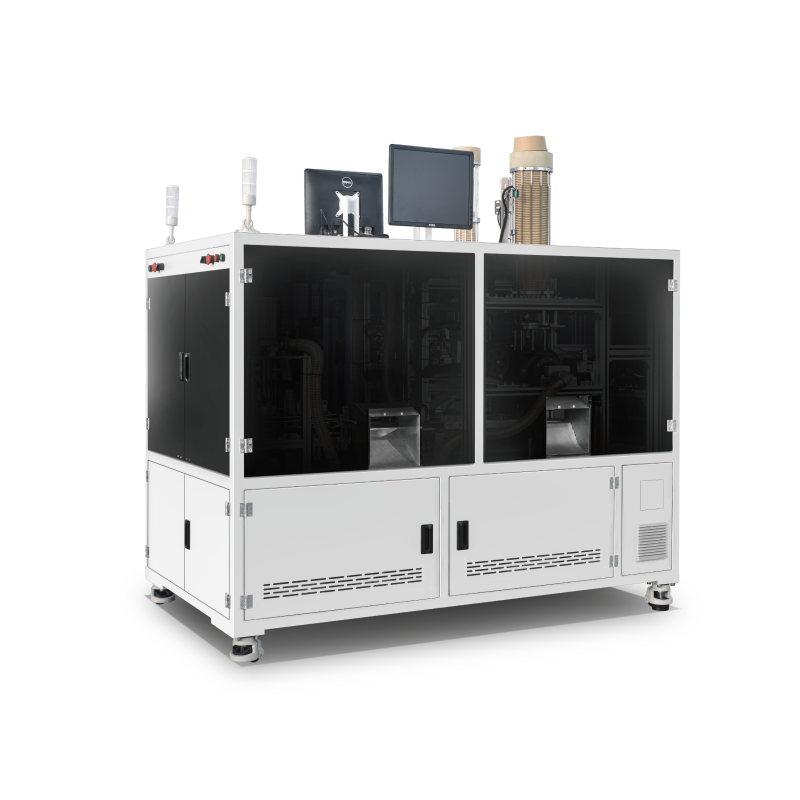
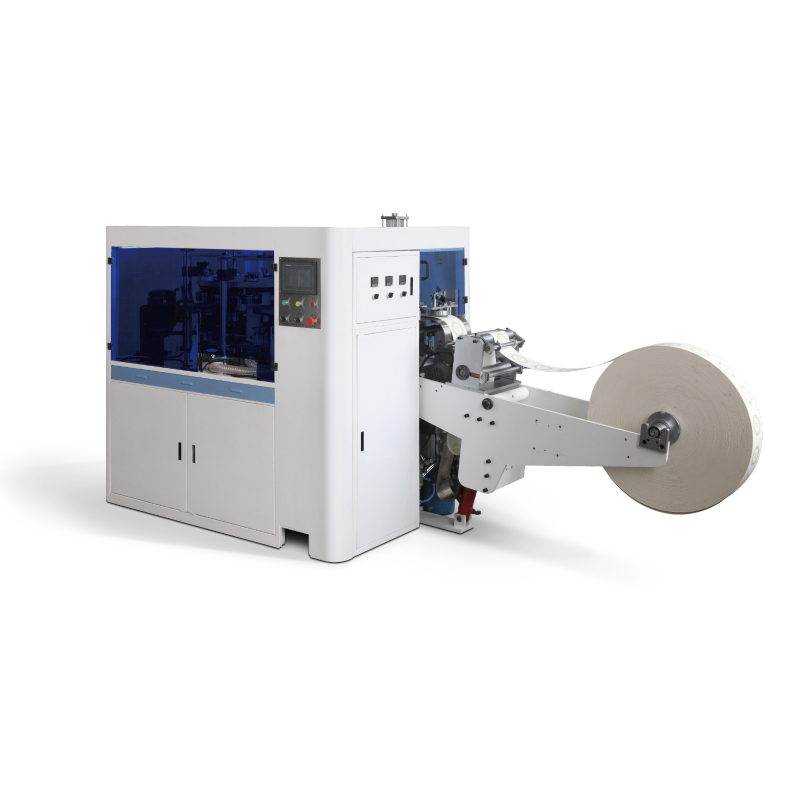
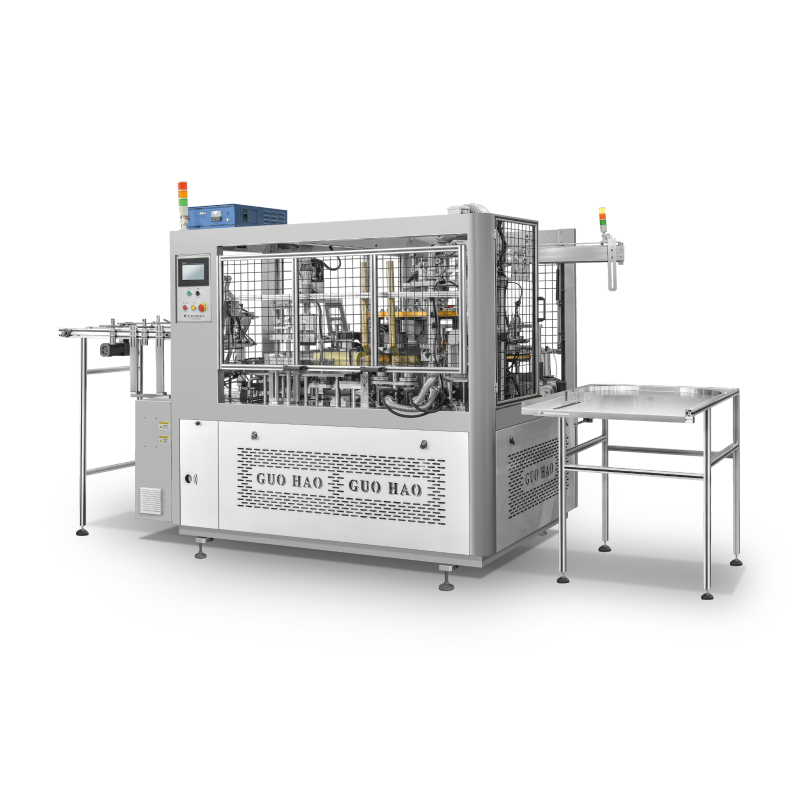
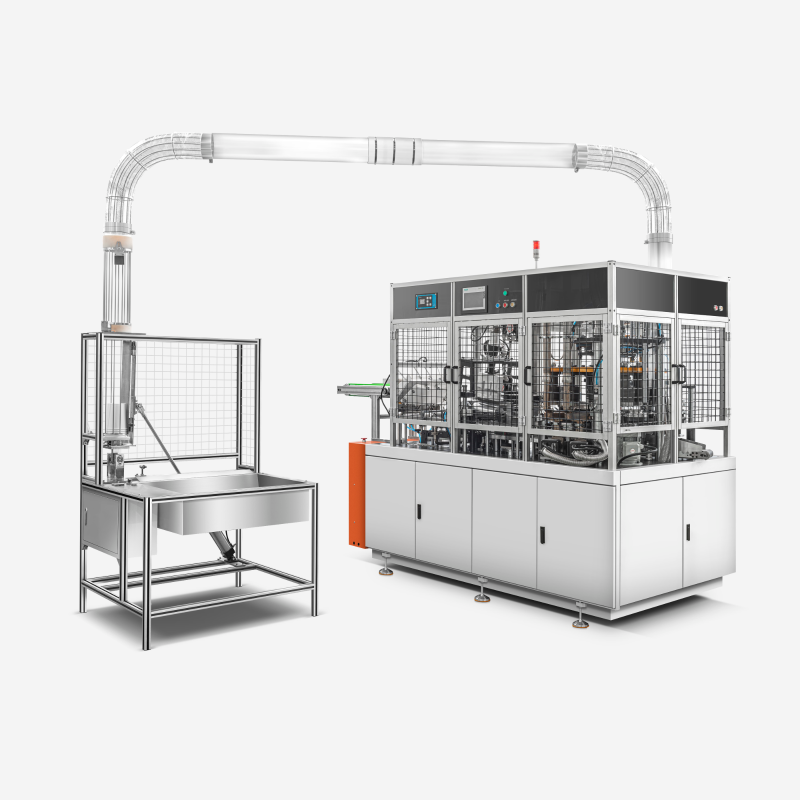
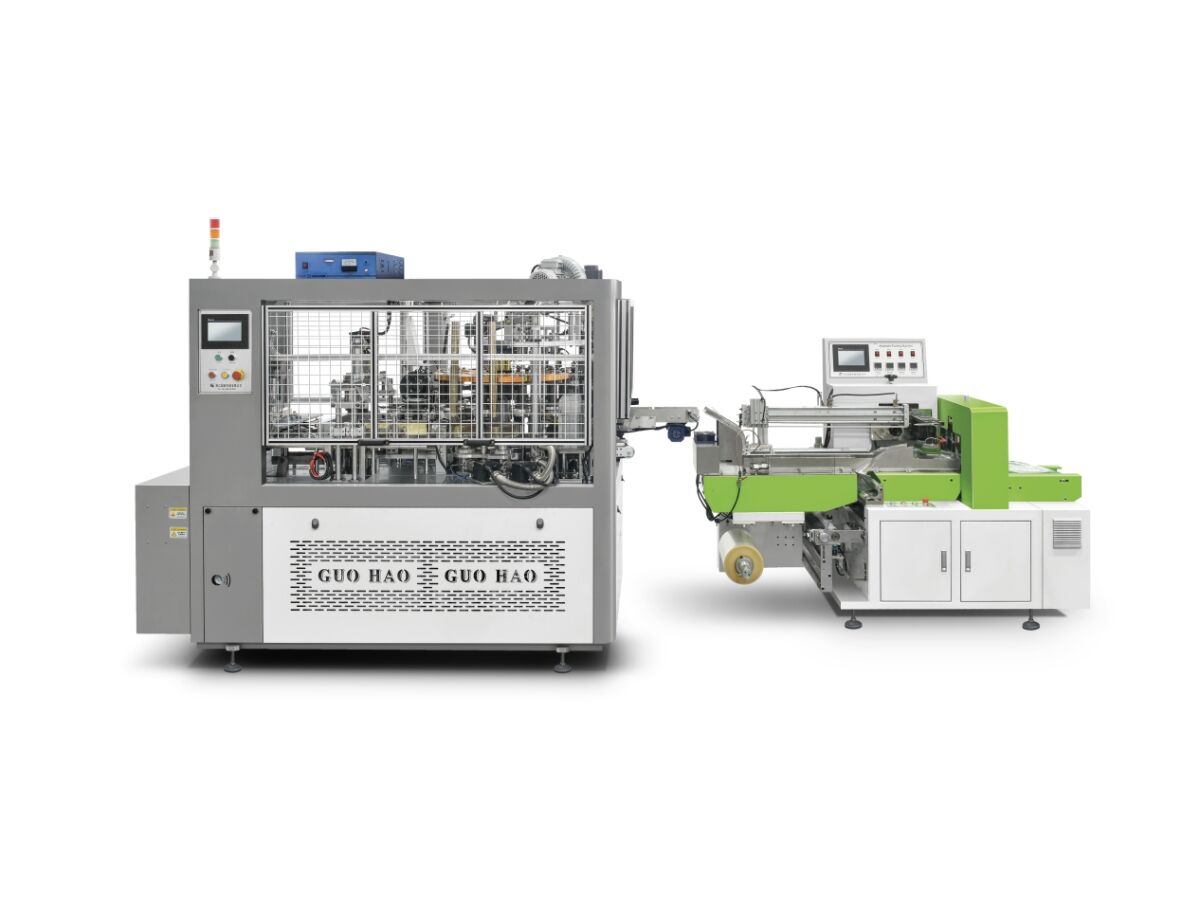
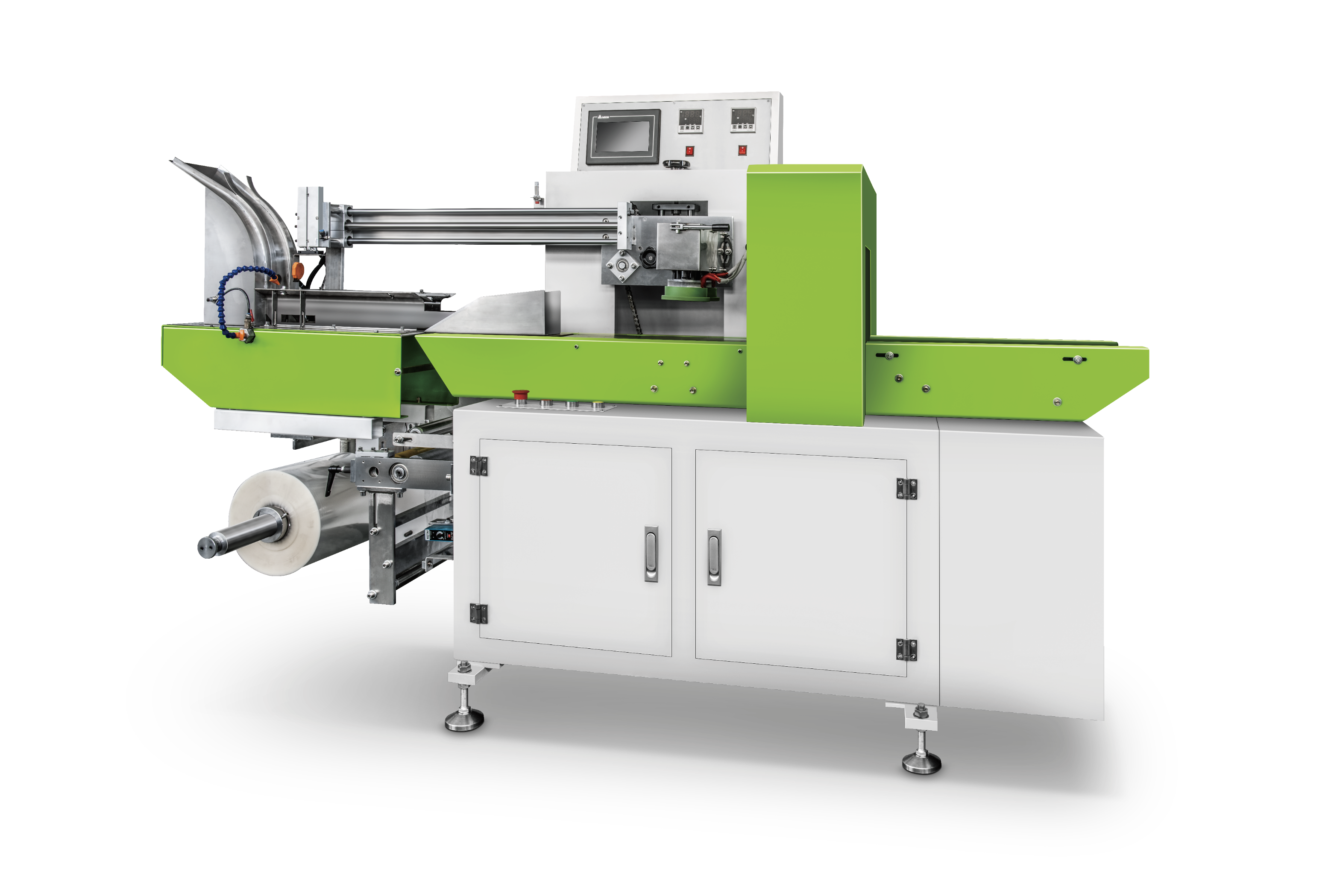
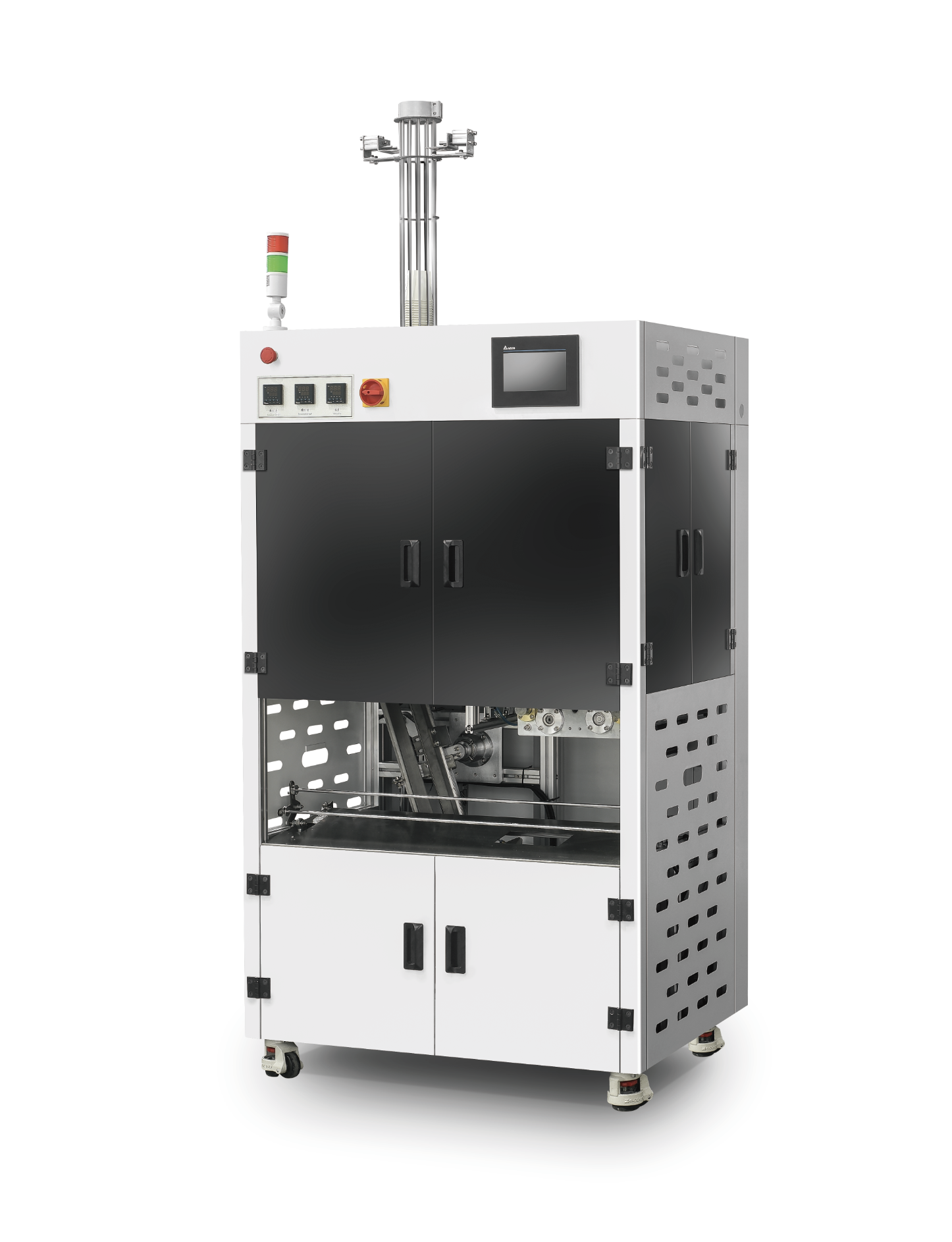
The horizontal packing machine's modular design architecture represents a significant advancement in packaging equipment flexibility and operational efficiency. This innovative design approach allows manufacturers to customize their packaging systems according to specific production requirements and facility constraints. The modular construction enables easy expansion or modification of packaging capabilities without replacing the entire system, providing exceptional return on investment. Individual modules can be upgraded independently, allowing companies to incorporate new technologies or enhanced features as they become available. The horizontal packing machine's modular design facilitates straightforward integration with existing production lines, conveyor systems, and auxiliary equipment. This compatibility reduces installation complexity and minimizes disruption to ongoing production activities during system implementation. Each module connects through standardized interfaces, ensuring reliable communication and coordinated operation between components. The design allows for quick module replacement during maintenance procedures, significantly reducing downtime and maintenance costs. The horizontal packing machine's modular architecture accommodates future expansion plans, enabling companies to add capabilities such as product coding, labeling, or quality inspection systems. This scalability ensures the packaging system can grow with business requirements without requiring complete equipment replacement. The modular design incorporates common components across different modules, simplifying spare parts inventory and reducing maintenance complexity. Operators benefit from standardized control interfaces across modules, reducing training requirements and minimizing operational errors. The horizontal packing machine's modular construction allows for specialized modules designed for specific product types or packaging requirements, providing tailored solutions for unique applications. Quality control modules can be integrated to perform package inspection, weight verification, or seal integrity testing without disrupting the main packaging flow. The design enables remote monitoring and control capabilities, allowing operators to oversee multiple modules from centralized control stations. Diagnostic modules provide comprehensive system monitoring and predictive maintenance alerts, maximizing equipment reliability and operational efficiency. The horizontal packing machine's modular approach reduces initial capital investment by allowing phased implementation of packaging capabilities. Companies can start with essential modules and add advanced features as production volumes or requirements increase. This flexibility makes advanced packaging technology accessible to businesses of various sizes and growth stages, democratizing access to efficient packaging solutions.
 ×
×

 EN
EN