Professional Disposable Cup Machine - High-Speed Automated Paper Cup Manufacturing Equipment

Get a Free Quote

Our representative will contact you soon.
Email
Name
Company Name
Message
0/1000

disposable cup machine

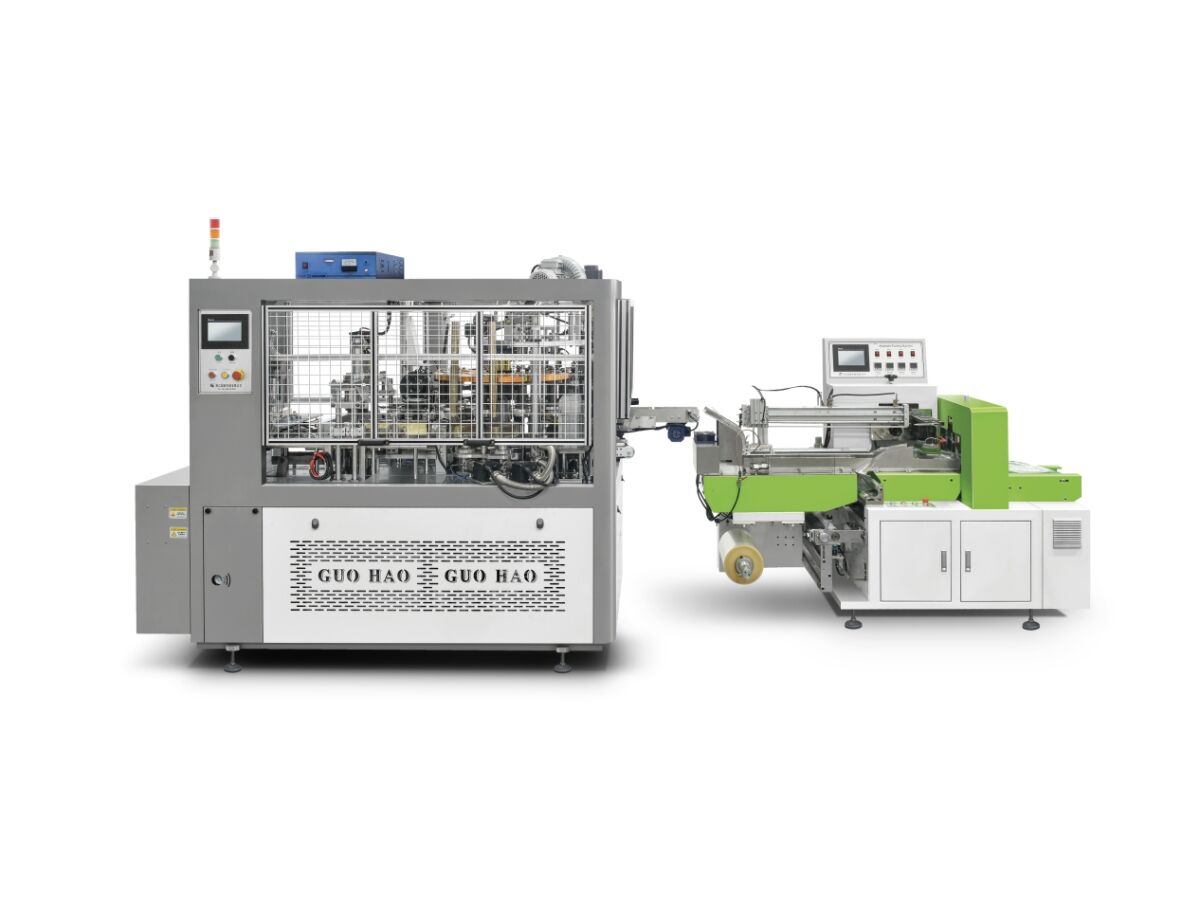
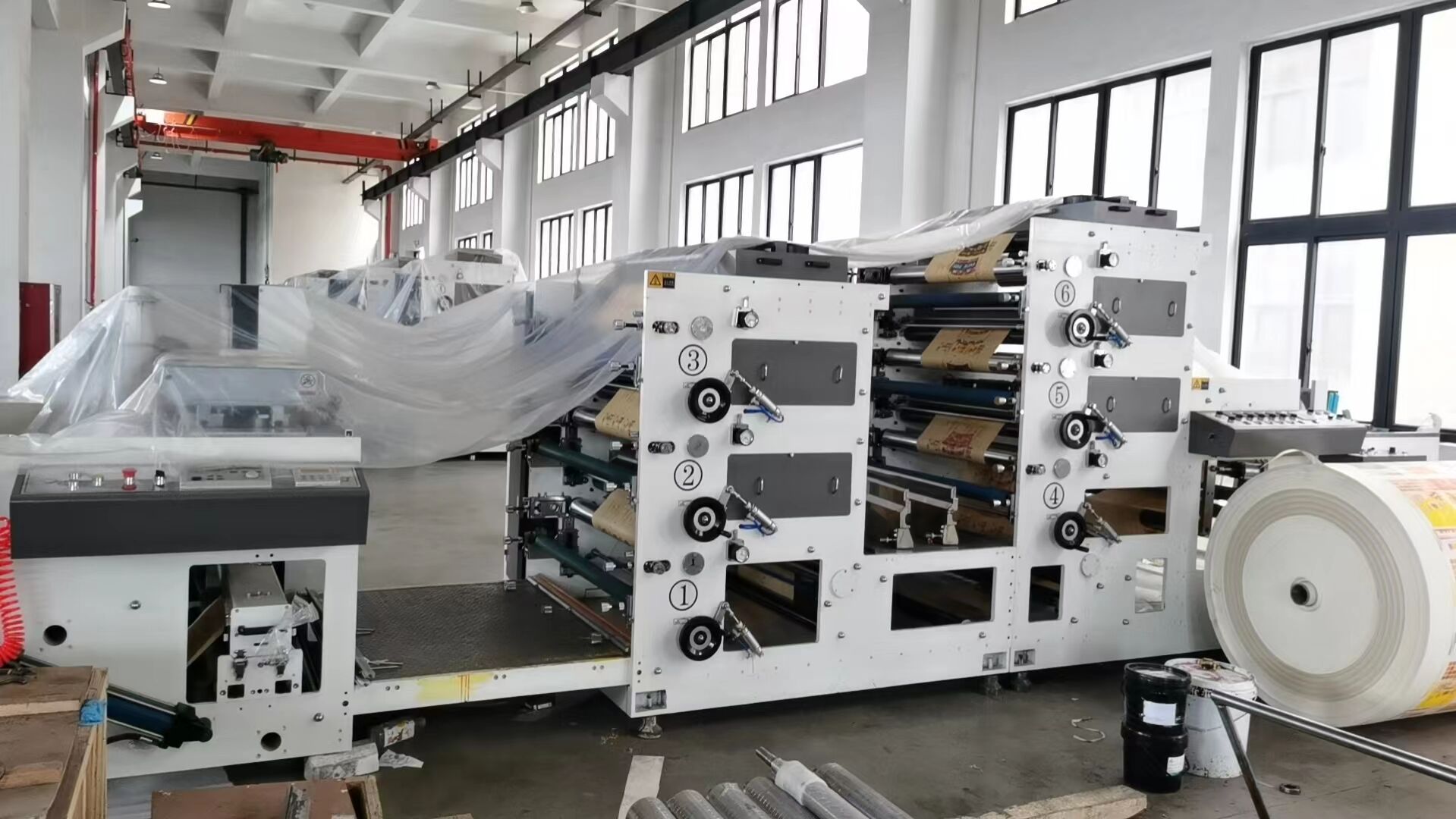
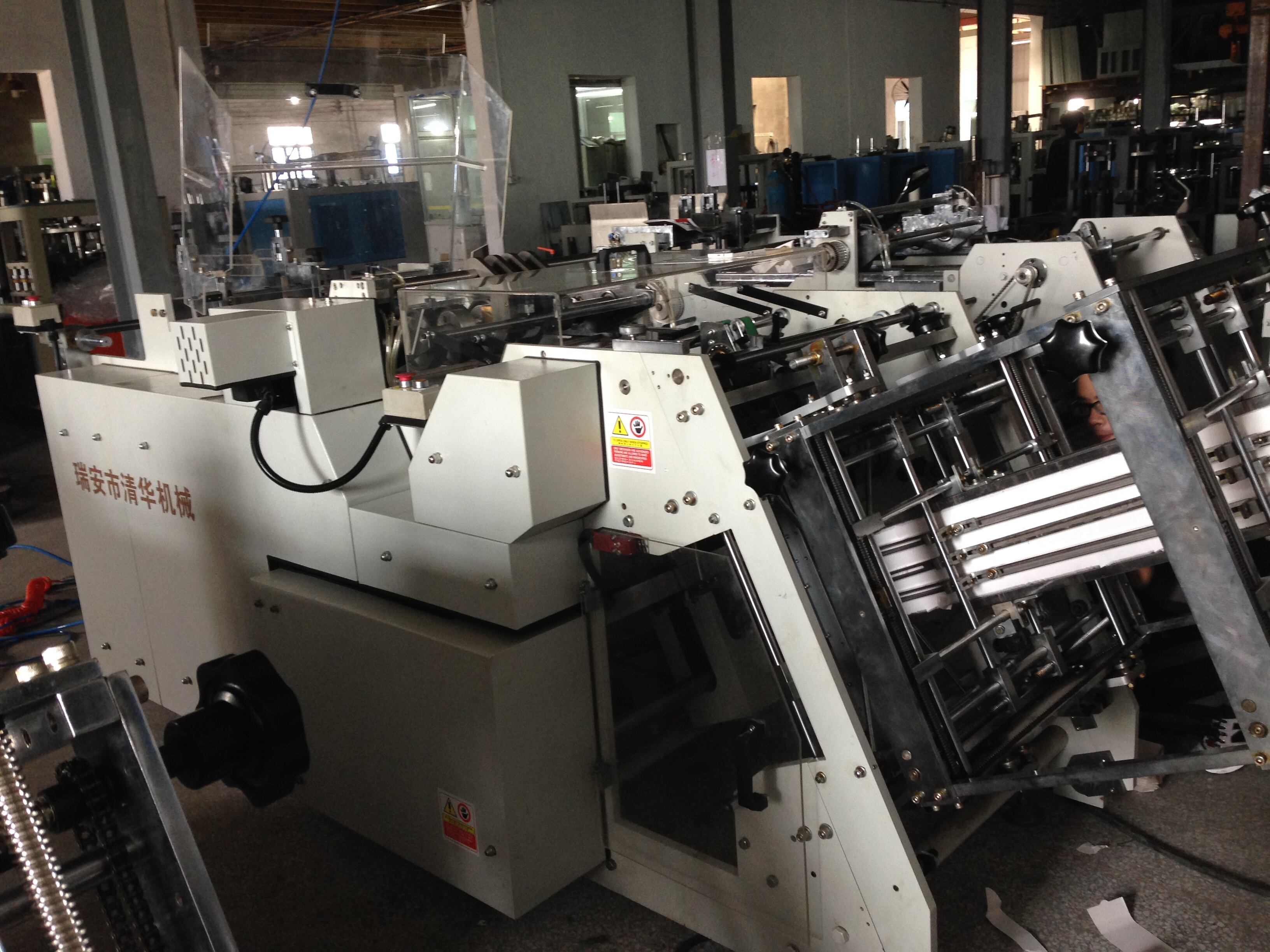
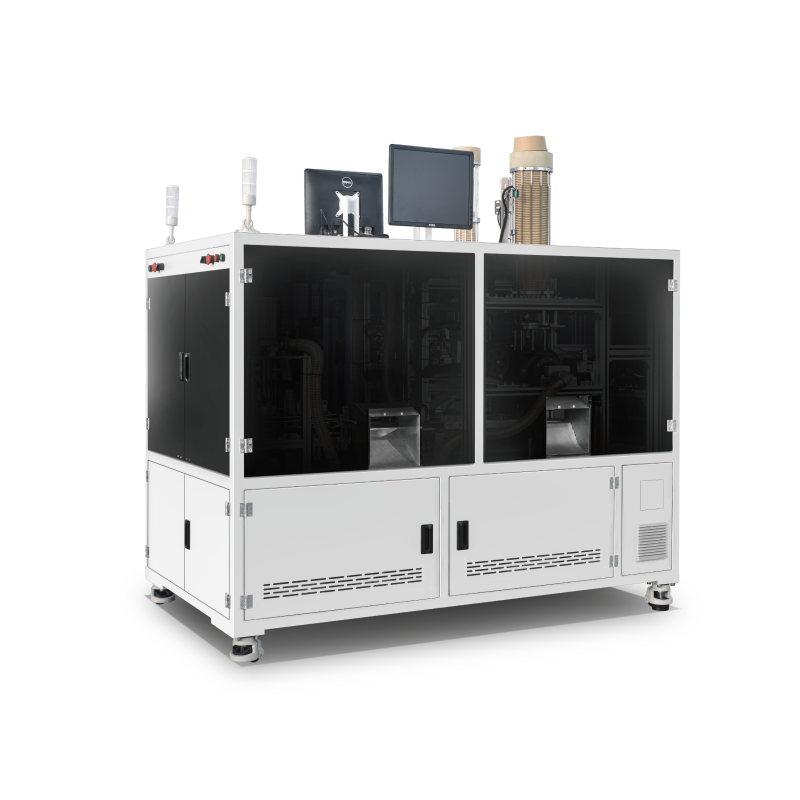
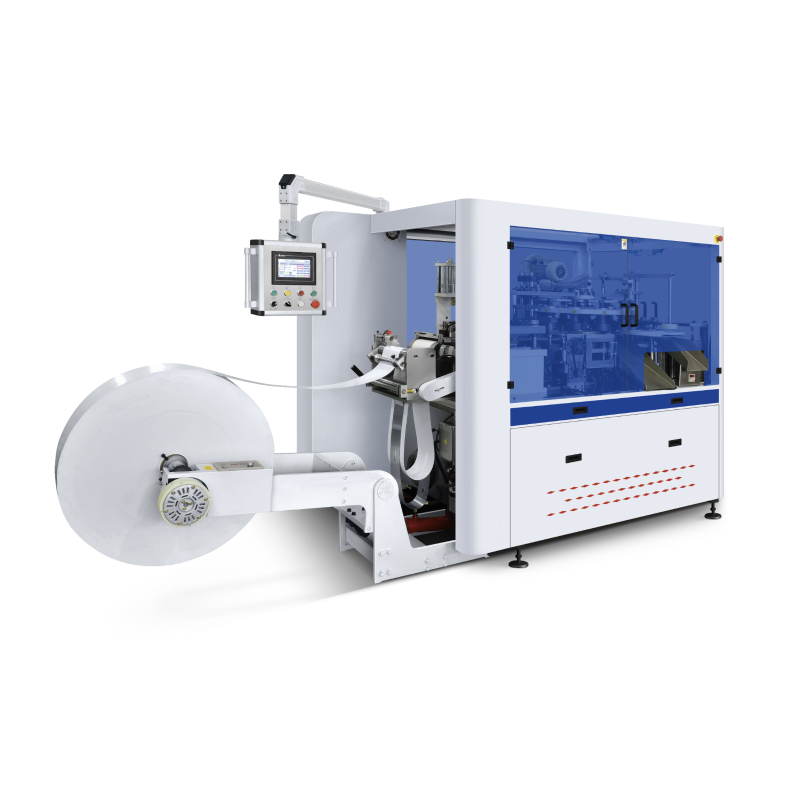
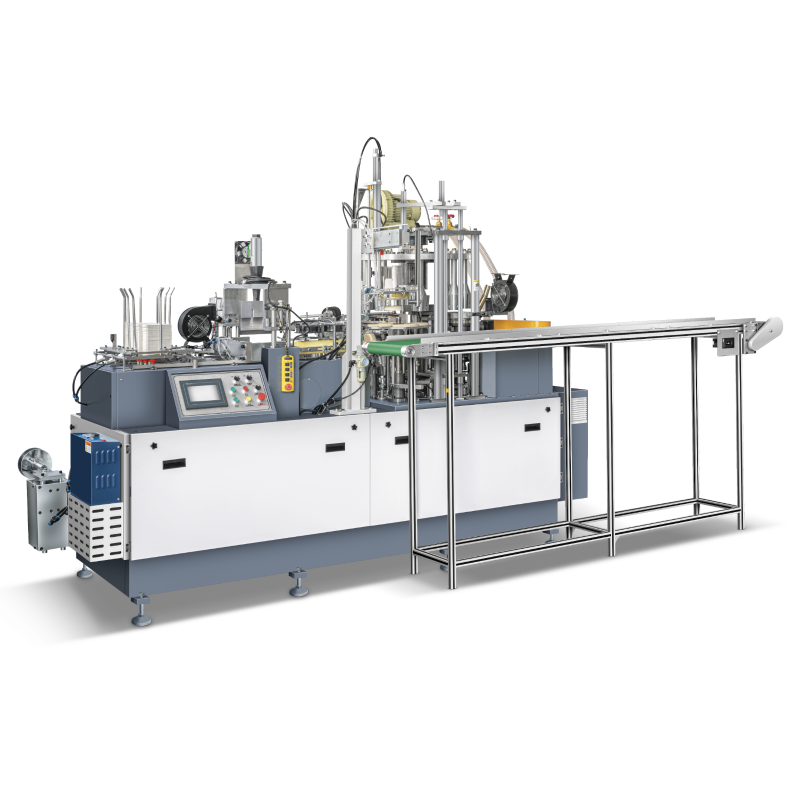
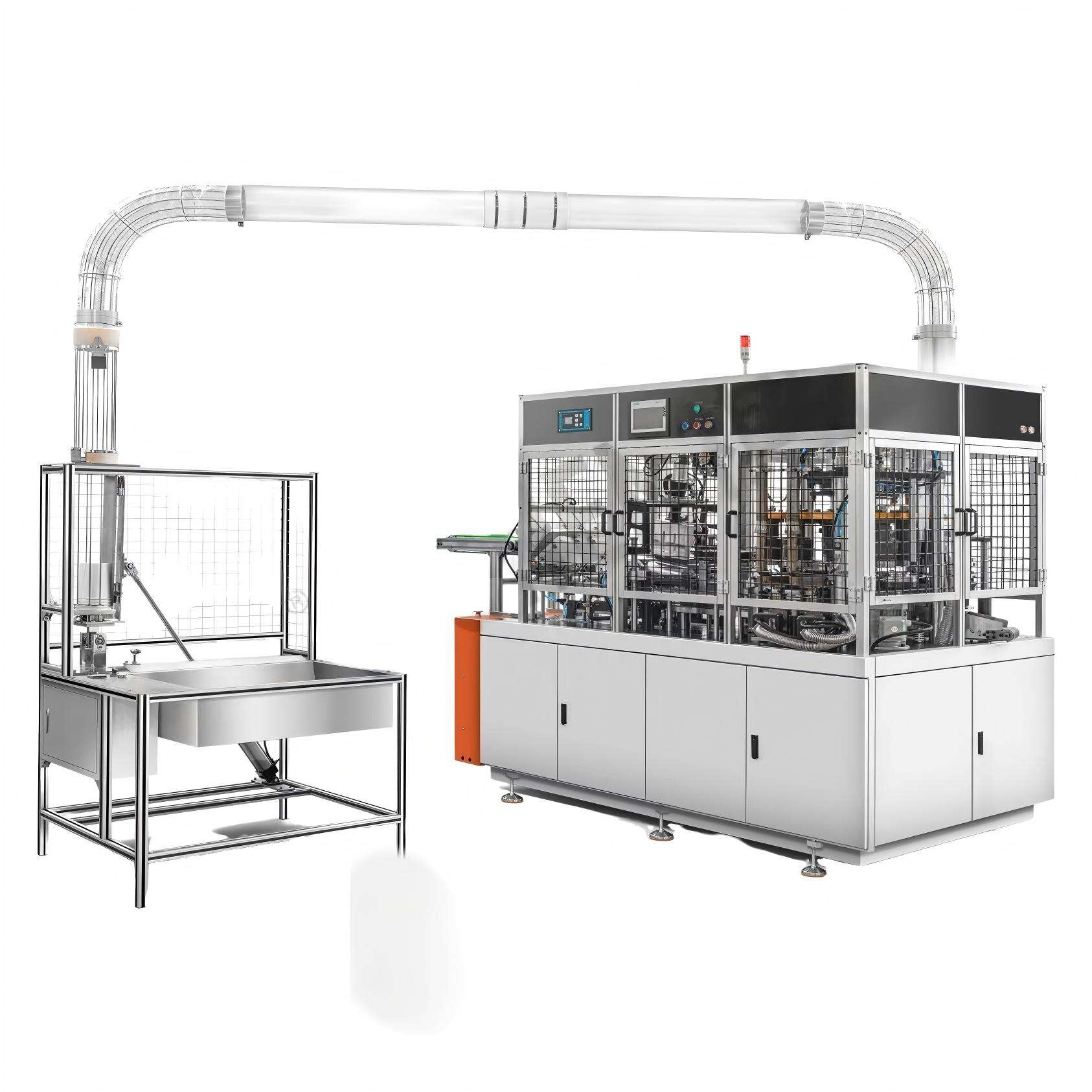
A disposable cup machine represents a sophisticated manufacturing solution designed to produce high-quality paper cups efficiently and consistently. This advanced equipment transforms raw materials, primarily paper rolls and PE coating, into finished disposable cups through an automated production process. The disposable cup machine operates through multiple integrated stations that handle paper feeding, forming, sealing, bottom attachment, rim curling, and final product ejection. Modern disposable cup machines incorporate precision engineering with user-friendly controls, enabling manufacturers to produce various cup sizes ranging from small espresso cups to large beverage containers. The technological framework of these machines includes servo motor systems for accurate positioning, ultrasonic sealing mechanisms for strong joints, and photoelectric sensors for quality monitoring. Temperature control systems ensure optimal heating for proper PE coating activation, while pneumatic components provide consistent pressure application during the forming process. These machines feature adjustable parameters allowing operators to modify production speeds, cup dimensions, and material specifications according to market demands. The disposable cup machine typically processes single or double PE coated paper, with thickness ranging from 150 to 350 GSM, producing cups with capacities from 2.5 ounces to 22 ounces. Advanced models include automatic lubrication systems, fault detection mechanisms, and remote monitoring capabilities. The production capacity varies significantly, with entry-level machines producing 45-60 cups per minute, while high-speed industrial models can manufacture up to 130 cups per minute. Applications span across food service establishments, coffee shops, restaurants, catering businesses, and large-scale beverage manufacturers who require reliable, cost-effective packaging solutions for hot and cold beverages.

New Products

The disposable cup machine delivers exceptional cost savings through automated production processes that significantly reduce labor requirements and manufacturing expenses. Businesses can produce cups at a fraction of the cost compared to purchasing pre-made products, with typical savings ranging from 30% to 50% on packaging costs. This equipment operates with remarkable efficiency, maintaining consistent production speeds while minimizing material waste through precise cutting and forming mechanisms. The automated systems reduce human error, ensuring uniform cup quality and dimensional accuracy across entire production runs. Operators benefit from simplified maintenance procedures, as modern disposable cup machines feature accessible components and clear diagnostic systems that identify potential issues before they impact production. The flexibility offered by these machines allows manufacturers to respond quickly to market changes, switching between different cup sizes and specifications without extensive retooling or setup time. This adaptability proves invaluable for businesses serving diverse customer bases or seasonal demand fluctuations. Quality control becomes more manageable with integrated monitoring systems that continuously assess cup formation, sealing integrity, and overall product standards. The disposable cup machine reduces dependency on external suppliers, providing manufacturers with greater control over production schedules and inventory management. Environmental considerations also favor in-house production, as businesses can select eco-friendly raw materials and implement sustainable manufacturing practices. The compact footprint of modern machines makes them suitable for various facility sizes, from small enterprises to large industrial operations. Energy efficiency represents another significant advantage, with contemporary models consuming less power while maintaining high output levels. The disposable cup machine typically pays for itself within 12-18 months through accumulated savings and increased production capabilities. Training requirements remain minimal, as intuitive control panels and automated functions allow operators to become proficient quickly. The reliability of these machines ensures consistent availability, reducing downtime and maintaining steady production flow to meet customer demands.

Latest News

Wenzhou Qichen: Shone at Drupa 2024, Forging a New Path for Paper Product Equipment

20

Apr

Wenzhou Qichen: Shone at Drupa 2024, Forging a New Path for Paper Product Equipment

View More
Wenzhou Qichen: Debuted New PL06 Paper Lid Machine at China Print 2025

20

Apr

Wenzhou Qichen: Debuted New PL06 Paper Lid Machine at China Print 2025

View More
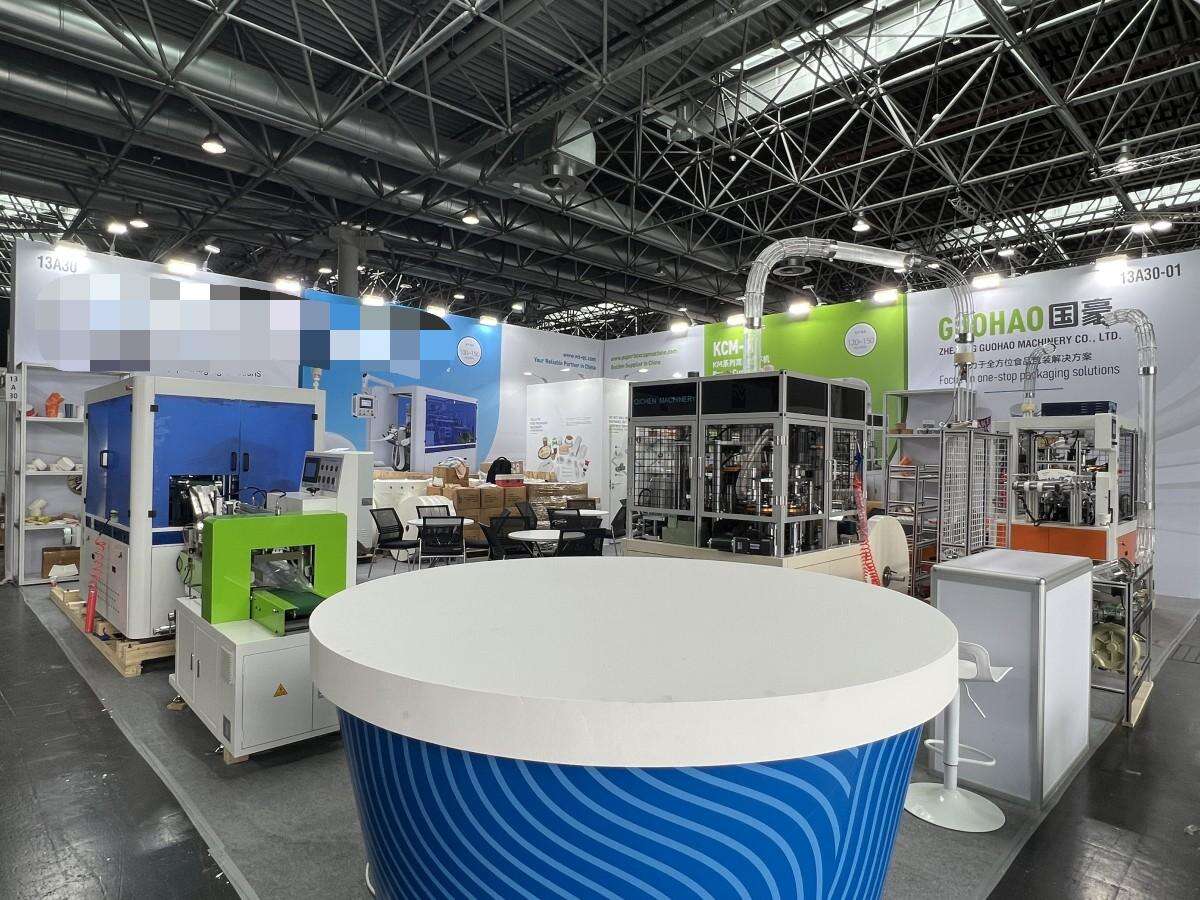
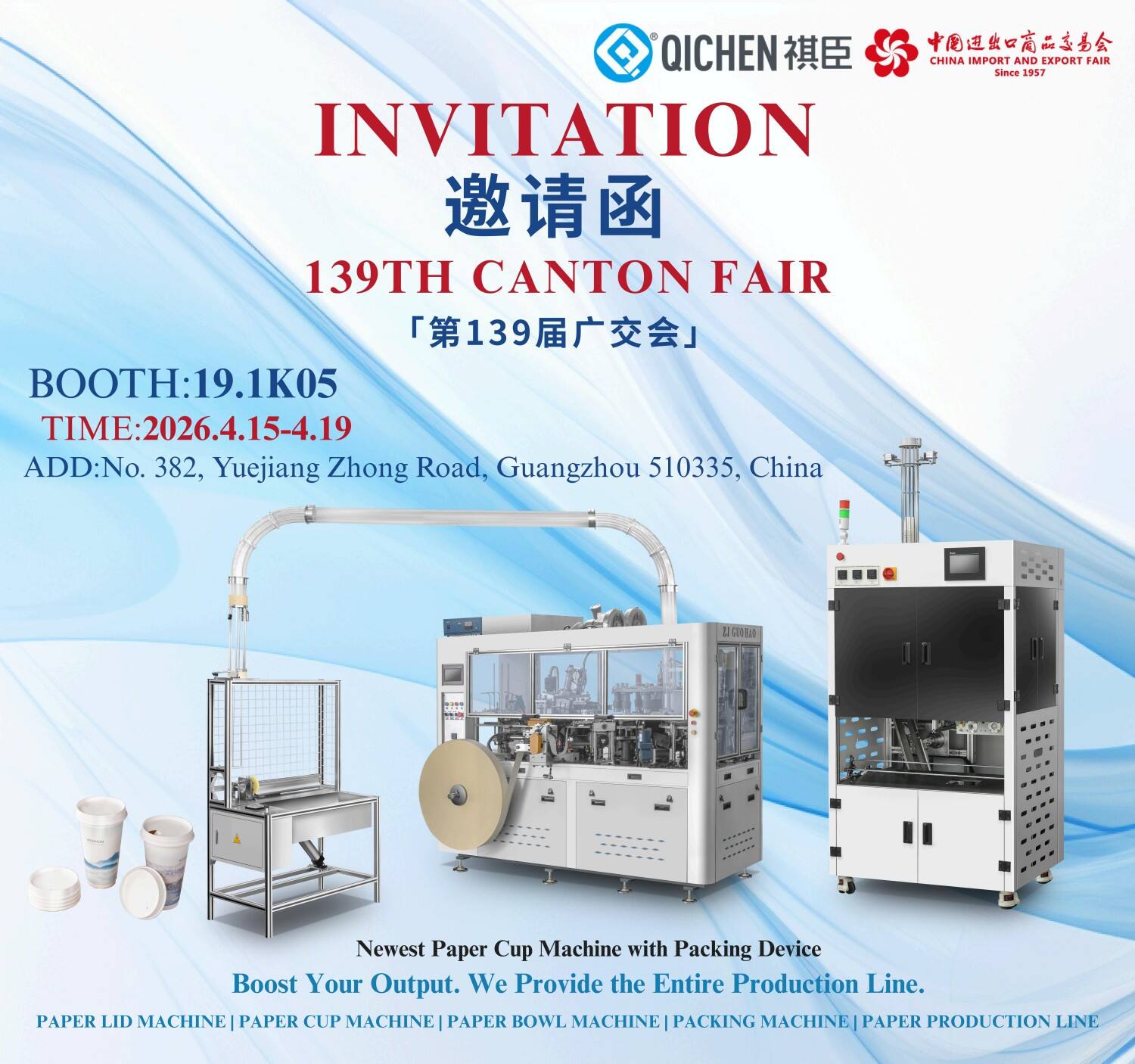
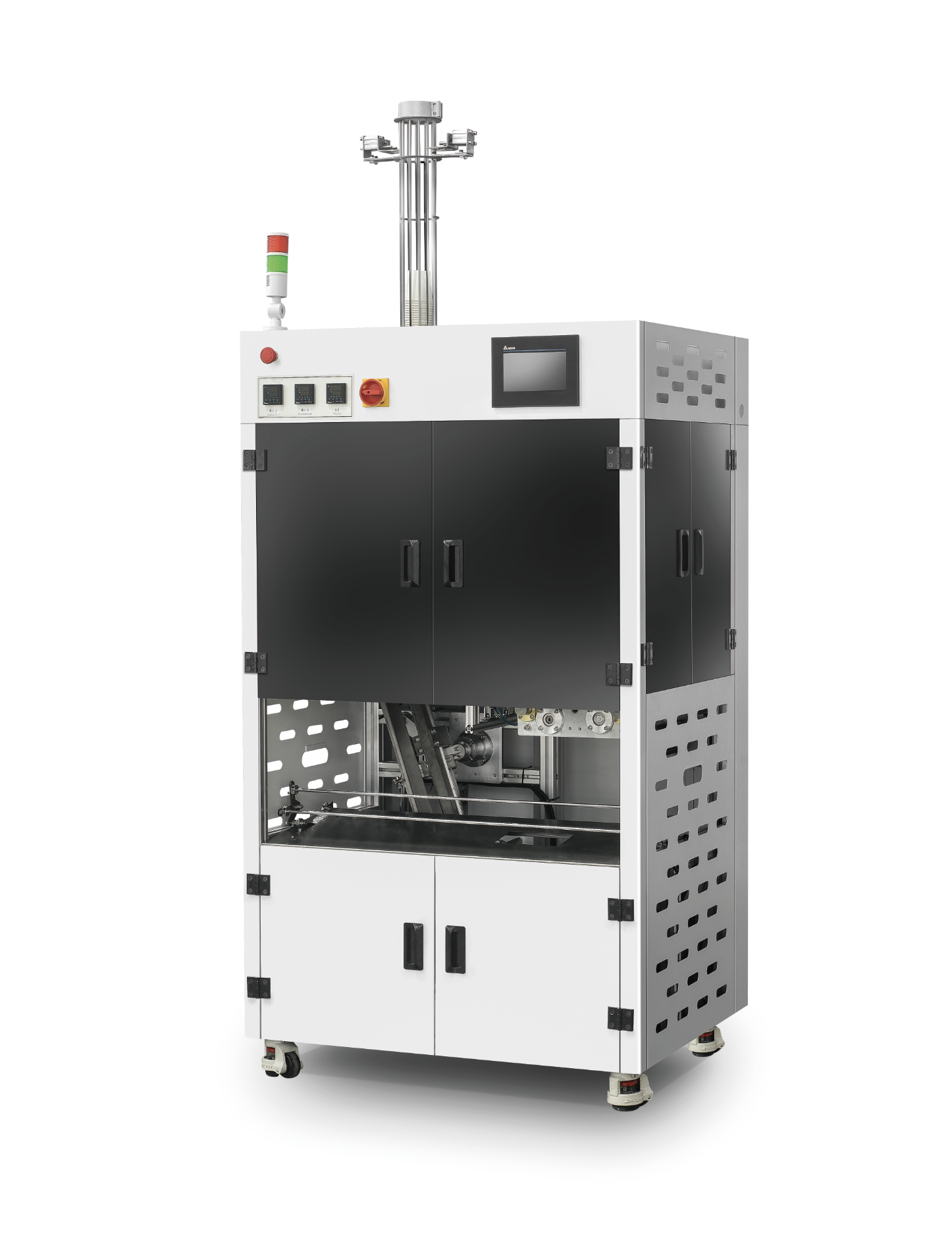
Our Company Exhibits New High-Speed Paper Cup Machine and Vertical Packaging Machine at the 139th Canton Fair

20

Apr

Our Company Exhibits New High-Speed Paper Cup Machine and Vertical Packaging Machine at the 139th Canton Fair

View More

Get a Free Quote

Our representative will contact you soon.
Email
Name
Company Name
Message
0/1000

disposable cup machine

Advanced Servo Motor Technology for Precision Manufacturing

Advanced Servo Motor Technology for Precision Manufacturing

The integration of servo motor technology in disposable cup machines represents a revolutionary advancement in precision manufacturing that transforms the entire production process. These sophisticated motors provide unprecedented accuracy in positioning and movement control, ensuring each cup meets exact specifications with minimal variation. Unlike traditional mechanical systems, servo motors respond instantaneously to control signals, allowing for precise adjustments during operation without stopping production. This technology enables the disposable cup machine to maintain consistent wall thickness, accurate bottom placement, and perfect rim formation across thousands of production cycles. The servo system monitors and adjusts paper feeding rates in real-time, compensating for material variations and environmental factors that could affect cup quality. This precision translates directly into reduced material waste, as the system optimizes paper usage while maintaining structural integrity. The servo motors also enable rapid changeovers between different cup sizes, with automated adjustments that reduce setup time from hours to minutes. Manufacturers benefit from increased production flexibility, as the same disposable cup machine can efficiently produce multiple product lines throughout a single shift. The digital feedback systems within servo motors provide continuous performance data, allowing operators to monitor production efficiency and identify optimization opportunities. Quality consistency improves dramatically, as servo-controlled movements eliminate the variations common in mechanical cam-driven systems. This technology also extends machine lifespan by reducing mechanical wear and tear through smoother, more controlled operations. Energy efficiency increases significantly, as servo motors consume power only when performing active functions, unlike continuously running mechanical systems. The precision offered by servo technology ensures tight tolerances in critical areas such as seam overlap and bottom attachment, resulting in cups that reliably hold both hot and cold beverages without leakage or structural failure.
Intelligent Quality Control Systems with Real-Time Monitoring

Intelligent Quality Control Systems with Real-Time Monitoring

Modern disposable cup machines incorporate sophisticated quality control systems that revolutionize manufacturing standards through continuous real-time monitoring and automated adjustments. These intelligent systems utilize advanced sensors and computer vision technology to inspect every aspect of cup production, from initial paper feeding through final product ejection. The quality control framework monitors critical parameters including wall thickness uniformity, seam integrity, bottom attachment strength, and rim curl consistency, ensuring each cup meets predetermined specifications. Photoelectric sensors detect material defects, foreign objects, and dimensional variations, automatically rejecting substandard products before they enter the packaging process. The disposable cup machine's quality system generates comprehensive production reports, tracking defect rates, material usage efficiency, and overall equipment effectiveness metrics. This data enables manufacturers to identify trends, optimize processes, and implement preventive maintenance strategies that maximize uptime. The intelligent monitoring extends to temperature control systems that ensure optimal PE coating activation for strong, leak-proof seals. Pressure sensors verify proper force application during forming and sealing operations, while position feedback confirms accurate component placement throughout the production cycle. Alert systems notify operators of potential issues before they impact product quality, allowing for proactive interventions that minimize waste and downtime. The quality control integration includes statistical process control capabilities that analyze production data and automatically adjust machine parameters to maintain optimal performance. Traceability features enable complete lot tracking, facilitating quality investigations and compliance with food safety regulations. The system's learning algorithms continuously improve performance by analyzing historical data and identifying patterns that predict potential quality issues. Remote monitoring capabilities allow quality managers to oversee multiple production lines simultaneously, ensuring consistent standards across different shifts and locations. This comprehensive approach to quality control significantly reduces customer complaints, returns, and warranty claims while building brand reputation for reliability and excellence.
Energy-Efficient Operations with Smart Power Management

Energy-Efficient Operations with Smart Power Management

The disposable cup machine incorporates cutting-edge energy management technology that delivers substantial cost savings while supporting environmental sustainability initiatives. Smart power management systems optimize energy consumption throughout the production cycle, automatically adjusting power levels based on operational requirements and production schedules. During idle periods, the machine enters energy-saving modes that reduce consumption by up to 60% while maintaining readiness for immediate production restart. Variable frequency drives control motor operations, matching power output precisely to load requirements and eliminating energy waste common in fixed-speed systems. The heating systems utilize advanced temperature control algorithms that minimize energy usage while ensuring optimal processing temperatures for reliable cup formation. Regenerative braking technology captures and reuses energy during deceleration phases, further improving overall efficiency. The disposable cup machine's smart systems monitor power consumption patterns and provide detailed energy usage reports, enabling manufacturers to identify optimization opportunities and track sustainability metrics. LED lighting systems throughout the machine consume minimal power while providing superior illumination for operation and maintenance activities. Standby modes automatically engage during scheduled breaks or shift changes, reducing facility energy costs without compromising production readiness. The energy management system integrates with facility power monitoring, allowing coordination with other equipment to optimize overall plant efficiency. Predictive algorithms analyze production schedules and automatically adjust energy systems to match anticipated demand patterns. Heat recovery systems capture waste thermal energy from sealing operations and redirect it to pre-warm incoming materials, reducing overall energy requirements. The power management technology also includes grid-tie capabilities that can participate in demand response programs, potentially generating additional revenue through utility incentive programs. Maintenance scheduling coordinates with energy management to perform power-intensive calibration and cleaning operations during off-peak rate periods. Environmental impact calculations demonstrate the machine's contribution to carbon footprint reduction, supporting corporate sustainability reporting requirements and green manufacturing initiatives that increasingly influence customer purchasing decisions.

Get a Free Quote

Our representative will contact you soon.
Email
Name
Company Name
Message
0/1000