carton cup machine
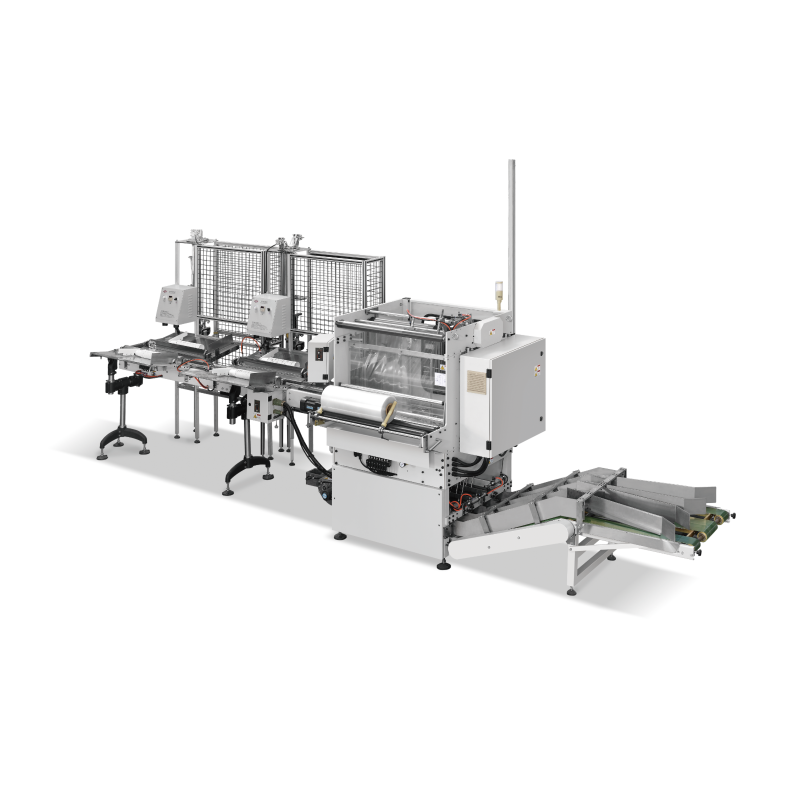
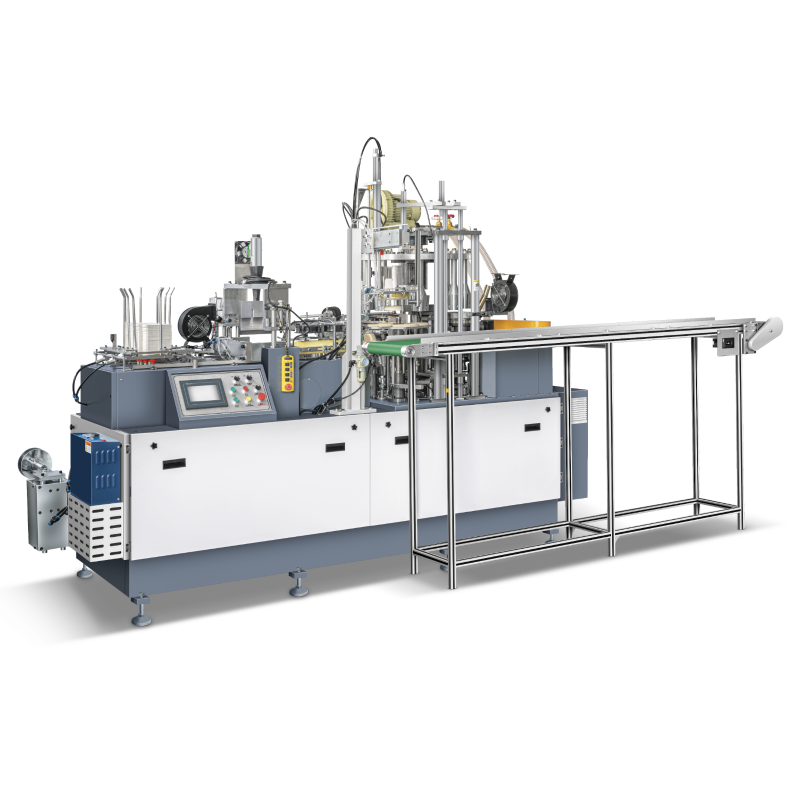
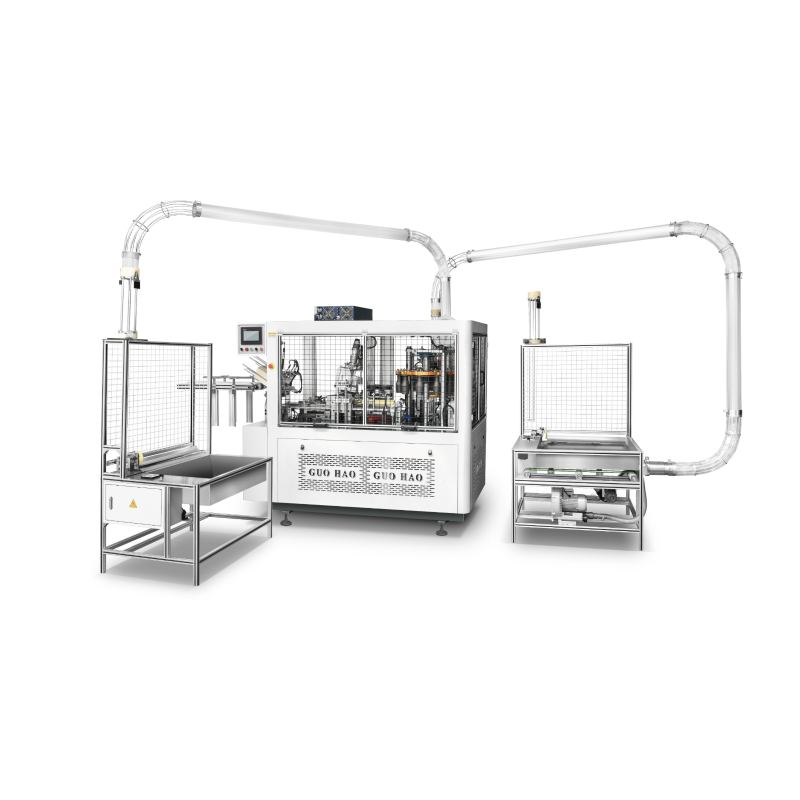
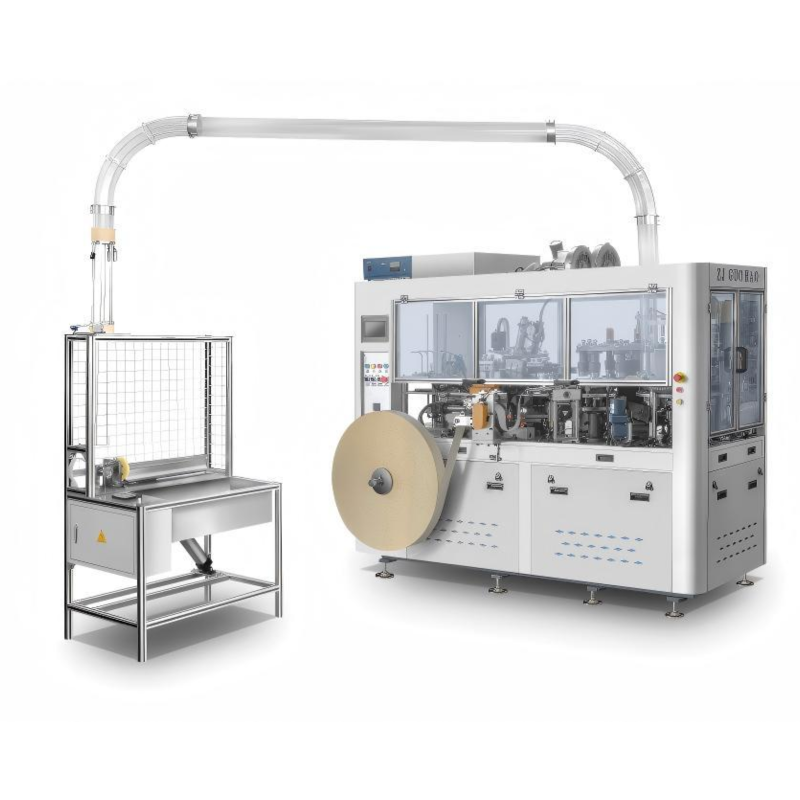
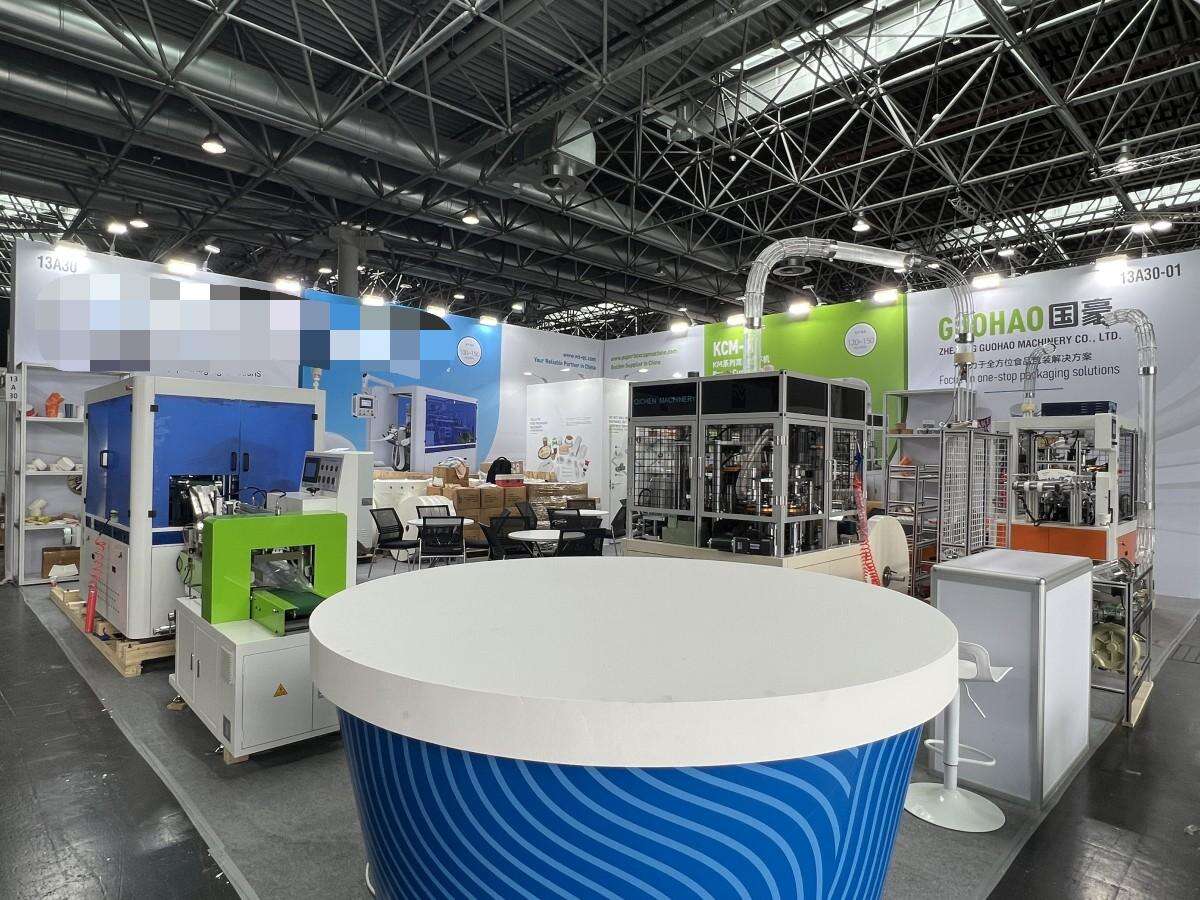
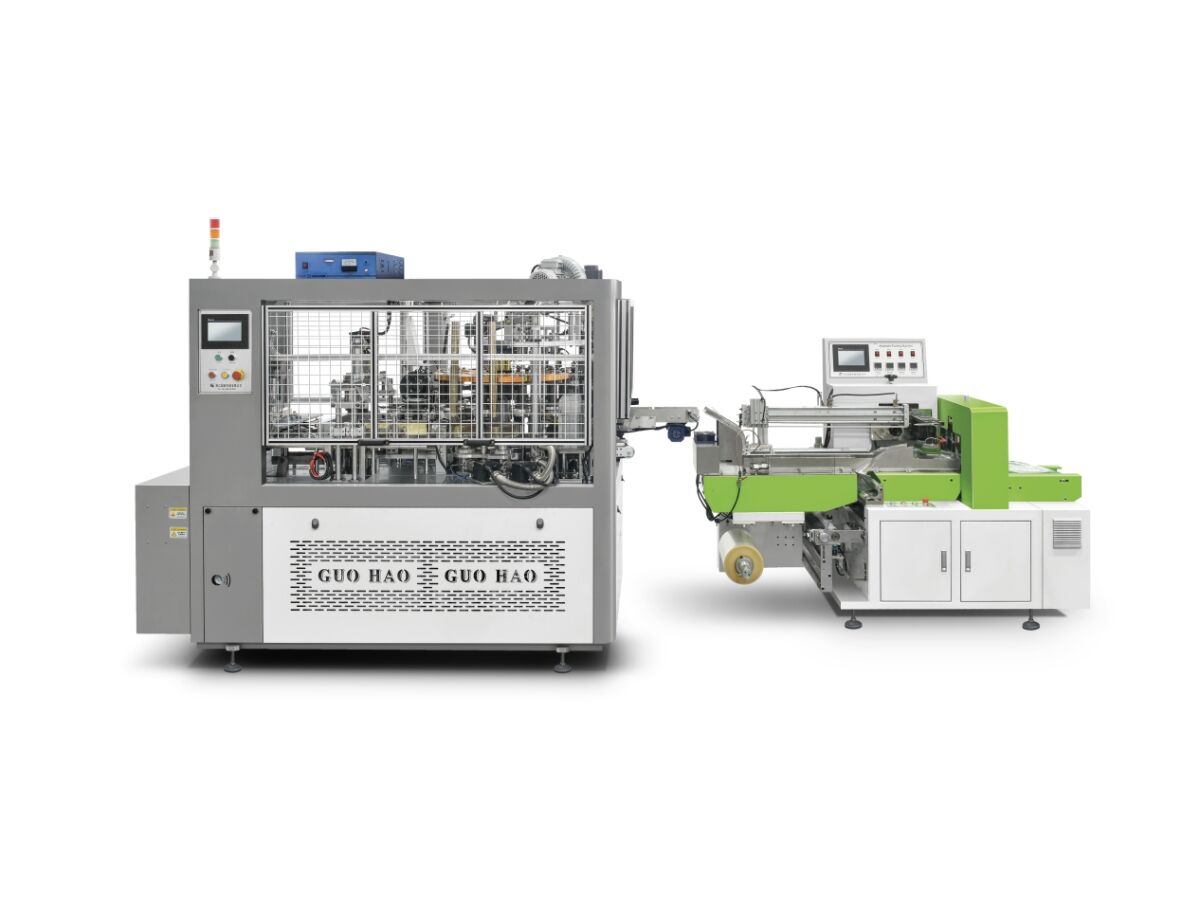
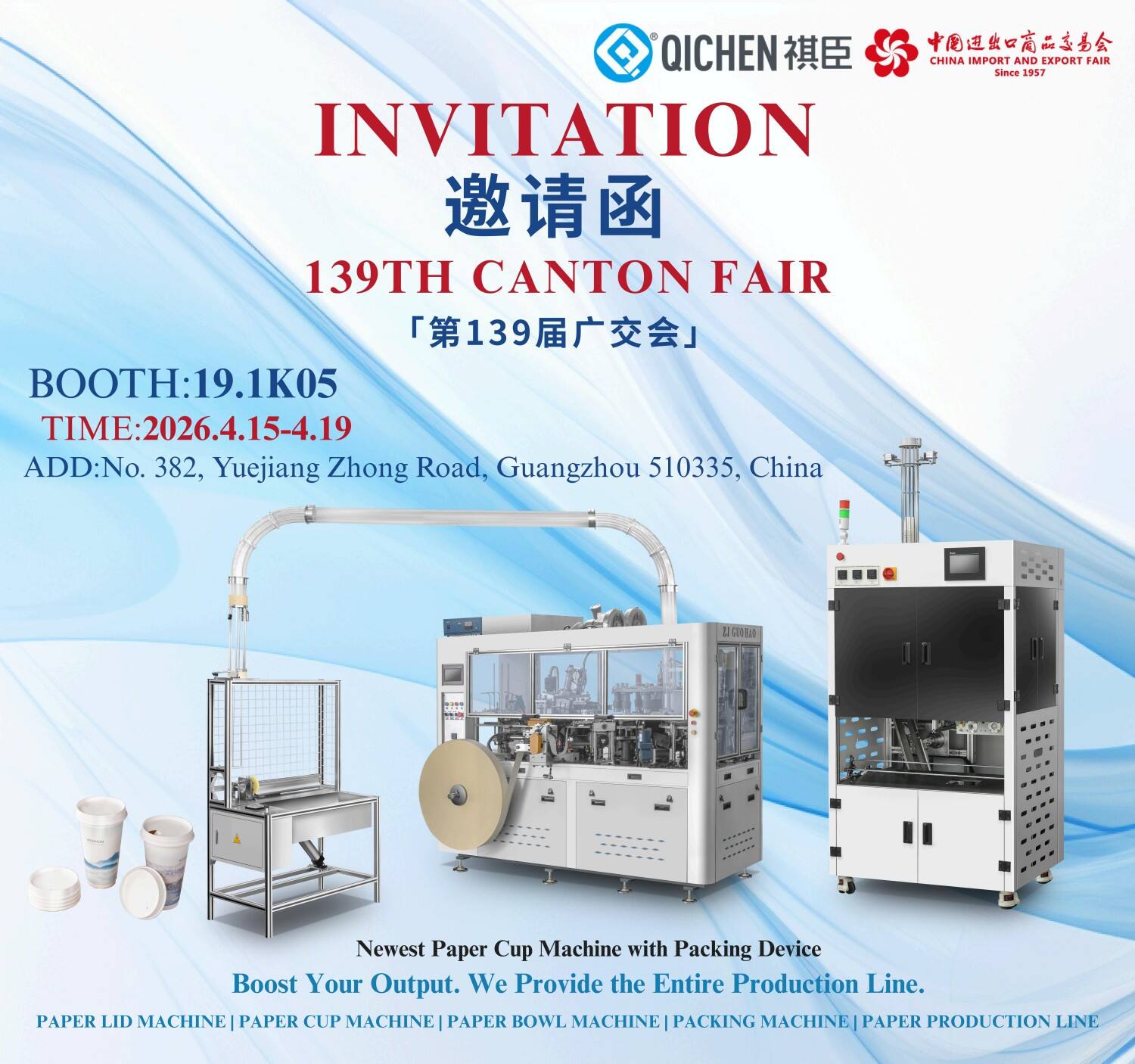
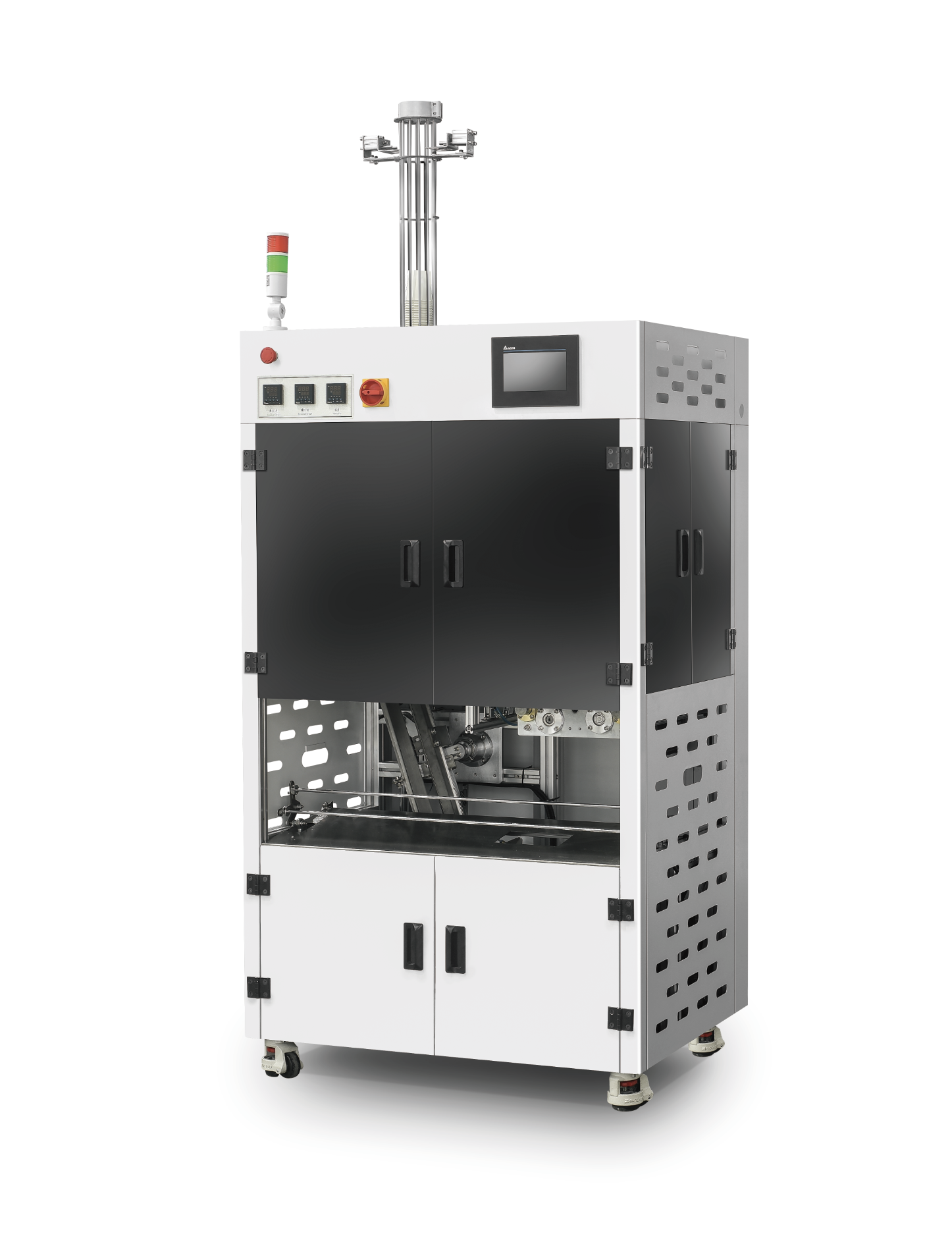
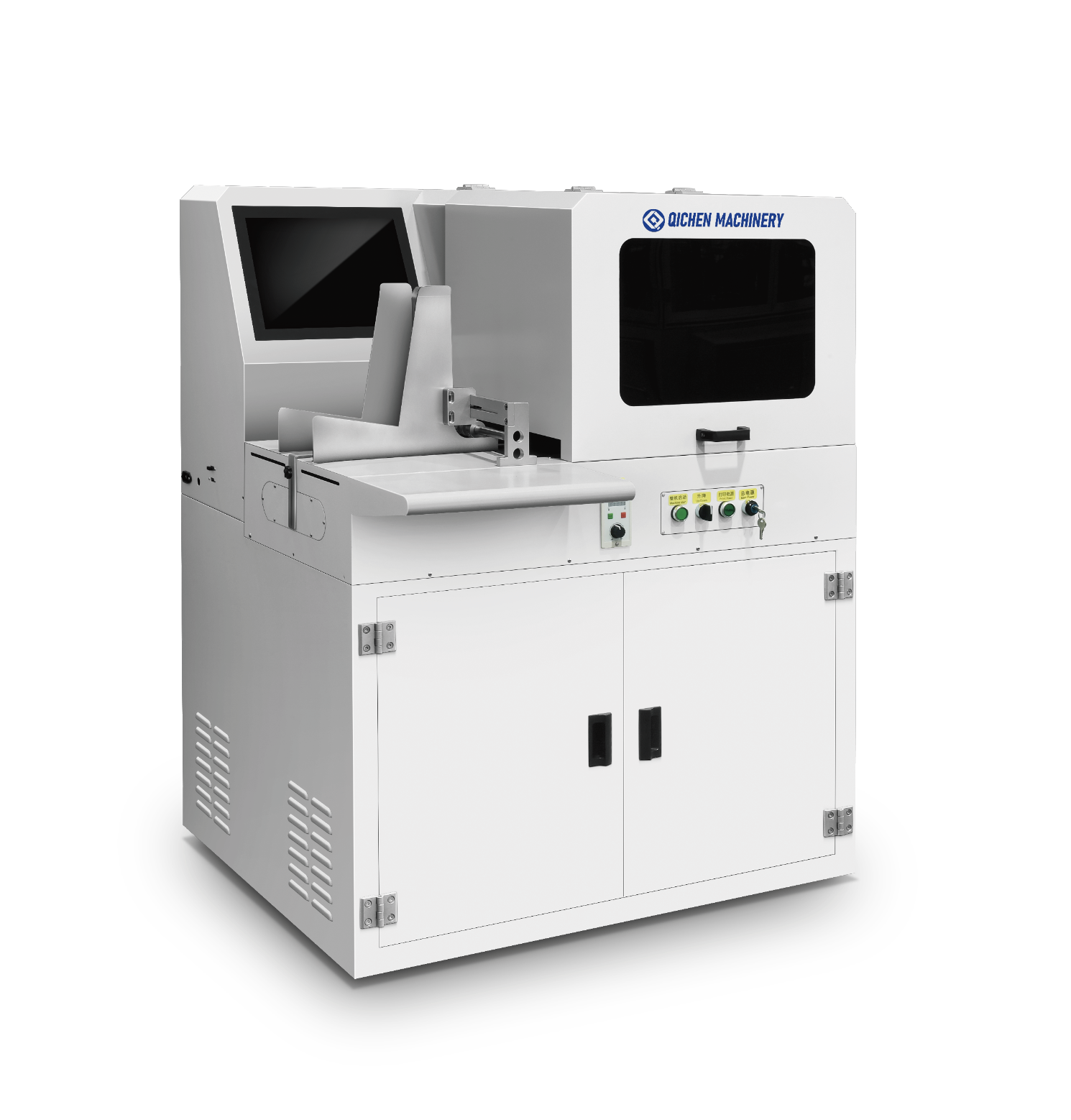
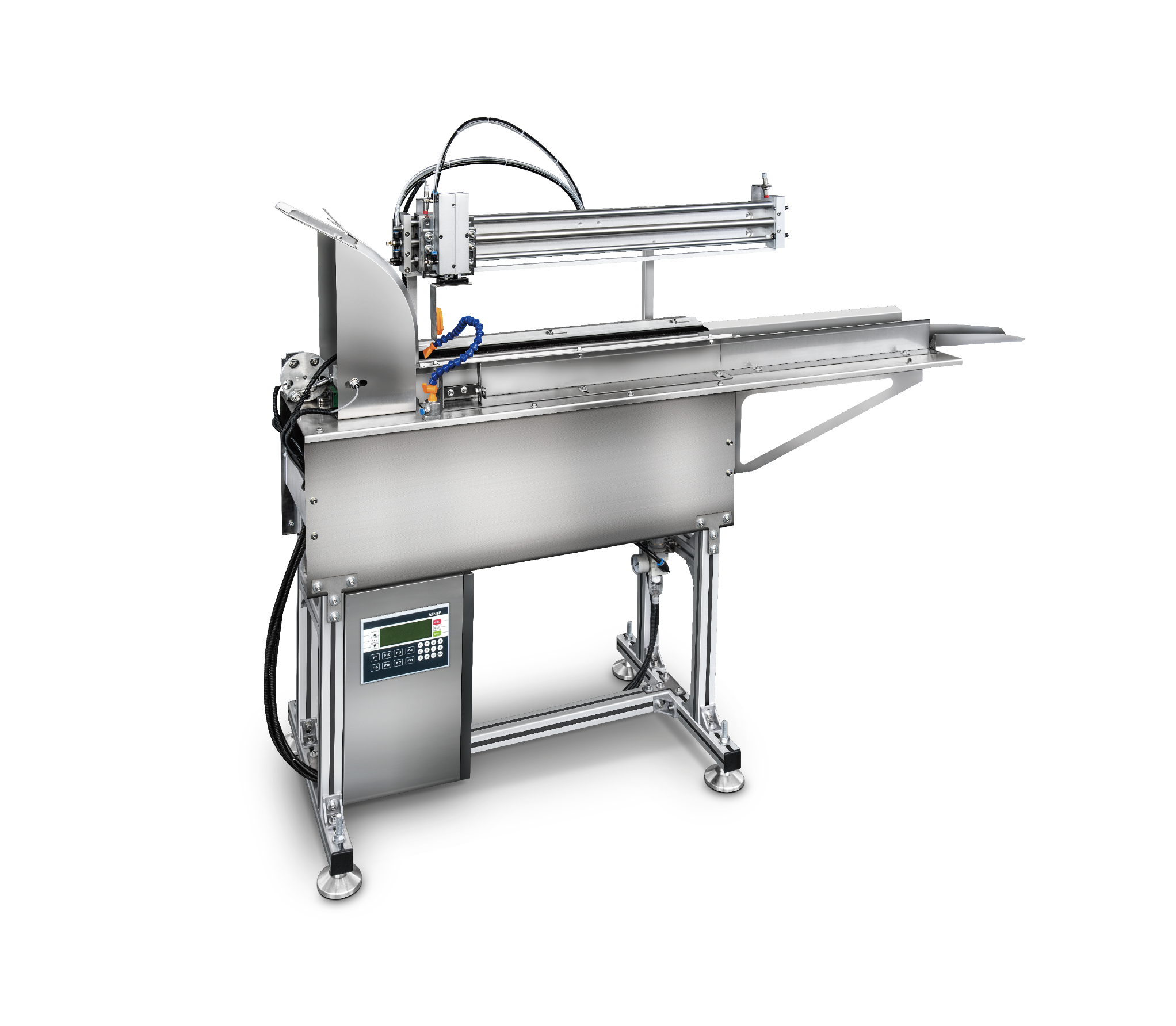
A carton cup machine represents a sophisticated piece of industrial equipment designed specifically for manufacturing high-quality paper cups from carton materials. This automated system transforms flat carton sheets into functional drinking vessels through a precise series of mechanical operations. The carton cup machine operates by feeding pre-printed carton blanks through multiple stations where cutting, forming, sealing, and finishing processes occur simultaneously. Modern carton cup machines incorporate advanced servo motor technology and computerized control systems that ensure consistent product quality while maintaining high production speeds. The main functions of a carton cup machine include automatic paper feeding, precise bottom sealing, sidewall formation, rim curling, and final product ejection. These machines can produce various cup sizes ranging from small sampling cups to large beverage containers, making them versatile solutions for different market demands. Technological features of contemporary carton cup machines include touch-screen interfaces, programmable logic controllers, automatic lubrication systems, and integrated quality control sensors. The production process begins when carton materials enter the feeding mechanism, where sensors detect proper alignment and material quality. Subsequently, the forming section shapes the flat material into cylindrical structures while heating elements activate food-grade adhesives for secure bonding. Advanced carton cup machines also feature quick-change tooling systems that allow operators to switch between different cup specifications without extensive downtime. Applications for carton cup machines span across numerous industries including food service, hospitality, retail, and event management sectors. These machines serve beverage manufacturers, coffee shops, restaurants, catering companies, and disposable packaging producers who require reliable, cost-effective solutions for cup production. The versatility of carton cup machines makes them essential equipment for businesses seeking to maintain consistent supply chains while controlling production costs and ensuring product quality standards.
 ×
×

 EN
EN