Integrated Quality Control and Inspection Systems for Zero-Defect Production
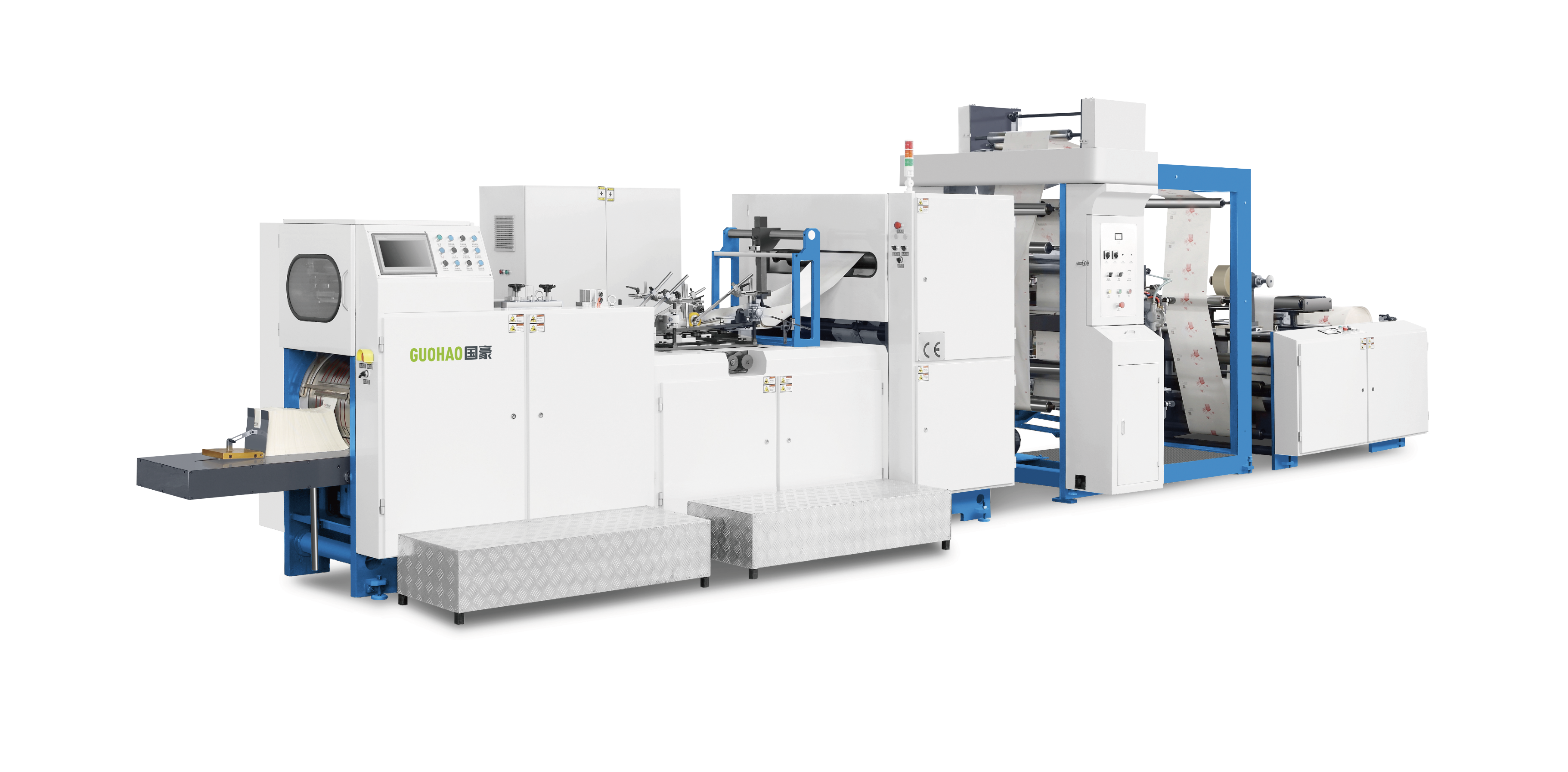
The comprehensive quality control and inspection systems integrated into modern brown paper bag machines establish new standards for production excellence by implementing multiple layers of automated monitoring and correction mechanisms throughout the manufacturing process. These sophisticated systems utilize advanced sensor technology, machine vision capabilities, and real-time data analysis to identify and eliminate potential quality issues before they impact final product integrity. The brown paper bag machine incorporates precision sensors at critical production points that continuously monitor bag dimensions, sealing quality, paper thickness consistency, and structural integrity parameters. This continuous monitoring approach ensures that every bag produced meets exact specifications and customer requirements without exception. Machine vision systems provide detailed inspection capabilities that exceed human visual detection abilities, identifying subtle defects such as incomplete seals, dimensional variations, printing misalignments, or material imperfections that could compromise bag performance. The integrated quality control system operates through intelligent algorithms that learn normal production patterns and automatically detect deviations that indicate potential quality issues, triggering immediate corrective actions or product rejection procedures. Statistical process control capabilities collect and analyze production data in real-time, identifying trends and patterns that enable predictive quality management and proactive adjustment of production parameters. The brown paper bag machine's quality systems include automated sorting and rejection mechanisms that remove defective products from the production stream without manual intervention, maintaining consistent output quality while maximizing operational efficiency. Traceability features enable complete documentation of production parameters for each bag produced, supporting quality audits and customer requirements for manufacturing documentation. The inspection systems provide immediate feedback to operators through intuitive displays that show real-time quality metrics, production statistics, and system status information, enabling quick responses to any emerging quality concerns. Calibration procedures are automated and self-monitoring, ensuring that all measurement and inspection systems maintain accuracy over time without requiring frequent manual adjustments. The quality control integration extends to raw material monitoring, with systems that verify kraft paper specifications and consistency before processing, preventing quality issues that originate from material variations. Remote monitoring capabilities allow quality managers to oversee production quality from multiple locations, receiving alerts and reports that enable proactive quality management across distributed manufacturing operations. The comprehensive data logging and reporting features support continuous improvement initiatives by providing detailed analysis of quality trends, defect patterns, and production optimization opportunities that drive ongoing operational enhancements.
 ×

 EN