 ×
×
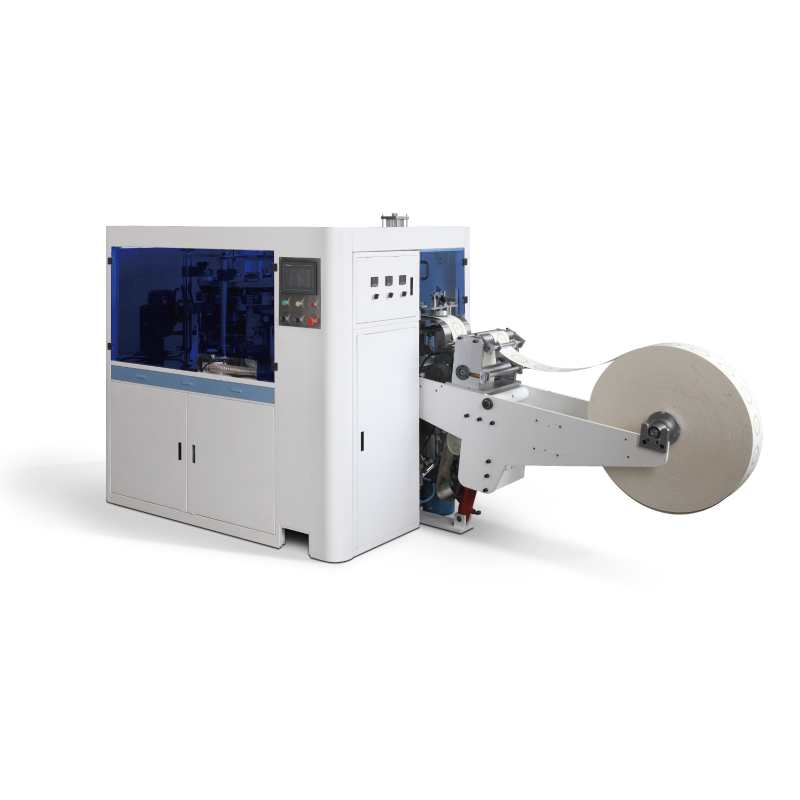
WENZHOU, CHINA — In a corner of the QICHEN workshop, a machine has been running night shifts for months. Engineers stop talking when it starts up. Not out of respect — out of habit. You listen to it. A steady, dry, almost musical rhythm, somewhere between 110 and 150 beats every minute, hour after hour, without drifting, without stuttering, without stopping.
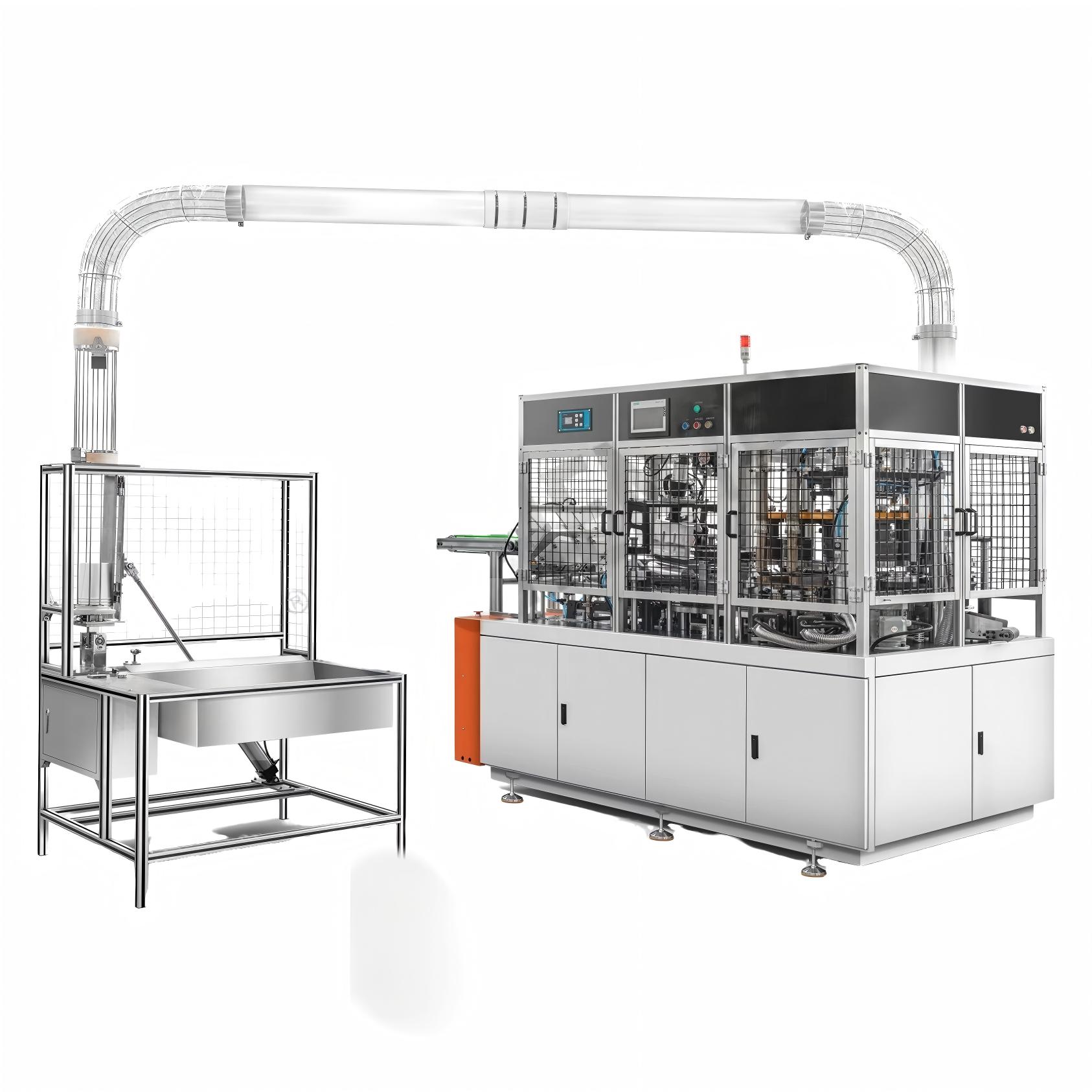
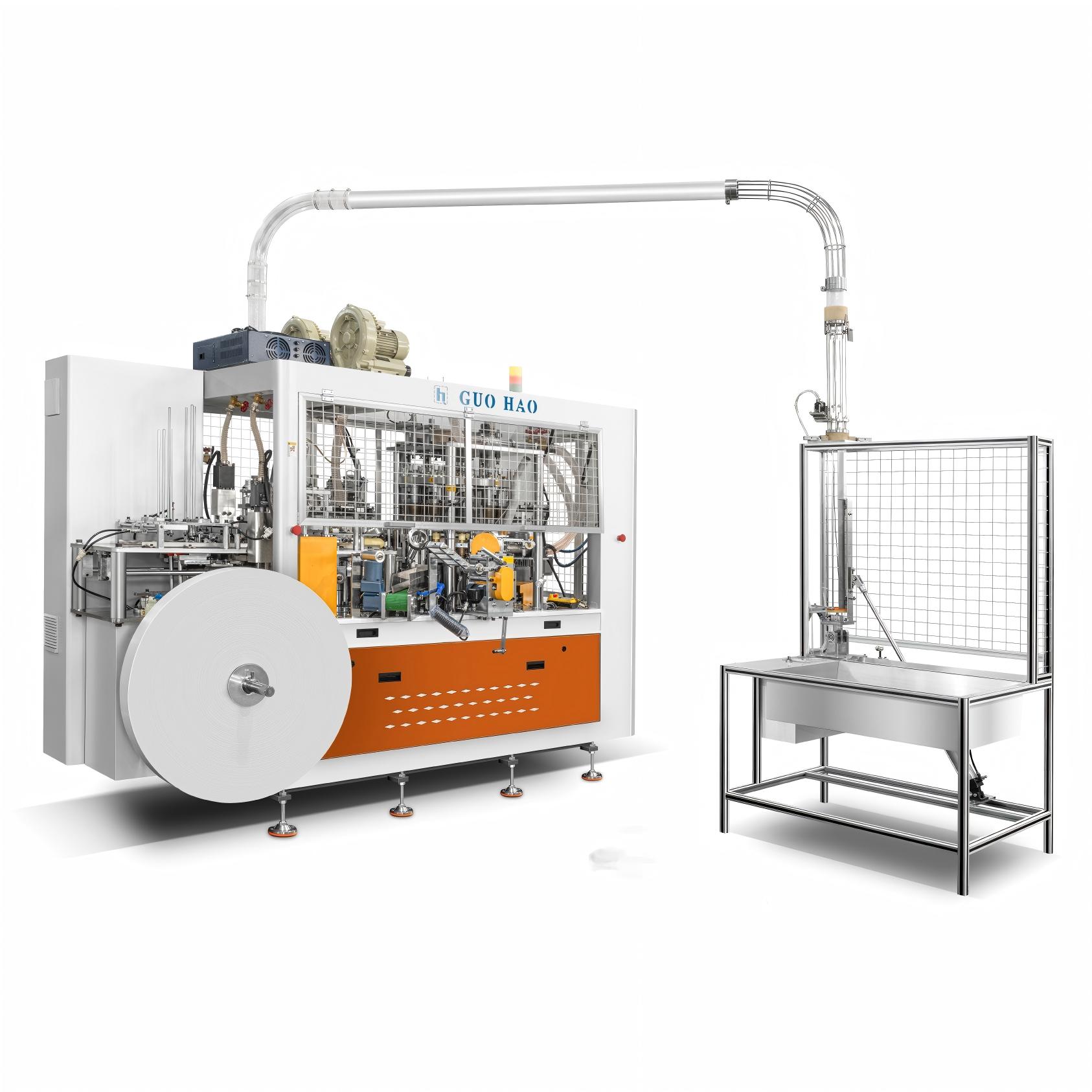
We are not going to tell you its name today. The nameplate stays under a black cover until the morning of 15 September 2026, when the machine starts in public for the first time at Print 2 Pack 2026, Egypt International Exhibition Center (EIEC), Cairo — Booth Hall 22, A6-2.
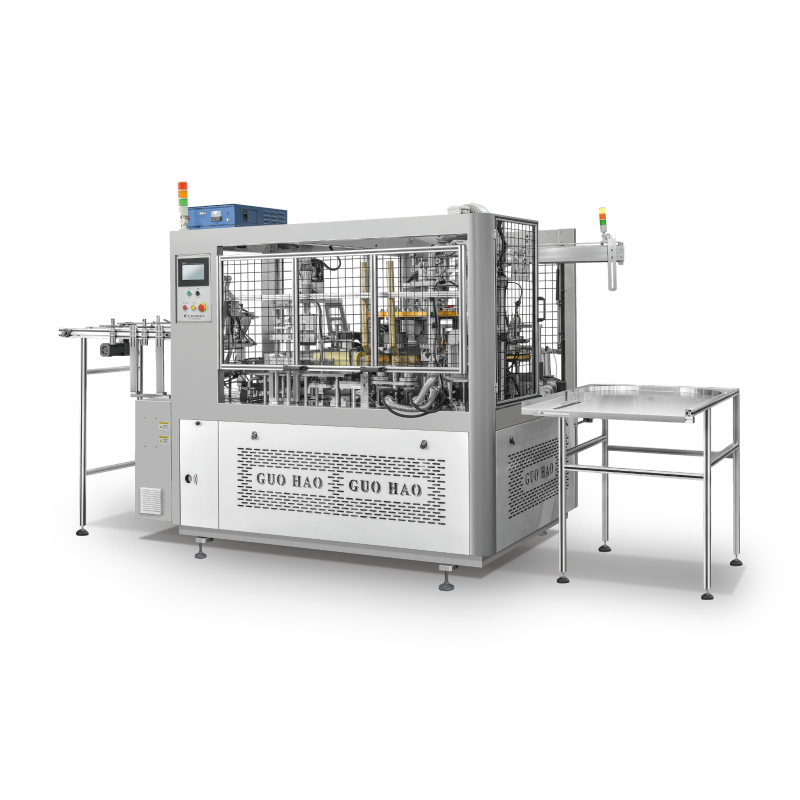
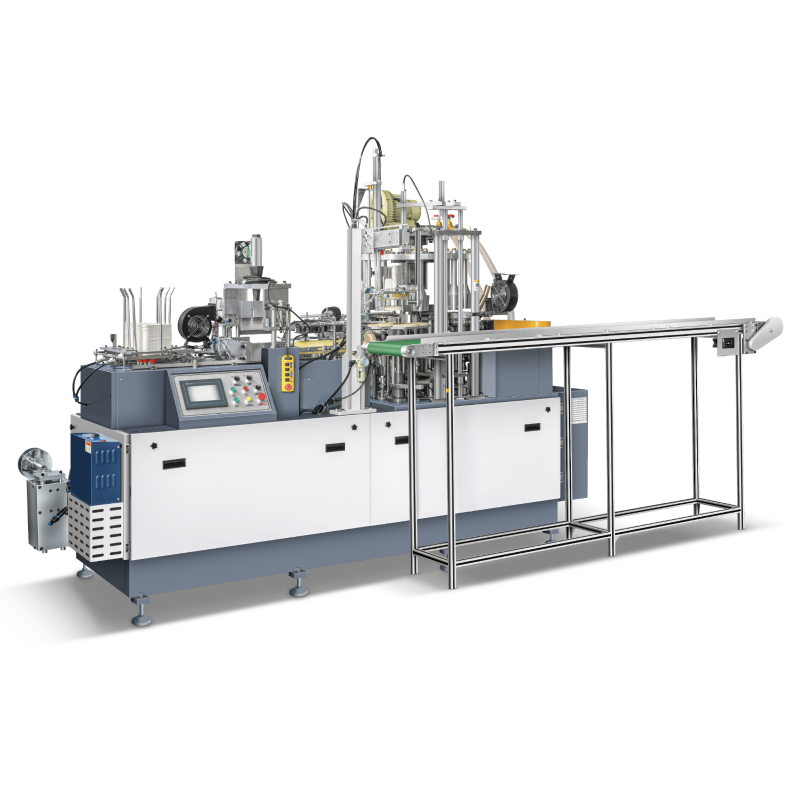
What we will release today are four clues. Clue One — The rhythm never breaks. The machine is built on a double cam drive. That single design choice is why the beat you hear in our workshop never wanders: at 110 to 150 pieces per minute, stability is not a feature, it is the foundation. Every beat leaves behind one finished, formed, sealed container. Run the math against your own shift pattern; we'll wait.
Clue Two — It is not picky about what it eats. Single PE coating. Double PE coating. PLA, too. Most forming machines make you choose a material family and live with that decision for a decade. This one was designed for the decade you are actually entering — the one where customers switch coatings, regulators switch rules, and markets switch continents. Feed it what you have; it will form what you need.
Clue Three — It judges its own work, harshly. Somewhere inside every cycle, every single piece is inspected. Defects are detected and rejected automatically, before they reach your packing table and long before they reach your customer's complaint inbox. Yield rate is the quiet number nobody prints on a banner. On this machine, it is the number we are proudest of.
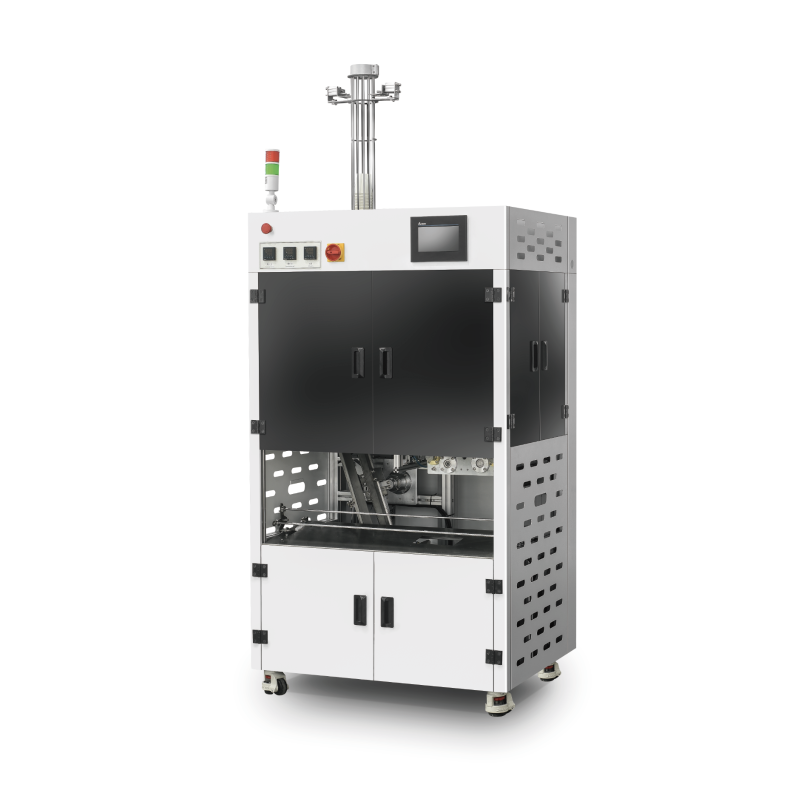
Clue Four — It takes care of itself. Automatic lubrication. PLC smart control. Two sentences that decide whether your maintenance team loves a machine or argues with it for years. This one oils itself, thinks in logic, and tells you what it needs before it needs it.
Put the four clues together and you have a portrait: a double-cam heart that never skips; a mouth that accepts every coating your regulators might demand; eyes that catch every bad piece before you do; hands that oil themselves. In our industry, a machine like that earns a name. Ours is three letters and two digits — and you will receive it in Cairo.
One category, because we are not cruel: it forms paper bowls. Fast. Everything else — model designation, full specification sheet, footprint, power draw, and the number our sales team keeps quoting on the phone but is not allowed to put in writing yet — stays under the cover until 15 September.
Why Cairo, and why now? Because the shift from plastic to paper is no longer a forecast; it is a purchase order. Food service brands across the Middle East, Africa and Europe are rewriting packaging specifications this year, and QICHEN machines already run in all of those markets — from South America to Southeast Asia, from the Gulf to the EU — built to CE standards and backed by a supply chain we control end to end: R&D, production, quality inspection, pre-sales and after-sales. A machine this fast belongs where the demand is fastest.
If you operate a food packaging plant, or supply one, you already know the arithmetic: output per minute is the only variable that moves cost per piece meaningfully. Between 110 and 150 pieces per minute, the difference is not a rounding error — it is a second shift you never have to hire.
So here is the invitation, in full:
Print 2 Pack 2026 — 15, 16, 17 September 2026 Egypt International Exhibition Center (EIEC), Cairo, Egypt QICHEN Booth: Hall 22, A6-2
 Hot News
2026-09-14
2026-09-03
2026-08-31
2026-08-29
2026-08-27
2026-08-25
Copyright © 2026 Wenzhou Qichen Trading Co., Ltd. All Rights Reserved — Privacy Policy

 EN
EN