
 EN
EN



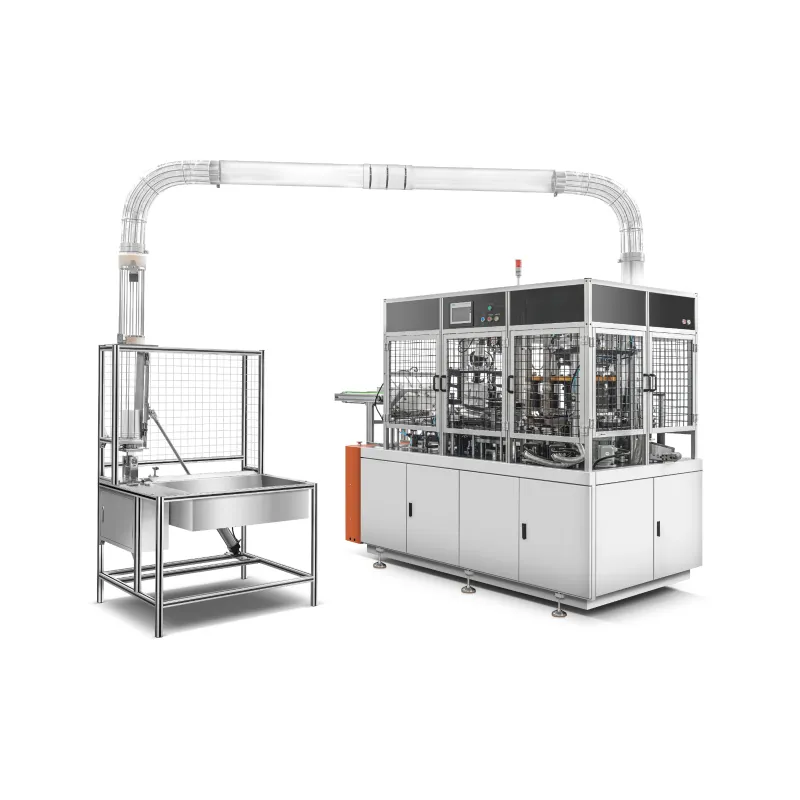
ZBJ-K150 High-Speed Paper Cup Making Machine — 120–150 pcs/min output, independently developed by Wenzhou Qichen.
Introduction
The global paper cup market is projected to exceed $12 billion by 2028, driven by the shift away from single-use plastics and the rapid expansion of food delivery services. Choosing the right high-speed paper cup machine requires evaluating critical factors beyond just upfront costs. This guide explains how to make an informed decision. Output speed, cup size flexibility, power consumption, and after-sales support all directly affect your production line's profitability.
This guide walks through the critical factors to consider when selecting a paper cup forming machine, drawing on real specifications from Wenzhou Qichen's equipment lineup and over a decade of export experience supplying to South America, Southeast Asia, the Middle East, Europe, and Africa.
Key Specifications That Define Machine Performance
Before evaluating any paper cup making machine, clarify your production requirements. The following parameters should be your starting point:
Output Speed
- : Ranges from 60–80 pcs/min (medium speed) to 120–150 pcs/min (high speed). The ZBJ-K150 model, for instance, delivers 120–150 pcs/min, ideal for operations targeting 50,000+ cups per shift.
Cup Size Range
- : Top diameter 50–90mm, bottom diameter 35–75mm, height 50–115mm covers most beverage and food cup volume.
Paper Weight Compatibility
- : Woks with 180–350gsm single or double PE-coated paper. Wider compatibility brings greater flexibility in material sourcing .
Power Requirements
- High-speed models run on 16–20KW with a standard 380V 3-phase power supply. We offer full customization for voltage, frequency and plug types to fit your on-site electrical conditions. Be sure to verify your facility’s power infrastructure prior to ordering.
Machine Footprint
- : A typical high-speed unit measures approximately 2930 × 1390 × 1866mm and weighs around 2,800kg.
Understanding Speed Classifications
Manufacturers generally categorize paper cup forming machines into three speed tiers:Investing in a paper cup machine goes beyond comparing price tags—it’s about different production efficiency and long-term ROI. Here is a quick guide to help you choose the right model for your business scale:
Speed Class |
Output (pcs/min) |
Target Audience |
Ideal Use Case |
Example Model |
Medium Speed |
60–90 |
Startups & small facilities |
Short runs, custom batch orders |
ZBJ-OC12 PRO |
Medium-High Speed |
90–120 |
Growing manufacturers |
Scaling up operations, regional supply |
N12 |
High Speed |
120–150 |
Large-scale enterprise |
Mass production, major OEM contracts |
ZBJ-K150, G12, KCM-12 |
Factory Capability and Technical Stability
A paper cup making machine represents a long-term capital investment, so the manufacturer’s engineering expertise is just as critical as the equipment’s technical specifications.
Independently developed via in-house R&D by Wenzhou Qichen, the ZBJ-K150 integrates fully optimized mechanical and electrical designs to deliver exceptional whole-machine stability and consistent running performance. Its solid structure ensures smooth production flow, precise cup forming, uniform sealing quality and minimal material waste, effectively lifting production efficiency and securing stable, long-term profit margins for your manufacturing line.)
What to Evaluate in a Supplier
R&D Ownership
- : Does the manufacturer develop machines in-house, or simply assemble third-party components? In-house development means faster troubleshooting and continuous improvement.
Complete Supply Chain
- : Wenzhou Qichen runs an integrated system covering R&D, pre-sales consultation, production, quality inspection, and after-sales service. This shortens lead times and ensures full accountability across the equipment lifecycle.
Export Track Record
- : Machines sold across multiple continents are tested under diverse operating conditions — including different power grids, climates, and raw material sources. Qichen's equipment is currently widely used in South America, Southeast Asia, the Middle East, Europe, and Africa.
Trade Show Presence
- : Participation in top industry events like Drupa 2024 (Düsseldorf), China Print 2025 (Beijing), and the 139th Canton Fair (2026) signals industry credibility and ongoing product innovation.
Total Cost of Ownership: Beyond the Purchase Price
The upfront machine price is only a small part of the total cost of ownership. Smart buyers analyze the full cost structure:
Cost Component |
Typical Range(USD) |
Notes |
Machine FOB Price |
17,000-45,000 |
Varies by speed and automation |
Shipping (40HQ container) |
8,000 |
Depends on origin and destination ports |
Installation & Training |
3,000 |
Often included with reputable suppliers |
Annual Maintenance |
3–5% of machine cost |
Spare parts, lubrication, calibration |
Power Consumption |
~16KW × operating hours |
Calculated by local electricity rates |
Raw Material (PE-coated paper) |
1000~1,200/ton |
Varies by GSM and paper type |
A machine with a $5,000 lower price but with a 2% higher scrap rate will cost you more in the first year of operation. Always request a sample production run or factory audit video to verify actual performance before committing.
Supporting Equipment Considerations
A complete paper cup production line typically requires more than just the forming machine itself:
Flexographic Printer
- : For custom cup designs and branding
Die Cutting Machine
- : To cut printed paper into cup blanks
Paper Lid Machine
- : For matching cup lids (e.g., PL-G Automatic Dome Lid Machine)
- : Automated counting and packing (e.g., CP-100 Vertical Packing Machine, LP-450)
Inspection Machine
- : Quality control for defect detection
Sourcing all equipment from a single supplier like Wenzhou Qichen ensures compatibility and simplifies maintenance.
Compliance, Certification, and Risk Mitigation
Importing industrial machinery carries regulatory obligations. Make sure your paper cup making machine meets these key standards:
CE Marking
- : Mandatory for the European Economic Area. All Wenzhou Qichen's products comply with CE quality standards.
Electrical Safety
- : Confirm all electrical components meet IEC standards, with proper grounding and emergency stop functions.
Third-Party Inspection
- : Use SGS, Bureau Veritas, or similar agencies for pre-shipment inspection-standard practice for B2B machinery imports.
Warranty Terms
- : Clarify warranty duration (usually 12 months), spare parts availability, and on-site technician support.
Documentation Checklist for Import
- Commercial Invoice
- Packing List
- Bill of Lading
- CE Certificate / Declaration of Conformity
- Operation Manual (English)
- Spare Parts List with Part Numbers
Conclusion & Next Step
Selecting the right high-speed paper cup making machine means balancing production needs, total cost of ownership, and supplier reliability. Keep the three points in mind:
- Match speed class to your actual volume — don't overpay for unused capacity.
- Evaluate the supplier's full supply chain, not just the machine price.
3. Verify CE compliance and arrange third-party inspection before shipment.
Looking for a verified paper cup making machine supplier with proven OEM capability? Get a free factory audit report & FOB quote within 24 hours → Or request our latest catalog with full spec sheets for all models.