
 EN



The beverage packaging industry relies heavily on thermal performance to protect both product quality and consumer safety. A double wall paper cup machine represents a significant advancement in manufacturing technology that directly addresses the critical need for superior heat insulation. Unlike traditional single-wall cups, this specialized equipment creates a sophisticated air gap between two paper layers, fundamentally transforming how beverages maintain optimal temperature during storage and consumption. Understanding how a double wall paper cup machine enhances heat insulation performance is essential for manufacturers seeking competitive advantage in premium beverage markets.
Modern beverage companies face increasing pressure to deliver products that maintain consistent temperature while providing an exceptional consumer experience. The double wall paper cup machine solves this challenge by engineering cups with precision-engineered air spaces that act as natural insulators. This technology is particularly valuable for hot beverages such as coffee and tea, where heat retention directly impacts customer satisfaction and brand perception. The manufacturing process itself requires precise calibration and advanced machinery to ensure uniform wall thickness and optimal spacing, making the equipment a cornerstone of quality beverage packaging operations.
Understanding Heat Insulation Mechanisms in Double Wall Design
How Air Gap Technology Works
The fundamental principle behind heat insulation in cups manufactured by a double wall paper cup machine involves leveraging air as an insulating medium. Air possesses exceptionally low thermal conductivity, meaning heat transfer through air happens much more slowly than through solid paper alone. When a double wall paper cup machine creates two distinct paper layers with a controlled air space between them, this configuration dramatically reduces the rate at which thermal energy moves from the inner beverage to the outer cup surface. The effectiveness of this insulation depends on several factors, including the precise thickness of the air gap, the consistency of wall spacing throughout the cup, and the quality of the paper materials used in construction.
Paper Substrate Role in Thermal Performance
The type and composition of paper used in a double wall paper cup machine operation significantly influence overall heat insulation capability. High-quality paperboard with appropriate density and fiber structure helps minimize heat conduction along the cup walls while maintaining structural integrity under thermal stress. A double wall paper cup machine must precisely control paper thickness for both inner and outer walls to achieve uniform insulation performance. The paper's moisture content and coating properties also affect how effectively the cup resists heat transfer, making material selection a critical variable in the manufacturing process.
Performance Benefits and Measurable Advantages
Extended Beverage Temperature Retention
One of the most significant advantages of cups produced by a double wall paper cup machine is substantially longer beverage temperature retention compared to standard single-wall alternatives. Testing demonstrates that double wall cups maintain hot beverages at drinkable temperatures for significantly extended periods, directly improving customer satisfaction and reducing waste from temperature-compromised products. A double wall paper cup machine enables manufacturers to offer genuine thermal performance guarantees that differentiate their products in premium market segments. This extended temperature maintenance translates to tangible business benefits, including reduced customer complaints, improved brand loyalty, and justification for higher pricing in competitive markets.
Consumer Comfort and Safety Enhancement
The insulation benefits of cups manufactured by a double wall paper cup machine extend beyond temperature retention to meaningful consumer comfort improvements. The outer cup surface remains considerably cooler than the beverage temperature, allowing consumers to hold hot cups comfortably without requiring sleeves or protective wrapping. This inherent insulation capability reduces the need for additional protective layers, lowering overall packaging costs while simultaneously improving the consumer experience. From a safety perspective, cooler outer surfaces on cups from a double wall paper cup machine reduce burn risk, particularly for children and elderly consumers who may be more vulnerable to thermal injuries.
Manufacturing Precision and Equipment Specifications
Technical Capabilities of Modern Equipment
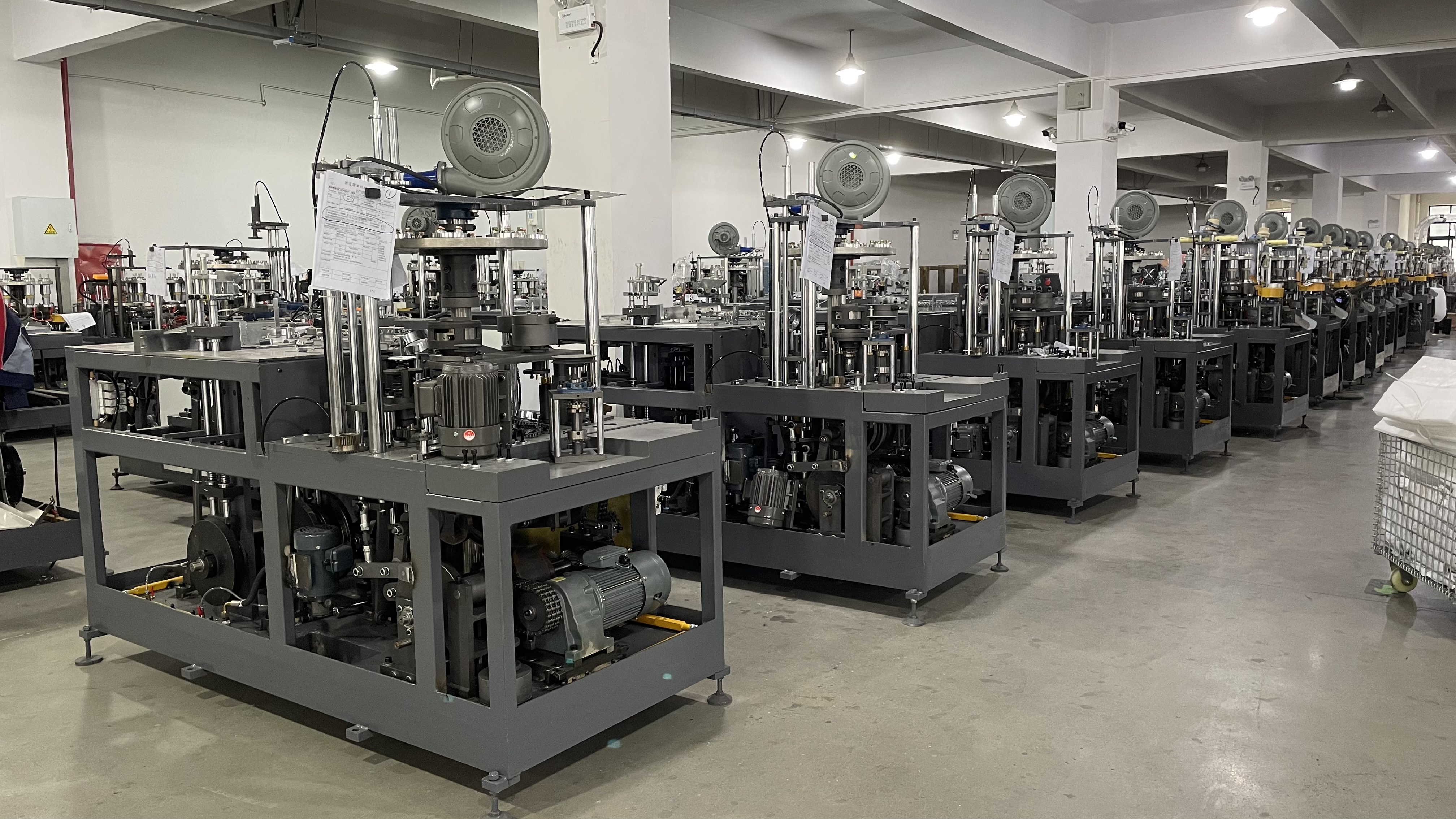
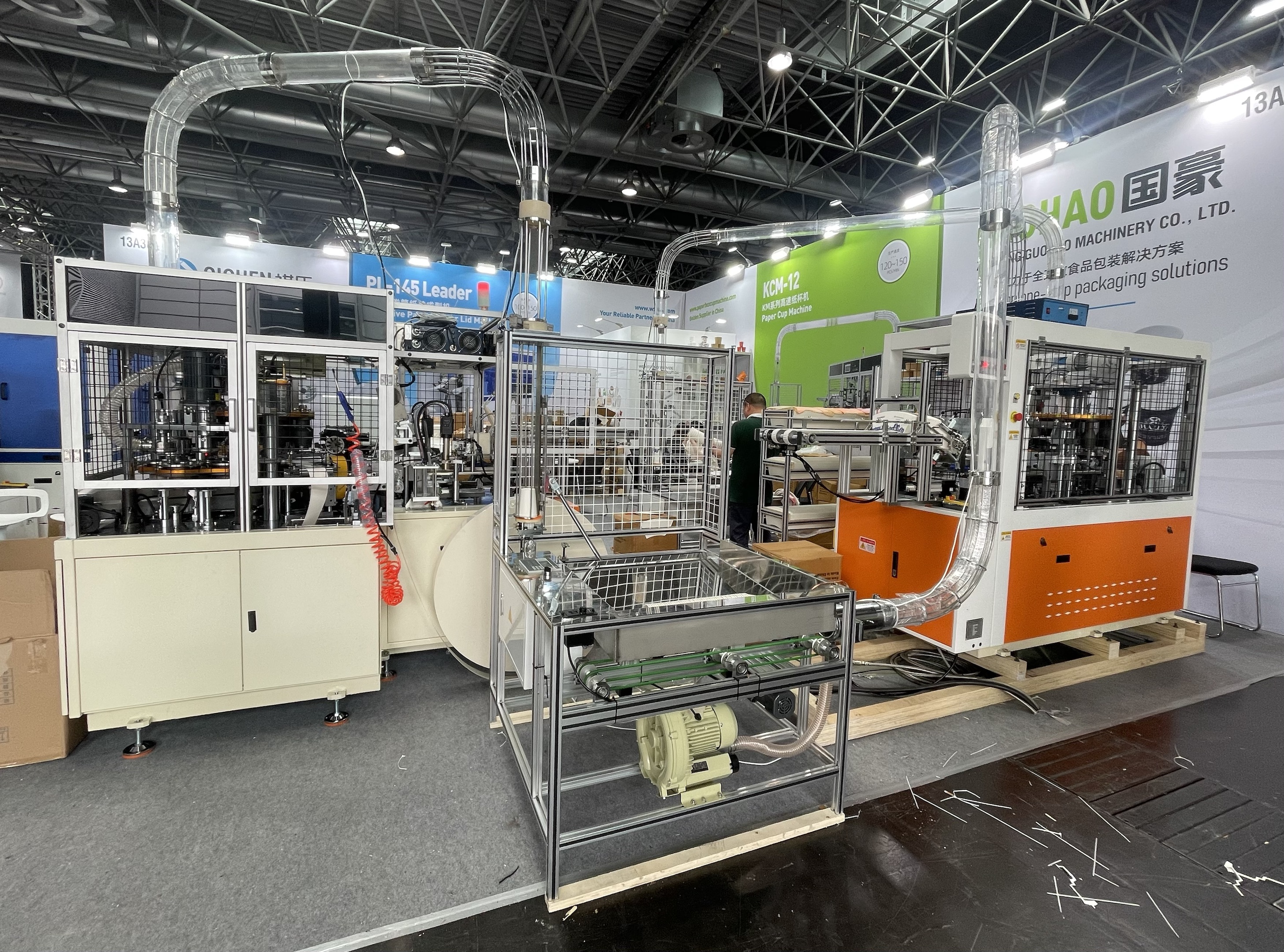
A state-of-the-art double wall paper cup machine incorporates sophisticated mechanical systems designed to achieve consistently precise cup dimensions and wall spacing. These machines typically feature advanced servo-motor control systems, precision paper feeding mechanisms, and synchronized forming dies that work in harmony to create uniform double-wall structures at high production speeds. The double wall paper cup machine must maintain tight tolerances on air gap dimensions, typically ranging from 1 to 3 millimeters, to ensure optimal insulation without compromising cup rigidity or aesthetic appeal. Real-time quality monitoring systems integrated into modern double wall paper cup machine equipment automatically detect and correct deviations, ensuring batch consistency and eliminating defective units before they reach customers.
Production Efficiency and Capacity Considerations
The production capacity of a double wall paper cup machine varies based on equipment model, cup size specifications, and desired quality standards, but modern machines typically produce between 40 and 120 cups per minute depending on configuration. This impressive throughput enables beverage manufacturers and cup producers to meet substantial market demand while maintaining the rigorous quality controls necessary for double-wall construction. The double wall paper cup machine process requires careful optimization of dwell times in forming stations to allow paper to properly conform to both inner and outer walls without thermal stress or dimensional inconsistencies.
FAQ
What makes double wall paper cup machine insulation superior to sleeve solutions?
A double wall paper cup machine creates permanent, integrated insulation as part of the cup structure itself, whereas protective sleeves are temporary external additions that consumers often discard. The air gap built into double-wall cups provides consistent, uniform insulation across the entire cup surface, while sleeves create uneven protection and can slip or separate. Double-wall cups manufactured by a double wall paper cup machine offer a more elegant, sustainable solution that integrates functionality directly into product design rather than relying on separate protective components.
Can a double wall paper cup machine handle various cup sizes and designs?
Modern double wall paper cup machine equipment is highly flexible and accommodates diverse cup sizes, from small espresso cups to large beverage containers, through interchangeable dies and programmable forming parameters. The double wall paper cup machine can be adjusted to produce cups with different heights, diameters, and design features while maintaining consistent insulation performance across all variations. This adaptability makes double-wall manufacturing viable for both large-scale standardized production and specialized custom cup applications tailored to specific brand requirements.
How does double wall paper cup machine manufacturing impact overall product costs?
While a double wall paper cup machine requires higher initial capital investment and increased paper material costs compared to single-wall alternatives, these expenses are often offset by premium pricing opportunities and reduced need for sleeve purchases. The double wall paper cup machine enables manufacturers to command higher prices in premium beverage segments where heat insulation performance is valued, improving profit margins despite higher production costs. Long-term economic analysis typically demonstrates that investment in double-wall manufacturing capability generates positive returns through market differentiation and expanded revenue opportunities.