printed paper bag making machine
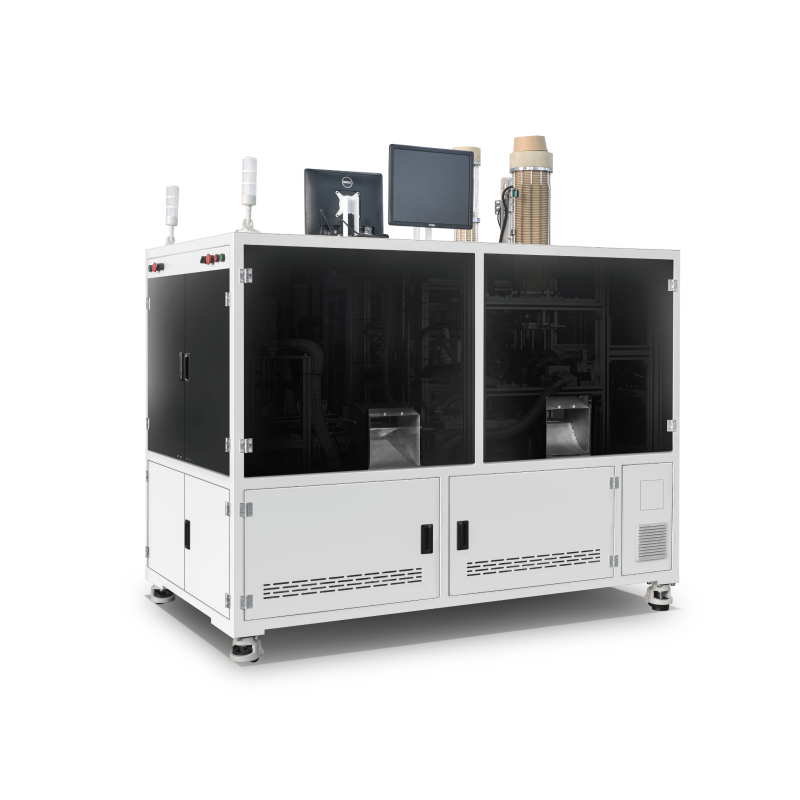
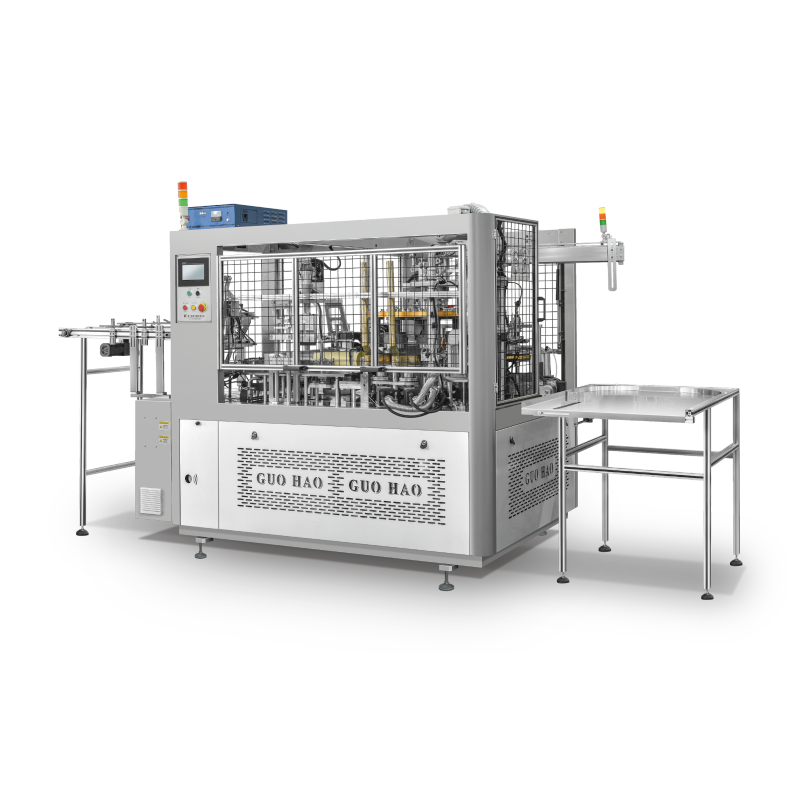
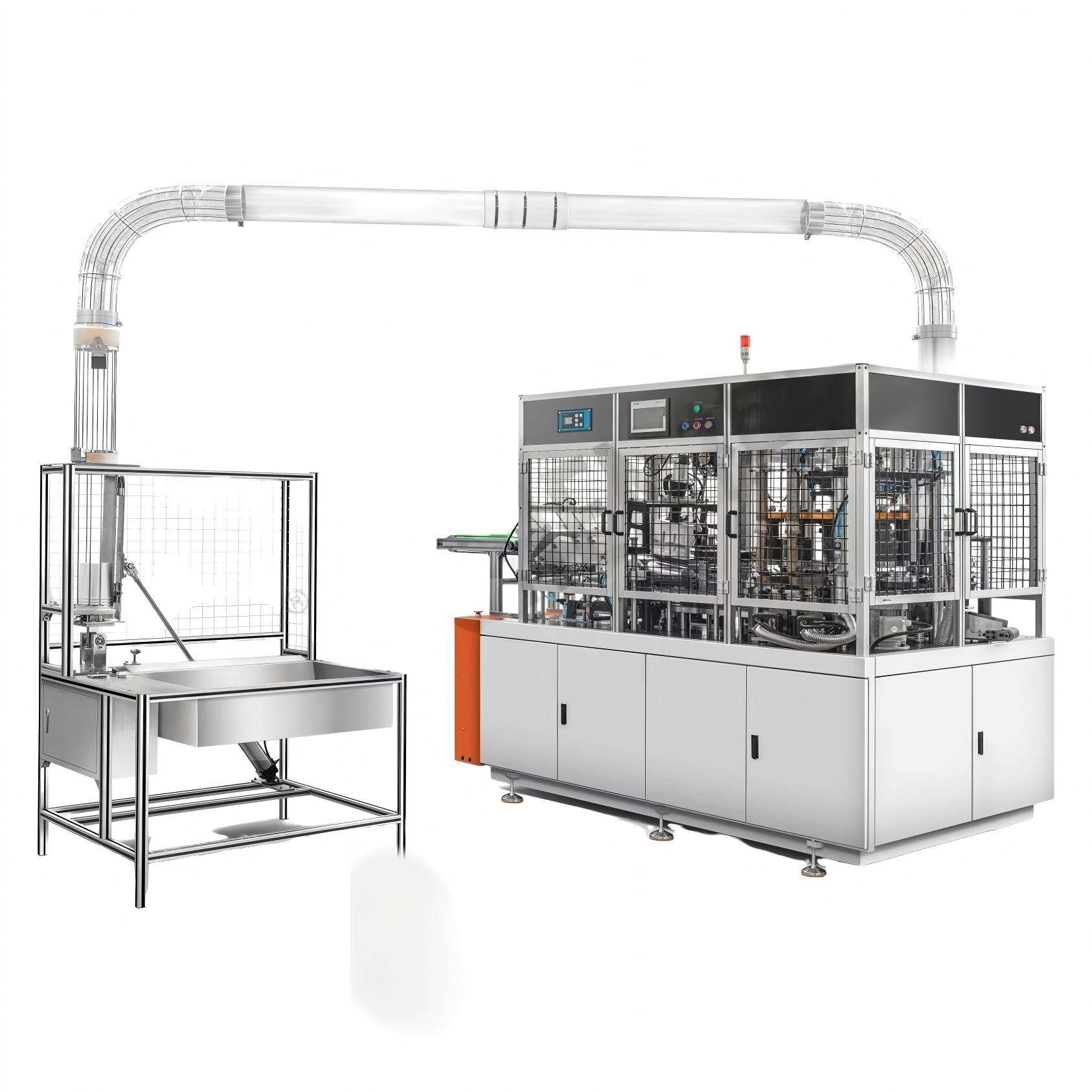
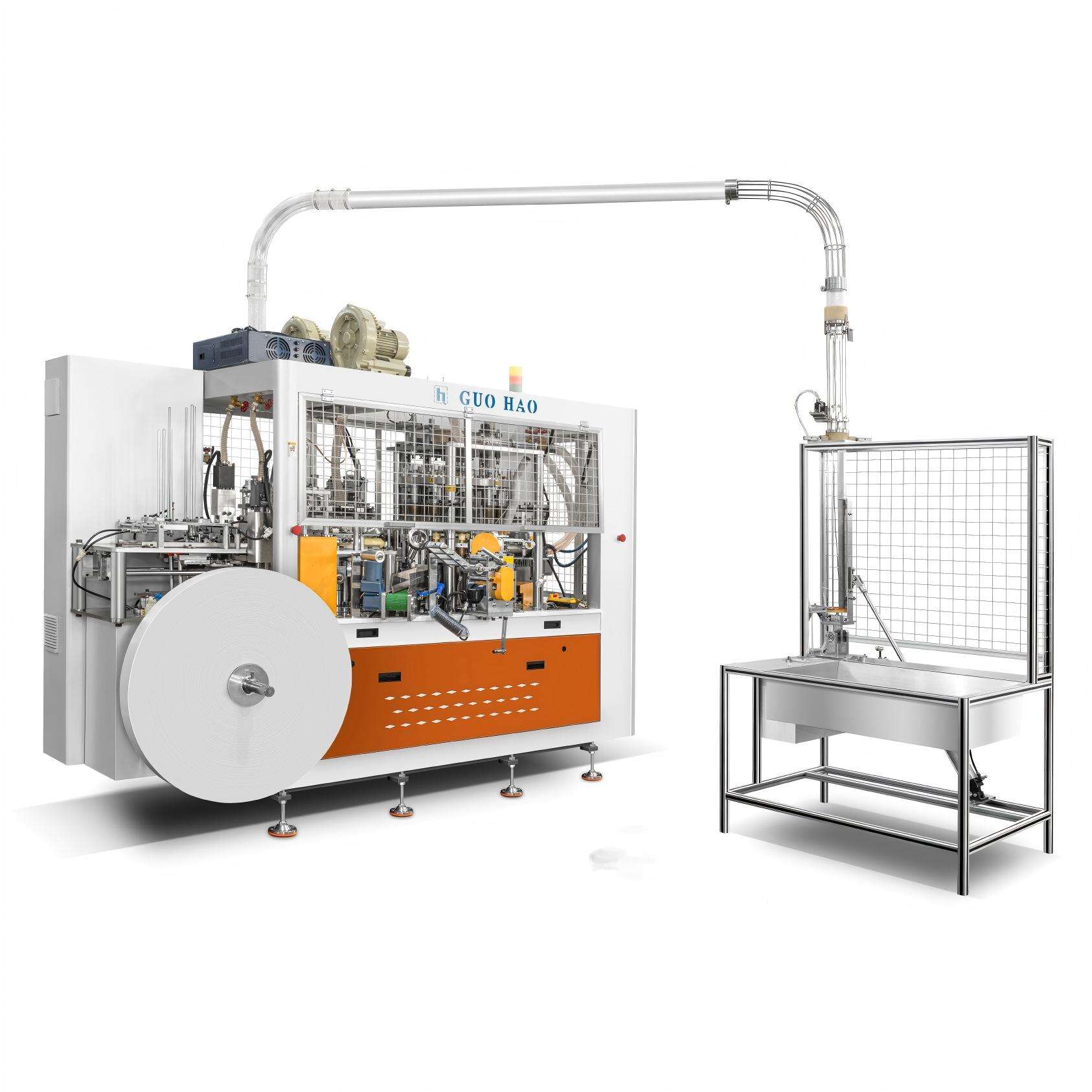
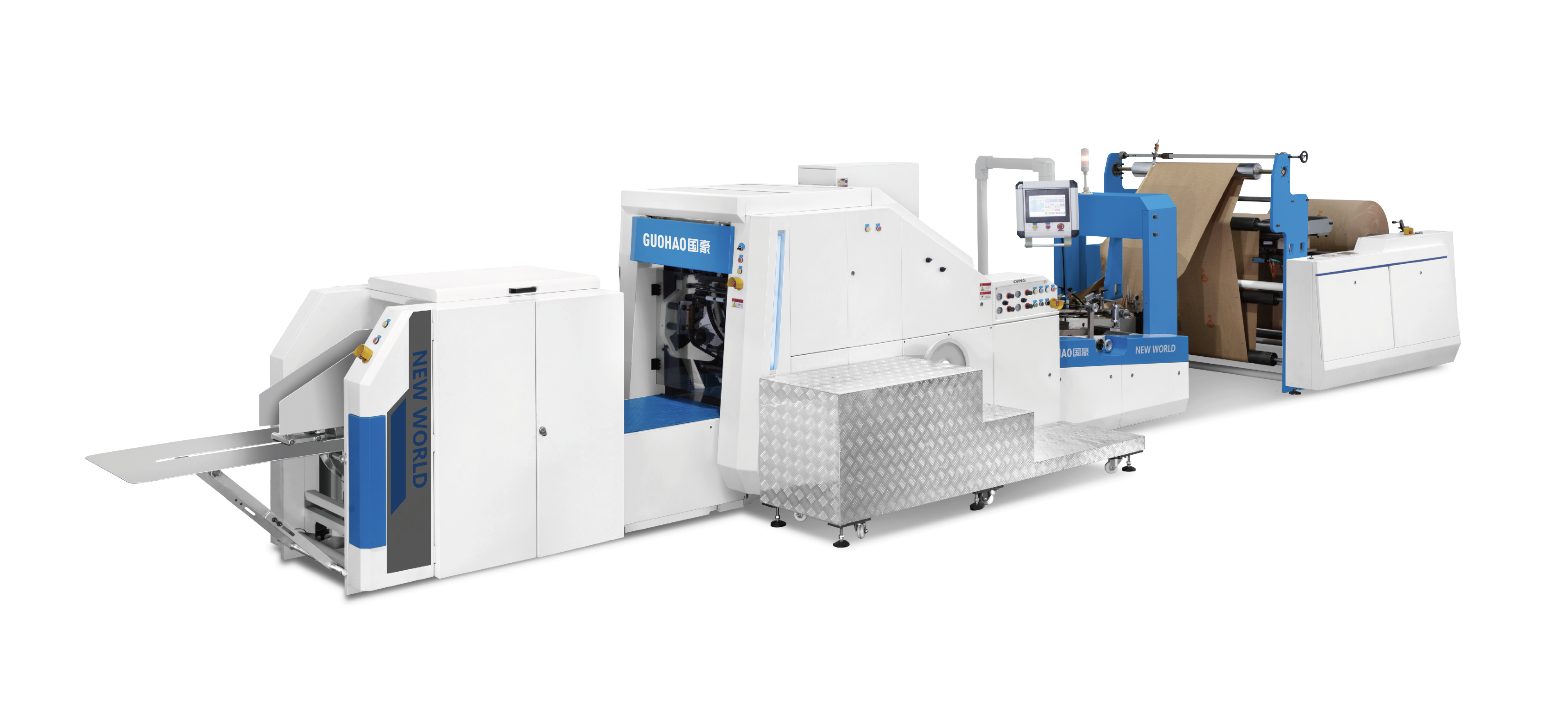
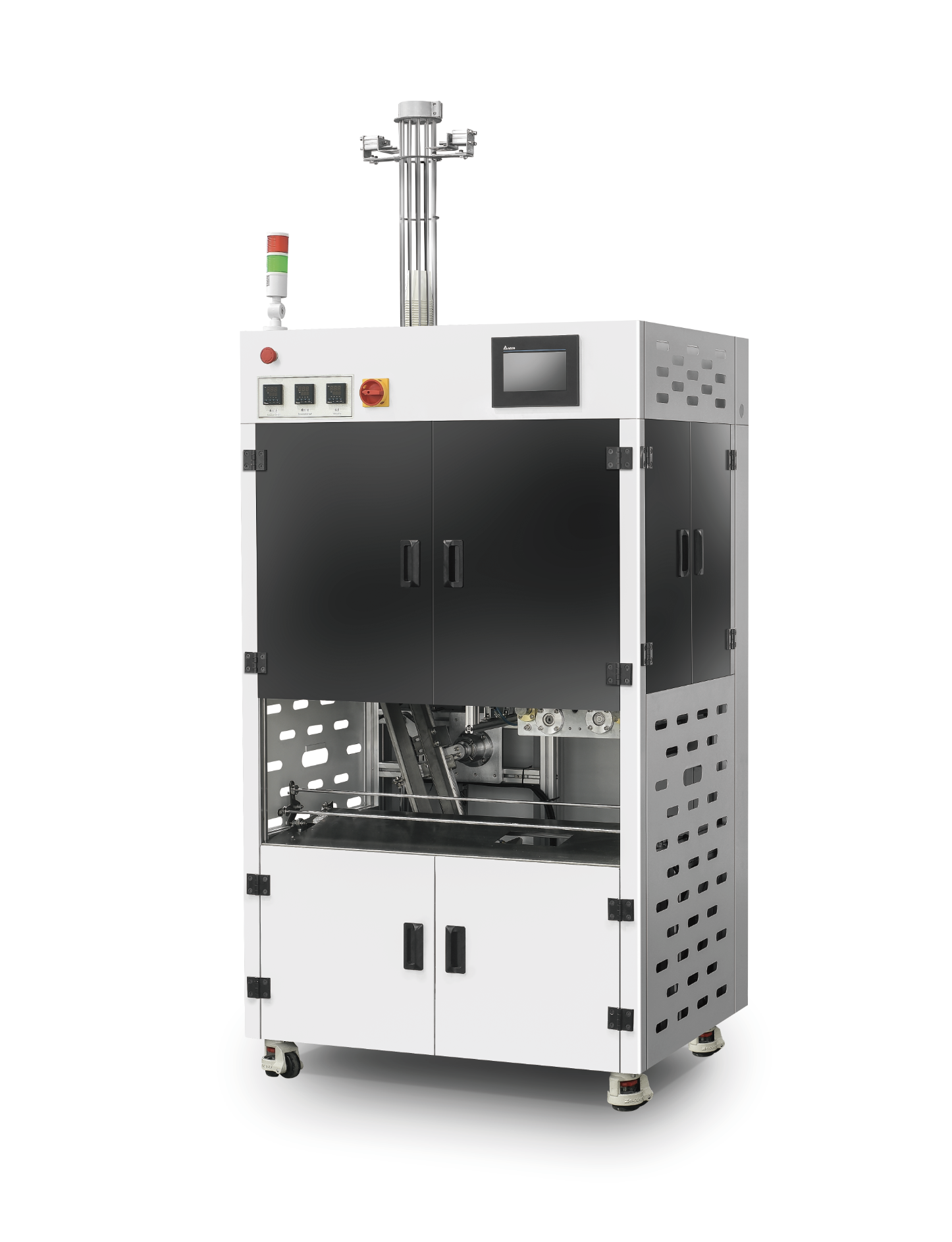
The printed paper bag making machine represents a revolutionary advancement in sustainable packaging manufacturing technology. This sophisticated equipment transforms raw paper materials into high-quality printed paper bags through an automated production process that combines precision engineering with environmental consciousness. Modern printed paper bag making machines integrate multiple manufacturing stages, including paper feeding, printing, cutting, folding, gluing, and bottom formation, all within a single streamlined operation. The machine utilizes advanced servo motor control systems that ensure consistent speed regulation and precise positioning throughout the production cycle. Paper feeding mechanisms accommodate various paper weights and types, from lightweight kraft paper to heavy-duty cardboard materials. The printing system employs flexographic technology that delivers sharp, vibrant graphics while maintaining production efficiency. Quality control sensors monitor each production stage, automatically detecting defects and maintaining consistent output standards. Temperature control systems regulate adhesive application, ensuring strong, durable seams that meet industry standards for load-bearing capacity. The cutting mechanism utilizes precision blades that create clean edges while minimizing paper waste. Folding components shape the bag structure with mathematical precision, creating uniform products that stack efficiently for storage and transportation. Bottom formation systems create various bag styles, including flat bottoms, gusset bottoms, and reinforced bases for heavy-duty applications. User-friendly touchscreen interfaces allow operators to adjust parameters quickly, switching between different bag specifications without complex manual adjustments. Safety features include emergency stop systems, protective guards, and automatic shutdown protocols that protect both operators and equipment. Maintenance systems provide real-time diagnostics and predictive alerts, minimizing downtime and extending equipment lifespan. The modular design allows for easy component replacement and system upgrades, ensuring long-term adaptability to changing market demands.
 ×


 EN