Professional Paper Cup Production Solutions - Advanced Manufacturing & Sustainable Technology

Get a Free Quote

Our representative will contact you soon.
Email
Name
Company Name
Message
0/1000

paper cup production

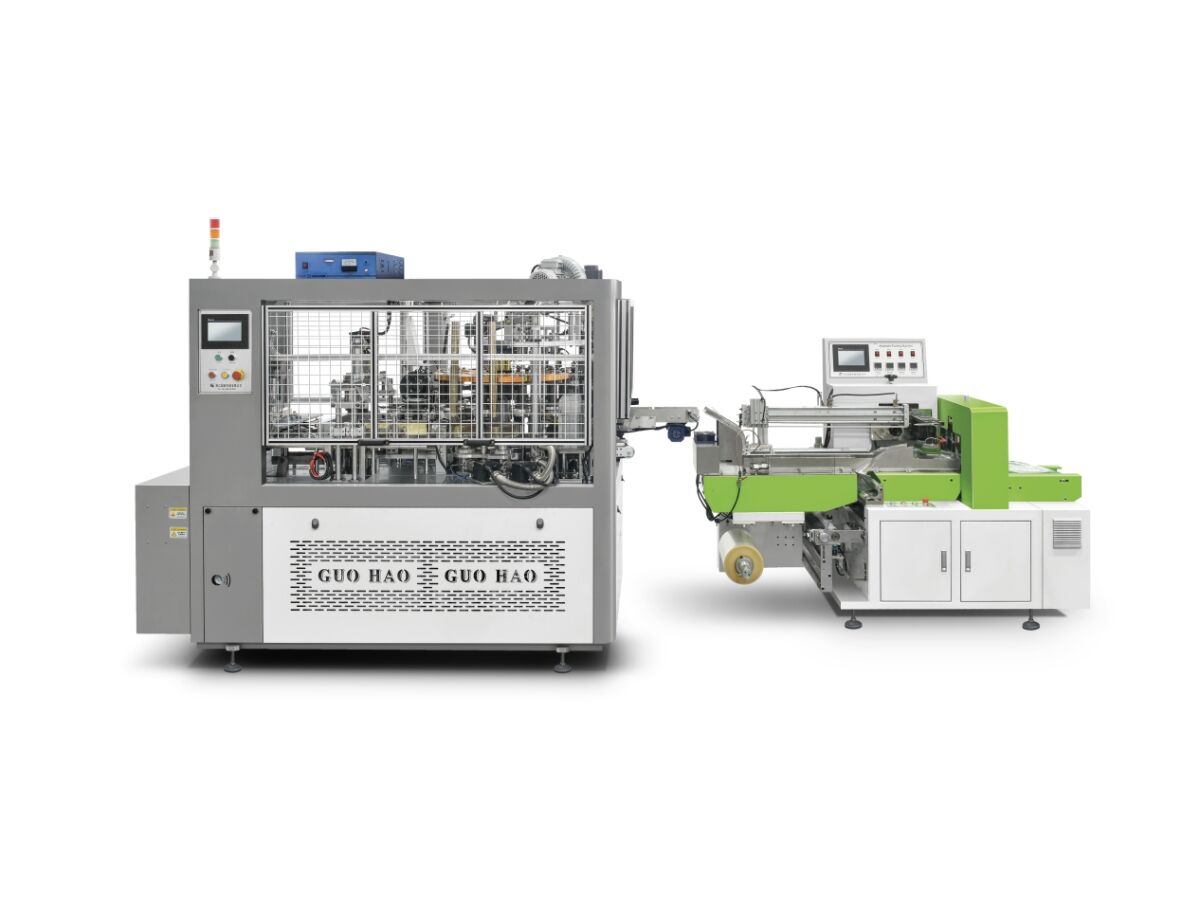
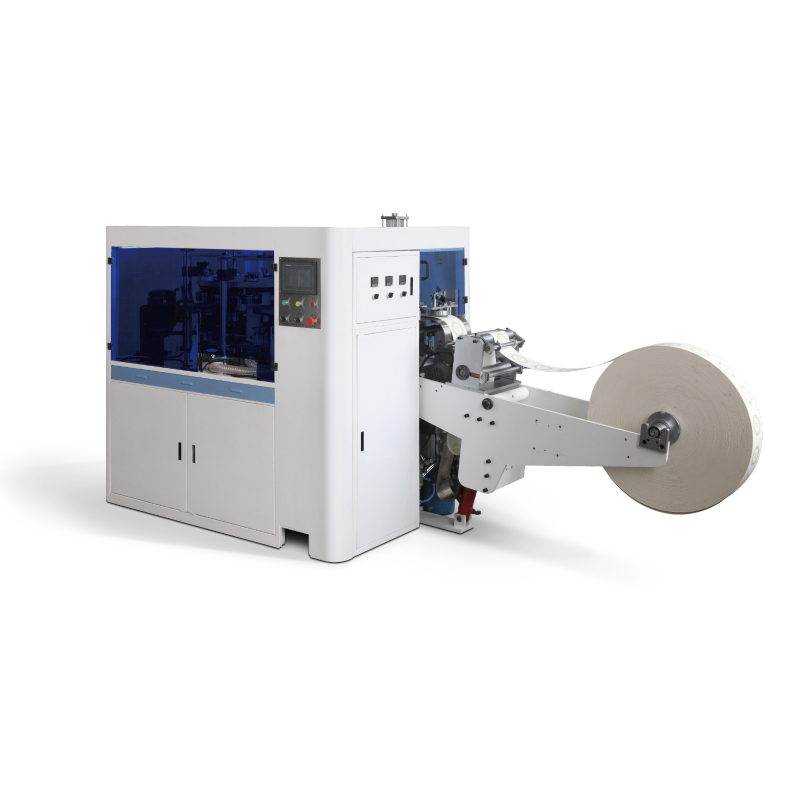
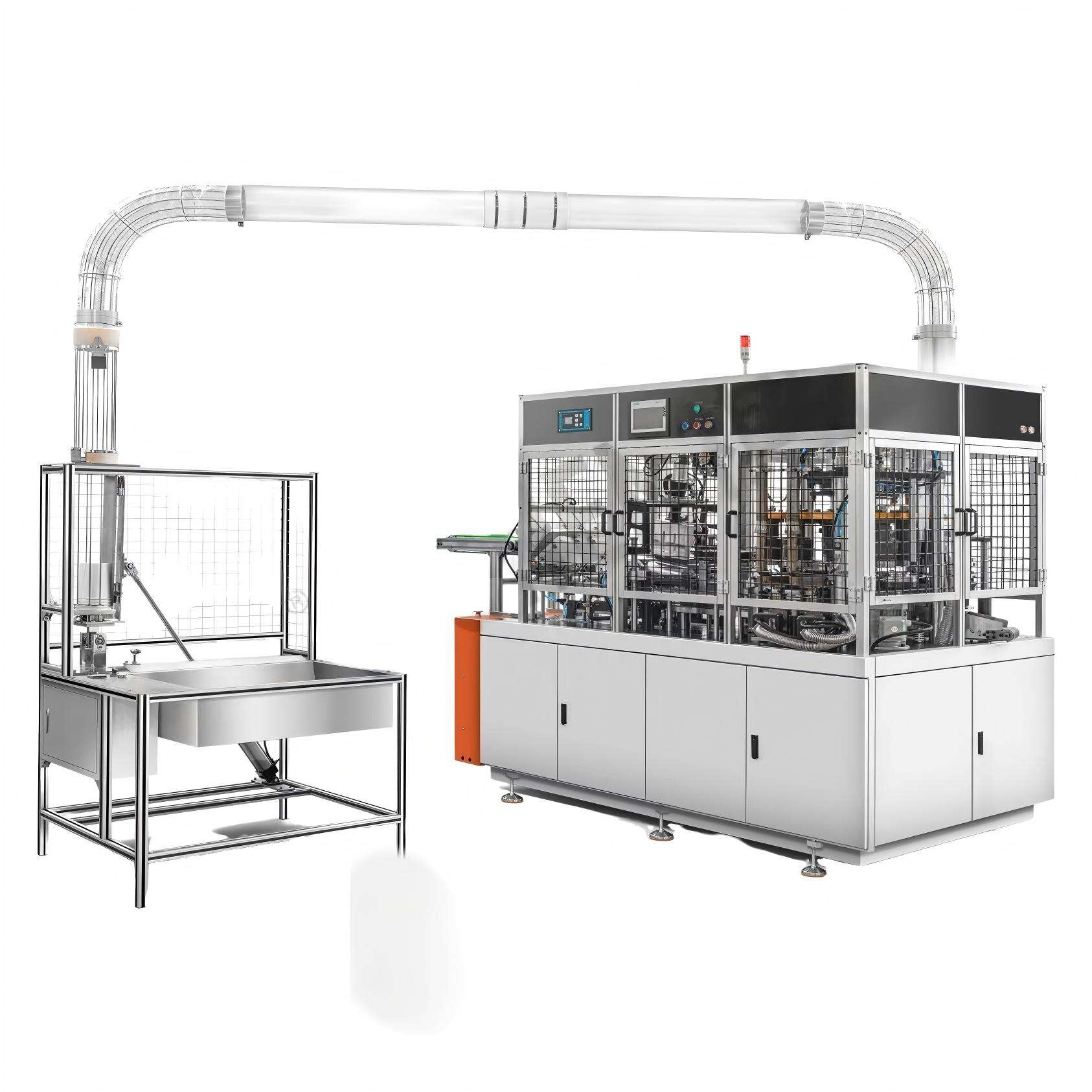
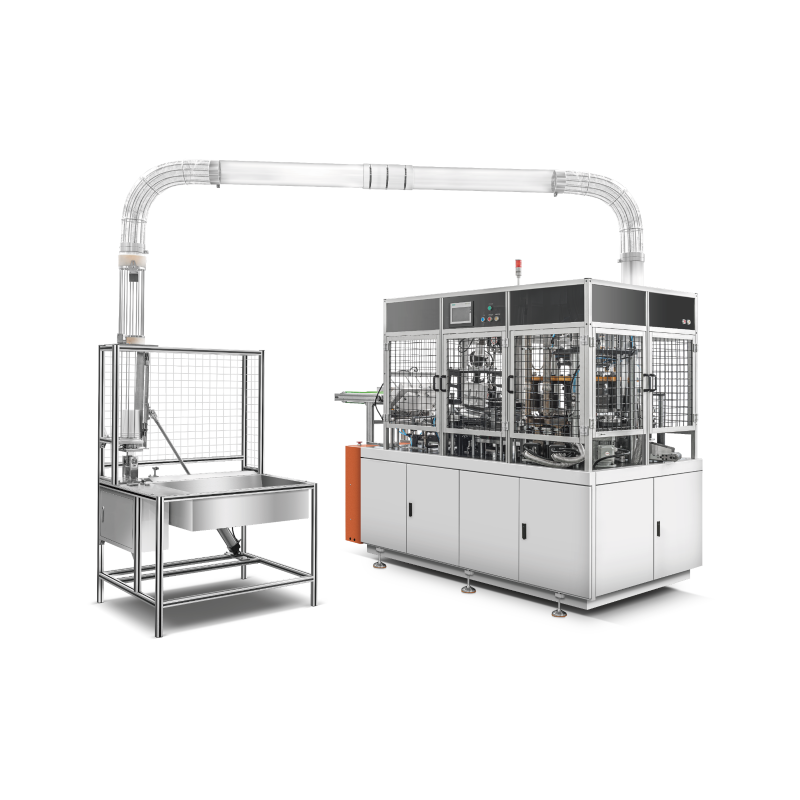
Paper cup production represents a sophisticated manufacturing process that transforms raw paper materials into disposable drinking containers used worldwide. This industrial process combines advanced technology with sustainable practices to create lightweight, hygienic, and cost-effective solutions for beverage service across multiple sectors. The paper cup production system encompasses several critical stages, from raw material preparation to final packaging, ensuring consistent quality and food-grade safety standards. Modern paper cup production facilities utilize automated machinery that can process thousands of units per hour, incorporating precise cutting, forming, and sealing operations. The technological backbone includes high-speed forming machines, ultrasonic welding systems, and quality control sensors that monitor thickness, dimensions, and structural integrity throughout the manufacturing cycle. These production lines feature computerized controls that regulate temperature, pressure, and timing parameters to achieve optimal cup formation. The main functions of paper cup production extend beyond simple container manufacturing to include custom printing capabilities, various size configurations, and specialized coatings for different beverage types. Hot drink applications require polyethylene lining to prevent liquid penetration, while cold beverage cups may incorporate moisture barriers and condensation-resistant surfaces. Paper cup production facilities also integrate eco-friendly practices by utilizing recyclable materials and minimizing waste generation. The technological features encompass digital printing systems for brand customization, automated stacking and counting mechanisms, and integrated packaging solutions. Applications span across foodservice establishments, healthcare facilities, educational institutions, office environments, and entertainment venues. The versatility of paper cup production allows manufacturers to create specialized products for specific market segments, including biodegradable options, double-wall insulated cups, and portion-controlled sizing for healthcare applications. Quality assurance protocols ensure compliance with international food safety regulations and environmental standards.

New Product Releases

Paper cup production offers numerous compelling advantages that make it an attractive investment for businesses seeking efficient, profitable, and environmentally conscious manufacturing opportunities. The production process delivers exceptional cost-effectiveness compared to alternative packaging solutions, enabling manufacturers to achieve significant profit margins while maintaining competitive pricing structures. Raw material costs remain relatively stable, and the lightweight nature of finished products reduces transportation expenses, creating additional savings throughout the supply chain. The scalability of paper cup production allows businesses to start with modest capacity and expand operations based on market demand, providing flexibility in capital investment and risk management. Modern production equipment requires minimal floor space while delivering high output volumes, making it suitable for both small-scale operations and large industrial facilities. The automation capabilities reduce labor requirements and minimize human error, resulting in consistent product quality and reduced operational costs. Paper cup production responds quickly to market trends and seasonal fluctuations, allowing manufacturers to adjust production volumes efficiently without significant downtime or retooling expenses. The customization potential creates additional revenue streams through branded cup services, enabling manufacturers to charge premium prices for personalized designs and marketing messages. Environmental sustainability represents a major competitive advantage, as paper cups offer biodegradable alternatives to plastic containers, aligning with growing consumer environmental consciousness and regulatory requirements. The production process generates minimal hazardous waste and utilizes renewable raw materials, supporting corporate sustainability goals and regulatory compliance. Quality control systems ensure consistent product performance, reducing customer complaints and returns while building brand reputation and customer loyalty. The relatively simple maintenance requirements and readily available spare parts minimize downtime and service costs. Training requirements for operators are straightforward, reducing skill acquisition time and labor costs. Paper cup production also benefits from established supply chains for raw materials and well-developed distribution networks, ensuring reliable material availability and efficient market access. The production flexibility allows manufacturers to serve diverse market segments simultaneously, from quick-service restaurants to healthcare facilities, spreading business risk across multiple customer bases and increasing revenue stability.

Latest News

Wenzhou Qichen: Shone at Drupa 2024, Forging a New Path for Paper Product Equipment

20

Apr

Wenzhou Qichen: Shone at Drupa 2024, Forging a New Path for Paper Product Equipment

View More
Wenzhou Qichen: Debuted New PL06 Paper Lid Machine at China Print 2025

20

Apr

Wenzhou Qichen: Debuted New PL06 Paper Lid Machine at China Print 2025

View More
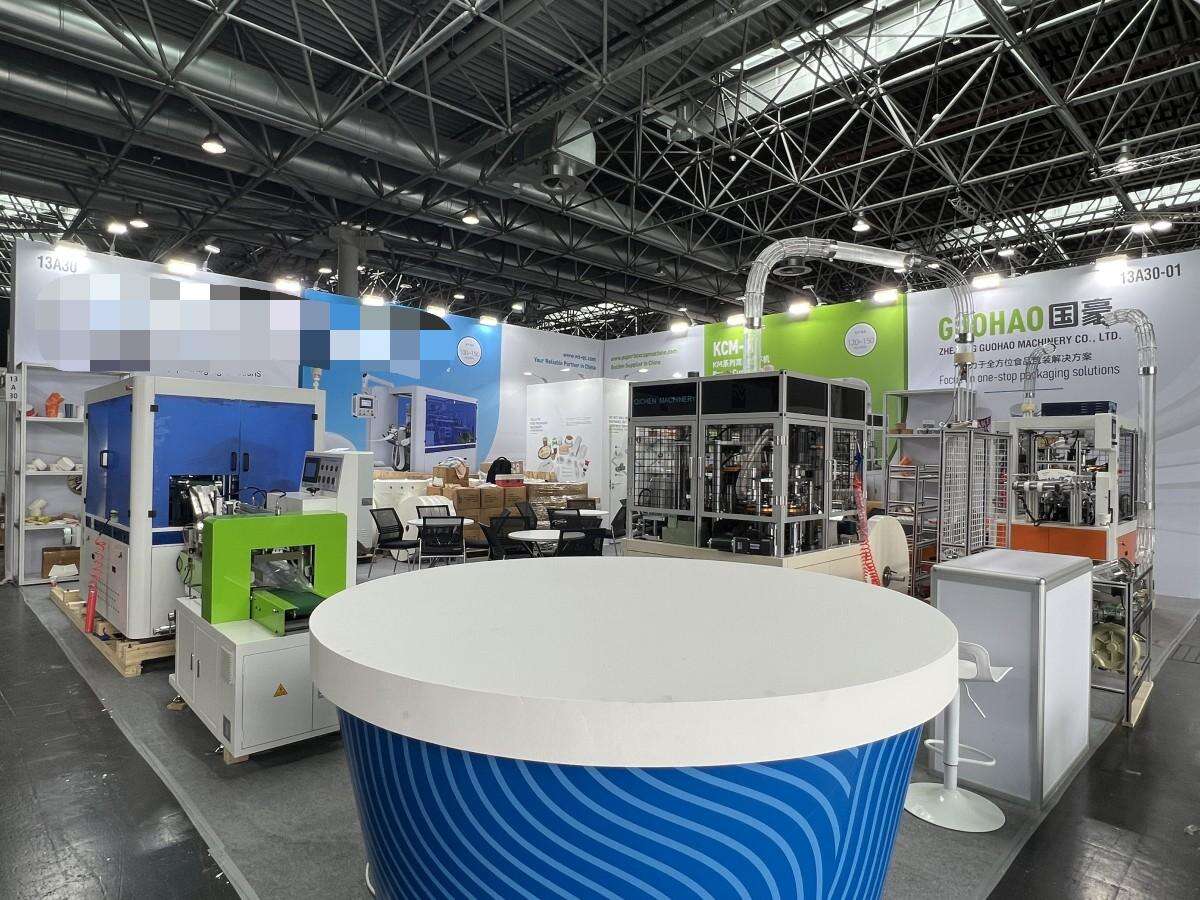
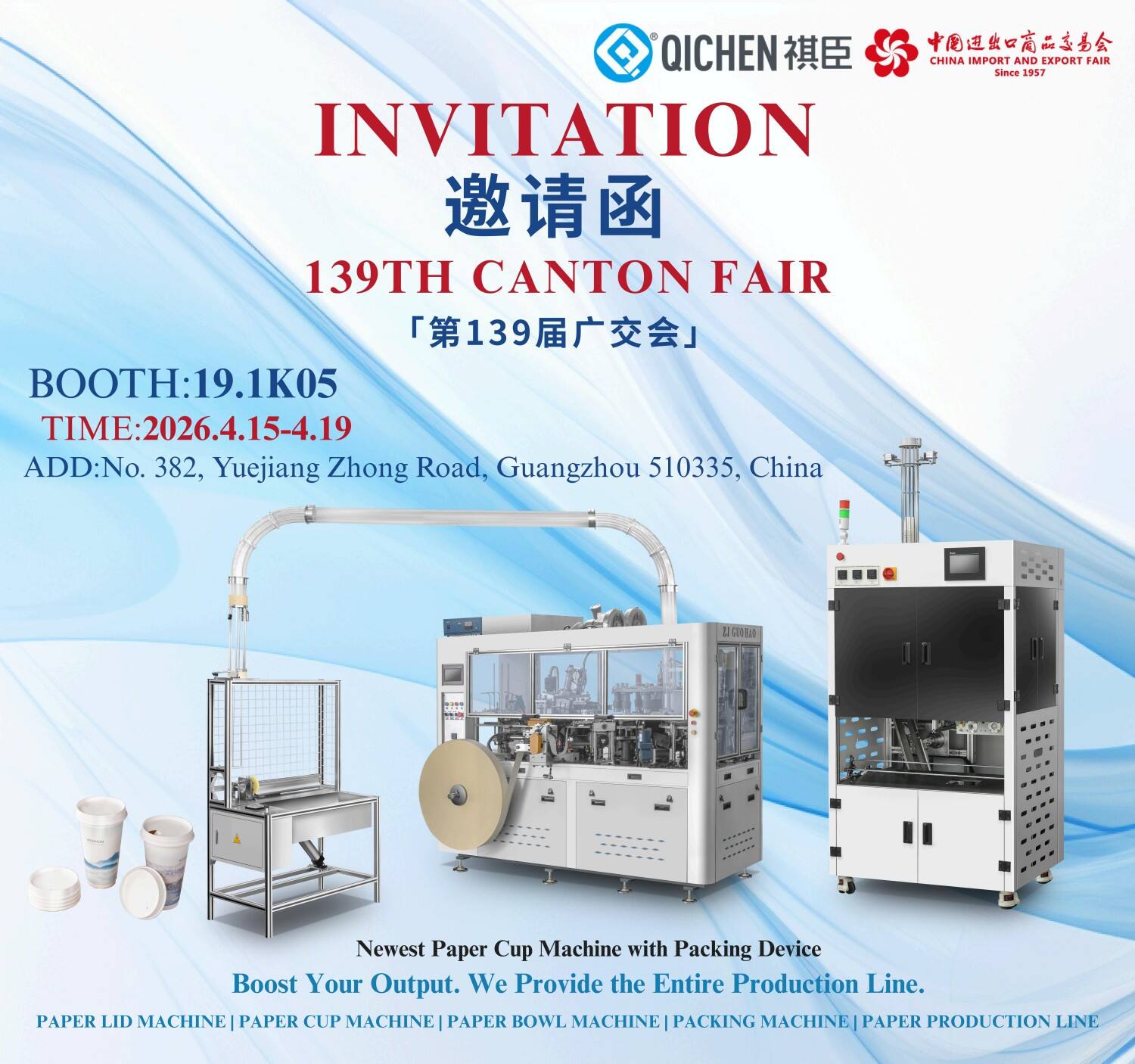
Our Company Exhibits New High-Speed Paper Cup Machine and Vertical Packaging Machine at the 139th Canton Fair

20

Apr

Our Company Exhibits New High-Speed Paper Cup Machine and Vertical Packaging Machine at the 139th Canton Fair

View More

Get a Free Quote

Our representative will contact you soon.
Email
Name
Company Name
Message
0/1000

paper cup production

Advanced Automated Manufacturing Systems

Advanced Automated Manufacturing Systems

Paper cup production utilizes cutting-edge automated manufacturing systems that revolutionize efficiency and quality control in the disposable container industry. These sophisticated production lines integrate multiple technological components working in seamless coordination to transform flat paper stock into finished cups with remarkable precision and speed. The automated systems begin with computerized unwinding mechanisms that feed paper rolls into the production line at precisely controlled tension and speed rates, ensuring consistent material flow without tears or wrinkles that could compromise final product quality. High-resolution optical sensors continuously monitor paper thickness and surface quality, automatically adjusting feed rates and tension parameters to accommodate minor variations in raw material properties. The forming process employs servo-controlled punching and cutting stations that create perfect cup blanks with tolerances measured in fractions of millimeters, ensuring uniform dimensions across thousands of units per hour. Ultrasonic welding technology creates seamless sidewall bonds without requiring adhesives or heat that might affect food safety, while maintaining structural integrity under various temperature and pressure conditions. These automated manufacturing systems incorporate predictive maintenance algorithms that monitor machine performance in real-time, identifying potential issues before they cause production disruptions or quality defects. The integration includes automated quality inspection stations using computer vision technology to detect surface imperfections, dimensional variations, and structural defects, automatically rejecting substandard products while maintaining production flow. Temperature and humidity control systems maintain optimal environmental conditions throughout the production process, preventing material degradation and ensuring consistent product characteristics. The automated systems also feature rapid changeover capabilities, allowing manufacturers to switch between different cup sizes, designs, and specifications within minutes rather than hours, maximizing production flexibility and responsiveness to customer demands. Advanced data collection and analysis capabilities provide comprehensive production metrics, enabling continuous process optimization and predictive quality management that reduces waste and improves overall equipment effectiveness.
Sustainable Raw Material Processing

Sustainable Raw Material Processing

Paper cup production emphasizes sustainable raw material processing that addresses environmental concerns while maintaining superior product performance and safety standards. The foundation of sustainable paper cup production begins with responsibly sourced virgin fiber and recycled paper content, carefully selected to meet stringent food-grade requirements while supporting forest conservation initiatives and circular economy principles. Advanced pulping and bleaching processes utilize chlorine-free technologies that eliminate harmful chemical residues while achieving the bright, clean appearance consumers expect from food service containers. The sustainable processing approach includes closed-loop water systems that recycle and purify process water, dramatically reducing freshwater consumption and eliminating contaminated discharge that could impact local ecosystems. Innovative coating technologies replace traditional petroleum-based polyethylene with plant-based barrier materials derived from renewable resources, creating cups that maintain liquid resistance while offering enhanced biodegradability and compostability characteristics. These sustainable coatings undergo rigorous testing to ensure they provide adequate moisture barriers for both hot and cold beverages while meeting international food safety standards for direct food contact applications. Energy-efficient processing equipment reduces the carbon footprint of paper cup production through optimized heating systems, variable-speed drives, and heat recovery mechanisms that capture and reuse thermal energy from various production stages. The sustainable raw material processing includes comprehensive quality control protocols that verify the absence of harmful substances, ensure consistent barrier performance, and confirm biodegradation rates under various environmental conditions. Waste minimization strategies integrate trim recycling systems that capture and reprocess paper waste generated during cup formation, converting potential waste streams into valuable raw material inputs. The sustainable approach extends to packaging materials, utilizing recyclable cardboard boxes and biodegradable protective films that maintain product integrity during storage and transportation while minimizing environmental impact. Supply chain sustainability encompasses partnership with certified paper suppliers who demonstrate responsible forest management practices and maintain chain-of-custody documentation throughout the material flow process.
Versatile Customization and Design Capabilities

Versatile Customization and Design Capabilities

Paper cup production offers exceptional versatility in customization and design capabilities that enable businesses to create distinctive branded products while meeting specific functional requirements across diverse market segments. The customization process begins with advanced digital printing technologies that deliver high-resolution graphics, vibrant colors, and intricate designs directly onto cup surfaces with remarkable clarity and durability. These printing systems accommodate both small batch custom orders and large volume production runs, providing cost-effective solutions for businesses of all sizes seeking branded promotional materials or specialized product identification. The design capabilities extend beyond simple logo placement to include full-wrap graphics, gradient color schemes, textural effects, and even interactive elements such as QR codes or augmented reality markers that enhance customer engagement and brand interaction. Specialized coating applications allow for unique surface treatments including matte finishes, glossy accents, textured grips, and temperature-sensitive inks that change color when exposed to hot beverages, creating memorable customer experiences that differentiate products in competitive markets. Size customization options range from small sampling cups to large beverage containers, with precise volume controls that meet specific portion requirements for healthcare facilities, educational institutions, and food service operations. The production flexibility includes various rim styles, bottom configurations, and sidewall designs that optimize functionality for different beverage types and consumption scenarios. Advanced embossing and debossing techniques create raised or recessed design elements that enhance visual appeal while providing tactile branding experiences that reinforce brand recognition through multiple sensory channels. Color matching capabilities ensure consistent brand representation across different production runs, utilizing spectrophotometric analysis and computerized color management systems that maintain precise color accuracy within tight tolerances. The customization extends to functional modifications including double-wall construction for enhanced insulation, specialized lids compatibility, and modified rim designs that improve drinking comfort and spill resistance. Quality assurance protocols verify that all customization elements maintain their integrity throughout the product lifecycle, including resistance to fading, scratching, and delamination under normal use conditions, ensuring that branded elements remain vibrant and professional throughout the customer experience.

Get a Free Quote

Our representative will contact you soon.
Email
Name
Company Name
Message
0/1000