paper cup packing machine price
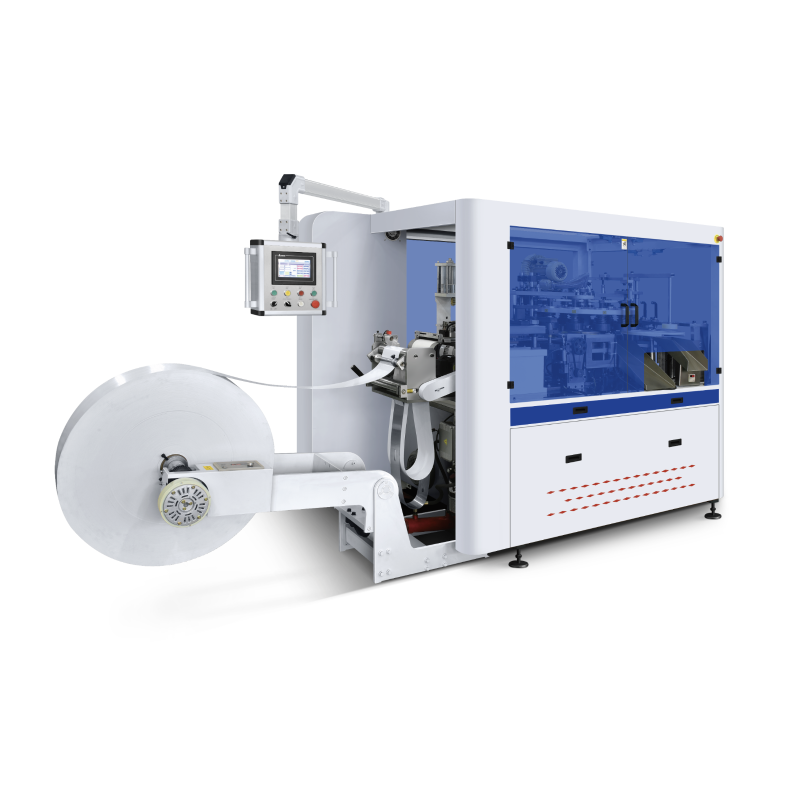
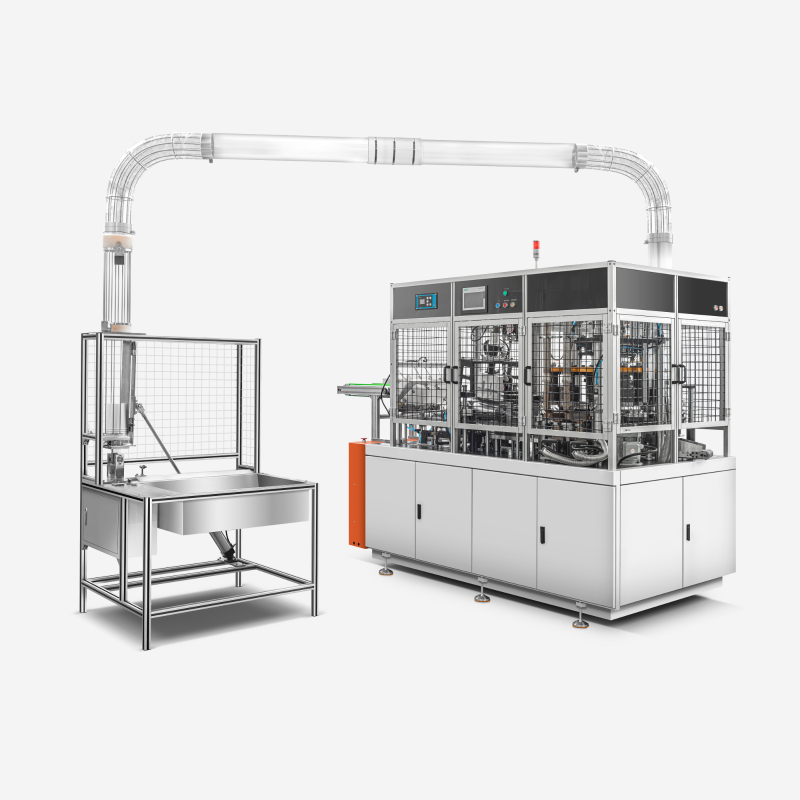
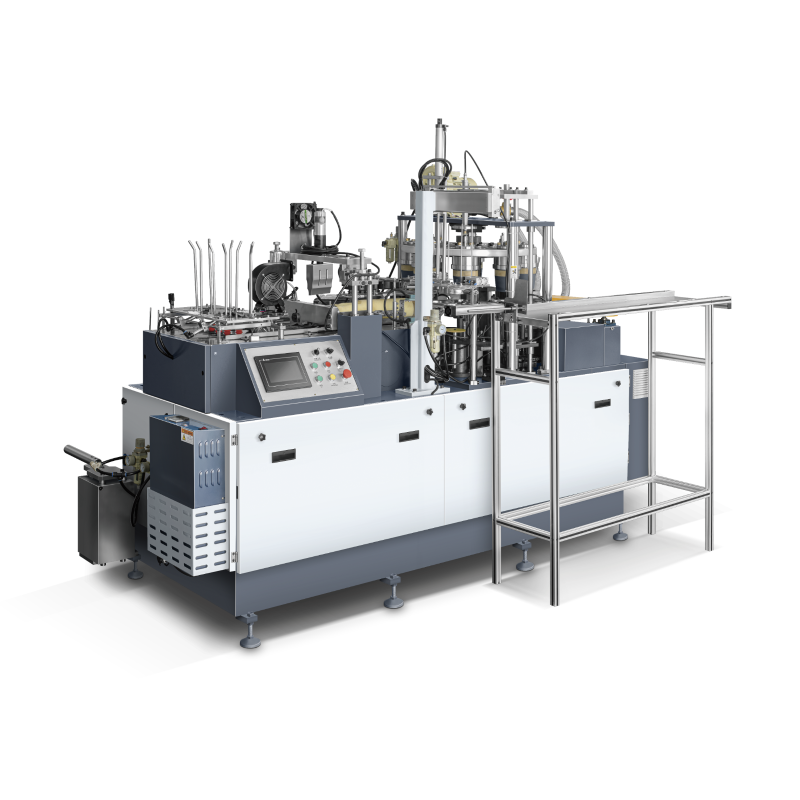
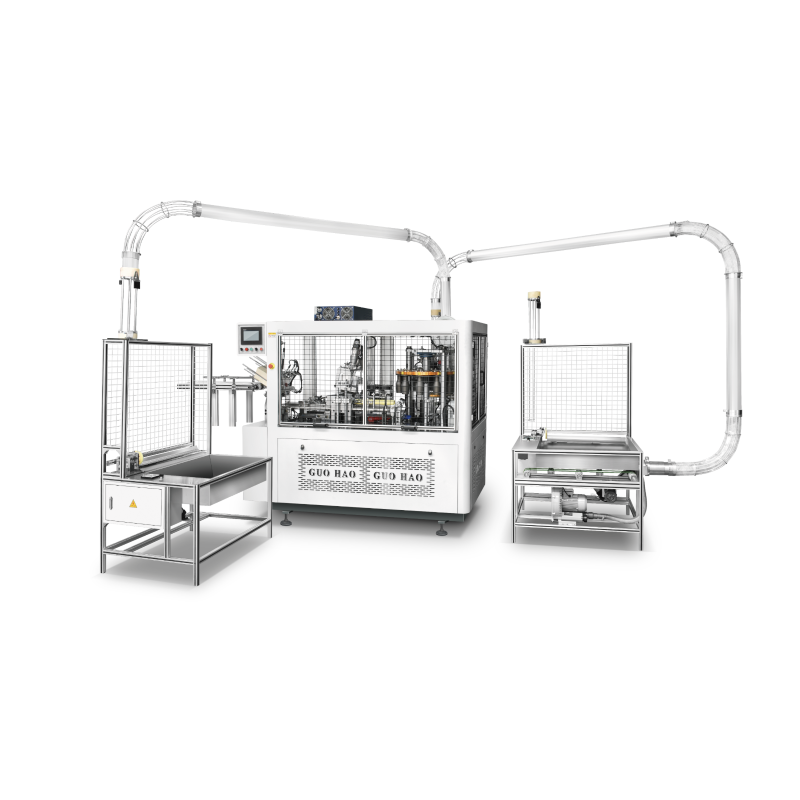
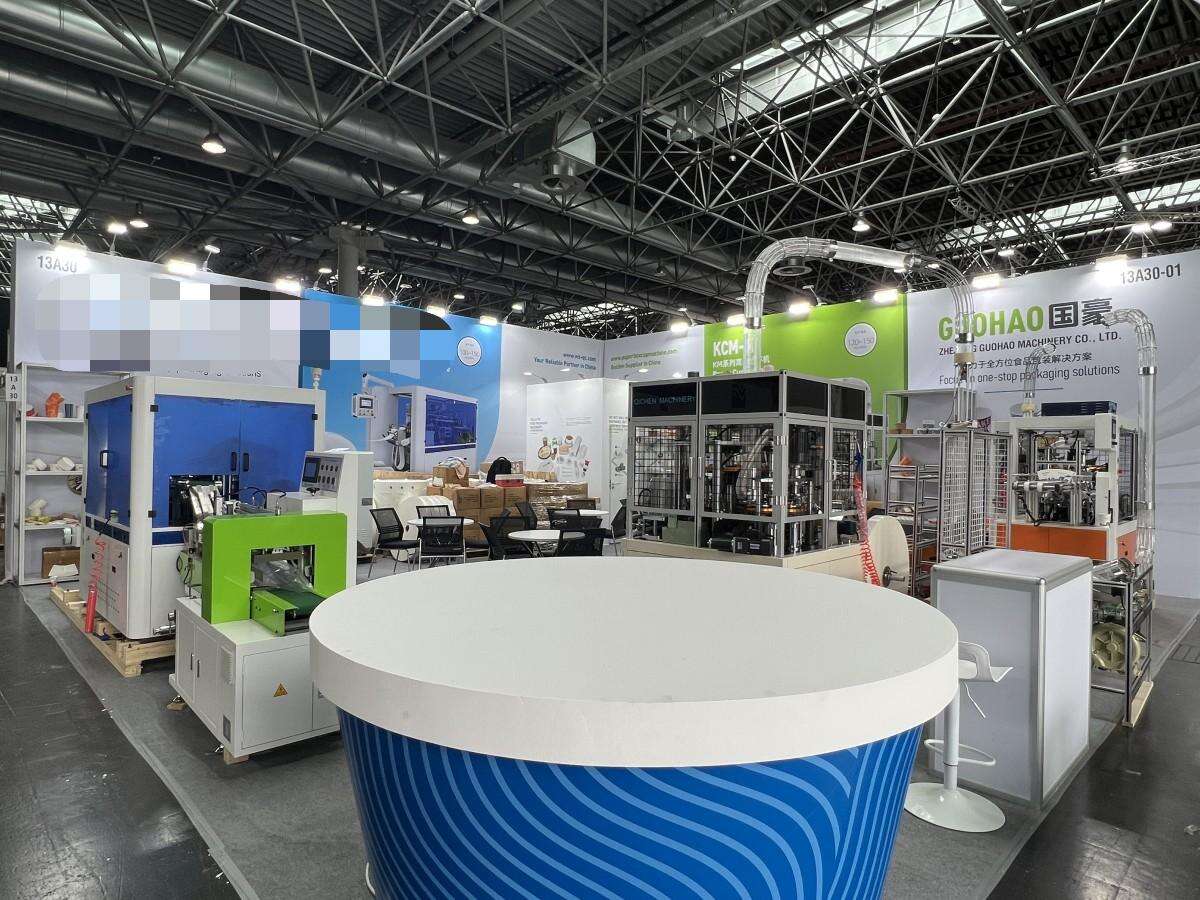
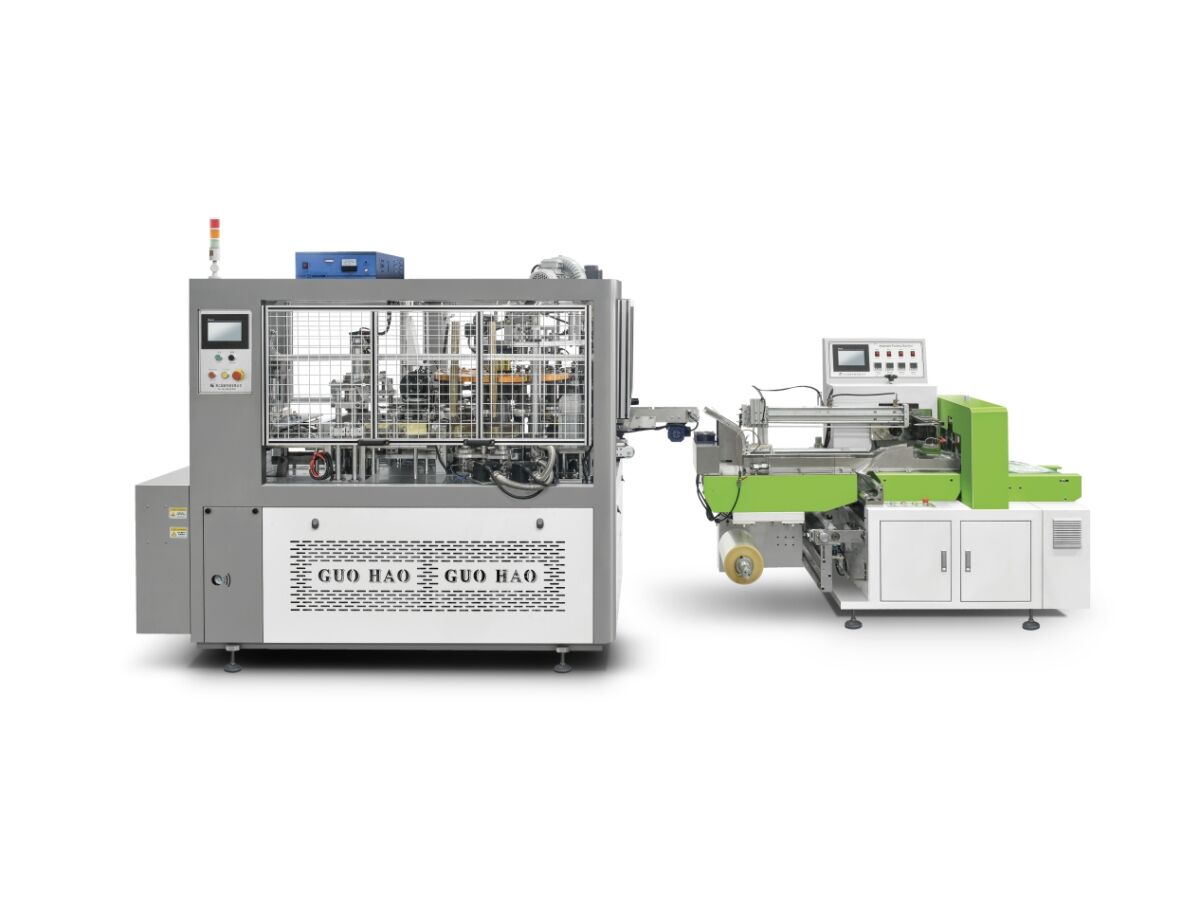
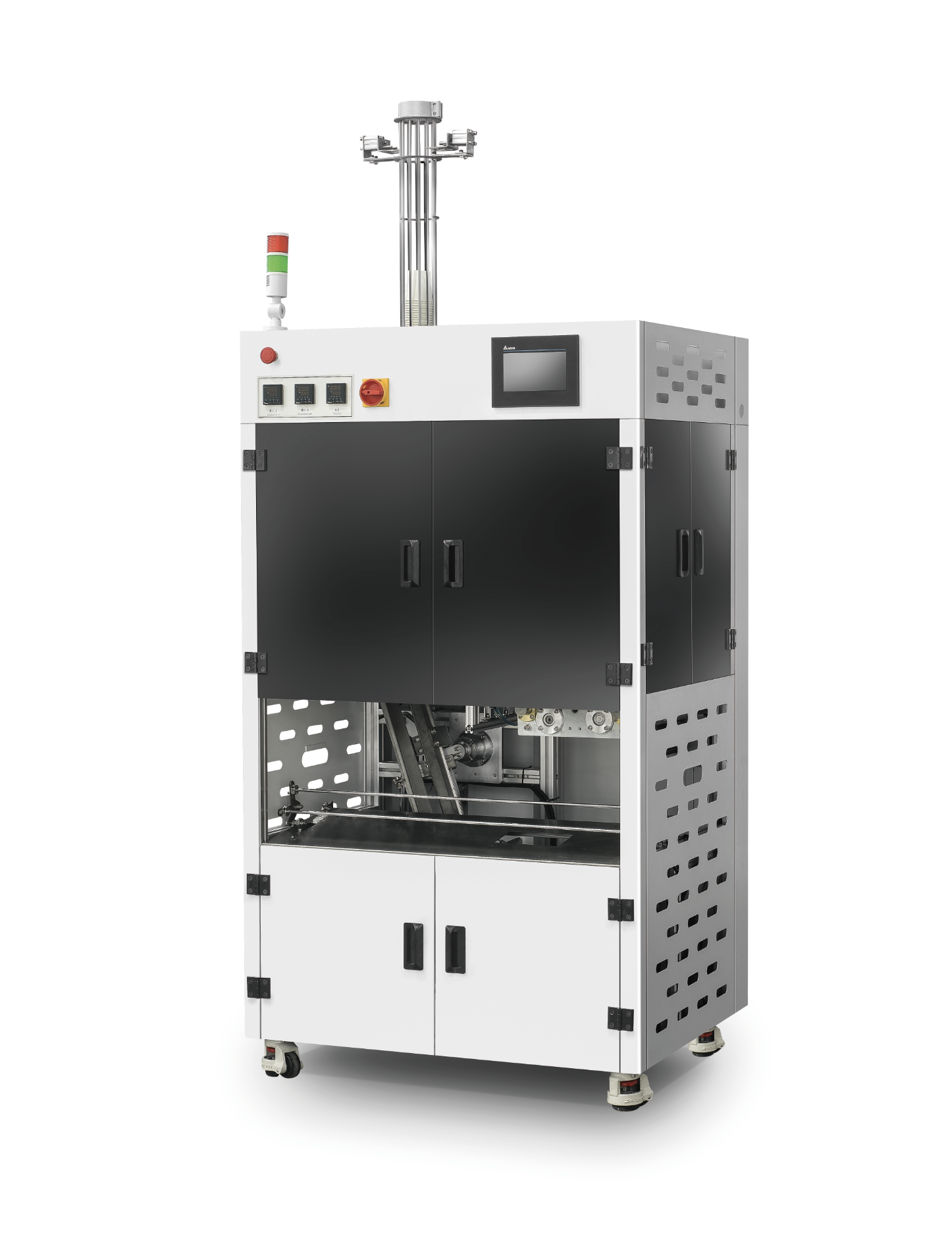
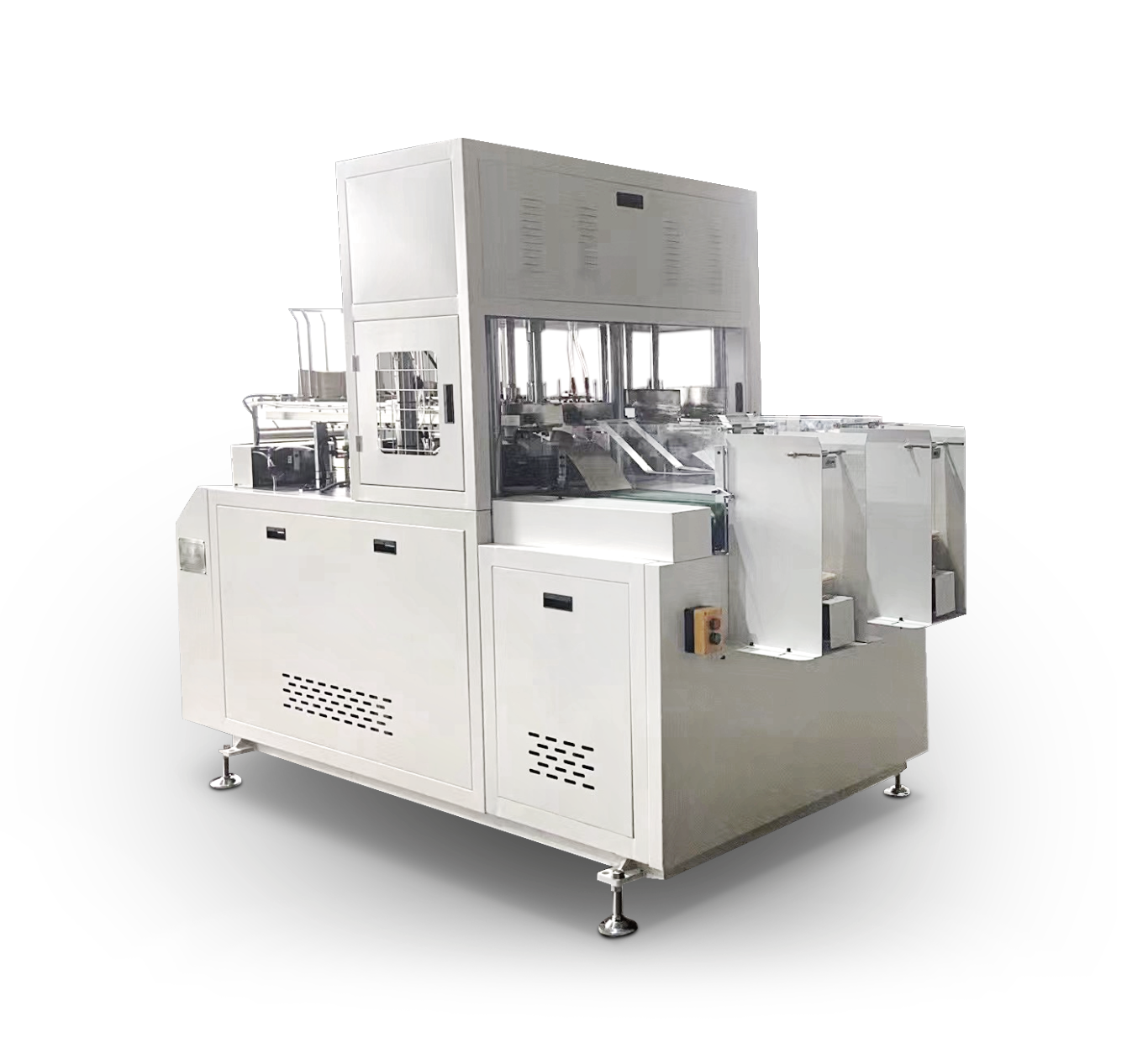
Paper cup packing machine price represents a crucial investment consideration for businesses seeking efficient packaging solutions in the food service and beverage industry. These sophisticated automated systems are designed to streamline the packaging process of disposable paper cups, offering comprehensive functionality that transforms manual labor into mechanized precision. The paper cup packing machine price varies significantly based on technological specifications, production capacity, and advanced features integrated into each unit. Modern paper cup packing machines incorporate cutting-edge technology including automated feeding systems, precise counting mechanisms, heat sealing capabilities, and quality control sensors that ensure consistent packaging standards. The primary functions of these machines encompass automatic cup feeding, accurate quantity counting, protective wrapping, heat sealing, and systematic stacking of finished packages. Advanced models feature touchscreen control panels, programmable settings for different cup sizes, and integrated safety systems that minimize operational risks. The technological features driving paper cup packing machine price include servo motor systems for precise movement control, PLC programming for automated sequences, photocell sensors for accurate detection, and stainless steel construction ensuring durability and hygiene compliance. Applications span across various industries including restaurants, coffee shops, catering services, institutional food service, and manufacturing facilities producing disposable tableware. The paper cup packing machine price reflects the sophisticated engineering required to handle different cup materials, sizes ranging from small espresso cups to large beverage containers, and varying packaging requirements. These machines significantly reduce labor costs while improving packaging consistency, product protection, and operational efficiency. Investment in paper cup packing machine price consideration should evaluate long-term benefits including reduced manual labor, improved packaging quality, enhanced productivity, and compliance with food safety regulations that modern businesses require for competitive market positioning.
 ×


 EN