Flexographic Printing Press Solutions: Advanced Technology for High-Quality, High-Volume Printing

Get a Free Quote

Our representative will contact you soon.
Email
Name
Company Name
Message
0/1000

flexographic printing press

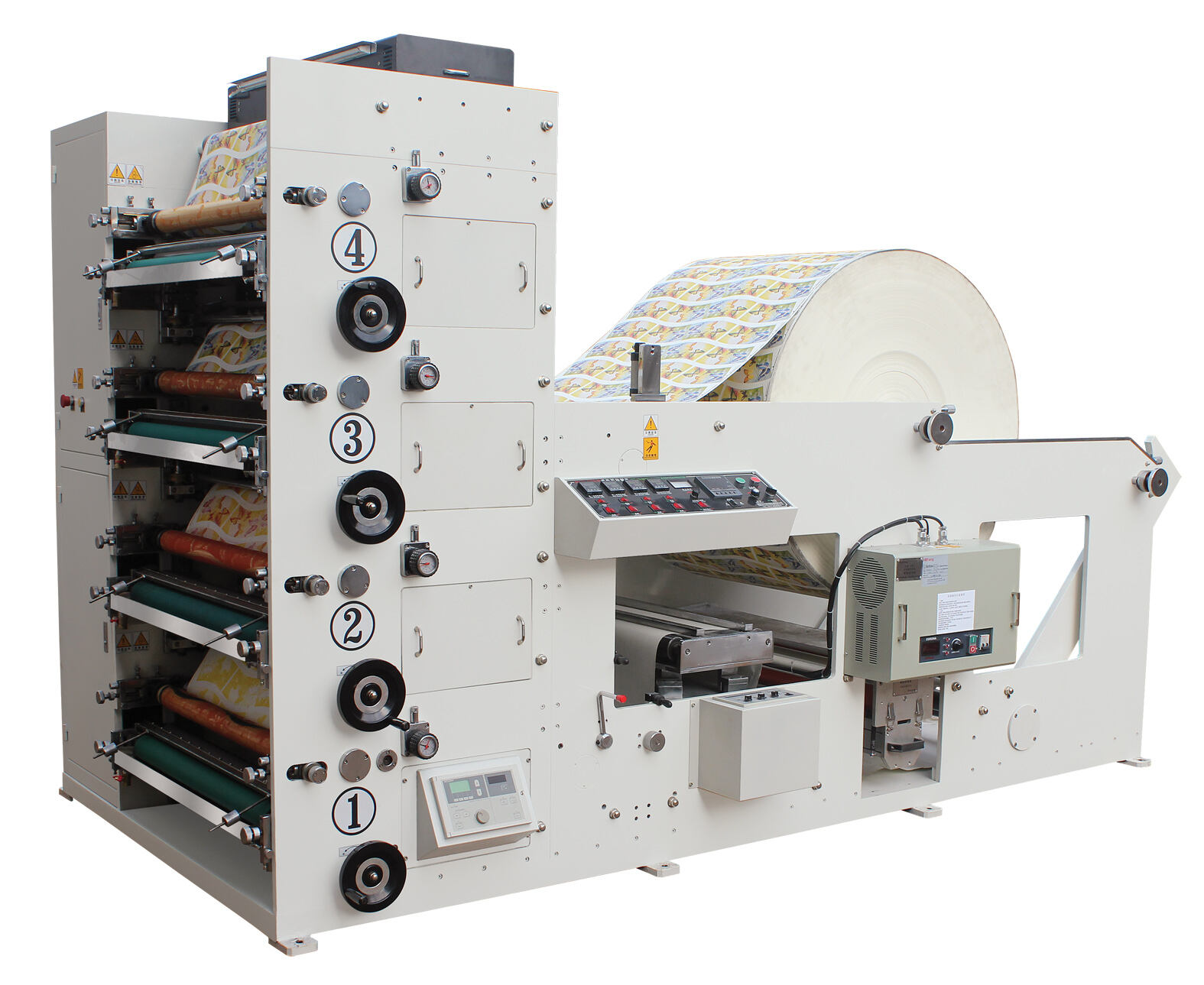
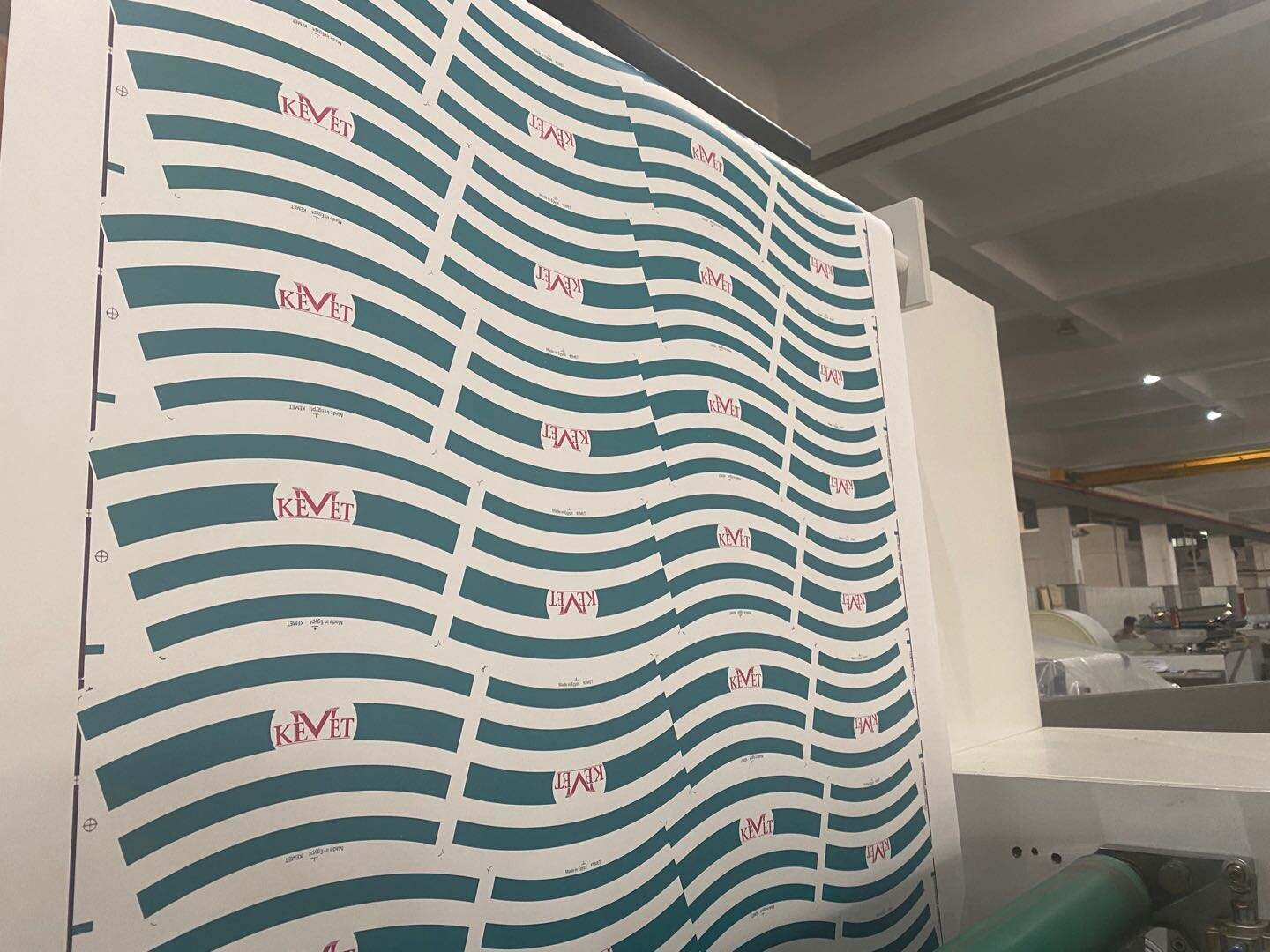
The flexographic printing press stands as one of the most versatile and efficient printing technologies in modern manufacturing. This sophisticated printing system utilizes flexible relief plates, typically made from photopolymer materials, mounted on rotating cylinders to transfer ink onto various substrates. The flexographic printing press operates through a unique anilox roller system that precisely controls ink application, ensuring consistent color reproduction and superior print quality across extensive production runs. The fundamental design incorporates multiple printing stations, each dedicated to specific colors, allowing for vibrant multi-color printing capabilities. Central to its operation, the flexographic printing press employs water-based, solvent-based, or UV-curable inks that adhere excellently to diverse materials including paper, cardboard, plastic films, labels, and flexible packaging materials. The press features advanced registration systems that maintain precise alignment between colors, preventing misregistration issues common in other printing methods. Modern flexographic printing press models integrate digital controls and automated features that streamline operations while reducing waste and setup times. The technology excels in producing high-volume orders with remarkable speed, often reaching printing speeds exceeding 1000 feet per minute. Quality control mechanisms within the flexographic printing press include tension control systems, web cleaning stations, and inline inspection capabilities that ensure consistent output quality. The modular design of contemporary flexographic printing press systems allows for easy customization and expansion, accommodating various substrate widths and printing requirements. Environmental considerations have driven innovations in flexographic printing press technology, with manufacturers developing eco-friendly ink systems and reduced volatile organic compound emissions. The press typically includes unwinding and rewinding systems, corona treatment stations for improved ink adhesion, and sophisticated drying systems that cure inks rapidly without compromising substrate integrity.

New Products

The flexographic printing press delivers exceptional cost-effectiveness for businesses seeking high-volume printing solutions. Companies benefit from significantly lower per-unit costs when producing large quantities, making this technology ideal for packaging manufacturers, label producers, and commercial printers handling substantial orders. The flexographic printing press reduces waste through precise ink metering systems that minimize overuse of materials, directly impacting operational expenses and environmental sustainability. Setup times remain remarkably short compared to traditional printing methods, allowing businesses to switch between jobs quickly and maximize productive hours. Production speeds achieved by modern flexographic printing press systems enable rapid turnaround times, helping companies meet tight deadlines and satisfy demanding customer requirements. The versatility of substrate compatibility gives businesses tremendous flexibility in material selection, from thin films to thick cardboards, expanding market opportunities and service offerings. Quality consistency represents another major advantage, as the flexographic printing press maintains uniform color reproduction and print clarity throughout extended production runs, eliminating the variation issues that plague other printing technologies. Maintenance requirements stay minimal due to the robust design and fewer moving parts compared to complex printing systems, reducing downtime and service costs. The flexographic printing press accommodates various ink formulations, including food-safe options for packaging applications, expanding business potential into regulated industries. Operator training proves straightforward, reducing labor costs and enabling quick staff development for growing businesses. Environmental benefits include reduced energy consumption, lower emissions, and compatibility with eco-friendly ink systems, helping companies meet sustainability goals while maintaining profitability. Scalability features allow businesses to expand capabilities by adding printing stations or upgrading components without complete system replacement. The flexographic printing press supports inline finishing operations such as die-cutting, laminating, and coating, creating comprehensive production solutions that eliminate multiple handling steps. Inventory management improves through shorter lead times and smaller minimum order quantities, reducing storage costs and improving cash flow. Customer satisfaction increases due to consistent quality output, vibrant colors, and reliable delivery schedules made possible by the efficient flexographic printing press operation.

Practical Tips

Wenzhou Qichen: Shone at Drupa 2024, Forging a New Path for Paper Product Equipment

20

Apr

Wenzhou Qichen: Shone at Drupa 2024, Forging a New Path for Paper Product Equipment

View More
Wenzhou Qichen: Debuted New PL06 Paper Lid Machine at China Print 2025

20

Apr

Wenzhou Qichen: Debuted New PL06 Paper Lid Machine at China Print 2025

View More
Our Company Exhibits New High-Speed Paper Cup Machine and Vertical Packaging Machine at the 139th Canton Fair

20

Apr

Our Company Exhibits New High-Speed Paper Cup Machine and Vertical Packaging Machine at the 139th Canton Fair

View More

Get a Free Quote

Our representative will contact you soon.
Email
Name
Company Name
Message
0/1000

flexographic printing press

Superior Print Quality and Color Reproduction

Superior Print Quality and Color Reproduction

The flexographic printing press achieves outstanding print quality through its advanced anilox roller technology and precise ink transfer mechanisms. This sophisticated system controls ink thickness with remarkable accuracy, ensuring consistent color density and uniform coverage across entire print runs. The flexographic printing press utilizes specially engineered anilox rollers with microscopic cells that meter exact amounts of ink, eliminating the streaking and uneven coverage common in other printing methods. Modern photopolymer plates used in flexographic printing press operations provide exceptional detail reproduction, capturing fine text, intricate graphics, and smooth gradations with impressive clarity. The technology excels in producing vibrant, saturated colors that remain stable throughout production, meeting the demanding requirements of brand-conscious customers who require consistent visual impact. Registration accuracy represents another quality advantage, as advanced flexographic printing press systems maintain precise color-to-color alignment within tolerances measured in thousandths of an inch. This precision ensures sharp, professional-looking output free from the color fringing and misalignment issues that compromise print quality in less sophisticated systems. The flexographic printing press accommodates various screening techniques, including traditional amplitude modulation and advanced frequency modulation screening, enabling optimal image reproduction for different applications. Ink adhesion properties benefit from corona treatment systems integrated into flexographic printing press configurations, ensuring excellent bonding between inks and substrates for durability and resistance to handling. Quality control features built into modern flexographic printing press designs include automatic color monitoring, density measurement, and real-time adjustment capabilities that maintain consistency without operator intervention. The technology supports specialty ink applications such as metallic effects, fluorescent colors, and security features, expanding creative possibilities while maintaining the reliable quality standards expected from professional flexographic printing press operations.
Exceptional Versatility and Substrate Compatibility

Exceptional Versatility and Substrate Compatibility

The flexographic printing press demonstrates unmatched versatility in handling diverse substrate materials, making it the preferred choice for manufacturers serving multiple markets and applications. This remarkable adaptability stems from the flexible nature of the printing plates and the adjustable pressure systems that accommodate materials ranging from ultra-thin films to thick corrugated boards. The flexographic printing press processes paper products with exceptional results, from lightweight tissues to heavy cardboards, maintaining consistent print quality across the entire weight spectrum. Plastic substrates present no challenges for modern flexographic printing press systems, which excel in printing on polyethylene, polypropylene, polyester, and other synthetic materials commonly used in packaging applications. The technology handles flexible packaging materials with particular expertise, conforming to irregular surfaces and maintaining adhesion on materials that challenge other printing methods. Non-absorbent substrates such as foils and metallized films respond excellently to flexographic printing press processing, thanks to specialized ink formulations and drying systems designed for these challenging materials. The flexographic printing press adapts to various substrate thicknesses without compromising quality, automatically adjusting pressure and speed parameters to maintain optimal printing conditions. Web widths accommodate diverse product requirements, with flexographic printing press systems available in configurations from narrow web applications for labels to wide web systems for large packaging materials. Temperature sensitivity presents no limitations, as the flexographic printing press operates with controlled heat input that prevents substrate distortion while ensuring proper ink curing. The technology supports inline coating applications, allowing the flexographic printing press to apply protective varnishes, adhesives, and functional coatings in single-pass operations. Specialty substrates such as corrugated materials, textiles, and even some metal foils can be processed effectively, demonstrating the exceptional range of the flexographic printing press capabilities. This versatility eliminates the need for multiple printing technologies, reducing equipment investments and simplifying workflow management while expanding service offerings and market opportunities.
High-Speed Production and Operational Efficiency

High-Speed Production and Operational Efficiency

The flexographic printing press revolutionizes production efficiency through its capability to operate at exceptional speeds while maintaining consistent quality standards. Modern flexographic printing press systems achieve linear speeds exceeding 1500 feet per minute, dramatically outpacing traditional printing methods and enabling rapid completion of high-volume orders. This speed advantage translates directly into improved profitability, as businesses can process more jobs within standard operating hours and respond quickly to urgent customer requirements. The flexographic printing press minimizes setup and changeover times through automated features such as preset positioning, computerized registration, and quick-change plate mounting systems. These efficiency enhancements reduce non-productive time between jobs, maximizing equipment utilization and improving return on investment. Automated tension control systems within the flexographic printing press maintain optimal substrate handling throughout the production run, preventing waste from breaks or wrinkles while ensuring consistent print registration. The technology incorporates sophisticated web inspection systems that detect defects in real-time, automatically adjusting parameters or alerting operators to maintain quality standards without interrupting production flow. Energy efficiency represents another operational advantage, as the flexographic printing press consumes less power per impression compared to alternative printing technologies, reducing operating costs and environmental impact. Ink usage optimization through precise metering systems minimizes waste while ensuring adequate coverage, contributing to both cost savings and environmental responsibility. The flexographic printing press supports continuous operation through features such as automatic splice systems for substrate changes and flying plate changes that eliminate stops for routine maintenance. Predictive maintenance capabilities built into modern flexographic printing press systems monitor component wear and performance, scheduling service interventions during planned downtime rather than experiencing unexpected failures. Integration capabilities allow the flexographic printing press to connect with upstream and downstream equipment, creating seamless production lines that eliminate handling steps and reduce labor requirements. Remote monitoring and diagnostic features enable expert support and troubleshooting without on-site visits, minimizing downtime and ensuring optimal flexographic printing press performance throughout its operational life.

Get a Free Quote

Our representative will contact you soon.
Email
Name
Company Name
Message
0/1000