Advanced Flexible Packaging Machines: Comprehensive Technology Solutions for Modern Manufacturing

Get a Free Quote

Our representative will contact you soon.
Email
Name
Company Name
Message
0/1000

flexible packaging machines

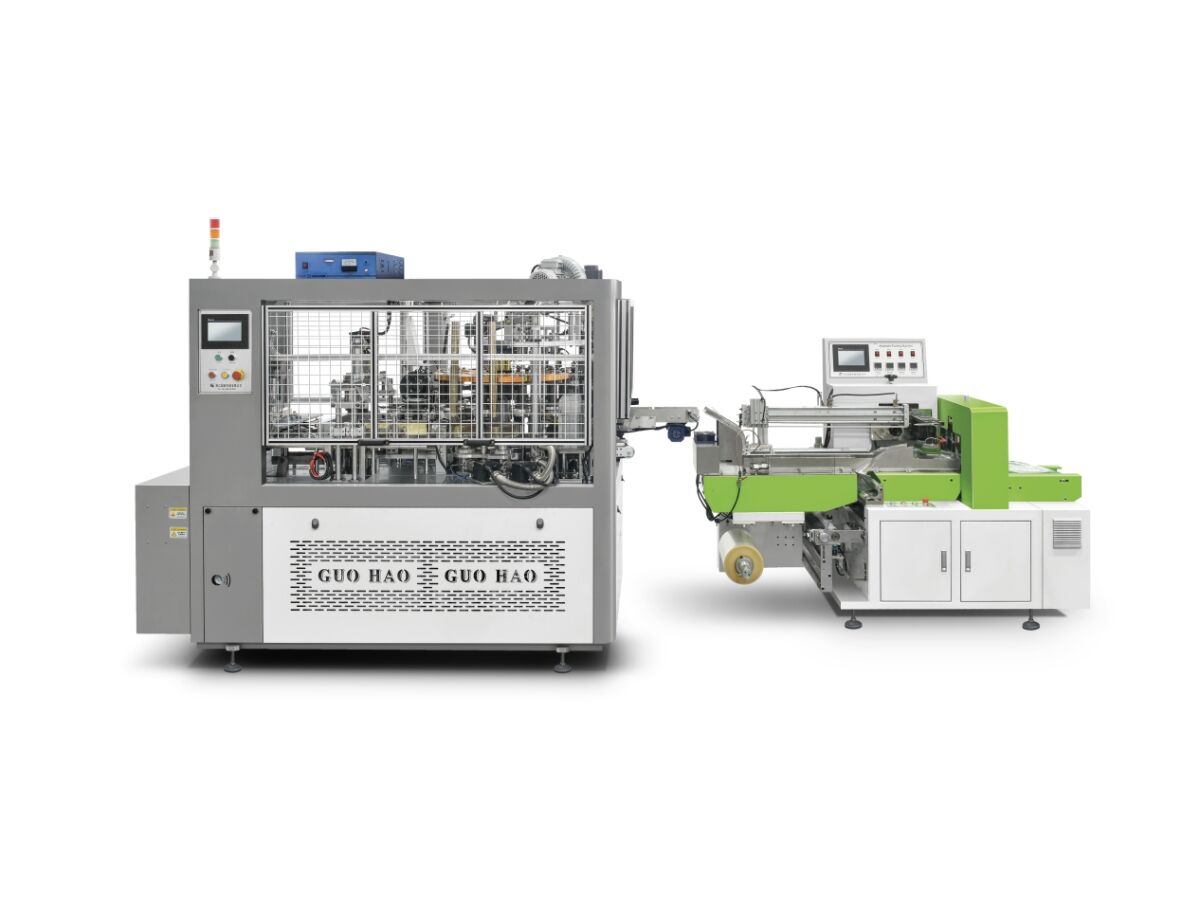
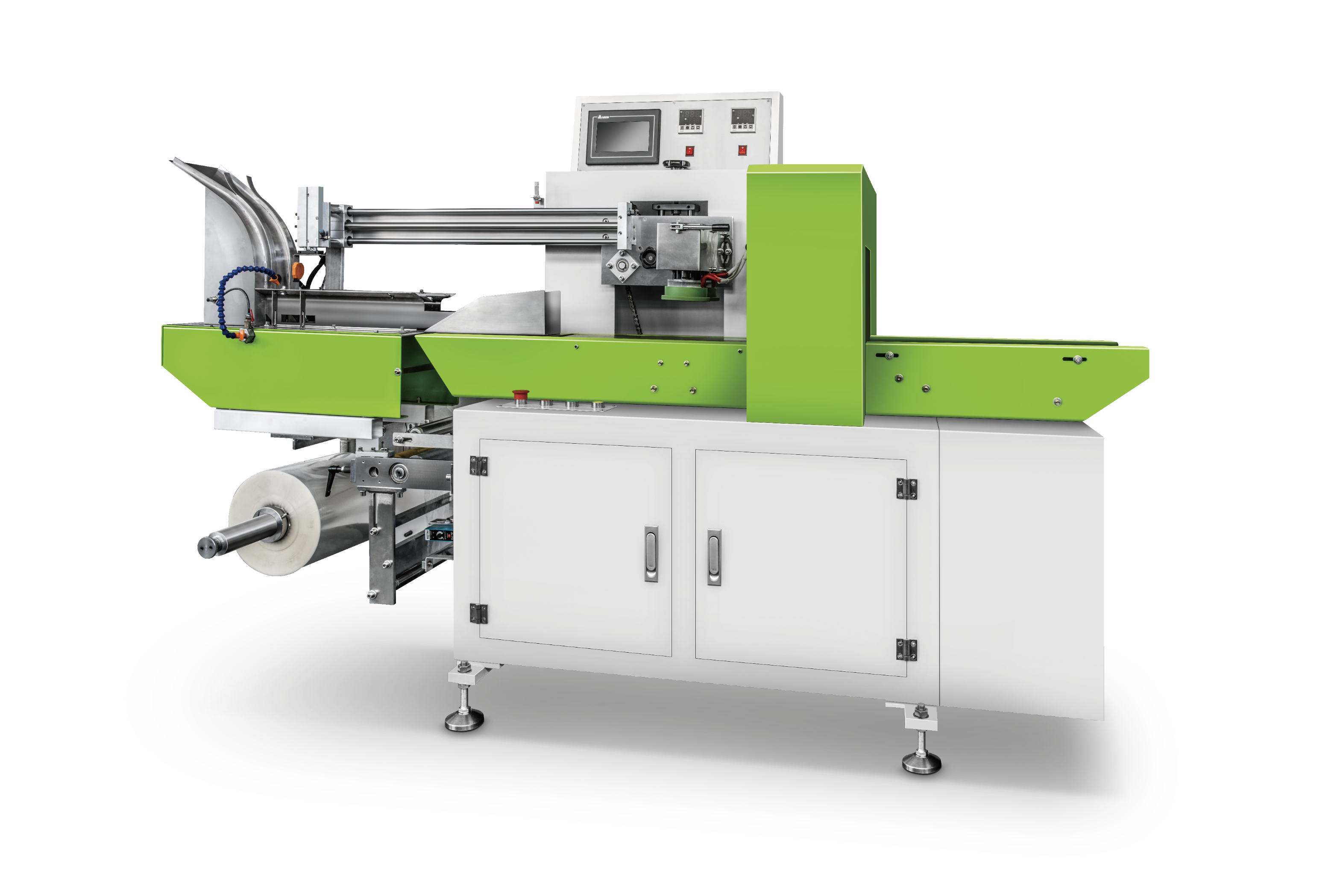
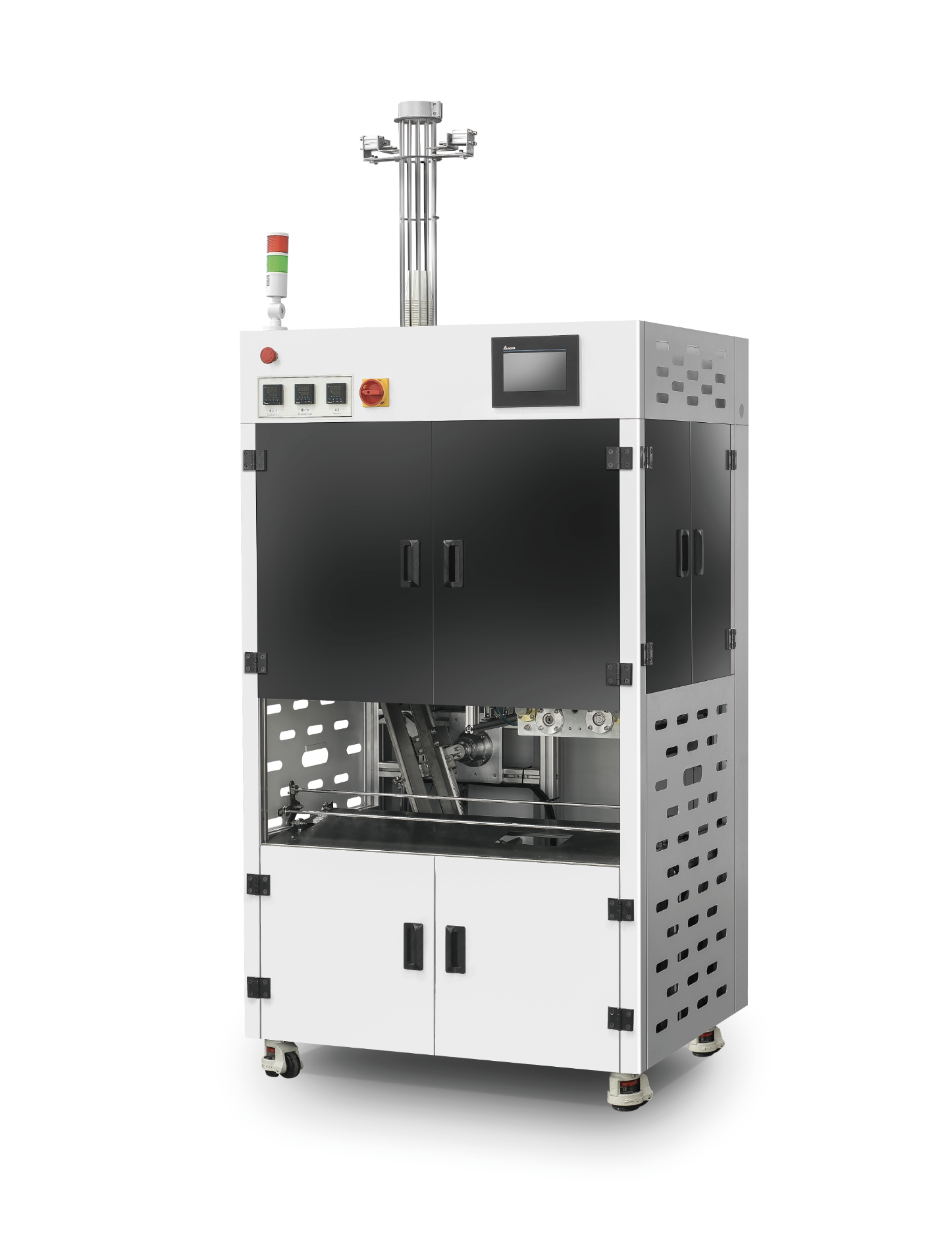
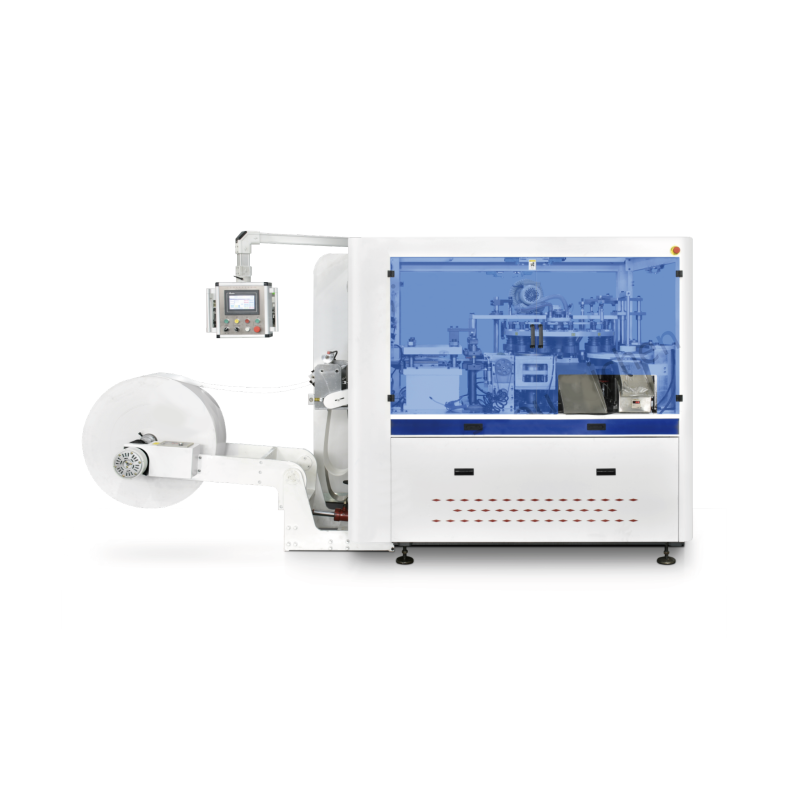
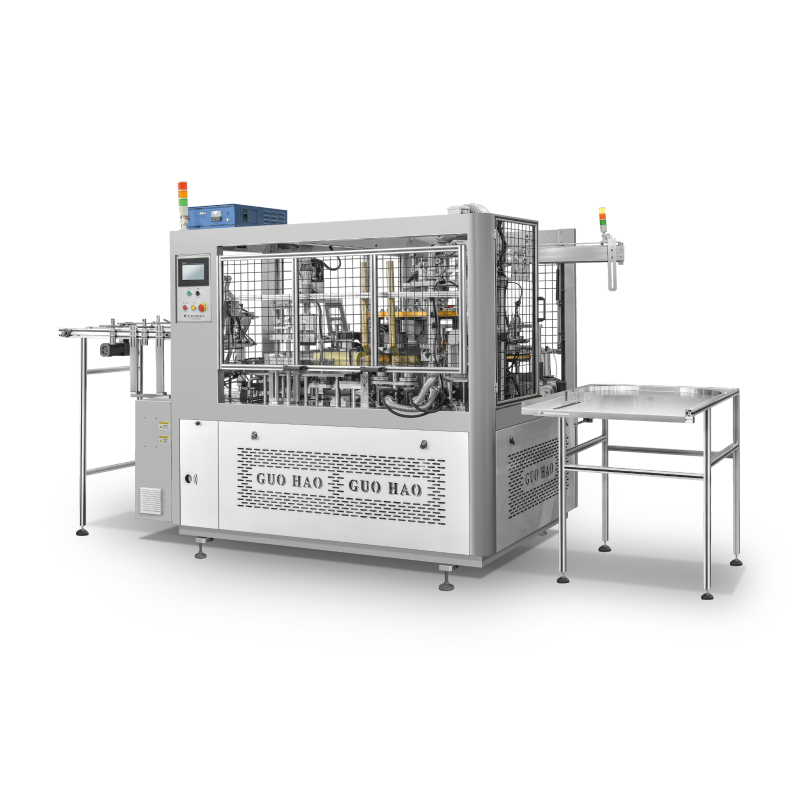
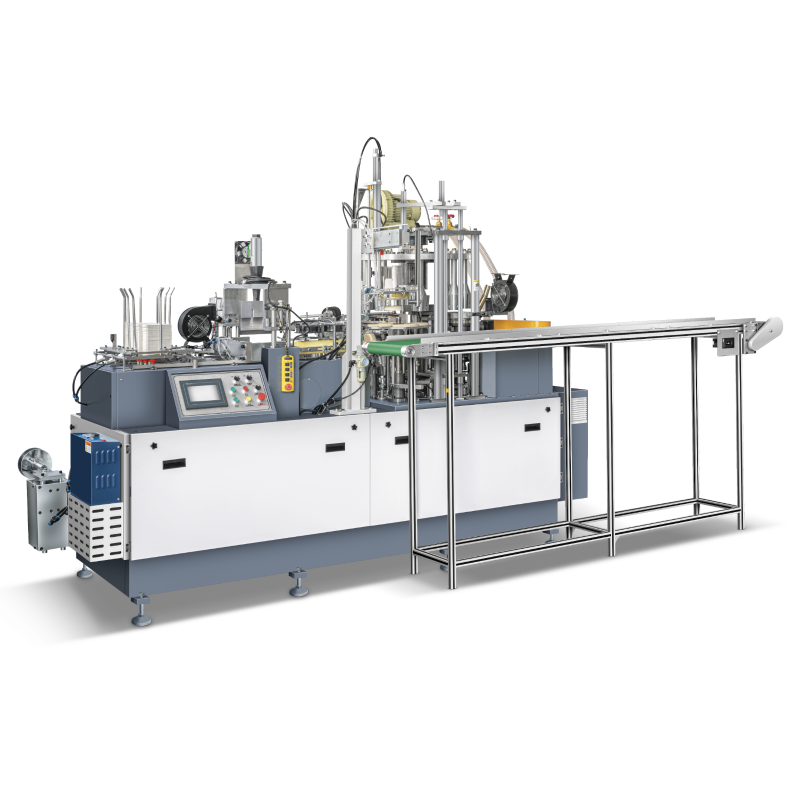
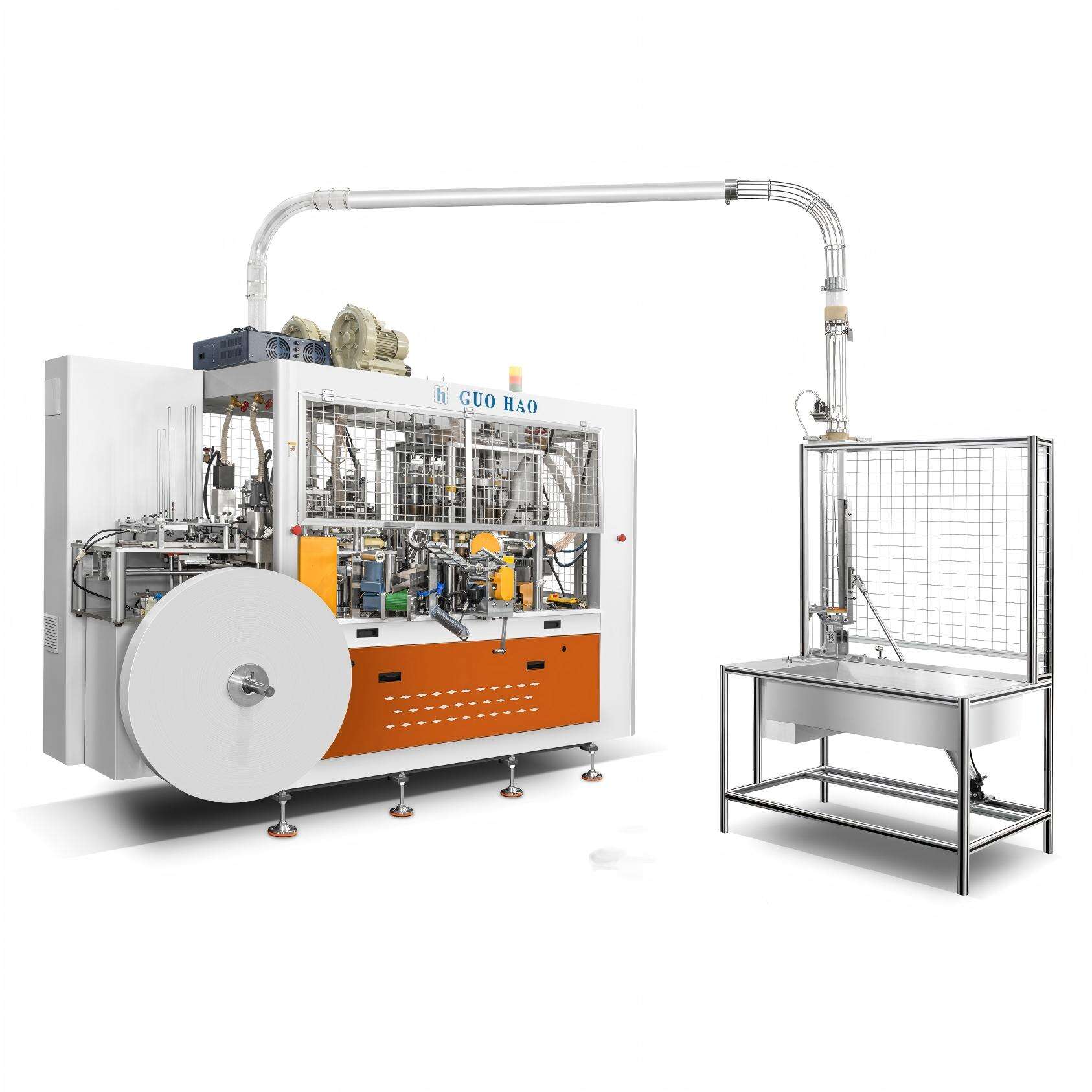
Flexible packaging machines represent a revolutionary advancement in modern packaging technology, designed to handle diverse materials and create various packaging formats with remarkable efficiency. These sophisticated systems serve as the backbone of contemporary packaging operations, offering manufacturers the capability to produce everything from simple pouches to complex multi-layered packages. The core functionality of flexible packaging machines centers around their ability to form, fill, and seal packages using flexible materials such as plastic films, laminates, and foil combinations. These machines integrate multiple processes seamlessly, including material unwinding, printing, laminating, cutting, and sealing operations. Advanced flexible packaging machines incorporate servo-driven technology that ensures precise control over every aspect of the packaging process, from material tension to sealing temperature and pressure. The technological features of these systems include programmable logic controllers that allow operators to customize settings for different products and package specifications. Modern flexible packaging machines utilize sophisticated sensors and monitoring systems that continuously track production parameters, ensuring consistent quality and reducing waste. Many units feature quick-changeover capabilities that enable manufacturers to switch between different product lines efficiently, minimizing downtime and maximizing productivity. The applications for flexible packaging machines span numerous industries including food and beverage, pharmaceuticals, cosmetics, chemicals, and consumer goods. In the food sector, these machines create packages for snacks, frozen foods, beverages, and fresh produce, often incorporating barrier properties that extend shelf life and maintain product quality. Pharmaceutical applications require precise dosing and sterile packaging environments, which modern flexible packaging machines accommodate through specialized designs and materials. The versatility of flexible packaging machines makes them indispensable for businesses seeking to optimize their packaging operations while maintaining flexibility to adapt to changing market demands and consumer preferences.

New Product Recommendations

Flexible packaging machines deliver significant cost savings through reduced material usage and enhanced operational efficiency. These systems utilize thin, lightweight materials that require less storage space and transportation costs compared to rigid packaging alternatives. Manufacturers can achieve up to 60 percent reduction in packaging material costs while maintaining superior product protection and visual appeal. The energy efficiency of flexible packaging machines translates to lower operational expenses, as these systems typically consume 40 percent less energy than traditional rigid packaging equipment. Production speed represents another major advantage, with modern flexible packaging machines capable of producing thousands of packages per hour while maintaining consistent quality standards. This high throughput capability enables businesses to meet demanding production schedules and respond quickly to market fluctuations. The versatility of flexible packaging machines allows manufacturers to produce multiple package formats using a single machine, eliminating the need for separate equipment for different products. This multi-format capability reduces capital investment requirements and simplifies inventory management for spare parts and consumables. Quality control features integrated into flexible packaging machines ensure consistent seal integrity, proper fill levels, and accurate labeling, reducing product recalls and customer complaints. The compact footprint of these machines optimizes factory floor utilization, allowing manufacturers to install more production capacity in limited space. Maintenance requirements for flexible packaging machines are typically lower than rigid packaging systems, thanks to simplified mechanical designs and fewer moving parts. The automated nature of these machines reduces labor costs and minimizes human error, while safety features protect operators and ensure compliance with workplace regulations. Flexible packaging machines also support sustainability initiatives through reduced material waste, recyclable packaging options, and energy-efficient operations. The quick-changeover capabilities enable manufacturers to respond rapidly to seasonal demands, new product launches, and custom packaging requirements without significant setup times or material waste. Integration capabilities allow flexible packaging machines to connect seamlessly with existing production lines, inventory management systems, and quality control equipment, creating comprehensive packaging solutions that enhance overall operational efficiency.

Tips And Tricks

Wenzhou Qichen: Shone at Drupa 2024, Forging a New Path for Paper Product Equipment

20

Apr

Wenzhou Qichen: Shone at Drupa 2024, Forging a New Path for Paper Product Equipment

View More
Wenzhou Qichen: Debuted New PL06 Paper Lid Machine at China Print 2025

20

Apr

Wenzhou Qichen: Debuted New PL06 Paper Lid Machine at China Print 2025

View More
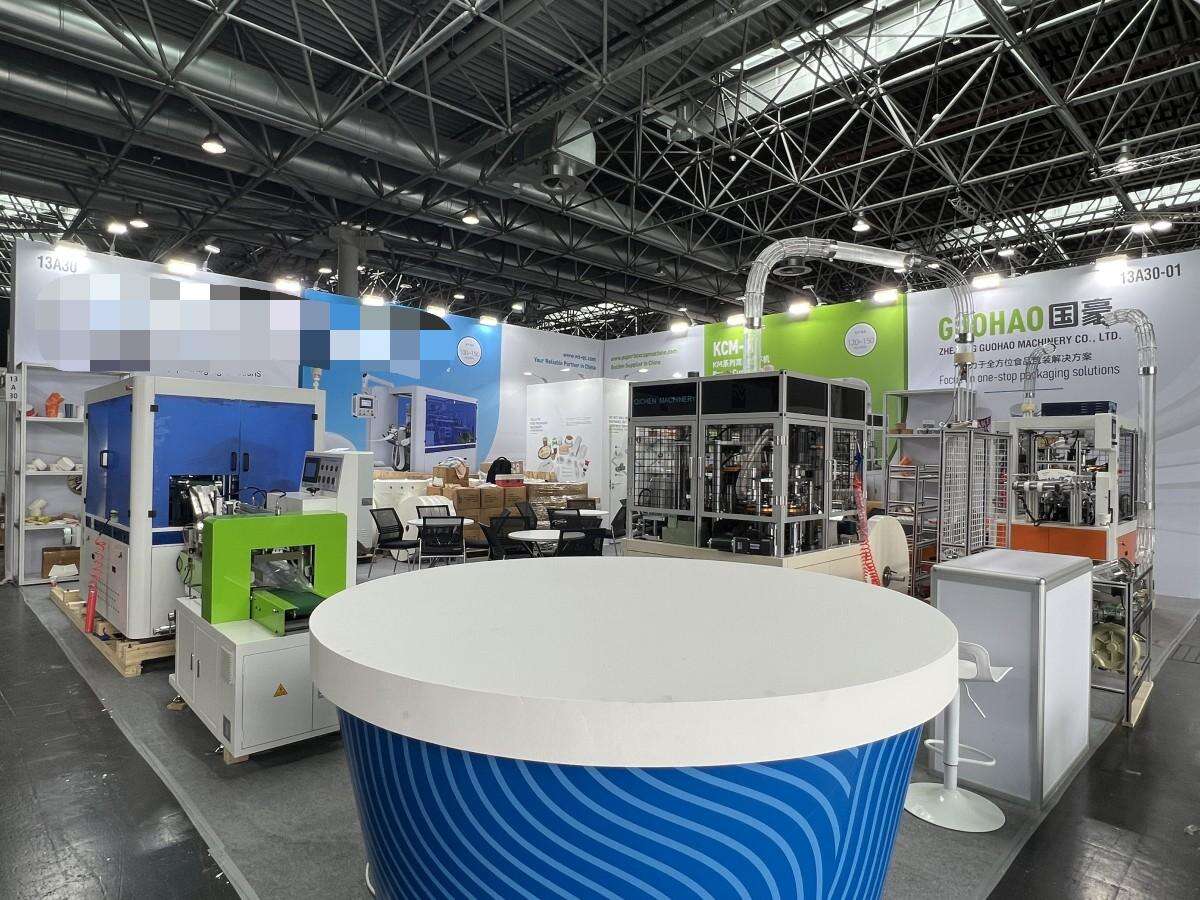
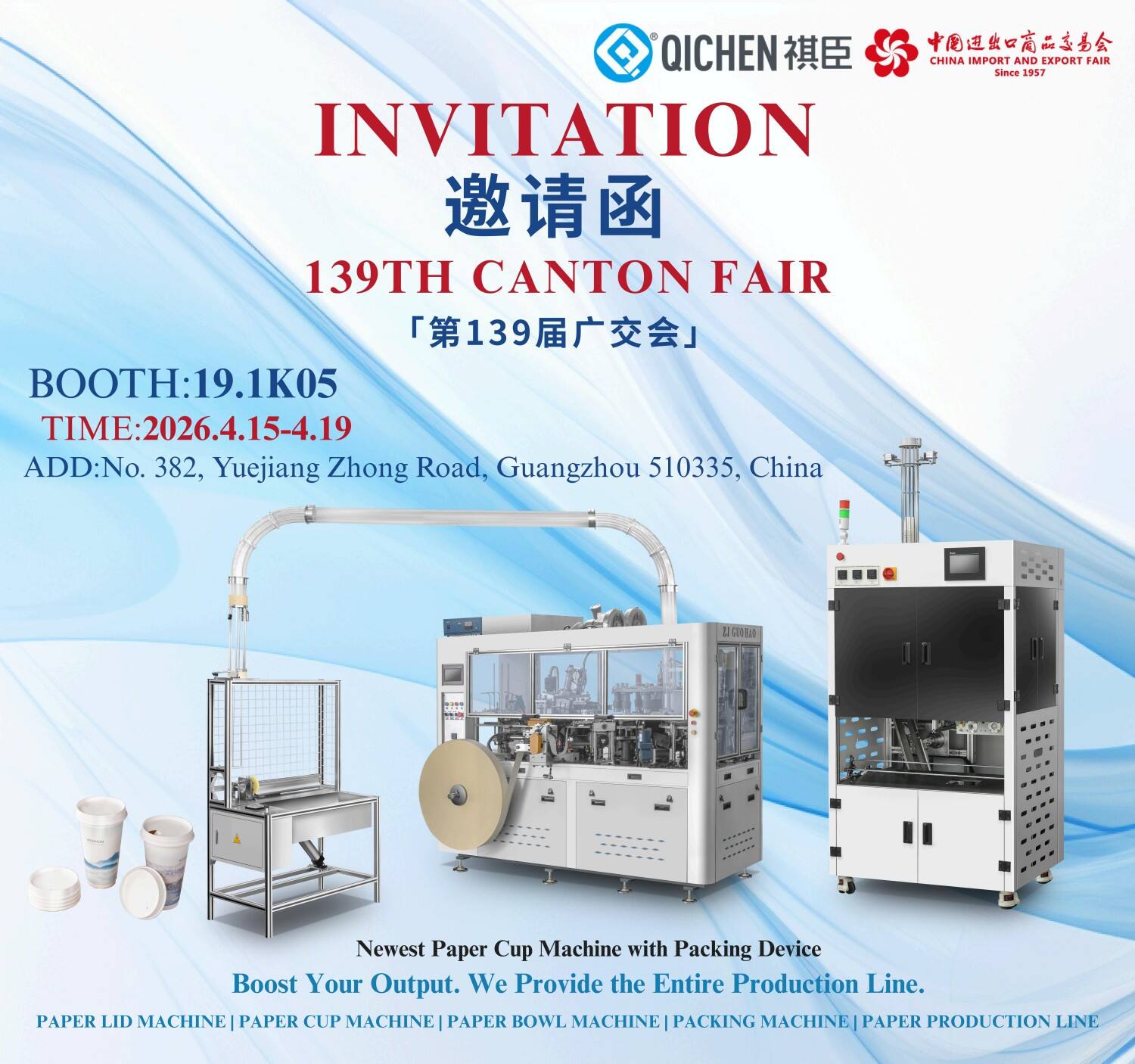
Our Company Exhibits New High-Speed Paper Cup Machine and Vertical Packaging Machine at the 139th Canton Fair

20

Apr

Our Company Exhibits New High-Speed Paper Cup Machine and Vertical Packaging Machine at the 139th Canton Fair

View More

Get a Free Quote

Our representative will contact you soon.
Email
Name
Company Name
Message
0/1000

flexible packaging machines

Advanced Multi-Layer Film Processing Technology

Advanced Multi-Layer Film Processing Technology

The cornerstone feature of modern flexible packaging machines lies in their sophisticated multi-layer film processing capabilities, which enable the creation of complex packaging structures with enhanced barrier properties and extended shelf life characteristics. This technology represents a significant advancement over traditional single-layer packaging methods, offering manufacturers unprecedented control over package performance and product protection. The multi-layer processing system operates through precise lamination techniques that bond different materials together, creating composite structures with tailored properties for specific applications. For instance, a typical multi-layer structure might combine an outer layer for printability and durability, a barrier layer for oxygen and moisture protection, and an inner layer for product compatibility and seal integrity. The flexible packaging machines utilize advanced adhesive systems and controlled temperature profiles to ensure perfect bonding between layers without compromising individual material properties. This technology enables the production of packages with exceptional barrier performance, often achieving oxygen transmission rates below 0.1 cc/m²/day and water vapor transmission rates under 0.01 g/m²/day. Such performance levels are crucial for sensitive products like pharmaceuticals, specialty chemicals, and premium food items that require extended shelf life and maintained potency. The multi-layer processing capability also allows for the incorporation of functional additives such as anti-static agents, UV stabilizers, and antimicrobial compounds directly into specific layers, providing additional product protection without affecting other package properties. Manufacturers benefit from reduced material costs as the multi-layer approach optimizes material usage by placing expensive barrier materials only where needed, while using cost-effective materials for non-critical layers. The technology also supports sustainable packaging initiatives by enabling the use of renewable or recycled materials in appropriate layers while maintaining overall package performance. Quality control systems monitor each layer during the lamination process, ensuring consistent adhesion strength, uniform thickness, and proper layer alignment throughout production runs.
Intelligent Servo-Driven Control Systems

Intelligent Servo-Driven Control Systems

The integration of intelligent servo-driven control systems in flexible packaging machines represents a paradigm shift toward precision manufacturing and operational excellence. These advanced control systems replace traditional mechanical drives with electronically controlled servo motors that provide unprecedented accuracy in every aspect of the packaging process. The servo technology enables precise control of material feeding, cutting, sealing, and forming operations with repeatability tolerances measured in hundredths of millimeters. This level of precision translates to consistent package dimensions, uniform seal quality, and minimal material waste throughout production runs. The intelligent control system continuously monitors and adjusts parameters such as temperature, pressure, speed, and timing based on real-time feedback from multiple sensors positioned throughout the machine. This adaptive control capability ensures optimal performance across varying environmental conditions and material characteristics, maintaining consistent quality even when switching between different products or materials. The servo-driven system also enables complex package formats and specialized sealing patterns that would be impossible with mechanical systems. Manufacturers can program intricate cutting patterns, create packages with multiple compartments, or implement specialized closure systems with precise positioning requirements. The control system stores multiple recipe programs that allow rapid changeover between different products, reducing setup time from hours to minutes and minimizing production disruptions. Energy efficiency represents another significant benefit of servo-driven control systems, as these motors consume power only when needed and operate at optimal efficiency points throughout the production cycle. This selective power usage can reduce overall energy consumption by up to 30 percent compared to traditional mechanical drive systems. The intelligent diagnostics capabilities of servo control systems provide predictive maintenance alerts, identifying potential issues before they cause production interruptions and enabling planned maintenance activities that minimize downtime. Integration with manufacturing execution systems allows real-time production monitoring, quality tracking, and performance optimization across entire production facilities. The flexibility of servo control systems also supports future upgrades and modifications, allowing manufacturers to enhance machine capabilities as technology advances or production requirements change.
Sustainable Packaging Solutions and Eco-Friendly Operations

Sustainable Packaging Solutions and Eco-Friendly Operations

Modern flexible packaging machines incorporate comprehensive sustainability features that address growing environmental concerns while delivering superior packaging performance and cost-effectiveness. These eco-friendly capabilities extend beyond simple material reduction to encompass energy efficiency, waste minimization, and support for renewable packaging materials. The lightweight nature of flexible packaging materials processed by these machines results in significant reductions in transportation emissions and storage requirements compared to rigid packaging alternatives. A typical flexible package weighs 80 percent less than equivalent rigid packaging, translating to reduced fuel consumption during transportation and lower carbon footprint throughout the supply chain. Flexible packaging machines support the use of mono-material structures that simplify recycling processes, enabling the creation of packages from single polymer types that can be efficiently processed through existing recycling infrastructure. Advanced material handling systems in these machines minimize waste during changeovers and startup procedures, with some systems achieving waste levels below 0.5 percent of total material usage. The machines also support the integration of post-consumer recycled content and bio-based materials without compromising package integrity or production efficiency. Energy recovery systems capture and reuse heat generated during sealing operations, reducing overall energy consumption and improving thermal efficiency. Water-based adhesive systems eliminate the need for solvent-based bonding agents, reducing volatile organic compound emissions and creating safer working environments. The precision control capabilities of flexible packaging machines enable right-sizing of packages, eliminating excess material while maintaining product protection and shelf appeal. Smart material management systems track usage patterns and optimize inventory levels, reducing material waste and associated storage costs. Some advanced flexible packaging machines incorporate on-demand printing capabilities that eliminate pre-printed material inventory and reduce obsolete stock waste. The compact design of these machines reduces facility space requirements, lowering building energy consumption and enabling more efficient plant layouts. Flexible packaging machines also support innovative packaging designs that incorporate renewable materials such as paper-based barriers and plant-derived polymers, helping manufacturers transition to more sustainable packaging portfolios. The long service life and upgrade capabilities of modern flexible packaging machines reduce equipment replacement frequency, minimizing manufacturing-related environmental impacts and supporting circular economy principles in industrial operations.

Get a Free Quote

Our representative will contact you soon.
Email
Name
Company Name
Message
0/1000