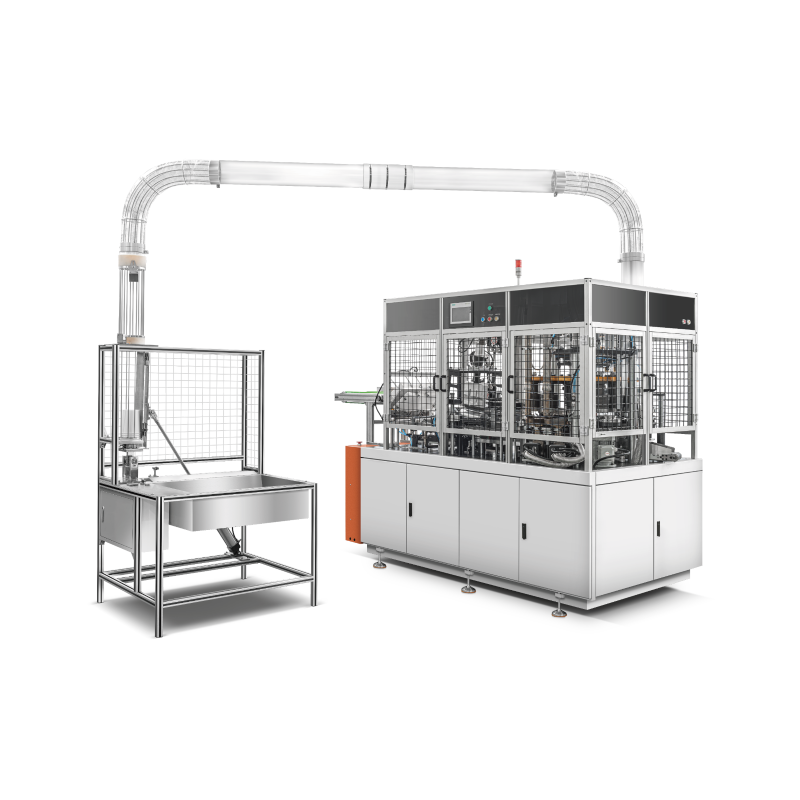
Professional Die Cutting Press Machine Solutions - Precision Manufacturing Equipment

Get a Free Quote

Our representative will contact you soon.
Email
Name
Company Name
Message
0/1000

die cutting press machine

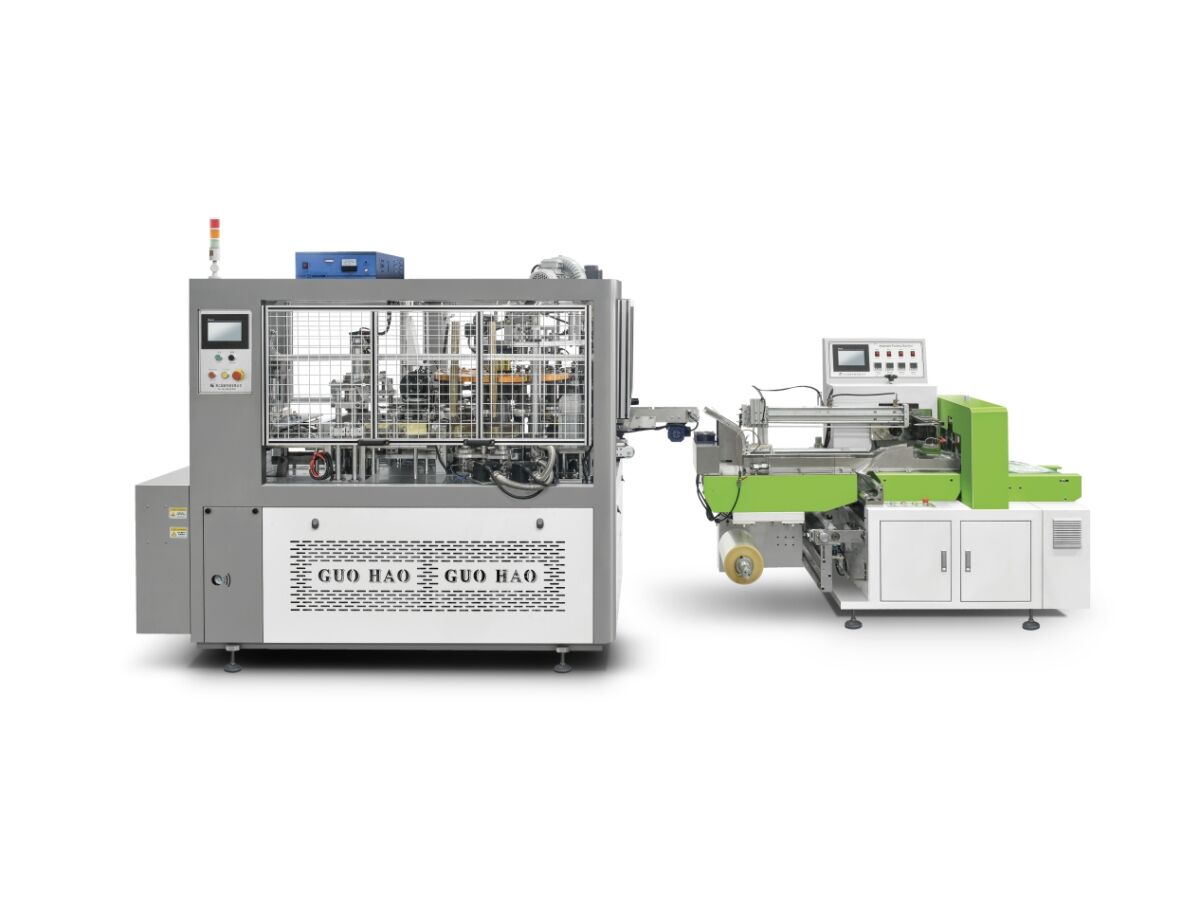
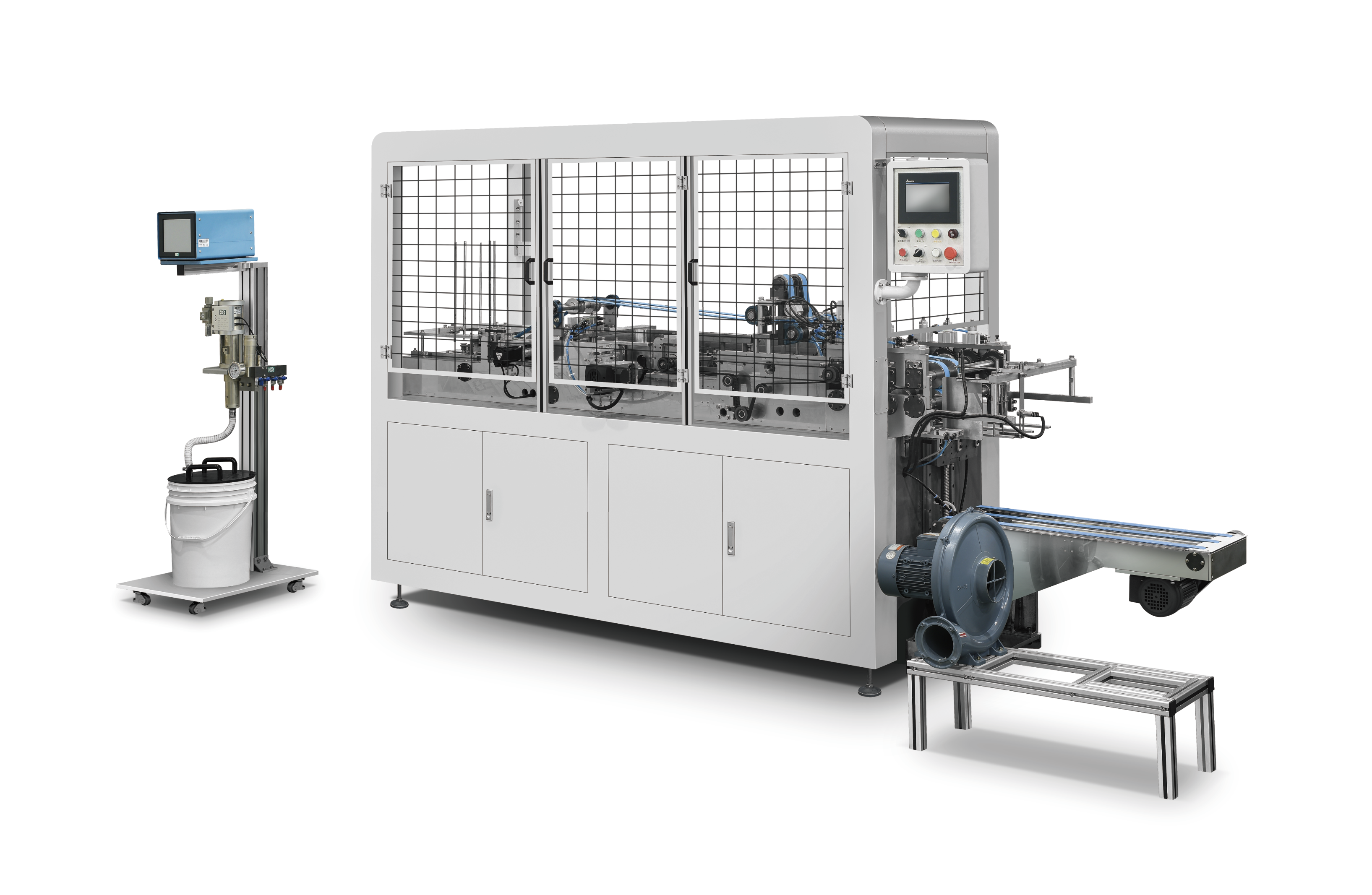
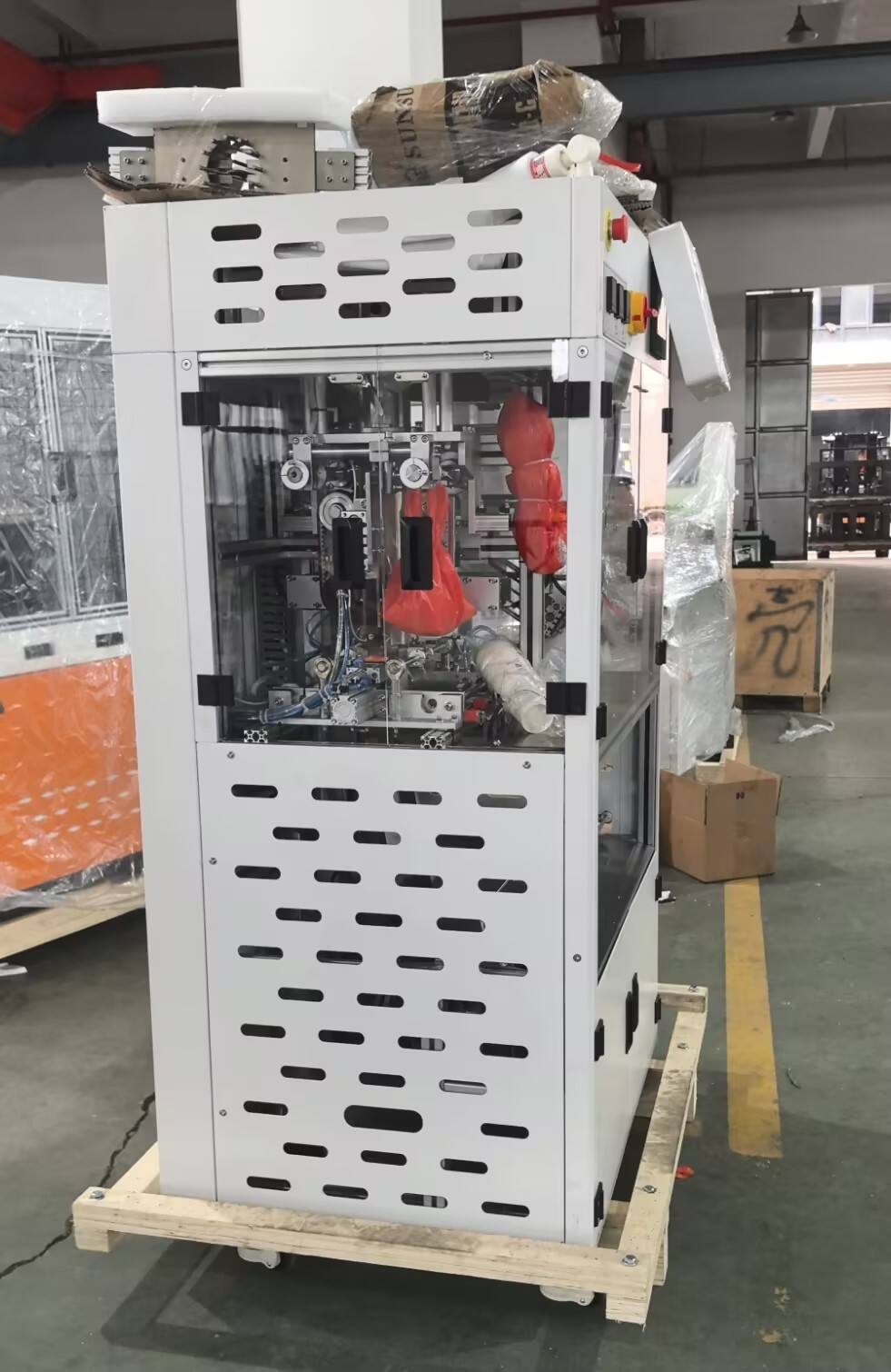
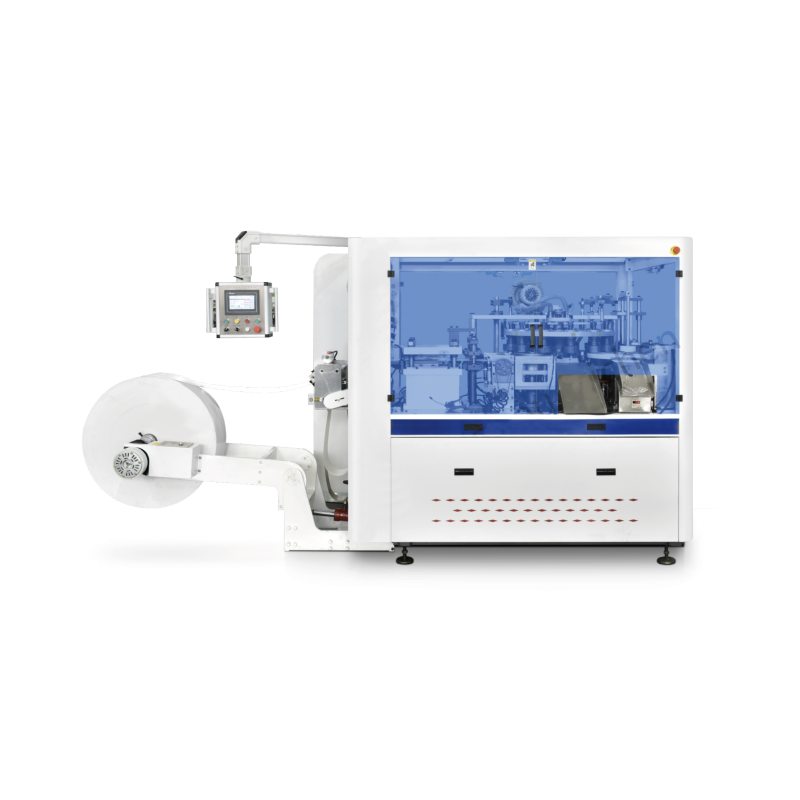
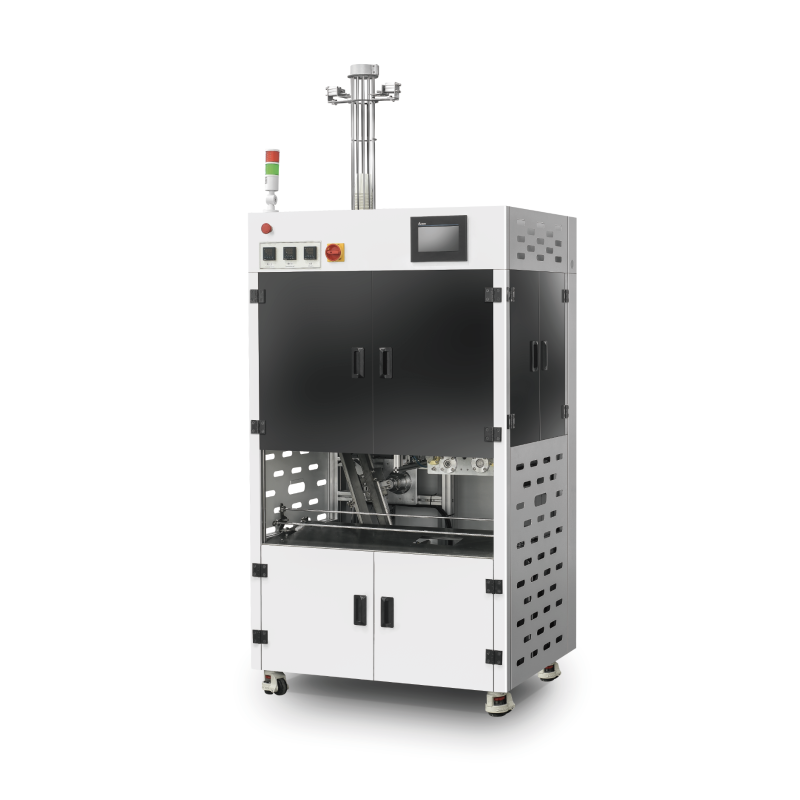
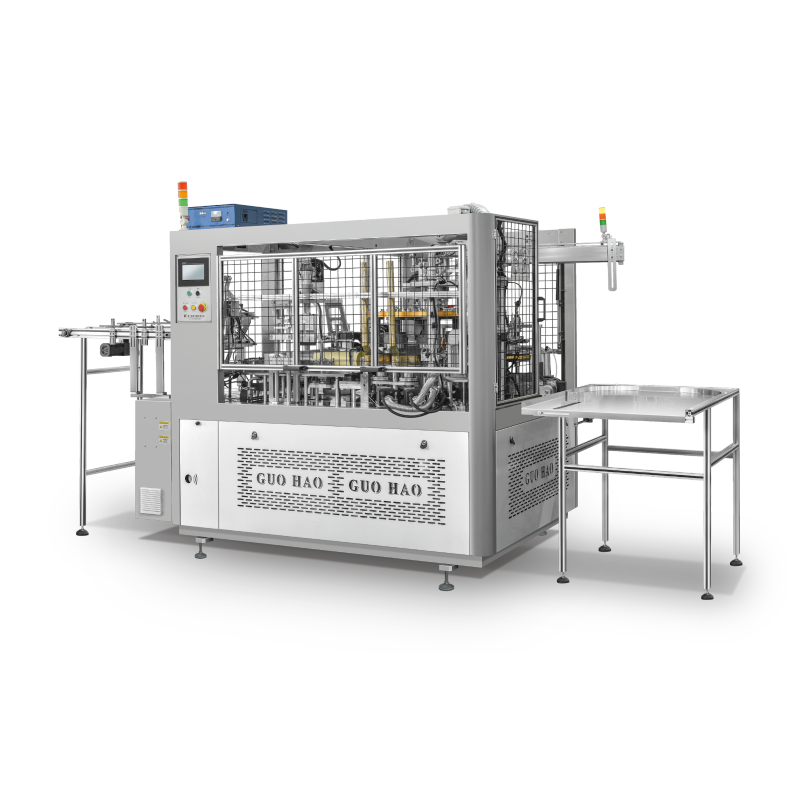
A die cutting press machine represents a sophisticated manufacturing solution designed to cut, shape, and form materials with exceptional precision and efficiency. This industrial equipment operates through a mechanical or hydraulic system that applies controlled pressure to specialized cutting dies, enabling manufacturers to create consistent shapes from various materials including paper, cardboard, leather, fabric, rubber, foam, and thin metals. The machine consists of several critical components: a robust frame structure, a pressing mechanism, die mounting systems, material feeding apparatus, and advanced control panels that ensure optimal performance. Modern die cutting press machines incorporate state-of-the-art technology featuring programmable logic controllers, servo motor systems, and computerized positioning mechanisms that deliver unparalleled accuracy in production processes. The technological architecture enables operators to achieve cutting tolerances within micrometers, making these machines indispensable for industries requiring exact specifications. Safety features include emergency stop systems, light curtains, pressure-sensitive mats, and enclosed operational zones that protect workers during high-pressure operations. Contemporary models offer variable speed controls, automatic material handling systems, and integrated quality monitoring sensors that detect irregularities in real-time. The versatility of a die cutting press machine extends beyond simple cutting operations, encompassing embossing, creasing, perforating, and kiss-cutting applications. Digital integration capabilities allow seamless connectivity with computer-aided design software, enabling rapid prototyping and efficient production transitions. Energy-efficient designs incorporate regenerative hydraulic systems and optimized motor configurations that reduce operational costs while maintaining peak performance levels. Maintenance requirements remain minimal due to robust construction and self-diagnostic capabilities that alert operators to potential issues before they impact production schedules.

New Product Releases

Die cutting press machines deliver substantial operational benefits that transform manufacturing efficiency and product quality across diverse industries. These machines significantly reduce production time by eliminating manual cutting processes that traditionally consume hours of labor-intensive work. Automated operation allows continuous production runs with minimal human intervention, increasing throughput capacity by up to 300 percent compared to conventional methods. The precision cutting capabilities ensure consistent product dimensions, eliminating variations that occur with manual processes and reducing material waste by approximately 15 to 25 percent. Cost savings extend beyond material efficiency as reduced labor requirements translate to lower operational expenses and improved profit margins. Quality consistency represents another major advantage as die cutting press machines maintain uniform pressure distribution and cutting angles throughout production cycles, ensuring every piece meets exact specifications without deviation. Flexibility in material handling allows manufacturers to work with diverse substrates without requiring separate equipment investments, maximizing capital utilization across product lines. Quick changeover capabilities enable rapid transitions between different cutting patterns, supporting just-in-time manufacturing strategies and reducing inventory holding costs. The repeatability factor ensures that complex shapes and intricate designs can be reproduced thousands of times without quality degradation, supporting high-volume production requirements. Workplace safety improves dramatically as operators work from protected positions away from cutting zones, reducing workplace injuries and associated costs. Environmental benefits emerge from reduced material waste and energy-efficient operation cycles that support sustainability initiatives. Integration capabilities with existing production lines create seamless workflows that eliminate bottlenecks and improve overall manufacturing efficiency. Training requirements remain minimal as intuitive control systems allow operators to master machine functions quickly, reducing onboarding time and increasing productivity. Return on investment typically occurs within 12 to 18 months due to combined savings from labor reduction, material efficiency, and increased production capacity.

Latest News

Wenzhou Qichen: Shone at Drupa 2024, Forging a New Path for Paper Product Equipment

20

Apr

Wenzhou Qichen: Shone at Drupa 2024, Forging a New Path for Paper Product Equipment

View More
Wenzhou Qichen: Debuted New PL06 Paper Lid Machine at China Print 2025

20

Apr

Wenzhou Qichen: Debuted New PL06 Paper Lid Machine at China Print 2025

View More
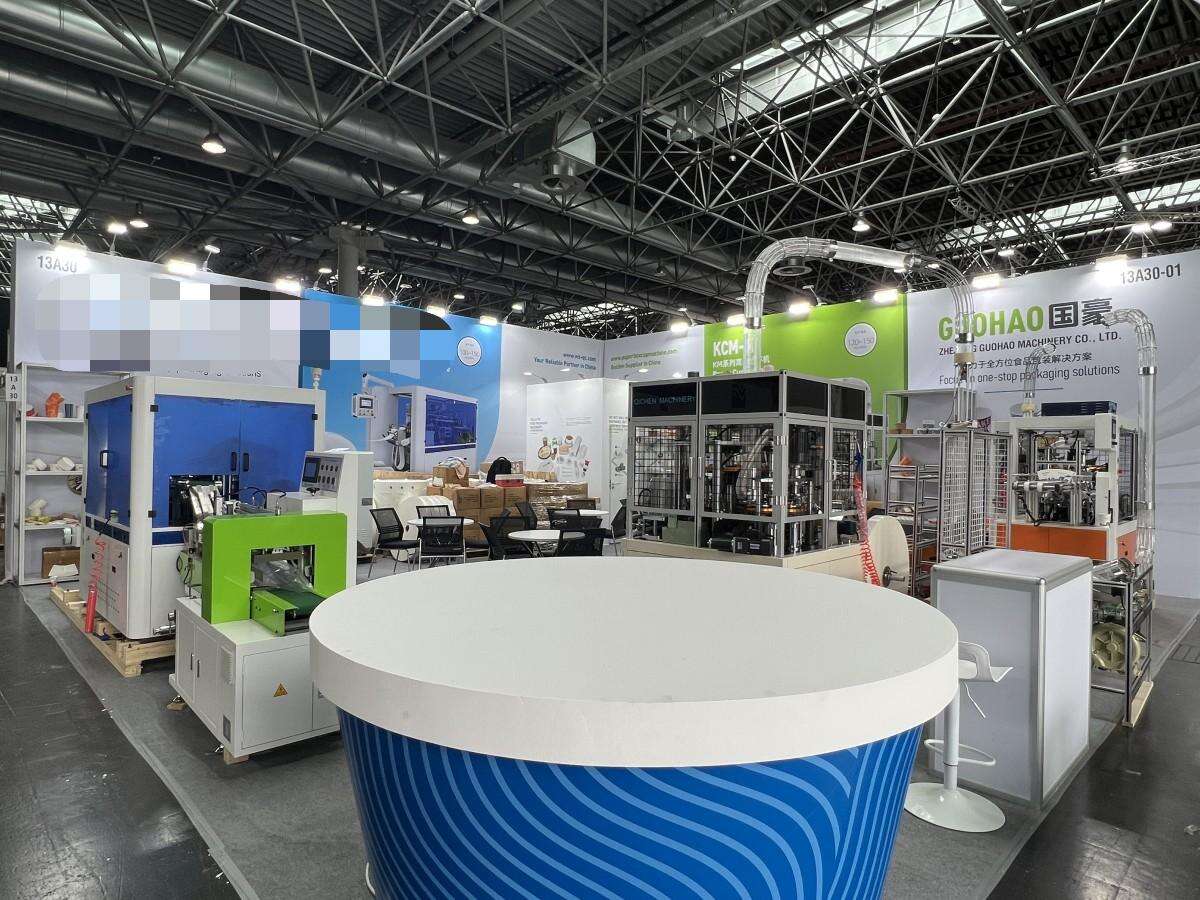
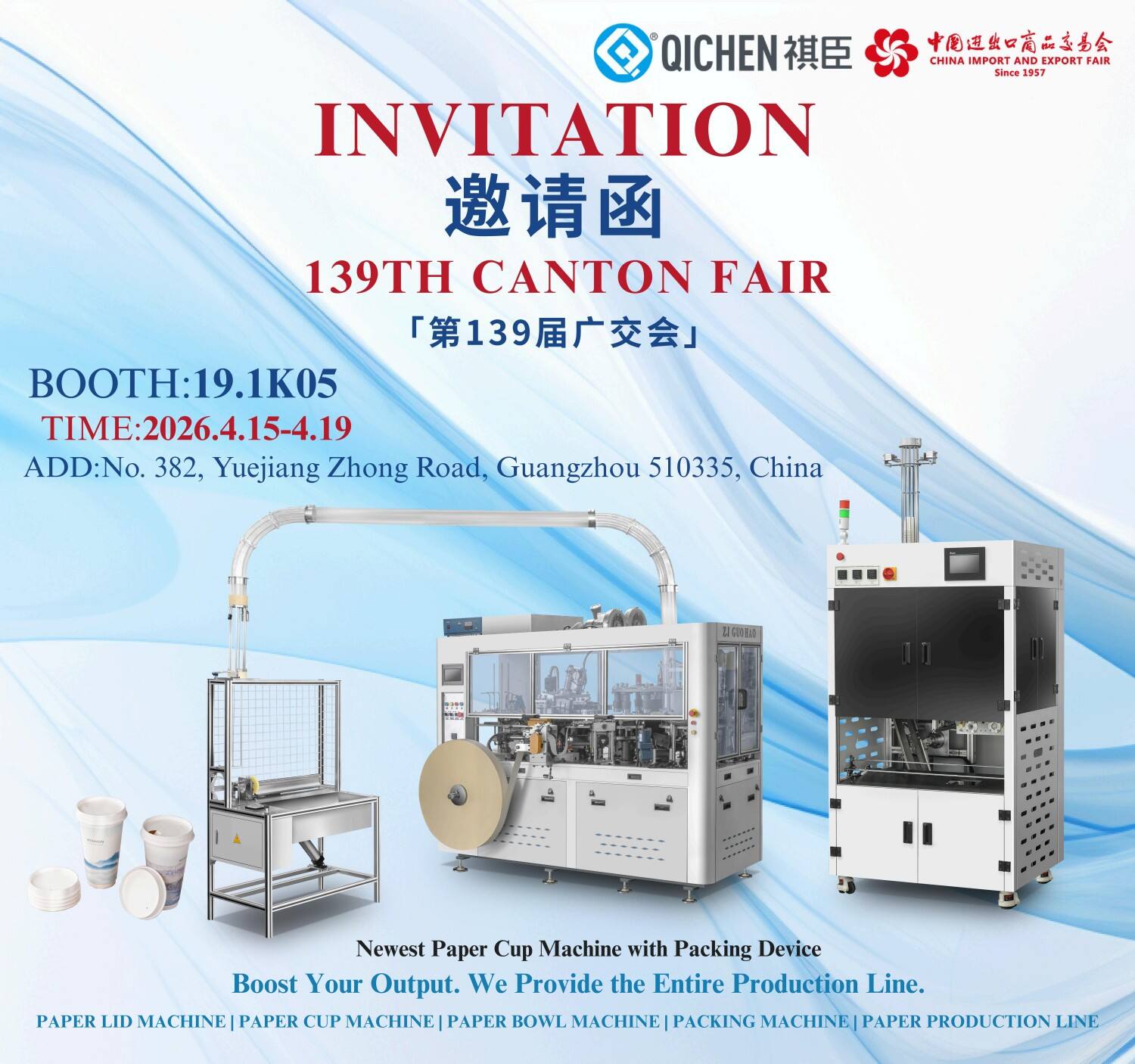
Our Company Exhibits New High-Speed Paper Cup Machine and Vertical Packaging Machine at the 139th Canton Fair

20

Apr

Our Company Exhibits New High-Speed Paper Cup Machine and Vertical Packaging Machine at the 139th Canton Fair

View More

Get a Free Quote

Our representative will contact you soon.
Email
Name
Company Name
Message
0/1000

die cutting press machine

Advanced Precision Control Technology

Advanced Precision Control Technology

Modern die cutting press machines incorporate cutting-edge precision control technology that revolutionizes manufacturing accuracy and consistency. This sophisticated system utilizes servo-driven positioning mechanisms combined with high-resolution encoders that deliver positioning accuracy within 0.01 millimeters, ensuring exceptional quality in every cut. The technology integrates advanced pressure monitoring sensors that continuously adjust cutting force based on material thickness and density variations, preventing over-cutting that could damage substrates or under-cutting that results in incomplete separation. Real-time feedback loops communicate with programmable logic controllers to maintain optimal cutting parameters throughout production runs, automatically compensating for environmental factors like temperature and humidity that might affect material properties. Digital pressure regulation systems provide precise force control ranging from light kiss-cuts that barely penetrate surface layers to full-depth cuts that completely separate thick materials. The control interface features touchscreen displays with intuitive graphics that allow operators to monitor cutting parameters, adjust settings, and troubleshoot issues without extensive technical training. Memory storage capabilities enable operators to save and recall cutting programs for different materials and designs, eliminating setup time for repeat jobs and ensuring consistent results across production batches. Automated calibration functions verify cutting accuracy before each production run, identifying potential alignment issues and making micro-adjustments to maintain precision standards. The technology includes predictive maintenance algorithms that analyze operational data to predict component wear and schedule maintenance activities before failures occur, minimizing unplanned downtime and extending equipment lifespan. Integration with computer-aided manufacturing systems enables direct transfer of cutting patterns from design software, eliminating manual programming errors and accelerating job setup processes. This precision control technology transforms die cutting operations from manual processes requiring skilled craftsmen into automated systems that deliver consistent, high-quality results regardless of operator experience level.
Versatile Material Processing Capabilities

Versatile Material Processing Capabilities

Die cutting press machines demonstrate exceptional versatility in processing diverse material types and thicknesses, making them invaluable assets for manufacturers serving multiple industries and applications. These machines handle materials ranging from delicate papers and films measuring just 0.1 millimeters thick to robust industrial materials exceeding 25 millimeters in thickness, accommodating an extensive spectrum of manufacturing requirements. The adaptable clamping systems feature adjustable pressure zones that distribute force evenly across irregular surfaces, preventing material distortion while ensuring clean cuts through challenging substrates. Specialized cutting dies designed for different material properties can be quickly exchanged using rapid-change mounting systems that minimize downtime between production runs. Temperature control features maintain optimal cutting conditions for heat-sensitive materials like certain plastics and adhesives that might deform under standard operating temperatures. The machines process rigid materials such as cardboard, chipboard, and thin metals alongside flexible substrates including textiles, leather, rubber, and foam without requiring mechanical modifications. Multi-layer cutting capabilities enable simultaneous processing of layered materials, significantly increasing production efficiency for applications requiring multiple identical components. Edge quality optimization ensures clean cuts without fraying, tearing, or deformation regardless of material fiber orientation or grain direction. Vacuum systems integrated into cutting tables hold materials securely during processing, preventing shifting that could result in dimensional inaccuracies. The versatility extends to cutting pattern complexity, with machines capable of executing intricate designs featuring tight radius curves, sharp corners, and detailed internal cutouts that would be impossible to achieve consistently through manual methods. Material handling accessories accommodate rolls, sheets, and pre-cut blanks, supporting various feeding methods based on production requirements and material formats. This comprehensive material processing capability eliminates the need for multiple specialized machines, reducing capital investment while maximizing production flexibility and responsiveness to changing market demands.
Enhanced Safety and Operational Efficiency

Enhanced Safety and Operational Efficiency

Die cutting press machines prioritize operator safety while maximizing operational efficiency through comprehensive safety systems and streamlined workflow designs. Multiple safety mechanisms work in coordination to create protected working environments, including light curtain systems that immediately halt machine operation when operators enter hazardous zones during production cycles. Emergency stop controls are strategically positioned throughout the work area, enabling instant machine shutdown from any operator position, while pressure-sensitive safety mats detect unauthorized personnel near cutting zones and automatically engage safety protocols. Two-handed control systems ensure operators maintain safe distances from cutting areas during operation, preventing accidental contact with moving components or cutting dies. Enclosed cutting zones with transparent safety barriers allow visual monitoring of operations while maintaining physical separation between operators and hazardous mechanisms. Automatic die height adjustment eliminates manual handling of heavy cutting dies, reducing the risk of repetitive strain injuries and back problems associated with traditional setup procedures. The operational efficiency benefits include automated material feeding systems that maintain continuous production flow without manual intervention, reducing cycle times and increasing output capacity. Quick-release die mounting mechanisms enable tool changes in under five minutes, minimizing production interruptions and maximizing machine utilization rates. Integrated material positioning systems ensure accurate placement for every cut, eliminating the trial-and-error adjustments that waste time and materials in conventional setups. Computerized job management systems track production progress, material consumption, and quality metrics in real-time, providing managers with actionable data for optimizing manufacturing processes. Energy-saving features include automatic standby modes that reduce power consumption during idle periods and regenerative hydraulic systems that capture and reuse energy during cutting cycles. Predictive maintenance indicators alert operators to service requirements before breakdowns occur, ensuring consistent production schedules and preventing costly emergency repairs. These combined safety and efficiency features create manufacturing environments where productivity and worker protection coexist harmoniously, supporting sustainable business growth and regulatory compliance.

Get a Free Quote

Our representative will contact you soon.
Email
Name
Company Name
Message
0/1000