brown paper cover making machine
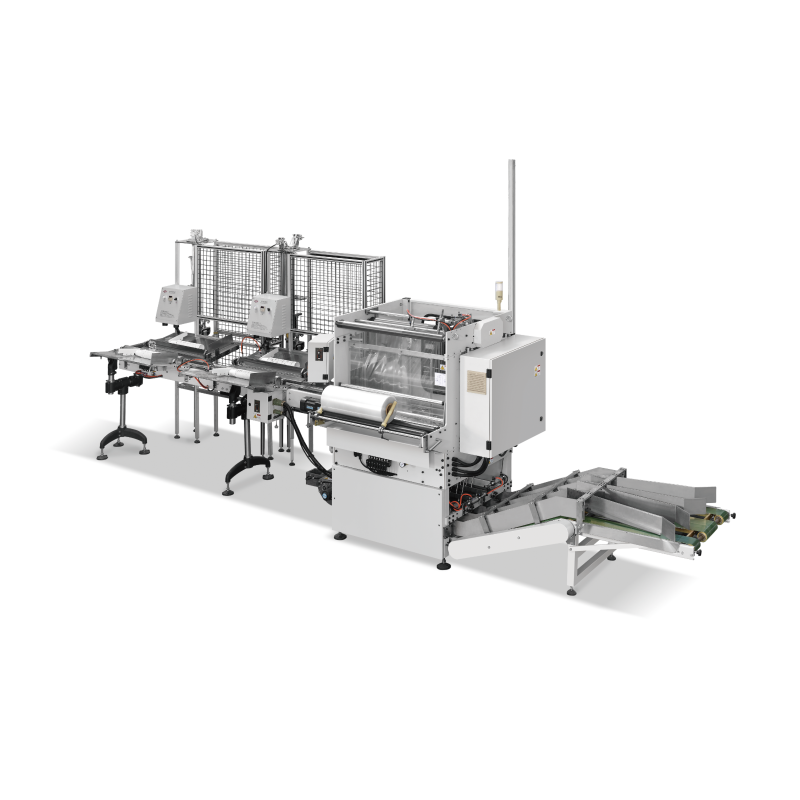
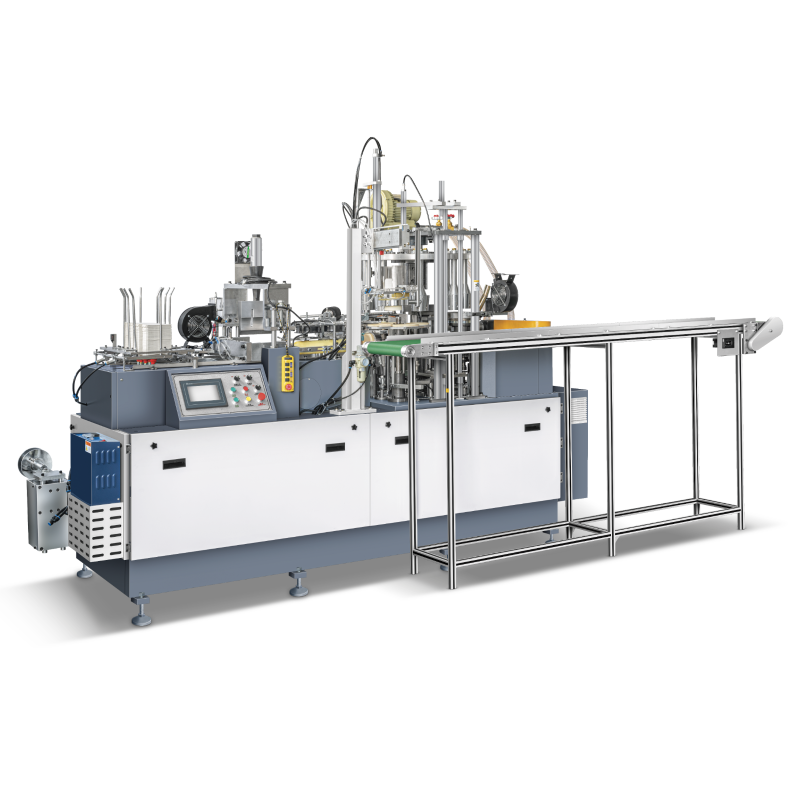
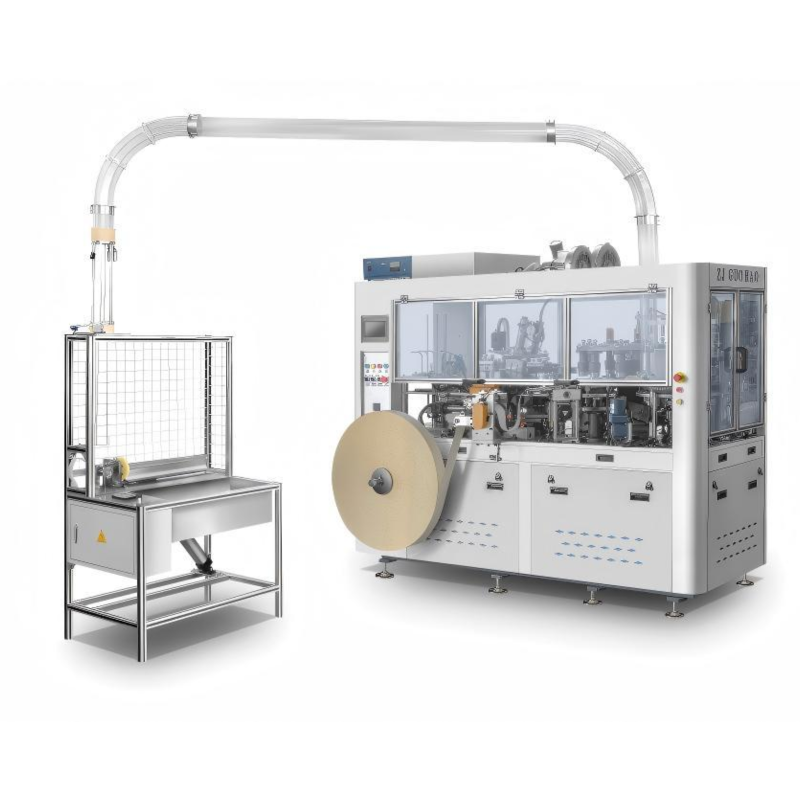
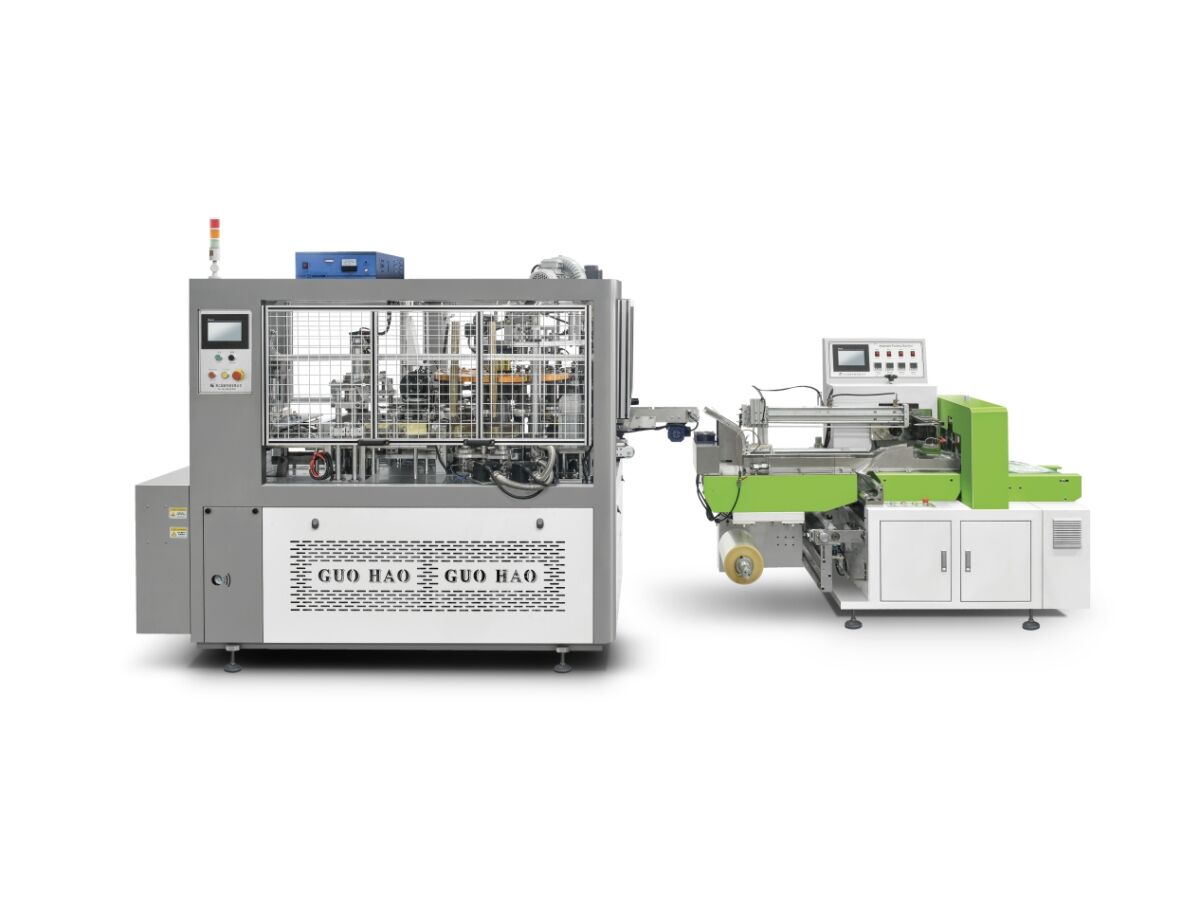
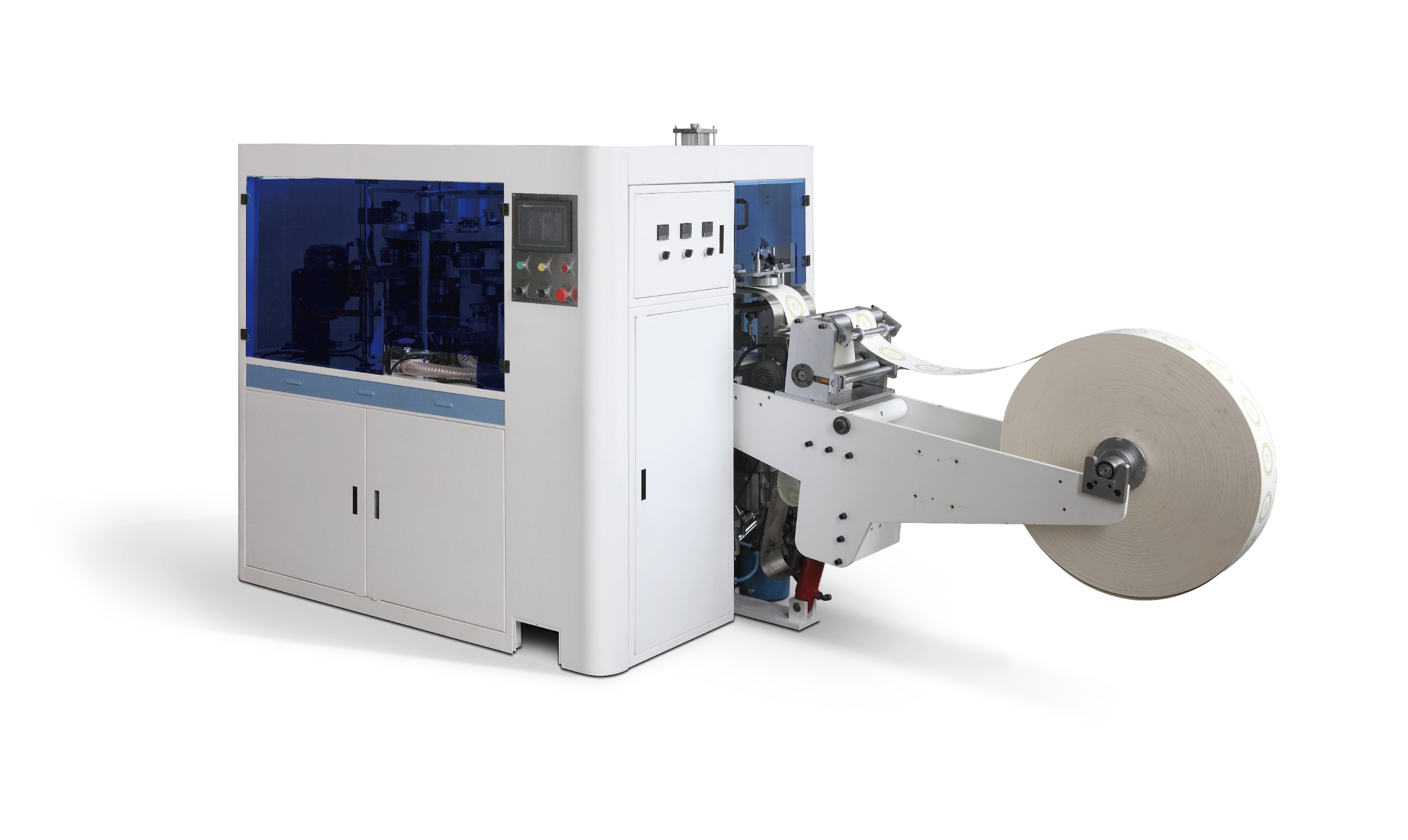
The brown paper cover making machine represents a sophisticated manufacturing solution designed specifically for producing high-quality brown paper covers used across various industries. This specialized equipment automates the entire production process, from raw material feeding to final product cutting and stacking. The brown paper cover making machine incorporates advanced mechanical systems that ensure consistent thickness, smooth surface finish, and precise dimensional accuracy in every produced cover. Modern brown paper cover making machines feature computer-controlled operations that allow operators to adjust parameters such as paper thickness, size specifications, and production speed according to specific requirements. The machine typically consists of multiple components including unwinding units, laminating sections, pressing mechanisms, cutting systems, and stacking assemblies. Raw materials enter through the unwinding section where kraft paper rolls are fed into the system at controlled tension. The laminating process applies adhesives uniformly across the paper surface, ensuring strong bonding between layers when multiple-ply covers are required. Temperature control systems maintain optimal conditions throughout the production cycle, preventing material degradation and ensuring consistent quality. The pressing mechanism applies precise pressure to eliminate air bubbles and create smooth, professional finishes. Advanced cutting systems equipped with sharp blades ensure clean edges without fraying or tearing. Modern brown paper cover making machines incorporate safety features such as emergency stops, protective guards, and automatic shutdown mechanisms. These machines can produce covers in various sizes ranging from small notebook covers to large industrial protective sheets. Production speeds vary depending on the model, with commercial-grade brown paper cover making machines capable of producing thousands of units per hour. Quality control sensors monitor thickness uniformity, detect defects, and automatically reject substandard products. The entire operation requires minimal human intervention, reducing labor costs and improving production efficiency while maintaining consistent output quality.
 ×



 EN